How to Get Water Through a Chow Chow’s Undercoat
Bathing a Chow Chow can feel like trying to water a waterproof teddy bear, with all that glorious, dense fur simply repelling the water you're trying so hard to get through. It's incredibly frustrating when you know a clean coat starts with a completely saturated one, but the water just beads up or only wets the surface. This guide will walk you through proven techniques and essential tools to ensure every strand of your Chow Chow's undercoat gets thoroughly wet, leading to a truly clean and healthy dog.
The Mystery of the Chow Chow's Coat: Why It Fights Water
If you've ever tried to bathe a Chow Chow, you know the struggle is real. It’s not just you; their coat is specifically designed to be incredibly dense and somewhat water-repellent, a testament to their ancient origins in harsh, cold climates. Understanding this unique construction is the first step to conquering bath time.
A Deep Dive into the Double Layer
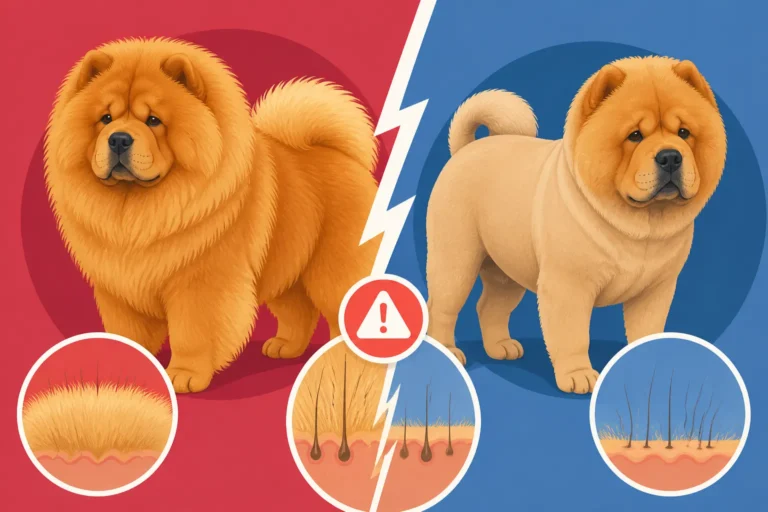
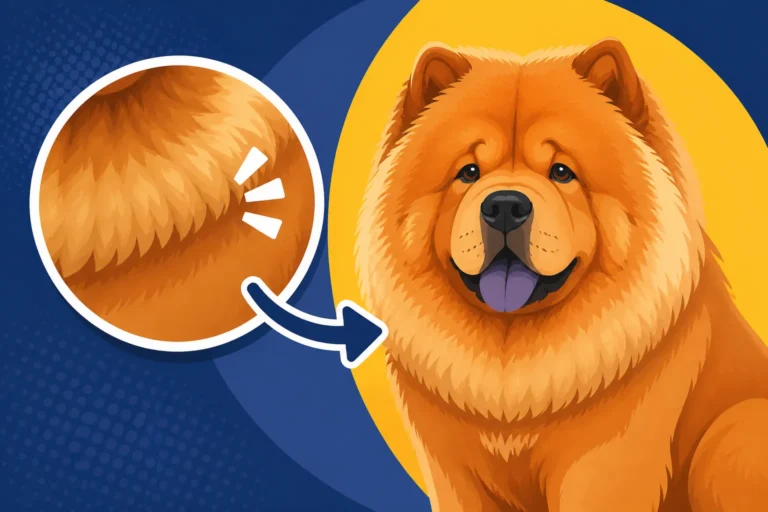
Your Chow Chow isn't just fluffy; they possess a magnificent double coat, a marvel of natural engineering. The outer layer consists of coarse, straight guard hairs. These hairs act like a protective shield, warding off dirt, debris, and, yes, water. They’re relatively easy to wet on their own, but they hide the real challenge underneath. Beneath this outer shield lies the undercoat – an incredibly thick, soft, woolly layer that is packed so densely it forms a formidable barrier. Think of it like a down sleeping bag for your dog, designed to trap air for insulation and shed moisture.
This dense undercoat is what makes getting water all the way down to the skin so incredibly difficult. Water often struggles to penetrate past the guard hairs and just sits on the surface of the undercoat, unable to reach the skin where the real cleaning needs to happen. It's like trying to wash a carpet by only wetting the very top fibers; you know the dirt is still embedded deep within, and the deeper layers remain dry. This characteristic is precisely why some groomers might even initially shy away from taking on a Chow Chow – they know the amount of effort required to properly clean that magnificent mane. You'll find similar challenges when tackling general grooming; it’s all about getting past that top layer. Rough or Smooth: the Two Chow Chow Coats and What Each Needs describes the differences, but the wetting challenge is universal to both.
The Hidden Dangers of an Incompletely Wet Coat
You might think, "Well, if I can't get it totally wet, I'll just do my best." But an incompletely wet coat can actually cause more problems than it solves. When you apply shampoo to a coat that isn't saturated to the skin, the shampoo essentially just sits on the top layer, mingling with surface dirt and oils. It can't penetrate to clean the skin or the deep undercoat, meaning your Chow Chow isn't truly getting clean. The dirt and dead skin cells remain trapped beneath.
Beyond simply not being clean, an incompletely wet and therefore improperly rinsed coat can lead to significant skin issues. Shampoo residue left behind can irritate the skin, causing itching, redness, and flakiness. This irritation can then lead to hot spots or secondary bacterial or fungal infections, especially in that warm, damp environment created by the dense fur. Imagine trying to air-dry a thick wool blanket that only got wet on the outside; the inside would stay damp for ages, becoming a perfect breeding ground for mildew. The same principle applies here. Why a Damp Chow Chow Gets Skin Trouble goes into detail about these risks, highlighting just how crucial proper wetting and drying truly are.
Tools and Techniques to Conquer the Undercoat Challenge
Given the unique construction of the Chow Chow's coat, you can't just throw them in the tub and expect a quick rinse to do the trick. You need a strategic approach and the right tools to ensure water truly penetrates that dense undercoat.
Harnessing the Power of a High-Velocity Dryer
This might sound counterintuitive, but one of the best tools for getting your Chow Chow wet before the bath is a high-velocity dryer. Yes, the same tool you'll use to dry them! Before a single drop of water touches your dog, use the dryer to "pre-blast" their coat. This technique literally blows apart the dense undercoat, separating the hairs and opening up channels down to the skin.
Think of it like fluffing up a heavily matted rug before you try to vacuum it. By using the dryer's powerful, unheated air, you create space within the coat. Start with sections of the coat, holding the nozzle a few inches away and pointing it in the direction of hair growth, then against it, to really lift and separate the layers. You'll be amazed at how much dead undercoat comes out and how much more accessible the skin becomes. This step alone can dramatically cut down on the time it takes to wet your Chow Chow thoroughly and is a secret weapon many professional groomers swear by. You can find excellent high-velocity dryers on platforms like Amazon, and it's an investment that pays dividends in coat health. Whether a High Velocity Dryer Helps a Chow Chow Shed further explains the benefits of this versatile tool.
The Art of Water Application: Pressure, Dilution, and Massage
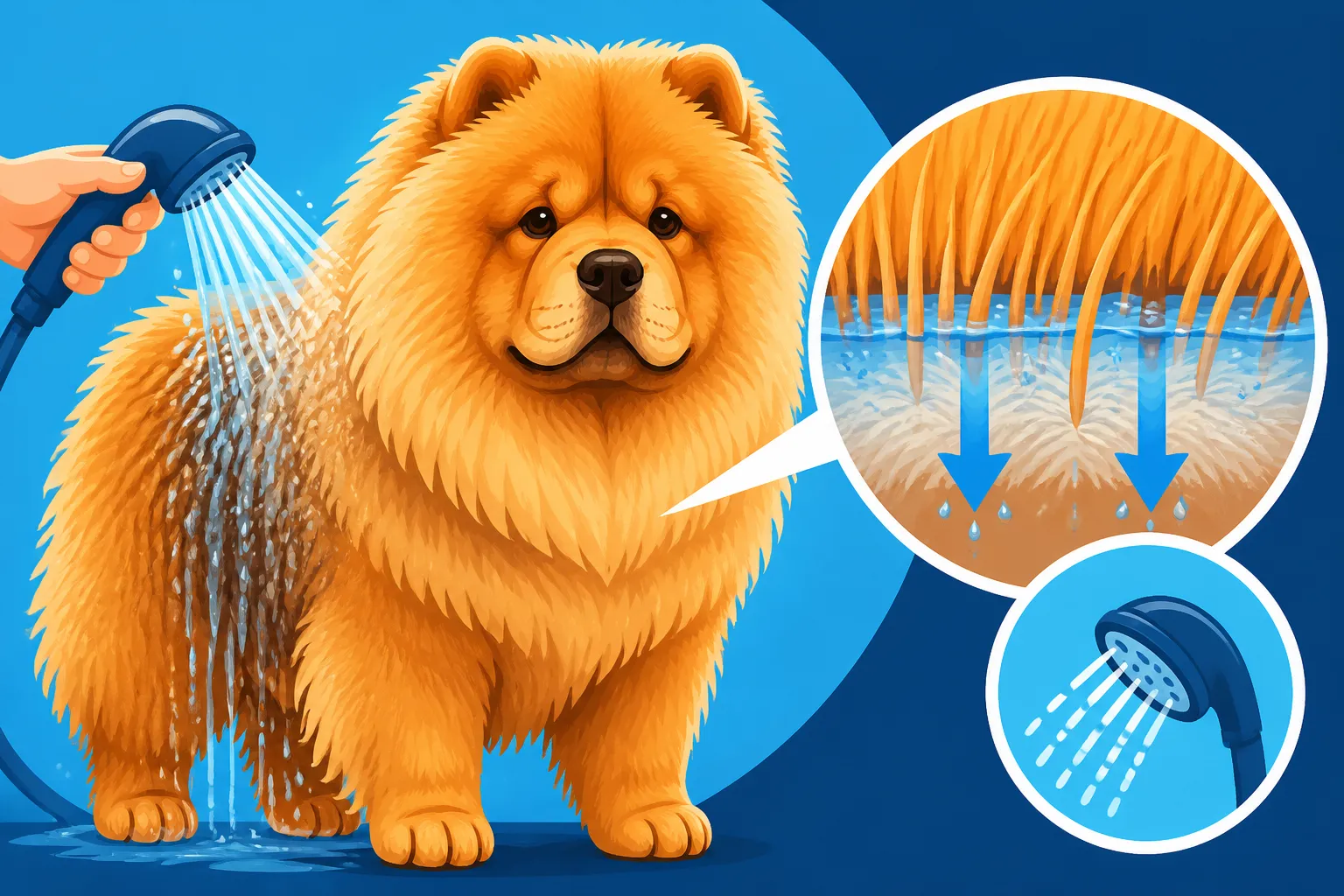
Once you've pre-blasted the coat, it's time for the water. Don't rely on a gentle shower nozzle. You need direct, strong water pressure to push through those remaining barriers. A shower sprayer attachment or even a dedicated bathing hose with good pressure will be your best friend. Start at the rear of your Chow Chow and work your way forward, section by section. Hold the nozzle close to the coat, parting the fur with your free hand to ensure the water stream hits the skin directly. Spend extra time on dense areas like the ruff, britches, and tail, as these are often the most challenging spots.
When it comes to shampoo, don't pour it straight onto the coat. That thick, undiluted shampoo will just sit on the surface, unable to penetrate. Instead, dilute your shampoo significantly in a separate cup or bottle – a good starting ratio is 1 part shampoo to 10-15 parts water. Pour this diluted mixture directly onto the wet coat, again working in sections, and then use your fingers to gently but firmly massage it down to the skin. You'll literally feel the difference as the diluted shampoo works its way through. This methodical approach ensures that the cleaning agents reach where they need to go, effectively lifting dirt and oils from the skin and undercoat.
Pre-Bathing Preparation: Brushing is Your Best Friend
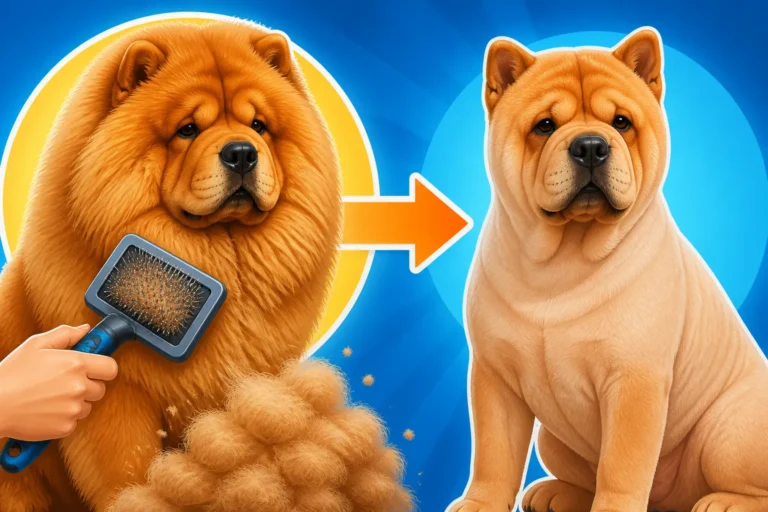
Before any water even touches your Chow Chow, an extensive and thorough brushing session is non-negotiable. This isn't just a quick surface brush; it needs to be a deep, line-by-line brushing that removes all tangles, mats, and loose undercoat. Mats are like impenetrable sponges; they will absolutely prevent water from reaching the skin beneath them, no matter how hard you try. Furthermore, matted fur will hold onto water longer, increasing the risk of skin irritation and infection.
So, grab your slicker brush and undercoat rake, and dedicate at least 30 minutes, or even an hour, to this crucial step. Work in small sections, parting the hair and brushing from the skin out. If you encounter any mats, gently work them out with a detangling spray and your fingers or a mat breaker, rather than cutting them out unless absolutely necessary. Brushing a Chow Chow's Mane Down to the Skin offers a detailed guide on how to perform this essential grooming task effectively. The more thoroughly you de-shed and de-mat before the bath, the easier it will be to wet the coat, apply shampoo, and rinse everything out completely. This proactive approach saves you headaches and ensures a healthier, cleaner result for your Chow Chow.
Troubleshooting Stubborn Spots and Ensuring a Full Clean
Despite your best efforts, there will likely be those few spots on your Chow Chow's coat that seem to defy all logic, stubbornly remaining dry or holding onto shampoo residue. Don't despair; these are common challenges that every Chow Chow owner faces, and there are ways to tackle them head-on.
Tackling Those Refractory Patches
You know the feeling: you've doused, massaged, and poured, and yet there’s that one patch, often behind an ear, on the britches, or under the belly, that just isn't cooperating. This is usually due to an even denser concentration of undercoat or perhaps a small, unnoticed mat. When you encounter these refractory patches, don't give up. Instead, focus your efforts. Hold the shower nozzle directly against the area, almost pushing the water into the coat. Use one hand to really work the water into the fur, parting the hairs as you go.
Another trick is to try soaking the area from underneath if possible, working against gravity. Sometimes the angle makes all the difference. For very stubborn spots, you might even consider a very small amount of concentrated shampoo, worked in with extreme diligence, to help break the surface tension of the water-resistant oils in the coat. Just be absolutely certain you rinse this area even more thoroughly afterward, as shampoo residue is the enemy. Patience is truly a virtue here, and remember, a completely wet coat is a completely clean coat.
The Critical Follow-Through: Drying to the Skin
Once your Chow Chow is thoroughly wet and lathered – and most importantly, completely rinsed – the next challenge is drying. This isn't just about making them fluffy; it's about preventing all those potential skin issues that arise from a damp undercoat. Just as getting water in is hard, getting it out is equally vital. A high-velocity dryer is, once again, your indispensable tool here. Towel-drying alone will simply not cut it for a Chow Chow's dense coat; it will only remove surface moisture.
You need to use the high-velocity dryer to literally blast the water out of the undercoat. Work in sections, holding the nozzle close to the skin and pushing the air through the fur. You'll see clouds of water spray off, and you'll feel the coat getting lighter and fluffier as it dries. Pay particular attention to the areas that were hardest to wet, ensuring they are bone dry. If left even slightly damp, the undercoat can quickly become a breeding ground for bacteria and fungi, leading to skin infections and that dreaded "wet dog smell" that lingers. Drying a Chow Chow completely takes time – often an hour or more – but it's essential for their health and comfort. How Long a Chow Chow Takes to Dry elaborates on the importance of this step.
Making Bath Time Easier for You and Your Chow
Bathing your Chow Chow doesn't have to be a battle, even with their challenging coat. With the right approach, you can make it a more positive experience for both of you, ensuring good hygiene without unnecessary stress.
Cultivating a Positive Bathing Routine
No one likes a stressed-out dog in the tub, especially when you're trying to perform a meticulous task like wetting a dense undercoat. Start by introducing the bathing area and tools gradually. Let your Chow Chow sniff the high-velocity dryer while it's off, then turn it on low in another room, slowly desensitizing them to the noise and sensation. Offer high-value treats (like those yummy morsels you can find from Ollie or Chewy) for calm behavior in the tub, even if it's just for a few seconds at first. Positive reinforcement is key; never force them or make bath time a punishment.
During the bath itself, speak in a calm, reassuring voice. Keep your movements deliberate and gentle. If your Chow Chow shows signs of stress, take a break. A positive association with bathing will make future sessions much smoother and less of a wrestling match. Remember, a Chow Chow is known for being somewhat independent; they respond best to cooperation, not confrontation. Teaching a Chow Chow to Be Brushed offers insights into how to build trust around grooming activities, which applies to bathing as well.
Optimal Bathing Frequency for Coat Health
One common question is how often a Chow Chow actually needs a bath. Because their coat is so dense and can be prone to skin issues if not properly dried, over-bathing is not recommended. Generally, a Chow Chow needs a thorough bath every 4-8 weeks, or as needed if they get particularly dirty. More frequent bathing can strip the natural oils from their skin and coat, potentially leading to dryness and irritation.
However, the key word here is thorough. A less frequent, but completely comprehensive bath, where you ensure the coat is fully wet, properly shampooed, completely rinsed, and dried to the skin, is far better than frequent, superficial baths. If your Chow Chow spends a lot of time outdoors or rolls in something particularly pungent, an extra bath is certainly warranted. Regular brushing between baths will help keep their coat clean, free of mats, and distribute those natural oils, reducing the need for very frequent washing. How Often a Chow Chow Should Be Bathed dives deeper into setting up a bathing schedule that works for your individual dog and lifestyle.
| Challenge | Solution | Key Tool/Technique | Benefit |
|---|---|---|---|
| Water beads on surface | Pre-blast coat with high-velocity dryer | High-velocity dryer | Separates undercoat, creates pathways for water |
| Shampoo doesn't reach skin | Dilute shampoo significantly (1:10-1:15 ratio) | Diluted shampoo in applicator bottle | Allows shampoo to penetrate dense undercoat |
| Stubborn dry patches persist | Direct nozzle close to skin, massage intensely | High-pressure shower sprayer | Forces water into concentrated undercoat areas |
| Coat feels heavy and damp post-bath | Thoroughly dry with high-velocity dryer | High-velocity dryer | Removes all moisture from undercoat, prevents skin issues |
| Dog resists bath time | Positive reinforcement, gradual introduction, treats | Treats (Ollie), calm voice, patience | Creates a positive association with bathing |
Disclaimer
This article is for general informational purposes only and does not constitute professional advice. Laws, prices and regulations vary by location and change over time. Consult a qualified professional for guidance on your specific situation.