How to Feed a Chow Chow to Reduce Bloat Risk
It’s a terrifying moment for any Chow Chow owner: you see your beloved, fluffy companion looking uncomfortable, restless, and then you notice the distended belly. The fear of bloat, or Gastric Dilatation-Volvulus (GDV), is a very real and valid concern for those of us who share our lives with Chows, given their unique build and genetic predispositions. This guide is here to break down exactly what bloat is, why our Chows are particularly susceptible, and, most importantly, how we can adjust their feeding routines and environment to significantly reduce this life-threatening risk.
Understanding Bloat and Why Chow Chows Are at Risk
When we talk about "bloat" in dogs, we're not just referring to a little gas or an upset tummy. We're talking about a sudden, severe, and rapidly progressing condition that requires immediate veterinary attention. For Chow Chows, with their deep chests and often stoic natures, understanding this risk is paramount.
What is Gastric Dilatation-Volvulus GDV?
Gastric Dilatation-Volvulus, or GDV, is a complex and life-threatening condition where a dog's stomach fills with gas, food, or fluid (dilatation) and then twists upon itself (volvulus). Imagine a balloon being inflated inside your dog's abdomen, and then that balloon suddenly knotting off its entrance and exit. When the stomach twists, it traps the gas and contents, preventing them from escaping. This twisting also cuts off blood supply to the stomach and often to the spleen. The pressure from the distended stomach can also compress major blood vessels, leading to shock and a cascade of other organ failures. It's not just discomfort; it's a full-blown emergency where every minute counts.
The speed at which GDV can progress is what makes it so terrifying. A perfectly fine Chow Chow could be playing one moment and be in critical condition just an hour or two later. The gas buildup quickly becomes painful, and the lack of blood flow starts causing tissue death. This isn't something that will "pass" on its own; it requires immediate and often extensive surgical intervention to untwist the stomach, release the gas, and secure the stomach in place to prevent future episodes.
Anatomical Reasons Chow Chows Are Prone to Bloat
While any deep-chested dog breed can suffer from GDV, Chow Chows, unfortunately, tick many of the boxes for increased risk. Their distinct physical structure plays a significant role. Chows have a body shape characterized by a deep, narrow chest. This conformation provides more space for the stomach to swing and twist, rather than being snugly held in place by surrounding organs. Think of it like a pendulum in a tall, narrow clock – it has ample room to sway.
Beyond their chest conformation, some theories suggest that temperament can also play a role, with anxious or stressed dogs potentially being at higher risk, though this connection is less clear-cut than the anatomical factors. Regardless, the combination of their deep chest and propensity for a more independent, sometimes reserved nature means owners must be extra vigilant. Understanding that this isn't just a random occurrence but a breed-specific vulnerability helps us take preventative measures seriously. Whether a Chow Chow Bloats delves deeper into the statistics and likelihood of this condition in our breed.
Recognizing the Urgency: Why Bloat is a Veterinary Emergency
The most crucial thing to understand about bloat is that it is always an emergency. This isn't a "wait and see" situation or something you can manage at home. If you suspect bloat, even slightly, you need to get your Chow Chow to an emergency veterinary clinic immediately. Delaying even an hour can drastically reduce their chances of survival. The internal damage, shock, and pain progress incredibly quickly.
When a Chow's stomach twists, blood flow is compromised not only to the stomach itself but also to other vital organs, leading to a rapid decline in overall health. The dog can go into shock, and even if the stomach is untwisted, there can be lasting damage from oxygen deprivation. This is why quick action is key. You don't have time to call your regular vet for an appointment; you need to head straight to the nearest emergency clinic, calling them on the way to let them know you're coming and what you suspect. They can then prepare for your arrival, potentially saving precious minutes. Signs a Chow Chow's Stomach Has Turned provides more detail on what symptoms to look for.
Choosing the Right Diet to Mitigate Bloat
What we feed our Chow Chows and how we present that food can have a significant impact on their risk for bloat. It's not just what they eat, but the form it comes in and how they consume it.
Dry Kibble vs. Other Food Types
For years, dry kibble has been the standard for feeding dogs, and it remains a convenient and often nutritious option. However, there's been much discussion regarding its role in bloat. Some studies have suggested that diets containing certain ingredients or those that expand significantly in the stomach might increase risk. The general consensus among many veterinarians is that large meals of dry kibble, especially if eaten quickly, can be a factor.
Alternative diets, such as wet food, raw food, or home-cooked meals, are sometimes suggested to reduce bloat risk due to their higher moisture content and often different digestion patterns. Wet food, for example, is already saturated with water, meaning it doesn't expand as much once ingested. If you're considering a complete dietary change, especially to a raw or home-cooked diet, it's absolutely vital to consult with a veterinary nutritionist to ensure your Chow Chow is receiving all the necessary nutrients in the correct balance. Simply swapping out kibble for cooked meat won't be enough. Brands like Ollie offer fresh, human-grade prepared meals that can be an alternative, but again, discuss with your vet to ensure it's suitable for your Chow Chow's specific needs and to understand the nutrient balance.
Ingredient Analysis: What to Look For and Avoid
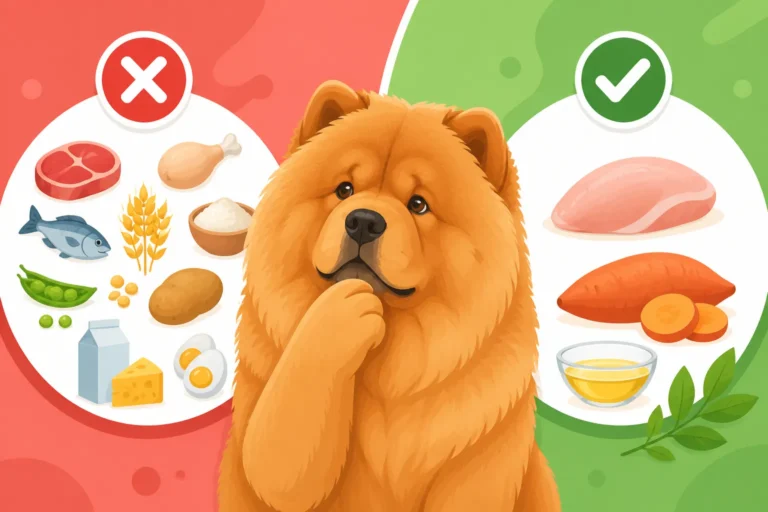
When you're scrutinizing dog food labels for your Chow Chow, particularly with an eye towards bloat prevention, some ingredients come up more often than others in discussions. Foods with fats or oils listed among the first four ingredients have, in some studies, been associated with a higher risk of bloat. This isn't a definitive cause, but it's something to consider. Similarly, certain grains, particularly those that expand rapidly when wet, have been historically implicated, although modern formulations have often mitigated this.
What you do want to see are high-quality protein sources (like chicken, beef, or lamb meal), digestible carbohydrates (like sweet potatoes or rice), and a good balance of fiber. Avoid foods with a long list of artificial colors, flavors, or unnecessary fillers. While definitive "bloat-proof" ingredients don't exist, choosing easily digestible, quality ingredients can contribute to overall gut health. If your Chow Chow has a Whether a Chow Chow Has a Sensitive Stomach, paying close attention to ingredients becomes even more critical for preventing general digestive upset, which, while not bloat, can cause discomfort. Remember, consistency is also important; sudden changes in diet can also trigger digestive issues.
The Role of Kibble Size and Shape
It might seem like a small detail, but the size and shape of your Chow Chow's kibble can play a surprisingly important role in how quickly they eat and how their digestive system processes food. Some research suggests that larger kibble sizes might actually reduce the risk of bloat, not because of the kibble itself, but because it forces the dog to chew more slowly, rather than gulping down tiny pieces. This slower eating can reduce the amount of air swallowed during meals.
Small, uniform kibble can be easily inhaled by enthusiastic eaters, leading to more swallowed air. If your Chow Chow tends to be a "gulper," opting for a larger kibble size might be a simple yet effective modification. However, ensure the kibble is still manageable for your Chow to chew comfortably. You can find a wide range of kibble sizes on platforms like Chewy or Amazon, allowing you to experiment to see what works best for your dog without causing choking hazards or disinterest.
Strategic Feeding Practices for Bloat Prevention
Beyond the type of food, how you feed your Chow Chow is arguably just as critical for reducing bloat risk. This involves everything from meal timing to the tools you use.
Meal Frequency and Portion Control
One of the most widely recommended strategies for bloat prevention is feeding multiple small meals throughout the day rather than one or two large ones. A large volume of food consumed at once can distend the stomach rapidly, increasing the chances of it twisting. Splitting your Chow Chow's daily food allowance into two, three, or even four smaller meals can significantly reduce this risk. For instance, if your adult Chow Chow typically eats How Many Cups a Day an Adult Chow Chow Eats, divide that into at least two or three servings spread out over the day.
This approach prevents the stomach from becoming excessively full at any one time, allowing for more gradual digestion. It also helps regulate blood sugar and energy levels, contributing to overall health. It requires a bit more planning and discipline on your part, but the peace of mind it offers is well worth the effort. For dogs who are particularly enthusiastic about their food, this also means less time with an uncomfortably full belly.
Elevated Bowls: Are They Helpful or Harmful?
The topic of elevated feeding bowls for bloat prevention has been a subject of debate for years. Historically, some veterinarians recommended elevated bowls, believing that they made eating more comfortable for large, deep-chested breeds and reduced the amount of air swallowed. However, more recent large-scale studies have suggested the opposite: that elevated feeding bowls might actually increase the risk of bloat, particularly in large and giant breeds. The exact reasons for this are not fully understood, but it's thought that eating from an elevated position might encourage dogs to eat faster or swallow more air.
Given these findings, the current recommendation from many veterinary professionals is to feed your Chow Chow from a bowl placed on the floor. While this might seem counterintuitive if you've heard older advice, it's best to err on the side of caution with new research. If your Chow Chow has an orthopedic condition that makes bending difficult, discuss alternative solutions with your vet that prioritize both joint health and bloat prevention.
Slow Feeders and Puzzle Toys
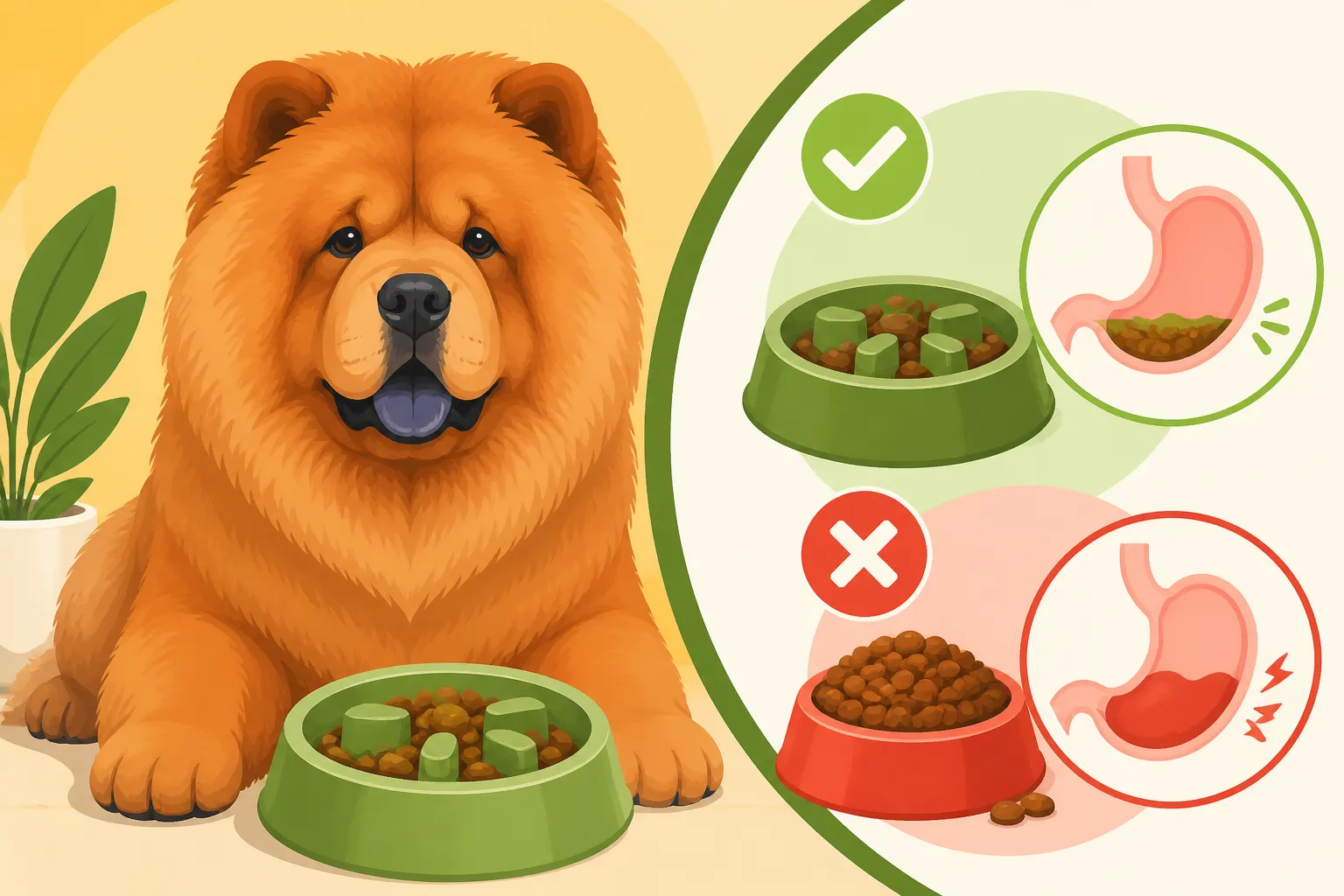
If your Chow Chow is a "speed eater" – devouring their meal in mere seconds – then slow feeder bowls or puzzle toys are an absolute game-changer for bloat prevention. These specialized bowls have ridges, mazes, or compartments that force your dog to work for their food, significantly slowing down their ingestion. This not only reduces the amount of air they swallow but also engages their brain, turning mealtime into a stimulating activity.
There are many different types available, from simple plastic bowls with raised patterns to more complex interactive toys that dispense kibble as your dog manipulates them. You can find a great selection of these on platforms like Amazon or Chewy. Starting with a less challenging slow feeder and gradually moving to more intricate designs can keep your Chow Chow engaged. Even if you feed multiple small meals, using a slow feeder for each meal adds an extra layer of protection by prolonging the eating process. This can also be a helpful tool if you've wondered What a Bored Chow Chow Does, as it provides mental stimulation.
| Bloat Prevention Strategy | Why it Helps | Considerations |
|---|---|---|
| Multiple Small Meals | Prevents stomach over-distension, allows gradual digestion. | Requires more owner effort/planning, can be managed with automatic feeders. |
| Ground Level Bowls | Studies suggest it may reduce bloat risk compared to elevated bowls. | May not suit dogs with severe joint issues; consult vet. |
| Slow Feeders/Puzzle Toys | Forces slower eating, reduces air gulping, provides mental stimulation. | Can be initially frustrating for dogs; choose appropriate difficulty. |
| Quality Ingredients | Supports overall digestive health, less likely to cause irritation. | Avoid high fat content in first ingredients; research reputable brands. |
| Large Kibble Size | Encourages chewing, slowing down ingestion. | Ensure kibble is not a choking hazard for your specific Chow. |
| Controlled Activity | Prevents stomach upset and twisting from exertion. | Strict adherence before and after meals is critical. |
Managing Your Chow Chow's Activity Around Mealtimes
It’s not just what or how your Chow Chow eats, but also what happens around those meals that can influence bloat risk. Managing activity and stress is a crucial, often overlooked, component of prevention.
The Critical "Rest Period" Before and After Eating
One of the most important, non-dietary preventative measures you can take is to establish a strict "rest period" around your Chow Chow's mealtimes. This means no strenuous exercise, rough play, or exciting activities for at least an hour before meals and ideally 1-2 hours after they finish eating. Intense activity, especially immediately after consuming food and water, can cause the stomach to slosh and tumble, making it more susceptible to twisting.
Imagine trying to run a sprint after eating a huge holiday meal – it's uncomfortable for us, and it can be dangerous for our dogs. During this critical window, encourage calm behavior. A short, leisurely potty break on a leash is fine, but avoid anything that causes panting, heavy breathing, or vigorous movement. This allows the food to settle and begin its digestive journey without unnecessary jostling. This rule applies even if your Chow Chow seems to eat What to Do When a Chow Chow Skips a Meal – a skipped meal still means the body is preparing for digestion, and routine is key.
Hydration Strategies
While it's crucial for your Chow Chow to stay well-hydrated, how and when they drink water around meals can also play a role in bloat prevention. Just like with food, gulping down a large quantity of water very quickly, especially after a meal or strenuous exercise, can contribute to stomach distension.
Always ensure your Chow Chow has access to fresh, clean water throughout the day. However, consider limiting access to large amounts of water immediately after a meal. Instead of an unrestricted bowl, you might offer smaller amounts more frequently over the hour or two following eating, or ensure their water is available but in a way that doesn't encourage frantic gulping. This is particularly important on warmer days when your Chow Chow might be thirstier. Given How Much Water a Chow Chow Drinks in Summer, you'll want to be especially mindful of hydration timing during hot weather.
Stress and Its Impact on Digestion
While not a direct cause, chronic stress or acute anxiety can contribute to digestive upset and potentially increase a dog's risk for various health issues, including bloat. Chows, with their often reserved and sensitive temperaments, can be particularly susceptible to environmental stressors. A Chow Chow who is eating in a chaotic household, feeling anxious, or experiencing significant changes in routine might be more prone to eating too quickly or having digestive irregularities.
Create a calm, consistent feeding environment for your Chow Chow. Feed them in a quiet spot where they won't be disturbed by other pets, children, or loud noises. Maintain a predictable feeding schedule to reduce anxiety around meal times. A relaxed dog is a dog whose digestive system can function more optimally. Consider how even subtle stressors, such as a crowded room or a stranger's presence, might impact your Chow Chow, especially considering Why a Chow Chow Is Hard to Examine at the Vet due to their reserved nature.
Monitoring for Bloat: Early Detection is Key
Even with all the preventative measures in place, it’s imperative to know the signs of bloat and act swiftly if they appear. Your Chow Chow’s stoic nature means you need to be observant.
Key Symptoms and What They Look Like in a Chow Chow
Recognizing the symptoms of bloat early is literally life-saving. Because Chow Chows can be quite stoic and often How a Chow Chow Hides Pain, you need to be extra vigilant. The earliest signs might be subtle:
- Restlessness and Pacing: Your Chow might seem uncomfortable, unable to settle, constantly shifting positions.
- Drooling: Excessive drooling without an obvious cause.
- Unsuccessful Vomiting/Retching: This is a hallmark sign. Your Chow will try to throw up, but nothing comes out, or only a small amount of foamy saliva. This is because the twisted stomach prevents contents from exiting.
- Distended Abdomen: The belly will appear swollen, tight, and painful to the touch. This can be harder to spot in very fluffy Chows, so you might need to feel their sides and underside.
- Pain: Your Chow may whine, groan, or snap if you try to touch their abdomen. They might stretch out as if trying to relieve pressure.
- Labored Breathing: As the stomach expands, it puts pressure on the diaphragm, making breathing difficult. Why a Chow Chow's Short Muzzle Cools Poorly means they already struggle with efficient breathing in stress, exacerbating this symptom.
- Weakness and Collapse: In advanced stages, your Chow Chow will become weak, gums might appear pale, and they could collapse due to shock.
Do not wait for all these symptoms to appear. Even one or two, especially repeated unsuccessful retching, should prompt immediate action.
What to Do If You Suspect Bloat
If you suspect bloat, follow these steps without delay:
- Do NOT wait. This is not a "monitor and see" situation. Every minute counts.
- Contact your nearest emergency veterinary clinic immediately. Call them while you are on your way to let them know you are coming and describe your Chow Chow's symptoms. This allows them to prepare for your arrival, potentially saving critical time.
- Transport your Chow Chow calmly and carefully. Avoid any jostling or rough handling.
- Do not try to administer home remedies. This includes trying to make them vomit, giving antacids, or "walking it off." These actions can worsen the situation or delay life-saving treatment.
The veterinary team will likely perform immediate diagnostics, including X-rays, to confirm GDV and assess the severity. They will then stabilize your dog for emergency surgery, which is the only definitive treatment for a twisted stomach.
Veterinary Intervention and Prognosis
Upon arrival at the emergency clinic, the veterinary team will work quickly to stabilize your Chow Chow. This typically involves placing intravenous catheters to administer fluids and medications for shock and pain. They will also attempt to decompress the stomach, often by inserting a tube down the esophagus or, if that's not possible, using a needle through the abdominal wall to release gas.
Once stabilized, surgery is performed to untwist the stomach and assess any damage to the stomach tissue or spleen. A crucial part of this surgery is a procedure called a gastropexy. During a gastropexy, the stomach is permanently tacked or sutured to the abdominal wall to prevent it from twisting again in the future. While a gastropexy prevents recurrence of the twist, it does not prevent the stomach from dilating (filling with gas). Therefore, even with a gastropexy, owners must remain vigilant about feeding practices. When a Chow Chow Should Have Its Stomach Tacked is a preventative measure often performed during other abdominal surgeries, like spaying or neutering, for at-risk breeds.
The prognosis for GDV depends heavily on how quickly treatment is initiated and the extent of internal damage. With prompt veterinary care, many Chow Chows can recover, but it's a serious and costly procedure with potential complications, even after successful surgery. Recovery involves intensive post-operative care, including pain management, monitoring for arrhythmias, and a careful reintroduction to food and water. This highlights the importance of prevention and rapid response.
Disclaimer
This article is for general informational purposes only and does not constitute professional advice. Laws, prices and regulations vary by location and change over time. Consult a qualified professional for guidance on your specific situation.