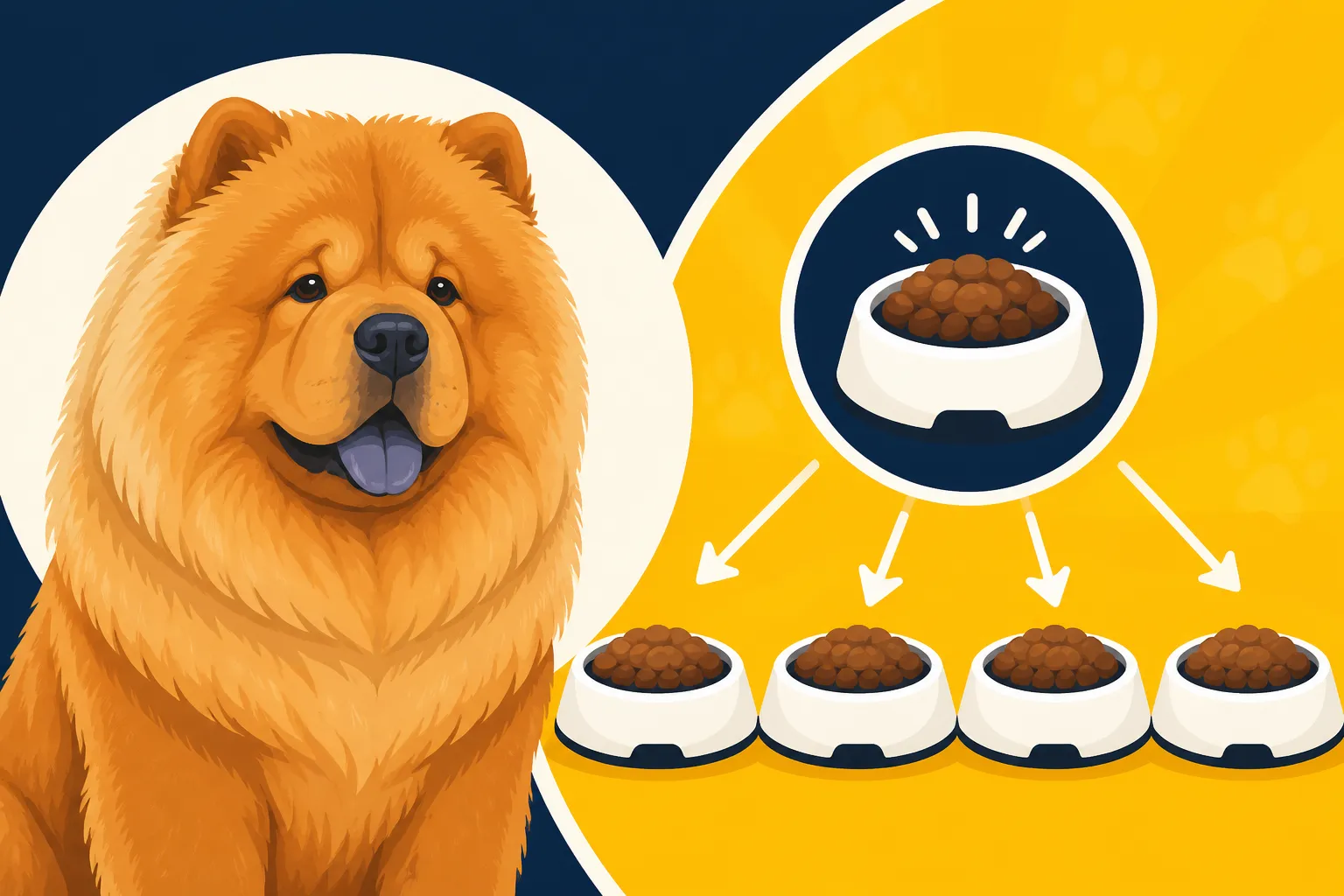
How Many Cups a Day an Adult Chow Chow Eats
It’s easy to look at your majestic, lion-like Chow Chow and assume they need a massive bowl of food, given their dense build and impressive coat. But many owners are often surprised – and sometimes worried – by how little their Chow Chow seems to eat compared to other large breeds. This guide will help you navigate the nuanced world of feeding an adult Chow Chow, so you can feel confident your furry companion is getting just the right amount to thrive.
The Baseline for an Adult Chow Chow's Daily Intake
When you first bring home an adult Chow Chow, whether from a breeder or a rescue, one of the immediate questions that pops up is, "How much should I be feeding them?" It's a valid concern, especially since Chows have such a unique build and temperament. You'll find that their needs might differ significantly from other dogs of a similar size, and understanding these differences is key to their long-term health.
Why Chow Chows Often Eat Less Than Expected
One of the biggest surprises for new Chow Chow owners is often their dog's relatively modest appetite. You might expect a dog of their stature, typically weighing between 45 and 70 pounds, to consume a large amount of food. However, Chow Chows are not high-energy, fast-paced dogs. They possess a more stoic, deliberate nature, and this extends to their metabolism. They aren't constantly burning calories like a Border Collie or a Labrador, who might be zipping around all day. Their historical roles as guards and companions rather than active working dogs have shaped a more efficient metabolism. They are built for endurance, not bursts of speed, and this translates into lower caloric requirements.
Furthermore, their dense double coat, while beautiful, also acts as excellent insulation. Unlike breeds with thinner coats that might need more internal fuel to maintain body temperature in cooler climates, the Chow Chow is well-equipped to stay warm. This means less energy is expended on thermoregulation, again reducing their overall caloric need. It's not uncommon for a Chow Chow to eat substantially less than the recommended amount for their weight class on a generic dog food bag. If you're concerned your Chow Chow is a fussy eater, don't automatically assume something is wrong; it might just be their natural inclination.
Calculating the Starting Point for Calories
While every dog food bag provides a feeding guideline, these are often broad averages and don't always account for breed-specific nuances or individual metabolism. For a typical adult Chow Chow, you might be looking at around 2 to 3 cups of high-quality kibble per day, divided into two meals. This can vary widely, of course, based on the caloric density of the food itself. Some premium kibbles pack more nutrition into less volume.
To get a more precise starting point, look for the "kcal/cup" (kilocalories per cup) on your dog food label. An average adult Chow Chow needs approximately 800-1200 calories per day. This is a general range, and again, it depends heavily on their activity level and individual metabolism. For instance, a very sedentary Chow Chow might need closer to the lower end, while one who enjoys more active walks or playtime might require more. It's a good idea to consult your veterinarian to help determine the ideal caloric intake for your specific dog. They can take into account factors like age, weight, and any underlying health conditions. Remember, these are just starting points; the real test comes from monitoring your Chow Chow's body condition over time.
Measuring Accurately Matters
You might think "a cup is a cup," but when it comes to dog food, precision can make a huge difference. Guessing with a random scoop or even using a human measuring cup designed for liquid can lead to over or underfeeding. Dog food manufacturers usually measure by weight, and cups are an estimation. Using a standard, dry measuring cup (like those for baking) designed for scooping kibble is a good start.
However, for absolute accuracy, especially if your Chow Chow is prone to weight gain or has specific dietary needs, investing in a digital pet food scale is incredibly beneficial. This allows you to measure their food by weight (grams or ounces) which is far more consistent than volume. Overfeeding by just a quarter cup a day might not seem like much, but over weeks and months, those extra calories can add up, leading to unhealthy weight gain. Given that Chow Chows can be prone to joint issues, maintaining a healthy weight is paramount. Keeping a Chow Chow at the Weight Its Elbows Can Carry is crucial for their comfort and mobility as they age.
Factors That Influence Your Chow Chow's Food Needs
Determining the exact amount of food for your Chow Chow isn't a one-size-fits-all equation. It's a dynamic process that requires observation and adjustment based on several key factors. What works for one Chow Chow might not work for another, even if they're from the same litter.
Activity Level and Lifestyle
This is perhaps the most significant variable in your Chow Chow's daily caloric needs. A Chow Chow that spends most of its day napping on the couch (which, let's be honest, is a pretty typical Chow Chow pastime!) will require significantly less food than one who gets regular, moderate exercise.
Consider these scenarios:
- The Couch Potato Chow: If your Chow Chow's daily activity primarily consists of a leisurely walk around the block, a few trips to the backyard, and a lot of snoozing, their caloric needs will be on the lower end of the spectrum. They're simply not burning many calories.
- The Moderately Active Chow: Perhaps your Chow Chow enjoys two 30-minute walks a day, some structured playtime, or accompanies you on errands that involve a bit more movement. This increased activity will require a slight bump in their food intake.
- The (Rare) Active Chow: While not typical, some Chows might engage in more strenuous activities, such as consistent, brisk walks, or even certain dog sports like obedience or rally (though their build isn't suited for high-impact activities). These dogs, if they exist, would naturally need more fuel.
It's vital not to conflate their dense coat with high energy. Their plush fur keeps them warm, but it doesn't mean they need to run for miles. In fact, due to their thick coats and somewhat brachycephalic (short-nosed) tendencies, Chows are particularly prone to Why a Chow Chow Overheats So Easily. Pushing them into excessive exercise, especially in warm weather, can be dangerous. Therefore, their "activity level" is generally on the lower side compared to many other breeds, and their food should reflect that.
Age, Health, and Metabolism
Just like humans, a Chow Chow's nutritional needs evolve throughout their life.
- Young Adults (1-5 years): These are generally in their prime, and their metabolism is relatively stable. They often require the baseline amount of food discussed earlier, adjusted for their activity.
- Middle-Aged (6-8 years): As Chows enter their middle years, their metabolism can begin to slow down. If their activity level also decreases, you might need to slightly reduce their food intake to prevent unwanted weight gain.
- Seniors (8+ years): The Age a Chow Chow Is Considered Senior typically starts around eight years. Senior Chows often become even less active, and their metabolism slows further. They may also develop health conditions that affect their appetite or nutrient absorption. Many senior dog foods are lower in calories and higher in fiber and joint-supporting ingredients. It’s crucial to monitor their weight closely and adjust their diet accordingly as they age, possibly switching to a senior-specific formula.
Health conditions can also impact how much an adult Chow Chow eats. A dog recovering from surgery, or managing a chronic illness, might have different caloric needs. For example, a dog with an autoimmune disease might have specific dietary requirements, or one with kidney issues may need a low-protein diet. Always consult your veterinarian if your Chow Chow experiences sudden changes in appetite or weight.
The Quality of Food Makes a Difference
Not all dog foods are created equal, and the quality of the ingredients directly impacts the caloric density and nutritional value. A cheaper, filler-heavy kibble might require you to feed more cups to meet your Chow Chow's nutritional needs, but it might also contain ingredients that are harder to digest or less beneficial.
High-quality dog foods, often found at specialty pet stores or through reputable online retailers like Chewy or Amazon, tend to use more digestible proteins and fats, and fewer unnecessary fillers. This means that a smaller quantity (fewer cups) of premium food can provide the same or even better nutrition than a larger quantity of a lower-grade food.
Consider what goes into the food:
- Protein Sources: High-quality animal proteins (chicken, beef, lamb, fish) are essential for muscle maintenance and overall health.
- Fats: Healthy fats provide concentrated energy and are important for skin and coat health.
- Carbohydrates: Complex carbohydrates provide sustained energy.
- Vitamins and Minerals: These are crucial for bodily functions.
If you're exploring fresh food options, brands like Ollie offer pre-portioned meals based on your dog's specific profile. These often have higher moisture content and nutrient density, meaning the physical "cups" might look different, but the caloric intake can be highly efficient. The key is to ensure the food provides complete and balanced nutrition for an adult dog, regardless of whether it's kibble, wet food, or a fresh diet.
Avoiding Common Feeding Pitfalls with Your Chow Chow
Successfully feeding your Chow Chow isn't just about the number of cups; it's also about avoiding common mistakes that can lead to health issues or poor eating habits. Understanding these pitfalls will help you ensure your Chow Chow leads a long, healthy life.
The Dangers of Overfeeding
Given their propensity to eat less than expected, overfeeding a Chow Chow is a real and dangerous trap. Those extra calories, even small amounts over time, can accumulate rapidly, leading to excess weight. This isn't just about aesthetics; obesity significantly impacts their health.
Here’s why overfeeding is particularly problematic for Chows:
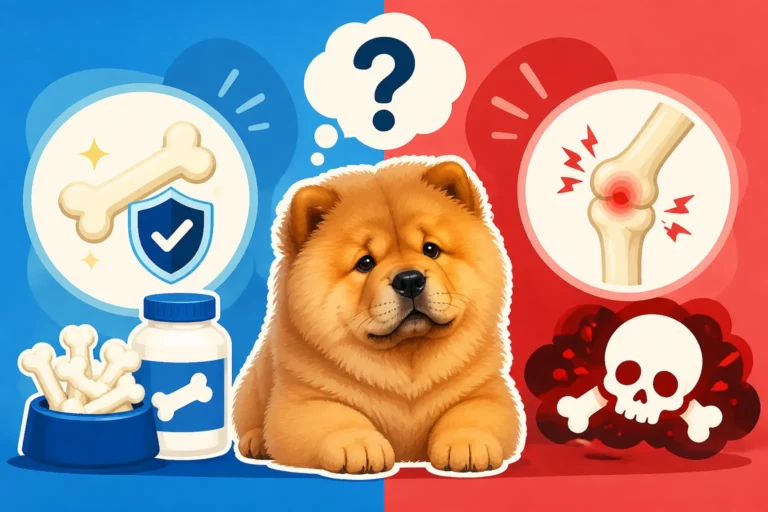
- Joint Strain: Chow Chows are unfortunately predisposed to orthopedic issues like Elbow Dysplasia Ranks the Chow Chow Near the Top and hip dysplasia. Carrying extra weight puts immense strain on these already vulnerable joints, exacerbating pain and accelerating the progression of arthritis. This can drastically reduce their quality of life and mobility.
- Heat Intolerance: With their dense double coat, Chows already struggle with heat regulation. Carrying additional fat acts as an extra layer of insulation, making them even more susceptible to overheating, especially in warmer climates or during even moderate exercise. Signs a Chow Chow Is in Heat Stroke can escalate rapidly, making weight management a critical preventative measure.
- Increased Risk of Bloat: While the exact mechanisms aren't fully understood, feeding large meals can increase the risk of Gastric Dilatation-Volvulus (GDV), commonly known as bloat, a life-threatening condition where the stomach fills with gas and can twist. Chows, being a deep-chested breed, are at higher risk. Dividing their daily food into two smaller meals is one way to help How to Feed a Chow Chow to Reduce Bloat Risk.
- Other Health Issues: Obesity is linked to diabetes, heart disease, certain cancers, and a shortened lifespan in dogs. You might think those extra treats are a sign of love, but they can unintentionally contribute to serious health problems.
It's tempting to want to give your beloved Chow Chow every tasty morsel, but showing restraint in their diet is truly one of the kindest things you can do for their long-term well-being.
When Your Chow Chow Is a Fussy Eater
If you're accustomed to dogs that scarf down their food in seconds, a Chow Chow's eating habits might baffle you. Many Chow Chows are notoriously picky or indifferent eaters. They might graze throughout the day, skip meals entirely, or turn their nose up at perfectly good food. This can be a source of stress for owners, who worry their dog isn't getting enough nutrition.
Here are a few tips if your Chow Chow is a fussy eater:
- Rule out medical issues: First, a vet visit is always warranted if a previously good eater suddenly becomes fussy, or if a fussy eater shows other signs of illness. Sometimes, dental pain or an underlying condition can cause a reluctance to eat.
- Stick to a schedule: Offer food at specific times, usually twice a day, for about 15-20 minutes. If they don't eat it, pick it up until the next mealtime. This teaches them that food is available at certain times, not constantly.
- Avoid free-feeding: Leaving food out all day can lead to a dog who never feels hungry and simply nibbles out of boredom.
- Limit treats: If your Chow Chow is filling up on treats, they won't be hungry for their main meals. Treats should be minimal and used for training.
- Consider food toppers: A spoonful of plain yogurt, a little low-sodium broth, or a cooked egg can sometimes entice a picky eater. Be mindful of added calories, though.
- Evaluate the food quality: Some Chows simply don't find certain kibbles palatable. Experimenting with different high-quality brands or even types of food (e.g., trying a freeze-dried raw or a fresh-cooked option from a service like Ollie) might reveal their preference.
- Don't hover: Stand back and let them eat. Some Chows feel pressured if their owner is staring at them during mealtime.
It's common for a Chow Chow to eat less than you might expect for their size, and a healthy, active Chow Chow who skips a meal occasionally is usually fine. As long as they maintain a healthy weight and aren't showing signs of illness, don't let their pickiness cause you too much anxiety.
Monitoring Weight and Body Condition
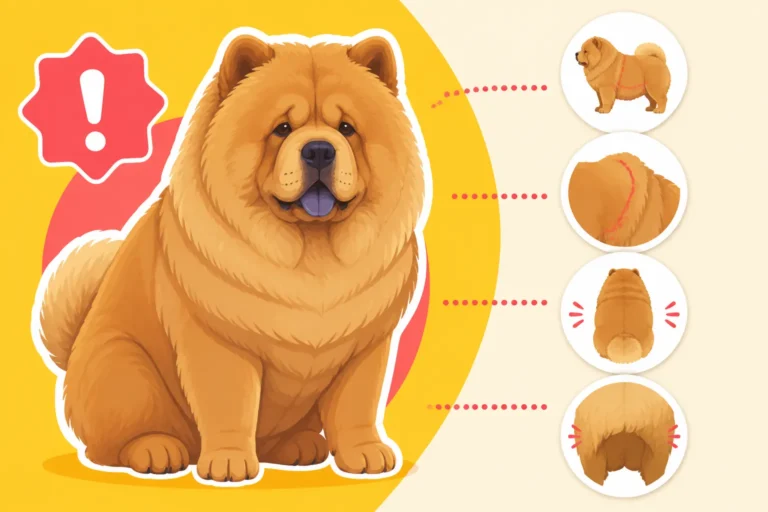
The ultimate indicator of whether you're feeding your Chow Chow correctly isn't the number on the food bag or how many cups you serve; it's their actual body condition. Because of their thick coat, it can be deceptively difficult to assess their weight visually. A fluffy Chow Chow can hide a multitude of sins, from being underweight to significantly overweight.
Here's how to properly assess your Chow Chow's body condition:
- Feel, Don't Just Look: You need to get hands-on. Run your hands along their sides. You should be able to easily feel their ribs, but not see them prominently. If you have to press hard to feel the ribs, your Chow Chow is likely overweight. If the ribs are visible without much effort, they might be underweight.
- Check the Waistline: When viewed from above, your Chow Chow should have a discernible (though subtle) waist tucking in behind their ribcage. If they look like a solid block or bulge outwards, they are carrying too much weight.
- Assess the Tummy Tuck: From the side, their abdomen should gently tuck up from their chest to their hind legs, not hang low or be parallel to the ground.
- Regular Weigh-Ins: While not always easy with a large dog, try to weigh your Chow Chow periodically at home or at the vet. This gives you an objective measure to track changes over time. What an Adult Chow Chow Should Weigh falls within a range, but the ideal weight is unique to each individual based on their frame and muscle mass.
| Body Condition Score | Description | What to Feel/See on a Chow Chow (Hands-On) | Action Required |
|---|---|---|---|
| Too Thin | Ribs, spine, pelvic bones easily visible; no fat. | Ribs feel like knuckles, visible through coat. | Increase food gradually, vet check recommended. |
| Ideal | Ribs easily palpable; waist discernible; abdominal tuck. | Ribs feel like the back of your hand; slight waist when pressed. | Maintain current feeding. |
| Overweight | Ribs difficult to feel; no waist; abdomen sags. | Ribs feel hidden under a layer of padding; no discernible waist. | Reduce food, increase exercise, monitor closely. |
| Obese | Ribs impossible to feel; significant fat deposits. | Deep fat layer, very difficult to feel ribs; distended abdomen. | Significant dietary changes, vet intervention. |
If you notice Signs a Chow Chow Is Overweight, it's time to re-evaluate their food intake and activity. It’s much easier to prevent weight gain than to Getting Weight Off a Chow Chow, especially with a breed that isn't naturally inclined to high-energy exercise. By paying close attention to their body condition and adjusting their food as needed, you'll be giving your Chow Chow the best chance at a healthy, happy life.
Disclaimer
This article is for general informational purposes only and does not constitute professional advice. Laws, prices and regulations vary by location and change over time. Consult a qualified professional for guidance on your specific situation.