When a Chow Chow Should Have Its Stomach Tacked
It's a gut-wrenching moment no Chow Chow owner ever wants to face: you walk into the room, and your beloved companion is restless, panting, trying to vomit but nothing comes up, and their belly is visibly swelling. This terrifying scenario describes bloat, or Gastric Dilatation-Volvulus (GDV), a life-threatening emergency that can strike quickly and silently. For Chow Chow parents, understanding the risks and preventive measures, like when a Chow Chow should have its stomach tacked, isn't just wise — it's absolutely crucial for their well-being. This guide will walk you through everything you need to know about this procedure and how to protect your fluffy friend.
Understanding Gastric Dilatation-Volvulus (GDV) and Your Chow Chow's Risk
Let's not sugarcoat it: Gastric Dilatation-Volvulus, commonly known as bloat, is one of the most feared conditions among large and deep-chested dog owners, and Chow Chows fall squarely into that high-risk category. It's not just an upset stomach; it's a rapidly progressing, incredibly painful, and often fatal condition if not treated immediately.
The Terrifying Reality of Bloat in Deep-Chested Breeds
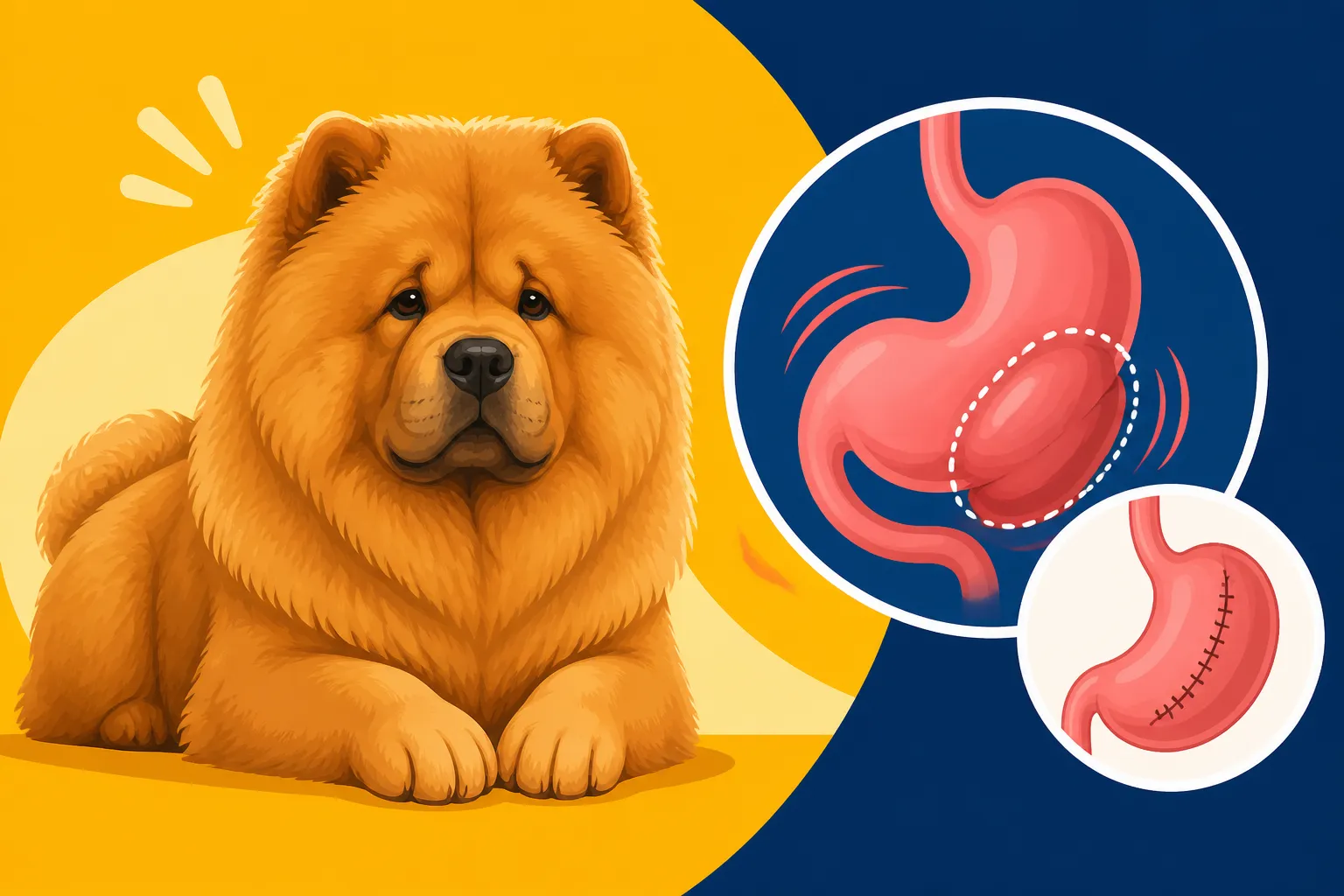
Bloat begins when a dog's stomach rapidly fills with gas and often fluid. This initial distension, or dilatation, is painful enough. However, the true horror of GDV happens when the stomach then twists on its axis, a process called volvulus. Once twisted, both the entrance and exit of the stomach are sealed off, trapping gas and food inside. This cuts off blood supply to the stomach, leading to tissue death, and puts immense pressure on other organs. The dog can quickly go into shock, and without emergency surgery, death is almost certain.
The symptoms are often unmistakable but can progress with frightening speed. You might notice your Chow Chow pacing restlessly, drooling excessively, attempting to vomit without producing anything (this is often called "non-productive retching"), and exhibiting obvious signs of severe discomfort or pain. Their abdomen, particularly on the left side behind the ribs, might appear visibly swollen and feel tight to the touch. This isn't something you can "wait and see" with; every minute counts.
Why Chow Chows Are Particularly Susceptible
Chow Chows, with their distinctive compact, muscular build and deep chests, are unfortunately predisposed to GDV. It’s not just about their barrel-chested appearance; genetic factors and the anatomy of their chest cavity play a significant role. The exact mechanics are complex, but the generally accepted theory is that dogs with a deep, narrow chest have more room for the stomach to swing and twist when it becomes distended.
Beyond their physical conformation, other factors can increase a Chow Chow's risk. Eating too quickly, consuming one large meal a day instead of smaller, more frequent ones, drinking large amounts of water immediately after eating, or engaging in strenuous exercise right after a meal are all common culprits. Stress and anxiety have also been implicated as potential triggers. As discussed in our article, Whether a Chow Chow Bloats, it's a concern every owner should be acutely aware of.
Prophylactic Gastropexy: Preventing a Crisis
Given the rapid onset and high mortality rate of GDV, many Chow Chow owners (and their veterinarians) opt for a proactive approach: prophylactic gastropexy. This elective surgical procedure can dramatically reduce the risk of a fatal gastric torsion.
What Stomach Tacking (Gastropexy) Actually Does
Gastropexy, or stomach tacking, is a surgical procedure where the stomach is permanently attached to the inner wall of the abdomen. Think of it like securing a hammock to a fixed point, preventing it from flipping over. While it doesn't entirely prevent the stomach from distending with gas (dilatation), it does prevent it from twisting (volvulus), which is the life-threatening component of GDV. If a gastropexied dog still bloats, it will be a simpler, less dangerous case of distension that can often be resolved without emergency surgery.
The procedure can be performed in a couple of ways. Traditionally, it's done via open abdominal surgery, where the surgeon makes an incision to access the stomach and manually attach it. More commonly now, especially with the rise of specialized veterinary practices, it can be done minimally invasively using laparoscopic techniques. This involves small incisions and a camera, leading to less pain and a faster recovery for your Chow Chow. Both methods aim for the same result: a securely anchored stomach.
Ideal Timing for the Procedure
Deciding when to have your Chow Chow's stomach tacked is a common question, and for many, the most practical and recommended approach is to combine it with another planned surgery. The most frequent scenario is performing the gastropexy at the same time as spaying or neutering. This means your Chow Chow undergoes anesthesia only once and experiences a single recovery period, making it less stressful for both you and your dog.
Typically, this combined surgery happens when a Chow Chow is between six months and two years of age. At six months, puppies are generally robust enough to handle the surgery, and it's before they reach full adult size where the risk of bloat starts to significantly increase. While it can be done at any age, doing it preventatively in a young, healthy dog carries fewer risks than performing it during an emergency situation or on an older dog with other health concerns. Discussing the ideal timing with your vet, considering your Chow Chow's age and overall health, is key. You can also explore the cost implications, as outlined in What Spaying or Neutering a Chow Chow Costs. It’s also wise to consider Whether a Chow Chow Tolerates Anesthesia when planning any surgical procedure.
The Pros and Cons of Elective Gastropexy
Like any medical procedure, elective gastropexy comes with its own set of advantages and considerations. The primary benefit is undeniable: it dramatically, almost entirely, eliminates the risk of fatal GDV. This provides immense peace of mind for owners, knowing they've taken a significant step to protect their companion from a truly devastating condition. In the long run, it could also be a cost-saving measure, as the expense of prophylactic gastropexy is typically a fraction of what emergency bloat surgery costs. Consider the potential expense if your dog experiences a severe health crisis, such as What Heat Stroke Costs to Treat in a Chow Chow, and you'll quickly see the financial benefit of prevention.
On the flip side, it is still a surgical procedure. There are inherent, albeit low, risks associated with general anesthesia, even for healthy dogs. Post-operative complications, though rare, can include infection at the incision site, pain, or temporary discomfort. There's also the upfront financial cost, which, while less than an emergency, still requires budgeting. However, for most Chow Chow owners, the profound reduction in GDV risk far outweighs these concerns, transforming a potential crisis into a manageable, planned event.
Making the Informed Choice for Your Chow Chow
Deciding whether or not to pursue prophylactic gastropexy for your Chow Chow is a deeply personal choice, but it's one best made with all the facts and in close consultation with your veterinary team.
Discussing Options with Your Veterinarian
Your veterinarian is your most valuable resource in making this decision. They know your Chow Chow's individual health history, temperament, and can assess any unique risks or considerations. Don't hesitate to schedule a dedicated appointment to discuss GDV risk, the gastropexy procedure, and suitable timing. This is also an excellent opportunity to review your Chow Chow's overall health and family history. If you know the lineage, finding out if bloat has occurred in immediate relatives can inform your decision, as some lines may carry a higher genetic predisposition.
During this discussion, ask about the specific technique your vet or a referred surgeon would use (open vs. laparoscopic), their experience with the procedure, and what the pre-operative and post-operative care would entail. A thorough conversation ensures you feel comfortable and fully informed. Remember, regular check-ups are vital for overall health, as detailed in What a Chow Chow's Yearly Exam Costs.
Financial Considerations and Pet Insurance
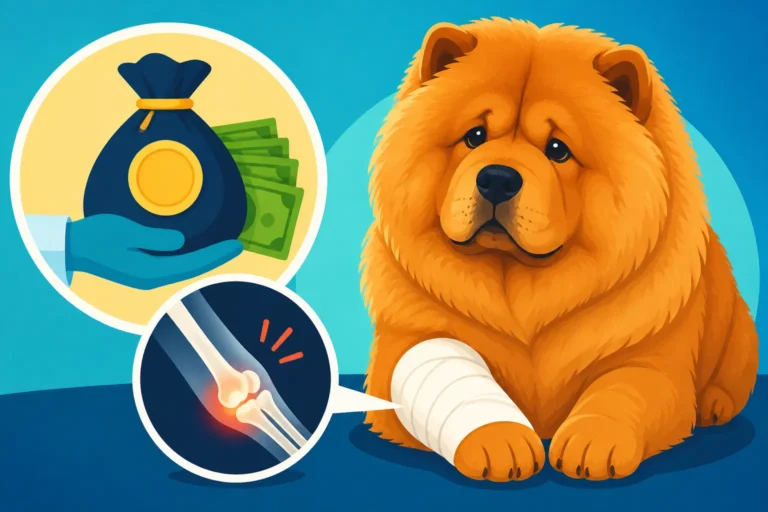
Let's be realistic: veterinary care can be expensive. Prophylactic gastropexy, while a planned procedure, still represents a significant investment. Costs can vary widely depending on your location, the type of clinic (general practice vs. specialty surgical center), and whether it's combined with another surgery like a spay or neuter. You might expect to pay anywhere from $800 to $2,500, or even more for laparoscopic options in some areas.
However, compare that to the cost of emergency GDV surgery, which can easily range from $3,000 to $10,000 or more, especially if it happens in the middle of the night or on a holiday weekend, requiring extensive hospitalization and critical care. While pet insurance providers like Healthy Paws are fantastic for covering unexpected emergencies and accidents, it's crucial to understand that preventative procedures like gastropexy are typically not covered. Policies are designed to cover unforeseen illnesses and injuries. It's always best to check with your specific provider directly to clarify what your plan covers. Having pet insurance can certainly soften the blow for other health issues that might arise as your Chow Chow ages, as discussed in What Pet Insurance Costs on a Chow Chow at Eight. Even though Healthy Paws might not cover this preventative step, it's invaluable for peace of mind when other unexpected issues occur down the line.
Recovery and Post-Operative Care
After the gastropexy, your Chow Chow will need a period of careful recovery, typically lasting about 10 to 14 days. During this time, activity will need to be strictly limited. This means no running, jumping, stairs, or rough play. Leash walks for potty breaks only will be the norm. Your vet will likely provide pain medication, and it's essential to follow their instructions precisely to keep your Chow Chow comfortable.
You'll also need to monitor the incision site daily for any signs of redness, swelling, discharge, or if your dog is licking or chewing at it. An E-collar (the "cone of shame") will likely be necessary to prevent them from interfering with the stitches. This recovery period is crucial for proper healing and to ensure the stomach forms a strong adhesion to the abdominal wall. The principles are similar to recovering from other surgeries, like those discussed in How Long a Chow Chow Recovers From Eye Surgery.
Living with Peace of Mind (and Continued Vigilance)
Undergoing prophylactic gastropexy for your Chow Chow is a significant step towards safeguarding their health, offering you considerable peace of mind, but it’s not an excuse to let your guard down entirely.
The Lifelong Benefits of Prophylactic Gastropexy
The most profound benefit of gastropexy is the dramatic reduction in the risk of fatal GDV. While no procedure offers 100% guarantees, this one comes incredibly close to eliminating the twisting component. This means you can worry less about one of the most terrifying emergencies that can befall a deep-chested breed. It allows your Chow Chow to live a fuller, happier life without this constant, looming threat. You’ll still want to practice good feeding habits—smaller, more frequent meals, elevated bowls, and avoiding exercise right after eating—to prevent simple bloat, but the fear of a twisted stomach will largely be alleviated.
Other Health Considerations for Your Chow Chow
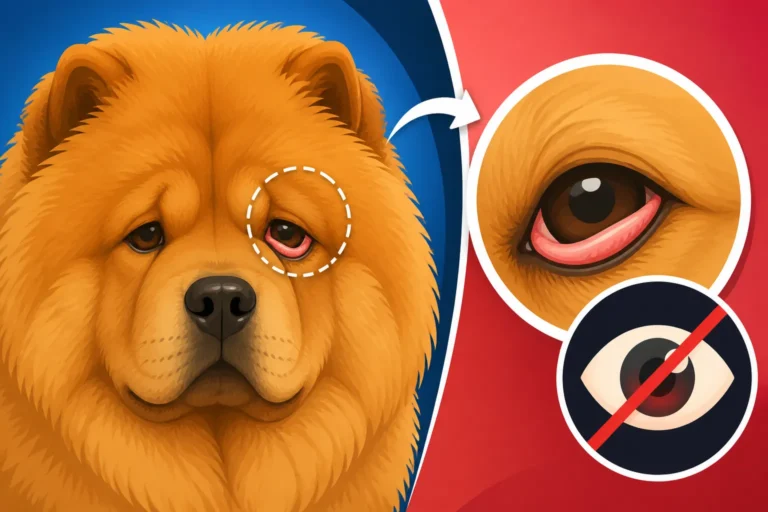
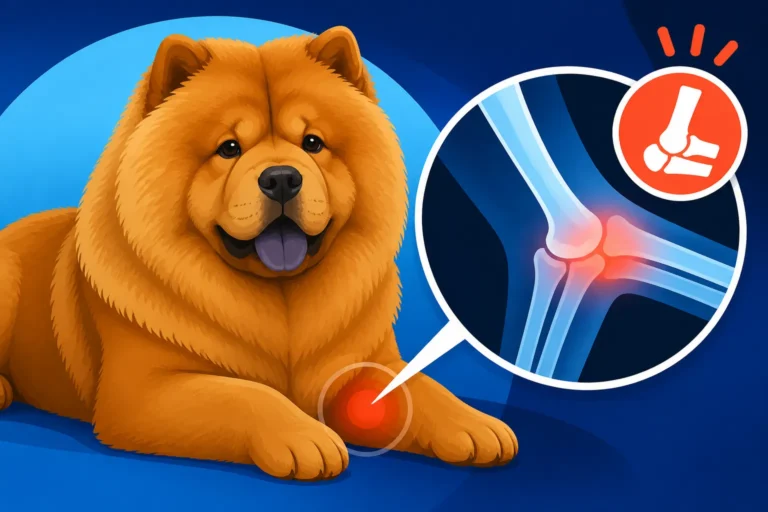
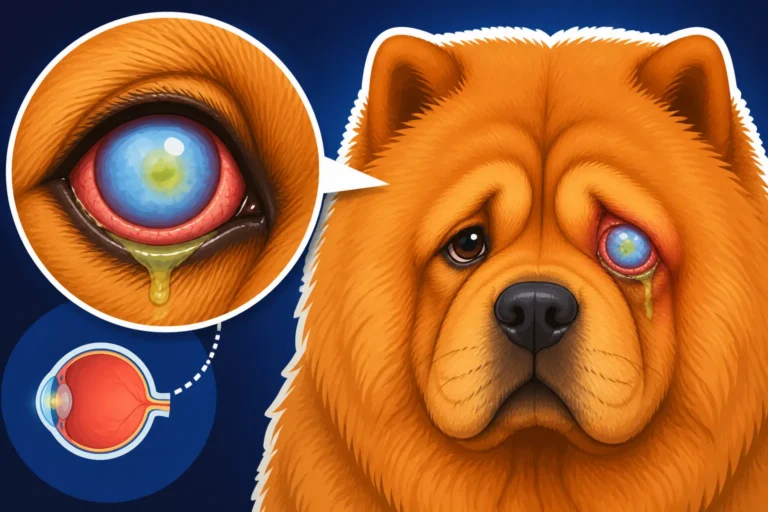
While gastropexy addresses a critical health risk, it's important to remember that it's just one piece of the puzzle when it comes to your Chow Chow's overall health. This wonderful breed can be prone to other genetic and hereditary conditions that require vigilance. For instance, their unique facial structure can lead to problems like entropion, as explained in Entropion Is the Chow Chow's Signature Problem, where the eyelid rolls inward, irritating the eye. Joint issues, such as Elbow Dysplasia Ranks the Chow Chow Near the Top, are also concerns that can impact their quality of life.
Maintaining a healthy weight, providing appropriate exercise, and a balanced diet are all ongoing responsibilities. Pet insurance, like that offered by Healthy Paws, can be incredibly beneficial for these other unexpected health challenges, providing a financial safety net for treatments that might arise during their The Eight to Twelve Years a Chow Chow Gets.
The Importance of Regular Veterinary Check-ups
Even with a gastropexy, your Chow Chow still needs regular veterinary care. Annual (or even twice-yearly for seniors) wellness exams are crucial for monitoring their overall health, catching any new issues early, and ensuring they are thriving. Vets can assess joint health, dental hygiene, perform routine blood work, and discuss any behavioral or dietary changes you might have noticed. These routine visits are where potential problems are identified before they become major concerns.
These check-ups are an investment in your Chow Chow's long-term health and happiness. For more insights on how often your Chow Chow should see the vet, check out How Often a Chow Chow Needs a Wellness Exam. Being proactive about their health means staying ahead of potential issues, allowing them to enjoy many happy years by your side.
Here's a comparison to help you weigh the decision:
| Feature | Emergency GDV Surgery | Prophylactic Gastropexy |
|---|---|---|
| Timing | Unplanned, immediate, life-threatening crisis | Planned, elective, preventative |
| Cost | Very high ($3,000 – $10,000+), often after-hours | Moderate ($800 – $2,500), can be combined with other surgeries |
| Risk to Dog | High mortality rate (15-40%), severe pain, complications | Low (general anesthesia risks), relatively safe |
| Procedure | Untwist stomach, tack stomach, assess organ damage | Tack stomach to body wall |
| Recovery | Intensive post-op care, longer, more complicated | Relatively straightforward, 10-14 days restrictions |
| Stress Level | Extremely high for dog and owner | Low to moderate |
| Insurance Coverage | Often covered (check policy limits/deductibles) | Rarely covered (considered elective preventative) |
Disclaimer
The information provided in this article is for general informational purposes only and is not a substitute for professional veterinary advice. Always consult with a qualified veterinarian regarding your Chow Chow's health, medical conditions, and treatment options. Medical decisions should be made in consultation with a veterinary professional.