Whether an Aging Chow Chow Feels the Cold
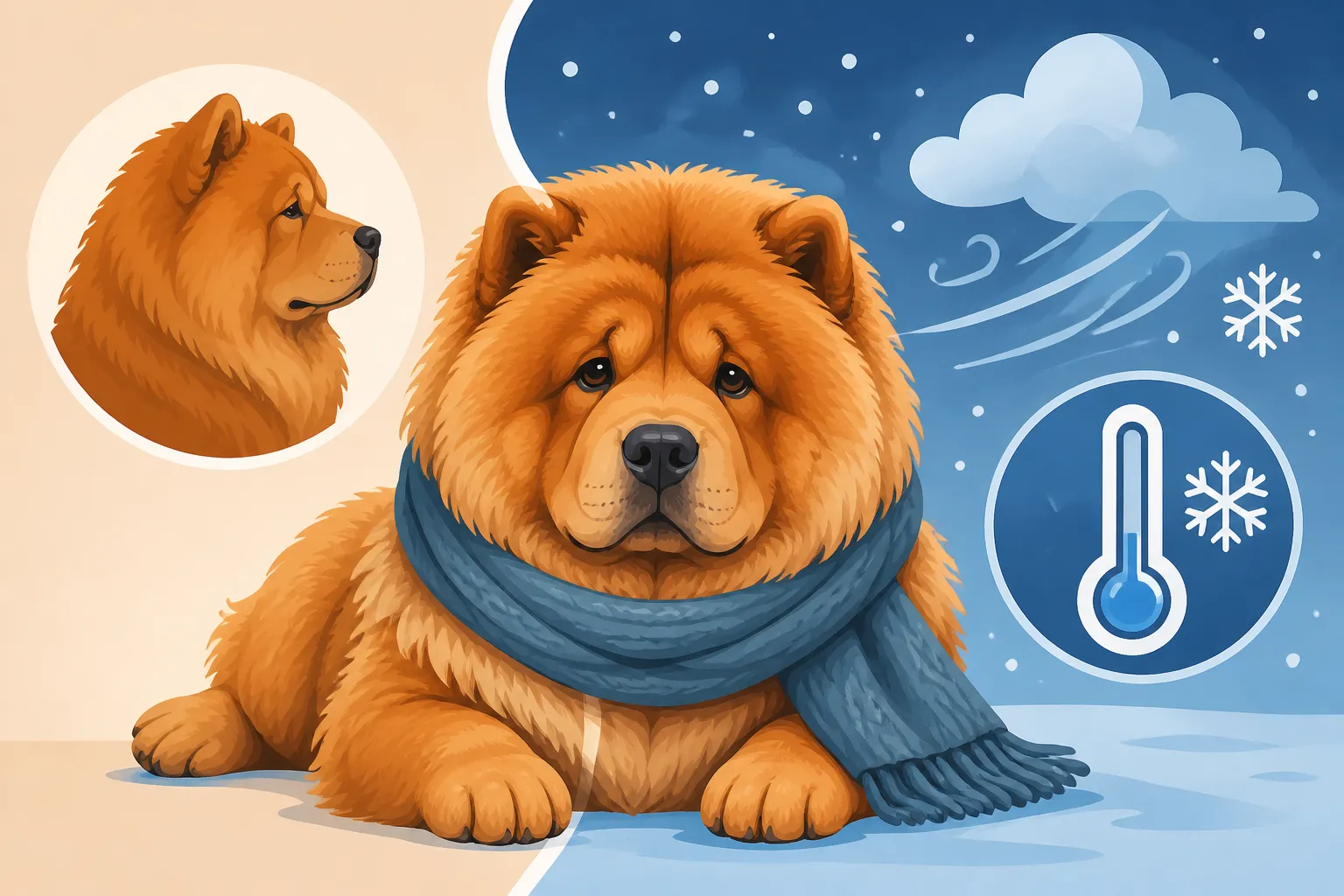
It’s a common misconception, especially for those new to the breed, that a Chow Chow’s magnificent, dense coat makes them impervious to the cold, no matter their age. You see that fluffy mane and think, "There's no way that dog could ever get chilly!" But the reality for our beloved senior Chows is often quite different. As they age, their ability to regulate body temperature and withstand chilly conditions can significantly decline, making them surprisingly vulnerable. This guide is here to shed light on why your older Chow Chow might be feeling the cold more than you realize and what you can do to keep them cozy and comfortable through their golden years.
The Chow Chow's Natural Defense Against the Cold
Before we dive into how aging changes things, let's appreciate the incredible natural insulation a Chow Chow is born with. It's a marvel of canine evolution, perfectly suited to their ancestral origins.
The Magic of the Double Coat
A Chow Chow's iconic coat isn't just for looks; it's a highly functional piece of canine architecture designed for survival in harsh, cold climates. They possess what we call a "double coat," which means it has two distinct layers, each serving a crucial purpose.
The outer layer consists of long, coarse, and somewhat stiff guard hairs. These hairs are like a protective shield, repelling water, snow, and dirt, much like a good waterproof jacket does for us. They form the impressive ruff around the neck and the beautiful feathering on the tail and britches. Beneath this protective outer layer lies the true unsung hero of the Chow's cold tolerance: the undercoat. This inner layer is incredibly soft, dense, and woolly. It's so thick that it can be challenging to reach the skin when brushing, as many Chow owners can attest. This undercoat works by trapping a layer of air close to the dog's body, which then gets warmed by their natural body heat. This trapped warm air acts as an insulating barrier against the cold outside temperatures. It's the reason why a healthy, well-maintained Chow Chow can romp in the snow with relative ease, seemingly unfazed by conditions that would send a short-haired breed shivering indoors. Why a Chow Chow's Double Coat Traps Heat delves deeper into this fascinating natural design.
General Cold Tolerance in Younger Chows
When they are young and in their prime, healthy Chow Chows typically handle cold weather quite admirably. Their robust metabolism, coupled with that phenomenal double coat, means they can tolerate temperatures that would be uncomfortable or even dangerous for many other breeds. You might see a younger Chow happily bounding through a snowy field, their thick fur shedding snow like a duck shedding water. They're built for it, with their compact bodies, deep chests, and well-padded paws contributing to their cold-weather resilience.
However, even a young Chow Chow isn't invincible. While they are far more tolerant than, say, a Greyhound or a Chihuahua, extreme cold, especially when combined with wet conditions, can still pose a risk. A drenched coat loses much of its insulating properties, and prolonged exposure to freezing temperatures can lead to hypothermia in any dog. Furthermore, even in moderate cold, proper grooming is essential. A matted coat can't insulate effectively because the mats prevent air from being trapped, creating cold spots and even potentially pulling at the skin, making them uncomfortable. A younger Chow's natural activity levels also play a role; they generate more body heat through movement, which helps keep them warm. This natural ability to withstand cold is a wonderful trait, but it's important not to assume it lasts indefinitely.
How Aging Changes a Chow Chow's Cold Tolerance
The robust, cold-defying Chow Chow of its youth often transitions into a much more sensitive senior. The golden years bring about subtle, yet significant, changes that can greatly impact their ability to stay warm. It's not always obvious, hidden beneath that still-fluffy exterior, but it's a crucial shift every Chow owner needs to understand.
Thinning Coats and Reduced Metabolism
One of the most profound, yet often overlooked, changes in an aging Chow Chow is the decline in their coat quality. While it might still look plush from a distance, up close you might notice that the dense, woolly undercoat isn't quite as thick as it once was. The hair follicles simply don't produce as much fur, or the fur they produce is finer and less effective at trapping that crucial layer of warm air. This means the insulation factor, which was once their superpower against the cold, becomes compromised. It's like your favorite winter jacket gradually losing its filling over the years; it still looks like a winter jacket, but it just doesn't keep you as warm anymore.
Compounding this is the natural slowdown of their metabolism. Just like in people, an older dog's body processes energy less efficiently, and one of the byproducts of a healthy metabolism is body heat. A younger, more active Chow's internal furnace burns brighter, generating ample warmth. An older Chow's furnace, however, might be burning at a lower idle, producing less internal heat to combat the chill. This double whammy of less effective external insulation and reduced internal heat generation means they are simply more susceptible to feeling the cold. You might even notice subtle changes in their coat texture or volume as part of What Changes in a Chow Chow After Eight.
Less Active Lifestyle
Another significant factor contributing to an aging Chow Chow's reduced cold tolerance is a general decrease in activity. When they were puppies or young adults, Chow Chows, despite their often calm demeanor, still had bursts of energy, playing, exploring, and moving around their environment. All of this movement generates body heat. Think about how you feel after a brisk walk compared to sitting still on a cold day. Dogs are no different.
As they age, many Chows become less active. They might sleep more, prefer to lounge in a sunny spot, and move more slowly. The Age a Chow Chow Is Considered Senior often brings with it a desire for more rest and less strenuous activity. This reduced activity means they're not naturally producing as much internal warmth, making them more reliant on external sources of heat or better insulation. They might spend more time lying on a cold floor, which can quickly pull heat from their body, especially if their coat isn't as dense as it once was. You might find your senior Chow seeking out warmer spots in the house more frequently, even if you, as a human, don't feel particularly cold. Their preferences are a strong indicator of their comfort level.
Common Health Issues That Reduce Cold Tolerance in Senior Chows
Beyond the natural processes of aging, several health conditions that are more common in senior Chow Chows can further diminish their ability to cope with cold temperatures. These issues can exacerbate discomfort and even pose risks if not properly managed.
Arthritis and Joint Pain
One of the most prevalent issues affecting older dogs, including Chow Chows, is arthritis and general joint pain. Their sturdy, compact build and specific gait mean their joints can take a beating over a lifetime. How an Aging Chow Chow Stiffens is a very real concern for many owners. Cold weather has a notorious reputation for worsening joint pain. If you've ever had an old injury ache more when the temperature drops, you know exactly what your arthritic Chow Chow might be feeling. The cold can make stiff joints even more rigid and painful, reducing their willingness to move. This creates a vicious cycle: less movement means less self-generated warmth, which in turn can make their joints feel even worse.
Imagine trying to get comfortable when every shift causes an ache, especially on a chilly floor. An arthritic Chow might lie still for longer periods, absorbing the cold from the surface beneath them, rather than getting up to find a warmer spot or stretch out. This reduced mobility not only makes them feel colder but can also lead to increased discomfort and stiffness. Providing warm, supportive bedding is paramount for these seniors.
Hypothyroidism and Other Metabolic Conditions
Chow Chows are known to be predisposed to certain health conditions, and hypothyroidism is one that can significantly impact their cold tolerance. Hypothyroidism, an underactive thyroid gland, means their body isn't producing enough thyroid hormones, which are crucial for regulating metabolism. As we discussed earlier, a slower metabolism means less internal body heat is generated. If a Chow Chow's thyroid is low, they will often feel perpetually cold, even in environments that seem perfectly comfortable to others. They might shiver, seek out warmth constantly, or generally act lethargic.
Beyond hypothyroidism, other metabolic or systemic health issues can also play a role. Conditions affecting circulation, kidney function, or overall organ health can subtly alter a dog's ability to maintain core body temperature. For instance, a dog with heart issues might have poorer circulation to their extremities, making their paws and ears feel colder. This is why regular veterinary check-ups are absolutely vital for senior Chows. Your vet can perform blood tests to check thyroid levels and assess other indicators of overall health. These routine visits, covered in depth in How Often a Chow Chow Needs a Wellness Exam, can catch these underlying conditions early, allowing for treatment that can significantly improve their comfort and quality of life.
Weight Loss or Difficulty Maintaining Weight
While some older Chows might gain weight due to reduced activity, others can surprisingly struggle to maintain a healthy weight. Muscle mass can naturally decrease with age, and some seniors might have dental issues that make eating painful, or underlying health conditions that affect nutrient absorption. Fat provides a layer of natural insulation, so a Chow Chow that is underweight or has lost significant muscle mass will naturally feel the cold more acutely.
The challenge with Chow Chows, however, is that their dense, magnificent coat can effectively hide these changes. You might not notice significant weight loss or muscle wasting until it's quite advanced, simply because all that fur creates an illusion of bulk. How a Chow Chow's Coat Hides Weight Loss is a very real problem for owners trying to monitor their dog's health. It’s important to feel along their rib cage, spine, and hips regularly to assess their body condition, rather than relying solely on visual cues. If you can easily feel their ribs, spine, or hip bones, even through the coat, your Chow might be too thin. A healthy weight provides not only insulation but also the energy reserves needed to stay warm and active. Discussing any weight concerns or changes in appetite with your vet is always a good idea.
Practical Ways to Keep Your Aging Chow Warm and Comfortable
Ensuring your senior Chow Chow stays warm and cozy isn't just about comfort; it's about their overall health and well-being. A little extra attention to their environment and routine can make a huge difference in their golden years.
Creating a Cozy Indoor Environment
The easiest place to start is right in your own home. Your senior Chow will spend a significant amount of time indoors, so making their personal space a haven of warmth and comfort is key.
Firstly, think about their sleeping arrangements. Instead of a thin mat on a cold floor, invest in a thick, orthopedic bed that elevates them off the ground. Heated dog beds can be an absolute godsend for arthritic or cold-sensitive seniors, providing gentle, consistent warmth. You can find excellent options for these on sites like Chewy or Amazon, often with features like automatic shut-off and washable covers. Ensure their bed is located in a draft-free area of the house, away from external doors or leaky windows. Even a small, unnoticed draft can make a big difference to a dog who struggles with cold. Adding extra blankets, particularly soft, fleece throws, provides not only warmth but also a sense of security and nesting. Many Chows love to burrow or arrange their bedding, so having plenty of options allows them to create their perfect warm nest.
Maintaining a consistent indoor temperature is also vital. While younger Chows might tolerate a cooler house, an older Chow will appreciate a stable, comfortable warmth. This doesn't mean overheating your home, but simply avoiding sharp drops in temperature, especially overnight. Whether a Chow Chow Needs Air Conditioning is about managing extreme heat, but the principle of stable indoor temperatures applies to cold as well. A gentle space heater in their favorite room, used safely and with caution, can provide additional localized warmth.
Appropriate Outdoor Gear and Management
Even with a thinning coat, your Chow Chow still needs their outdoor time for potty breaks, gentle exercise, and mental stimulation. However, their outdoor routine in colder months will need adjustment.
For walks, consider a dog sweater or a coat, especially for those Chows with noticeably thinner undercoats or who show signs of shivering. Don't let the thought that "Chows don't need coats" stop you; that applies more to younger, healthier individuals. A soft, well-fitting sweater can provide that extra layer of insulation that an aging dog's natural coat might lack. Look for designs that are easy to put on and take off, available through retailers like Chewy or Amazon, as older dogs can be less flexible.
Adjust the timing and duration of their outdoor excursions. Instead of a long walk in the early morning or late evening when temperatures are lowest, aim for shorter, more frequent trips during the warmest part of the day. Avoid taking them out in inclement weather like freezing rain or heavy snow for prolonged periods. If it’s very cold, a quick supervised potty break in a sheltered area might be all they need. Never, ever leave an aging Chow Chow unsupervised outdoors in cold weather, even in a fenced yard. Their ability to regulate temperature is compromised, and hypothermia can set in more quickly than you might imagine. Watch for signs like shivering, reluctance to move, or holding up a paw.
Nutritional Support and Grooming Considerations
Diet and grooming play unexpectedly critical roles in keeping an aging Chow Chow warm and healthy.
Nutrition is foundational for a strong immune system and a healthy metabolism, both of which contribute to warmth. While Chows are not known for being voracious eaters, ensuring your senior dog receives a high-quality diet tailored to their age and activity level is important. Some senior dogs benefit from slightly higher caloric density to maintain weight or specific supplements for joint health. Brands like Ollie, which offer fresh, human-grade food, can be an excellent option for older dogs who might be losing interest in traditional kibble, or who need specific nutrient profiles to support their aging bodies and maintain a healthy weight. Always discuss dietary changes with your vet.
Regular grooming is not just about aesthetics; it's vital for coat health and insulation. Even if their undercoat is thinning, preventing mats is crucial. Mats can pull on the skin, cause discomfort, and completely compromise the insulating properties of the coat, creating cold spots. How Long Brushing a Rough Chow Chow Takes might become a more gentle, frequent task. Use a good quality slicker brush and undercoat rake to ensure air can circulate properly and loose undercoat is removed without damaging the remaining healthy fur.
Finally, if your senior Chow needs a bath, ensure they are thoroughly dried afterward. A damp coat, especially in cooler temperatures, will wick heat away from their body and can make them dangerously cold. Using a high-velocity dog dryer (available on Amazon) can significantly speed up the drying process and ensure the undercoat is completely dry, which is critical for their warmth and preventing skin issues. Whether a Chow Chow Tolerates a Dryer is an important consideration, and if they don't, towel drying and ensuring they stay in a warm, draft-free room until completely dry is essential.
Keeping our senior Chow Chows warm and comfortable through their golden years is an act of love and responsible pet ownership. By understanding their unique needs and making a few thoughtful adjustments, we can help them enjoy a cozy, happy, and healthy retirement.
Chow Chow Cold Tolerance Factors: Young vs. Senior
This table summarizes key differences in how young and senior Chow Chows handle cold, highlighting why your older companion needs more consideration.
| Factor | Young Chow Chow | Senior Chow Chow |
|---|---|---|
| Coat Density | Thick, abundant double coat, excellent insulation | Potentially thinner, less dense undercoat; reduced insulation |
| Metabolic Rate | Higher, more active heat production | Lower, less efficient at generating body heat |
| Activity Level | More active, movement contributes to warmth | Less active, spends more time resting; slower movement |
| Joint Health | Generally healthy, flexible joints | Often stiff, arthritic; cold exacerbates pain and limits movement |
| Overall Health | Fewer age-related conditions, robust immune system | Higher risk of conditions like hypothyroidism, impacting temperature regulation |
| Adaptability | Better natural ability to adapt to temperature changes | Slower to adapt to cold; more reliant on external warmth and protection |
| Risk in Cold | Generally low, unless exposed to extreme or wet cold | Increased risk of discomfort, pain, and hypothermia |
Disclaimer
This article is for general informational purposes only and does not constitute professional advice. Laws, prices and regulations vary by location and change over time. Consult a qualified professional for guidance on your specific situation.