What Changes in an Aging Chow Chow’s Coat
As your beloved Chow Chow transitions into their senior years, you might start noticing subtle, yet significant, shifts in their magnificent double coat. It's perfectly natural to worry when their once-lush fur begins to feel different, look a bit duller, or even change in thickness. This comprehensive guide will walk you through the typical coat changes to expect as your Chow Chow ages, explain the underlying reasons for these transformations, and offer practical advice on how to keep their unique coat healthy and comfortable throughout their golden years.
The Inevitable Evolution of an Aging Chow Chow's Coat
Just like us, our furry companions experience the march of time, and their coats are often one of the first places to show it. It’s not just about a few gray hairs popping up; the entire structure and quality of your Chow Chow's fur can undergo a noticeable transformation. Understanding these changes helps you adapt your grooming routine and overall care to meet their evolving needs.
Softening and Thinning of the Outer Coat
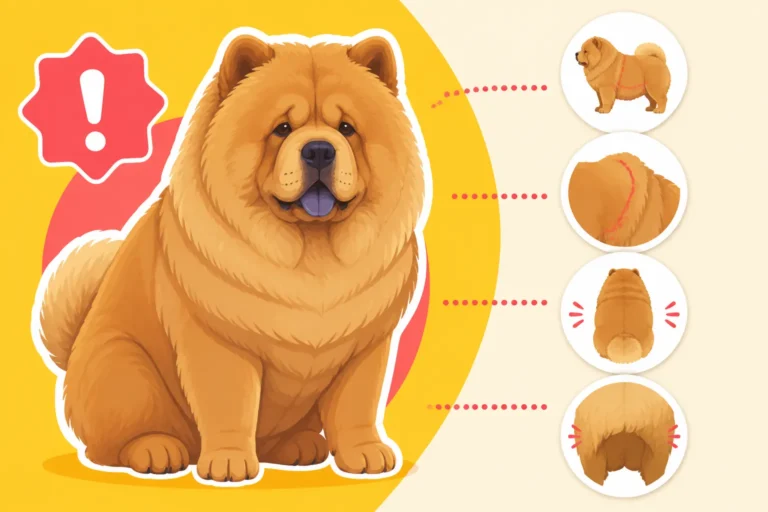
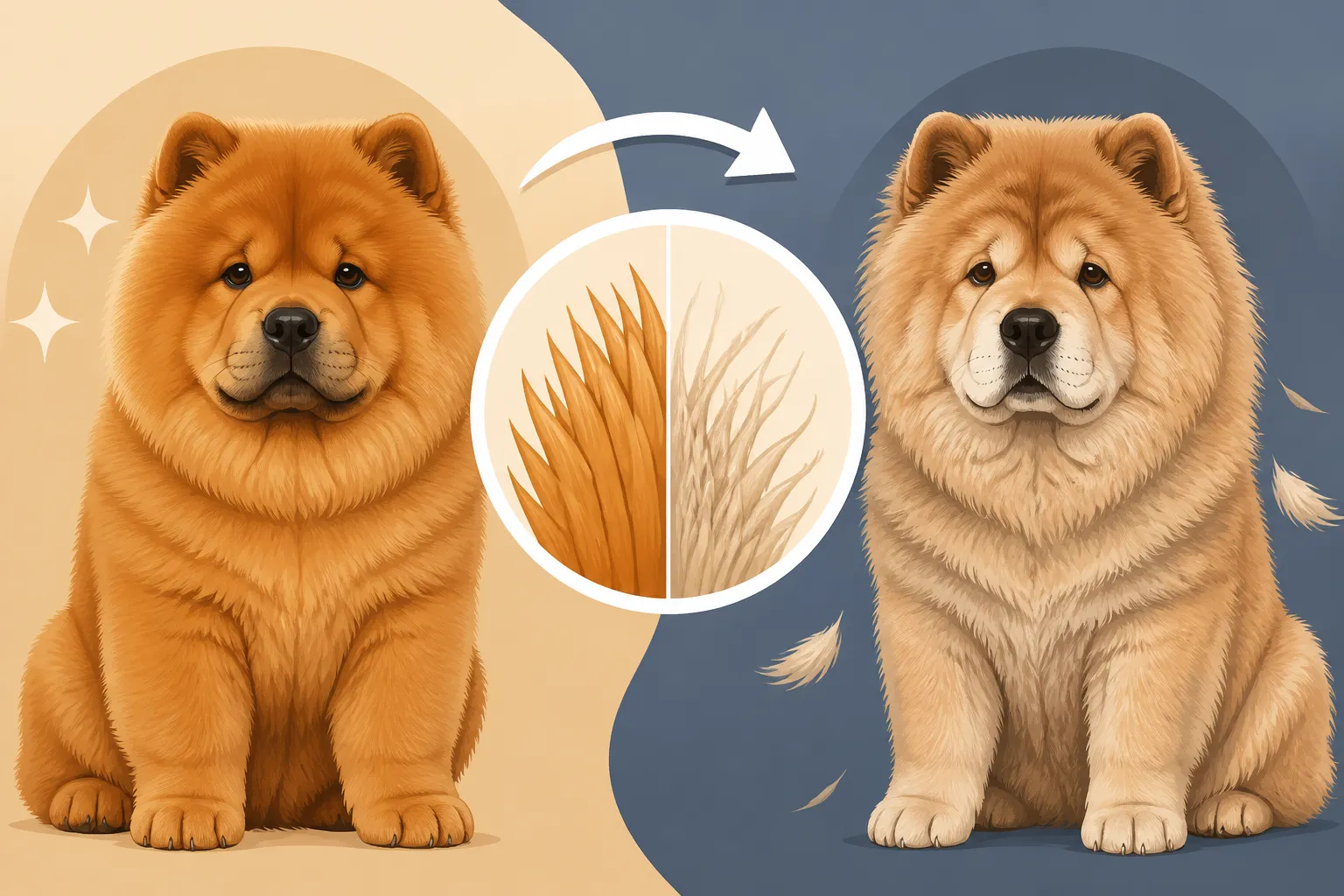
One of the most common observations in an aging Chow Chow is a change in the texture and density of their outer coat, or guard hairs. What was once a coarse, protective shield, offering that distinctive lion-like ruff and dense body fur, may start to feel noticeably softer to the touch. This isn't just a fleeting thing; it's a genuine textural shift. You might find that the individual guard hairs become finer and perhaps more brittle, losing some of their robust resilience.
This softening often accompanies a degree of thinning. While it might not be dramatic baldness, you could notice that the overall volume of their outer coat seems reduced. When you part their fur, the skin might be a little easier to see than it once was. This change can be particularly apparent in areas that previously boasted the thickest fur, like their prominent ruff around the neck and shoulders, or the dense feathering on their britches and tail. It’s a natural part of aging, as hair follicles become less efficient at producing the same quality and quantity of hair.
Changes in Undercoat Density and Texture
The Chow Chow's luxurious double coat isn't just about the guard hairs; its insulating power comes largely from its incredibly dense, soft undercoat. As they age, this undercoat can also undergo significant changes. You might find that the undercoat, which used to be like a thick woolly blanket, becomes less dense. This means it might not feel as plush or as abundant as it did in their younger years. While a reduced undercoat might seem like a relief from shedding for some owners, it’s important to remember its primary function: insulation.
Furthermore, the texture of the undercoat can change. It might become even softer, almost cotton-like, or in some cases, a little more prone to matting because it loses some of its structural integrity. When the undercoat thins, the insulating properties are naturally reduced, making your senior Chow Chow potentially more susceptible to temperature extremes. This is particularly important to consider during colder months, as they may not tolerate the cold as well as they once did, or in hot climates where you might mistakenly think less undercoat means they're cooler, when in fact, proper airflow through a healthy double coat is key to their cooling mechanism. It’s a delicate balance that shifts with age.
The Graying Process: More Than Just White Hairs
Graying is perhaps the most visually obvious sign of aging in many breeds, and the Chow Chow is no exception. However, with their often rich, solid colors – red, black, blue, cinnamon, and cream – the graying process can manifest in unique ways. You’ll typically see the first signs of graying around the muzzle and eyes, giving them that distinguished, wise look. It might start as just a few sparse white hairs, gradually increasing to a more pronounced salt-and-pepper appearance.
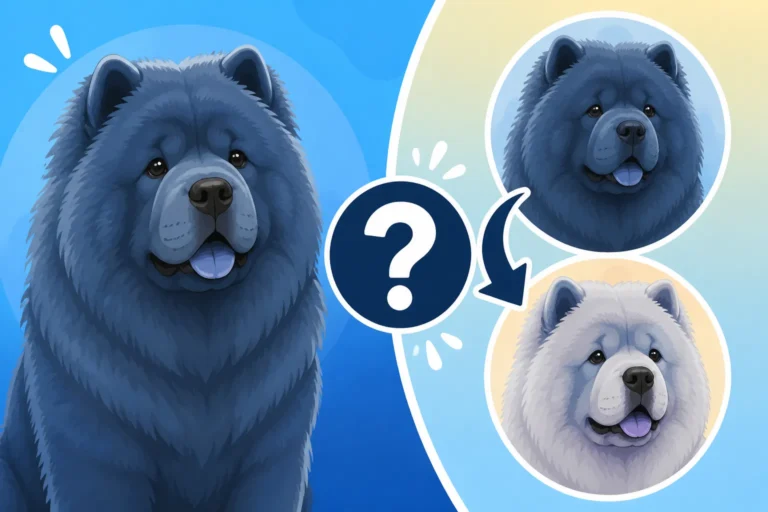
For Chows with darker coats, like black or blue, the graying can be quite striking. A black Chow might develop silvery hairs that catch the light, while a blue Chow’s coat might take on a smokier, more muted tone. Even red or cinnamon Chows can show gray, though it might blend in more subtly, appearing as a lightening or dulling of their vibrant hue. It's not uncommon for the graying to extend beyond the face, creeping into the chest, paws, and even scattering throughout the body coat. This isn't necessarily a sign of ill health, but rather a normal, beautiful testament to the years of love and companionship you've shared. However, sudden or widespread depigmentation could warrant a vet check, as sometimes it can indicate an underlying issue.
Why Your Senior Chow Chow's Coat Is Changing
Understanding why these changes occur can help you approach your senior Chow Chow's care with greater insight and empathy. It’s a complex interplay of internal physiological shifts and external factors that all contribute to the evolving nature of their coat.
Hormonal Shifts and Their Impact on Hair Follicles
Just like humans, aging dogs experience significant hormonal changes that can directly affect their skin and coat health. The balance of hormones, such as thyroid hormones, estrogen, and testosterone, can shift. For instance, a common issue in older dogs, especially Chows, is hypothyroidism, where the thyroid gland doesn't produce enough hormones. One of the classic signs of this condition is a dull, dry, brittle coat, often accompanied by hair loss, particularly on the flanks, tail, and nose bridge. You might even notice their coat feels coarse and sparse, or that it sheds excessively without new growth. If you're seeing signs like a thinning coat, excessive shedding, or a noticeable change in texture, it’s worth considering whether there could be an underlying hormonal imbalance. Signs a Chow Chow's Thyroid Is Low details what to watch for.
Beyond thyroid issues, other age-related hormonal fluctuations can impact the hair growth cycle. Hair follicles might enter the resting phase (telogen) more frequently or for longer periods, leading to less active hair growth (anagen) and thus, a thinner, less dense coat. The quality of the hair produced can also be affected, leading to finer, more brittle strands that are more prone to breakage. These shifts are a natural part of the aging process, but understanding them emphasizes the importance of regular veterinary check-ups to monitor hormonal health.
Nutritional Needs and Absorption Challenges in Older Dogs
As Chow Chows age, their dietary needs change, and their bodies' ability to absorb nutrients can become less efficient. This has a direct impact on the health and appearance of their coat. Older dogs often have slower metabolisms, but their protein requirements for maintaining muscle mass and repairing tissues (including skin and hair) actually remain quite high, sometimes even increasing relative to their body weight. If their diet isn't providing adequate high-quality protein, or if they're not absorbing it well, their coat can suffer, becoming dull, dry, and thin.
Furthermore, essential fatty acids, particularly omega-3 and omega-6, are crucial for skin barrier function and coat luster. Many senior dogs benefit from increased levels of these healthy fats. However, if their digestive system is less efficient, they might not be getting enough from their food, even if it's present. Older Chows might also develop dental issues that make it harder to chew certain foods, potentially leading to a reluctance to eat or a preference for softer, less nutritionally complete options. Ensuring they receive a balanced diet formulated for senior dogs, perhaps with added supplements, is paramount. Brands like Ollie often offer tailored nutrition plans that can be beneficial for senior dogs with specific needs, or you can find a vast array of senior-specific foods on Chewy. Whether an Aging Chow Chow Needs Softer Food dives deeper into dietary adjustments.
The Role of Underlying Health Conditions
While many coat changes are a normal part of aging, sometimes they can be a red flag for underlying health issues that require veterinary attention. Beyond hormonal imbalances like hypothyroidism, other conditions can manifest through coat changes. Autoimmune diseases, for example, can sometimes affect the skin and hair follicles, leading to various issues. What Autoimmune Thyroiditis Does to a Chow Chow is one such example, which can indirectly impact coat health.
Internal organ dysfunction, such as kidney or liver disease, can also cause a dull, dry, or brittle coat, sometimes with excessive shedding or poor hair regrowth, because these organs play a vital role in detoxification and nutrient processing. Chronic pain from conditions like arthritis, common in senior Chows, can lead to excessive licking or chewing in a particular area, causing localized hair loss or skin irritation. Even internal parasites, though less common in well-cared-for seniors, can deplete nutrients and affect coat quality. This is why it’s so critical to pay attention to any sudden or dramatic changes in your Chow Chow’s coat and to discuss them with your veterinarian. A comprehensive annual check-up, including bloodwork, can often catch these issues early. What a Chow Chow's Yearly Bloodwork Should Cover provides more insight into essential health screening.
Practical Grooming Adjustments for Senior Chows
Grooming a Chow Chow has always been an endeavor, even when they were spry puppies with boundless energy. As they age, their patience might wane, their joints might ache, and their skin might become more sensitive. Adapting your grooming routine is not just about aesthetics; it's about maintaining their comfort, preventing painful mats, and ensuring their overall well-being.
Gentle Brushing Techniques and Tools
Your senior Chow Chow's thinner skin and potentially more brittle fur demand a gentler approach to brushing. The days of vigorous brushing might need to be toned down. Instead of pulling through tangles, focus on patiently separating them with your fingers first. Use a soft slicker brush or a pin brush with rounded pins, and always brush in layers, getting down to the skin without scraping or irritating it. The goal is to stimulate circulation and distribute natural oils without causing discomfort. If your Chow Chow is showing any signs of discomfort, stop and try again later, or consult a professional groomer.
Consider increasing the frequency of shorter grooming sessions rather than attempting long, arduous ones. A quick 10-15 minute brush-out daily or every other day can be far more effective and less stressful for an older dog than a marathon session once a week. This also allows you to regularly check for new lumps, bumps, or skin irritations that can hide easily beneath their dense fur. Look for brushes specifically designed for sensitive skin or senior pets on platforms like Chewy or Amazon. Remember, their coat may also mat more easily if the undercoat is changing, so consistency is key. How Often a Chow Chow Needs a Groomer offers guidance on professional care, which can be a huge help for seniors.
Bathing Considerations for Sensitive Skin
Bathing a Chow Chow has always been an undertaking, but for a senior dog, it requires even more thought. Their aging skin can be thinner, drier, and more prone to irritation. Choose a high-quality, gentle, hypoallergenic shampoo specifically formulated for sensitive skin or senior dogs. Avoid harsh detergents or strong perfumes that could strip natural oils or cause allergic reactions. Lukewarm water is always best; too hot can dry out their skin, and too cold can be uncomfortable for stiff joints.
Ensure you rinse thoroughly to remove all shampoo residue, as any left behind can cause itching and irritation. Drying is also critical. A powerful, quiet force dryer on a cool setting is ideal to get through their dense coat without overheating them or stressing their skin. Avoid letting them air dry, especially if their undercoat is still somewhat thick, as dampness trapped against the skin can lead to fungal infections or "hot spots." If your senior Chow isn’t a fan of baths, professional grooming might be a less stressful option, or consider waterless shampoos for quick touch-ups between full baths.
Managing Mats and Skin Health in a Changing Coat
Mats are not just unsightly; for an aging Chow Chow, they can be incredibly painful, pulling on delicate skin and restricting movement. With a changing undercoat that may be less resilient, mats can form more easily, especially behind the ears, in the armpits, on the britches, and under the collar. It's crucial to address any small tangles immediately before they escalate into larger, painful mats. Gentle daily brushing, as mentioned, is your first line of defense.
Regularly check your Chow Chow's skin for any signs of dryness, flakiness, redness, or lesions. Their dense coat, even when thinning, can still effectively hide skin issues. Why a Chow Chow's Dense Coat Hides Skin Disease is a critical read for any owner. Senior Chows can be more prone to skin infections due to weakened immune systems or less effective skin barrier function. If you find a mat that is too close to the skin or too tight to brush out gently, do not attempt to cut it with scissors, as it's very easy to accidentally cut their skin. Professional groomers have the right tools and expertise to safely remove mats without causing injury. They can also recommend soothing balms or sprays for dry patches.
Nutritional Support for a Healthy Senior Coat
Just like the rest of their body, your Chow Chow's coat is a direct reflection of their internal health, and nutrition plays an enormous role. As they age, their ability to process and absorb nutrients can change, making it even more important to ensure their diet is perfectly tailored to their evolving needs.
Essential Fatty Acids and Skin Health
Omega-3 and omega-6 fatty acids are absolute superstars when it comes to skin and coat health. These essential fats are not produced by the body and must come from the diet. They contribute to the skin’s natural barrier function, helping to lock in moisture and protect against environmental irritants. For an aging Chow Chow, who might already be experiencing drier, more sensitive skin, a diet rich in these fatty acids can make a visible difference. You might notice their coat regains some of its lost luster, feels softer, and is less prone to flakiness.
Sources of omega-3s include fish oil, flaxseed oil, and certain algae. Omega-6s are found in various plant oils and animal fats. Many high-quality senior dog foods will include optimized ratios of these fatty acids. However, you might also consider a supplement, especially if your vet agrees it's beneficial. Liquid fish oil supplements are popular and can be easily added to food. Chewy and Amazon offer a wide range of reputable brands. When choosing, look for products with clear indications of EPA and DHA content, which are the most beneficial forms of omega-3s.
Protein Needs for Hair Growth and Maintenance
Protein isn't just for building muscles; it's fundamental for every cell in the body, including those that make up hair. Hair is primarily composed of keratin, a protein. For an aging Chow Chow, maintaining a healthy coat requires a consistent supply of high-quality protein. While older dogs might be less active, they still need ample protein to repair and maintain tissues. In fact, some research suggests senior dogs might need more digestible protein than younger adults to counteract age-related muscle loss.
Ensure your senior Chow's diet features easily digestible protein sources such as chicken, turkey, lamb, beef, or fish. Look for dog foods where a named meat source is one of the first ingredients. If your Chow Chow is showing signs of a dull, brittle, or thinning coat, it's worth discussing their protein intake with your vet. Sometimes, switching to a senior-specific formula or a diet designed for active older dogs can provide the right balance. Companies like Ollie focus on fresh, whole ingredients which can be very beneficial for nutrient absorption in older dogs, ensuring they get the protein needed for a robust coat.
Hydration and Its Effect on Coat Luster
It might seem obvious, but adequate hydration is incredibly important for skin and coat health, and it’s something often overlooked, especially in older dogs. Dehydration can lead to dry, flaky skin and a dull, lifeless coat. As dogs age, their thirst drive can sometimes decrease, or they might be less mobile, making it harder for them to reach their water bowl frequently. Certain medical conditions, like kidney disease, can also impact hydration levels.
Always ensure your Chow Chow has constant access to fresh, clean water. Consider placing multiple water bowls around the house, especially in areas where they spend a lot of time. If they're reluctant to drink, you can try adding a splash of low-sodium chicken broth to their water, or offering wet food which has a higher moisture content. Automated water fountains can also entice some dogs to drink more, as the moving water is often more appealing. A well-hydrated dog will have plumper skin cells and a more vibrant, supple coat.
When to Consult Your Vet About Coat Changes
While many coat changes in an aging Chow Chow are normal, there are certain red flags that should prompt a visit to your veterinarian. It’s always better to be safe than sorry, as early detection of underlying health issues can lead to more effective treatment and a better quality of life for your furry friend.
Red Flags: Excessive Shedding or Bald Patches
Normal shedding in a Chow Chow, especially during their twice-yearly "coat blows," is legendary. However, excessive shedding that seems constant, or that leaves noticeable bald patches, is definitely a cause for concern. If you're finding clumps of hair coming out easily, or if you can clearly see areas of skin where fur should be, it's time to call the vet. This isn't just cosmetic; it can indicate issues like hormonal imbalances (such as hypothyroidism, which can cause significant coat loss), allergies, parasites, fungal infections, or even more serious internal diseases.
Pay close attention to the pattern of hair loss. Symmetrical hair loss on both sides of the body, particularly on the flanks or along the spine, often points to a hormonal issue. Patchy, asymmetrical hair loss, especially if accompanied by redness or itching, might suggest skin infections or parasites. Don't dismiss it as "just old age"; a quick veterinary check can either put your mind at ease or identify a treatable condition. Remember, Whether a Hypothyroid Chow Chow Loses Coat is a common concern that your vet can easily diagnose and manage.
Skin Irritations and Secondary Infections
An aging Chow Chow’s skin can become more fragile and susceptible to irritation. If you notice any redness, scabs, crusting, bumps, or an unpleasant odor emanating from their fur, it's definitely time for a vet visit. Excessive scratching, licking, or chewing at their coat can indicate discomfort and may lead to secondary bacterial or yeast infections, especially in their dense undercoat. These infections can be quite painful and can spread quickly if left untreated.
Due to their deep-set eyes and facial wrinkles, Chow Chows can also be prone to skin fold infections or irritation around their eyes. While not strictly a coat issue, discharge from the eyes that consistently wets the fur can lead to skin problems. Keep an eye on any changes in their skin condition, even subtle ones. Your vet can perform skin scrapings, cytology, or fungal cultures to diagnose the underlying cause of irritation or infection and prescribe appropriate treatment, which might include medicated shampoos, antibiotics, or anti-fungal medications. How Often a Chow Chow Gets Hot Spots is another relevant read, as seniors can be prone to these painful skin lesions.
Unexpected Changes in Coat Color or Texture
Beyond the natural graying process, any sudden or unusual changes in your Chow Chow's coat color or texture warrant veterinary attention. For example, a black Chow's coat suddenly developing a rusty or brownish tinge, or a red Chow's coat becoming extremely dull and faded, could indicate nutritional deficiencies or underlying health problems. Similarly, if their coat becomes excessively greasy, dry, or unusually brittle, and these changes are not explained by normal aging or grooming routine, it's a sign to seek professional advice.
Sometimes, liver or kidney disease can cause a rough, unhealthy looking coat. Certain endocrine disorders can also lead to changes in coat quality, making it greasy or extremely dry. While it’s tempting to assume these are just "old age" quirks, a thorough veterinary examination, potentially including blood tests, can rule out more serious medical conditions. Catching these issues early can significantly improve your Chow Chow's comfort and health, allowing them to enjoy their golden years with the best possible quality of life. Caring for a Chow Chow Past Eight details many aspects of senior care, including knowing when to seek veterinary help.
| Coat Change Category | Common & Expected in Aging Chow Chows | Potentially Concerning & Requires Vet Check |
|---|---|---|
| Texture | Softening of outer coat | Excessively greasy, dry, or brittle fur |
| Less dense, more cotton-like undercoat | Rough, unusually coarse texture | |
| Density | General thinning, less volume | Significant bald patches, unexplained hair loss |
| Reduced undercoat density | Areas of skin completely exposed | |
| Color | Graying around muzzle and eyes | Sudden, widespread depigmentation (not graying) |
| Muted or slightly faded original color | Unexplained rust-colored or dull changes in vibrant coats | |
| Skin Condition | Slightly drier skin | Redness, scabs, crusting, sores, lesions |
| Excessive scratching, licking, or chewing | ||
| Foul odor from skin or coat |
Disclaimer
This article is for general informational purposes only and does not constitute professional advice. Laws, prices and regulations vary by location and change over time. Consult a qualified professional for guidance on your specific situation.