How Many Meals a Day a Chow Chow Needs
It's incredibly common for new Chow Chow owners to stare at their dog's food bowl, scratching their heads and wondering if their furry companion is truly eating enough. These majestic, lion-like dogs often eat far less than their size might suggest, leading to understandable confusion about how many meals a day they actually need. This guide will walk you through the optimal feeding schedule for your Chow Chow at every stage of their life, ensuring they get just the right amount to thrive.
The Chow Chow's Unique Appetite: Less Than You'd Think
Many people assume a large, sturdy dog like a Chow Chow must have a voracious appetite, devouring multiple cups of food at every meal. But if you’ve lived with one, you know that’s often not the case! Chow Chows are, in many ways, quite distinct from other breeds, and their metabolism is no exception. They tend to have a lower metabolic rate and aren't typically high-energy dogs, which means their caloric needs are often surprisingly moderate. You might find yourself asking, Why a Chow Chow Eats Less Than Its Size Suggests, and it's a valid question!
This isn't a flaw; it's just part of being a Chow. Their dense double coat helps regulate their body temperature, and historically, they weren't bred for endurance running but rather for guarding and utility in more temperate climates. This all contributes to a physiology that simply doesn't require the same fuel intake as, say, a high-octane retriever or a working German Shepherd. So, if your Chow Chow isn't gobbling down food with gusto, don't immediately panic! It's likely just their natural inclination. The key is to ensure the food they do eat is high-quality and nutritionally dense. Whether you buy their food from a specialized pet store, through a convenient service like Ollie, or stock up on your favorite brand from Chewy, making sure it’s appropriate for their life stage is paramount.
Puppy Feeding Schedules: Building a Healthy Foundation
Bringing home a Chow Chow puppy is an exciting time, but it also comes with a lot of responsibility, especially when it comes to their diet. Proper nutrition and feeding schedules are critical during these formative months to support healthy growth and development, particularly for their bones and joints.
From Weaning to Four Months
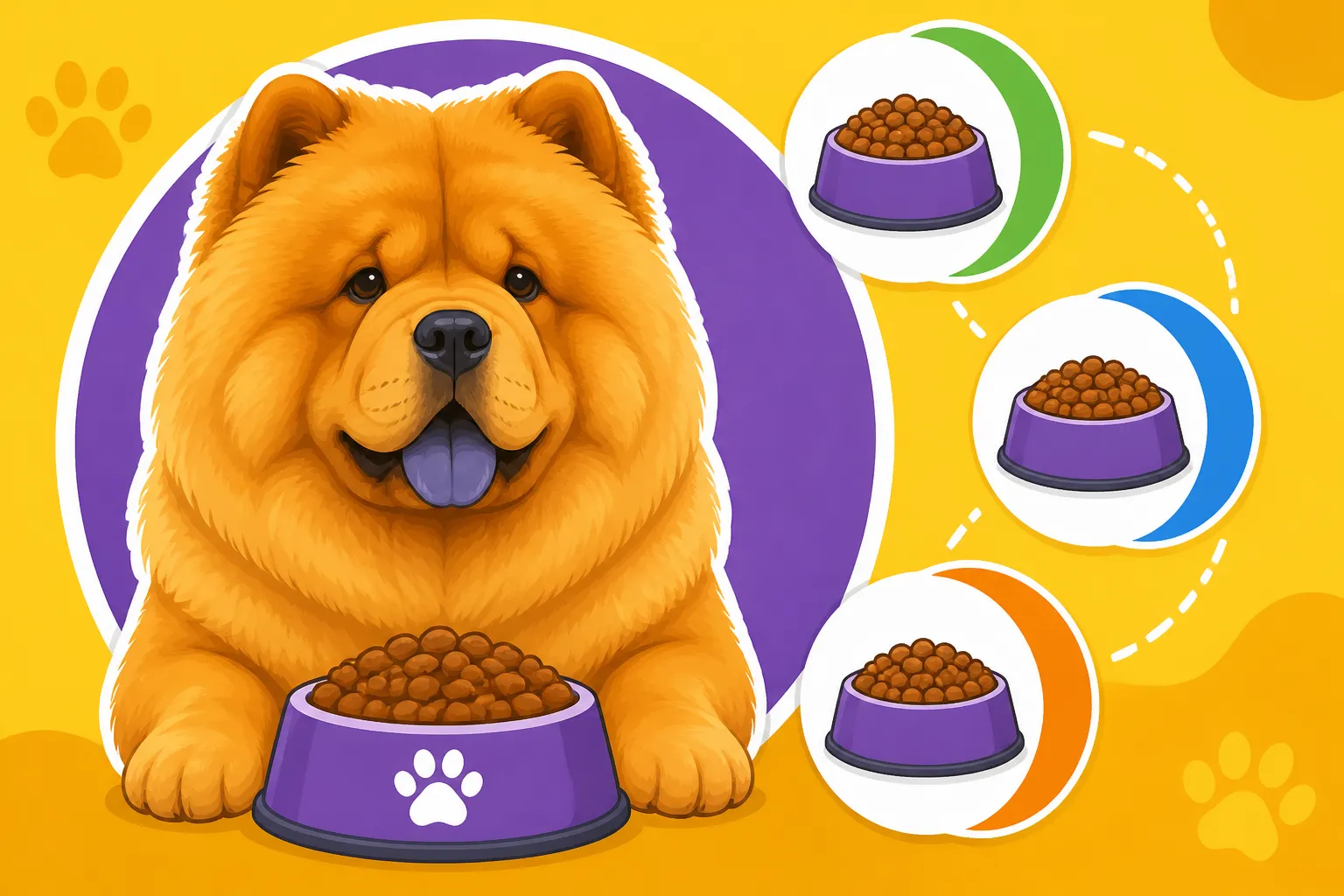
When you first bring your Chow Chow puppy home, typically around 8-12 weeks old, they've just been weaned and are used to several small meals throughout the day. At this age, a puppy's stomach is small, and their energy demands for growth are constant. We generally recommend feeding a young Chow Chow puppy three to four meals a day. Each meal should be appropriately sized for their age and expected adult weight, usually measured by the guidelines on your puppy food bag.
It’s crucial to use a high-quality puppy formula, ideally one formulated for large breeds, as these are designed to support a slower, more controlled growth rate. This controlled growth helps prevent bone and joint issues that can arise from growing too quickly, which is especially important for a breed prone to conditions like elbow dysplasia and hip dysplasia. You want sturdy, gradual development, not a growth spurt that puts undue stress on their developing skeletal system. Remember, Why a Chow Chow Puppy Needs Controlled Growth is directly linked to their long-term health. Consistency is key here; try to feed your puppy at roughly the same times each day to establish a routine, which aids in digestion and housetraining.
Transitioning to Fewer Meals (Four to Twelve Months)
As your Chow Chow puppy grows from four months onward, their rapid growth phase starts to mellow out slightly, though they are still very much growing! Their stomach capacity increases, and their need for constant, tiny meals lessens. Between four and six months, you can typically start transitioning them from four meals a day down to three meals a day. Monitor their appetite and energy levels during this transition. If they seem ravenous between meals or are losing weight, you might need to adjust portion sizes or stick with four meals a bit longer.
By about six to twelve months, many Chow Chow puppies are ready to transition to two meals a day. This usually aligns with the period when you might also consider transitioning them from puppy food to adult dog food. When a Chow Chow Puppy Moves to Adult Food can vary, but generally, around 12-18 months is a good benchmark, depending on the individual dog and the specific food brand's recommendations. Again, look for large breed adult formulas that support their size and ensure the caloric intake is appropriate. Splitting their daily ration into two distinct meals helps keep their energy levels stable and promotes good digestive health.
Adult Chow Chows: Two Meals are Typically Best
For the majority of an adult Chow Chow's life, from about one year old up until their senior years, feeding them two meals a day is the most common and often the most beneficial approach. This schedule offers a good balance of satiety, digestive health, and energy management.
The Benefits of a Twice-Daily Schedule
Feeding your adult Chow Chow twice a day, typically once in the morning and once in the evening, provides several advantages. Firstly, it helps to regulate their hunger, preventing them from feeling overly starved between meals, which can sometimes lead to gulping food too quickly. Secondly, it aids in digestion. Smaller, more frequent meals are often easier on a dog's digestive system than one large meal, which can be particularly relevant for preventing issues like bloat, though Chow Chows are not as prone as some other large, deep-chested breeds. Still, it’s always wise to be mindful of how to feed a Chow Chow to reduce bloat risk.
This routine also allows for better portion control, helping you keep track of how much your Chow Chow is consuming. Given their propensity to gain weight if overfed and under-exercised, precise portioning is a huge advantage. You’ll want to know What an Adult Chow Chow Should Weigh and aim to keep them there. Check the feeding guidelines on your dog food bag – whether it’s a standard kibble or a fresh food delivery from a service like Ollie – and remember these are just starting points. Your individual Chow Chow's metabolism, activity level, and age will dictate the exact amount. It’s also a great opportunity to reinforce training and bond with your dog during meal times.
Free-Feeding vs. Scheduled Meals
While some dog owners prefer to "free-feed" their dogs by leaving food out all day, this approach is generally not recommended for Chow Chows. Free-feeding makes it very difficult to monitor their actual intake, which can easily lead to overeating and weight gain. Given their tendency to eat less but still be susceptible to obesity, knowing exactly How Many Cups a Day an Adult Chow Chow Eats and when they eat it is vital.
Scheduled meals, on the other hand, allow you to:
- Monitor appetite: A sudden decrease in appetite can be an early indicator of illness. If food is always available, you might not notice this change until much later.
- Control weight: By portioning out meals, you can precisely manage their caloric intake to maintain an ideal body condition.
- Prevent resource guarding: While not all Chows will resource guard, scheduled meals mean there's no constant competition for food, which can sometimes reduce this tendency.
- Aid housetraining: What goes in must come out! Knowing when your dog eats helps predict when they’ll need to go outside.
Consistency is really your friend here. Feed them at regular times, perhaps once in the morning (e.g., 7 AM) and once in the evening (e.g., 6 PM). If your Chow Chow skips a meal, don't immediately offer them something else. What to Do When a Chow Chow Skips a Meal is usually to simply pick up the bowl after 15-20 minutes and offer it again at the next scheduled mealtime. Most healthy Chows will eat when they're hungry.
Senior Chow Chows: Adjusting for Age
Just like with people, a Chow Chow’s dietary needs will shift as they move into their golden years, typically starting around age eight. The Age a Chow Chow Is Considered Senior can vary, but generally, once they hit eight, it's time to start paying closer attention to how their diet supports their aging body.
Changes in Metabolism and Activity
As Chow Chows age, their metabolism often slows down even further, and their activity levels naturally decrease. This means their caloric needs will likely reduce, even if they're eating the same amount. It's a cruel trick of nature – less energy burned, but the same desire for tasty food! If you continue to feed them the same portions they had as a younger adult, they can quickly start to gain weight, which puts extra strain on aging joints.
Conversely, some senior Chows might experience dental issues or other health problems that lead to a decrease in appetite or difficulty eating. What Changes in a Chow Chow After Eight often includes dental wear, making crunchy kibble less appealing or even painful. This is where a conversation with your veterinarian about their specific needs becomes paramount. They might recommend a senior-specific formula or suggest if Whether an Aging Chow Chow Needs Softer Food. Many senior formulas contain joint-supporting ingredients like glucosamine and chondroitin, which can be very beneficial for older Chows.
Maintaining Routine and Monitoring Health
For senior Chow Chows, maintaining their two-meals-a-day schedule is usually still the best approach. The familiarity of routine can be comforting for older dogs, and consistent meal times help manage their digestive system. However, the amount within those two meals might need adjustment. Regularly check their body condition; you should be able to feel their ribs with a light touch, but not see them. If you notice significant weight gain or loss, or if they start refusing meals consistently, it’s definitely time to consult your vet.
It's not just about the food itself; it's also about how they eat it. Ensure their eating area is comfortable and easily accessible. If they’re stiffening up, they might appreciate raised bowls to avoid bending down, especially if they are suffering from arthritis or other mobility issues. Caring for an Old Chow Chow involves a holistic approach, and diet is a cornerstone of that care. Whether you're purchasing specialty senior diets from Chewy or looking for specific supplements on Amazon to aid joint health, always prioritize their comfort and well-being in these later years.
Summary of Chow Chow Feeding Schedules
To make things easy to reference, here's a quick overview of typical Chow Chow feeding schedules by age:
| Age Range | Recommended Meals Per Day | Key Considerations |
|---|---|---|
| 8 weeks – 4 months | 3-4 meals | Small stomach capacity, rapid growth, use large breed puppy food for controlled development. Establish routine. |
| 4 months – 12 months | 2-3 meals | Transition down as stomach capacity increases and growth rate slightly steadies. Gradual switch from puppy to adult large breed food around 12-18 months. |
| 1 year – 7/8 years | 2 meals | Optimal for digestion, portion control, and weight management. Avoid free-feeding. Monitor appetite and body condition closely. |
| 8 years + (Senior) | 2 meals | Adjust portion sizes for slower metabolism and decreased activity. Consider senior-specific formulas or softer foods. Use raised bowls if mobility is an issue. Regular vet check-ups are essential. |
Remember, these are general guidelines. Every Chow Chow is an individual, and their specific needs can vary based on activity level, health conditions, and even personal preference. Always observe your dog closely and consult with your veterinarian for personalized dietary advice.
Disclaimer
This article is for general informational purposes only and does not constitute professional advice. Laws, prices and regulations vary by location and change over time. Consult a qualified professional for guidance on your specific situation.