Why a Chow Chow’s Britches Mat First
As a Chow Chow owner, there are few things more frustrating than running your brush through that magnificent double coat, only to hit a snag—and not just a little one, but a deep, stubborn mat. And if you're like most of us, those mats often seem to appear first, and most stubbornly, in one particular spot: the britches. It’s a common struggle, and this guide is here to unravel why your Chow Chow’s britches are so prone to matting and what you can do about it.
The Chow Chow's Magnificent, Yet Demanding, Double Coat
Let's start with the basics of what makes a Chow Chow's coat so unique, and simultaneously, such a challenge. Unlike many other breeds, Chows sport a dense, double coat that is truly designed for protection in harsh climates. There's the soft, woolly undercoat, which provides insulation, and then the coarser, straight outer coat, which acts like a protective shield against the elements. This combination is what gives them their distinctive lion-like ruff and plush appearance.
Understanding the Two Coat Types
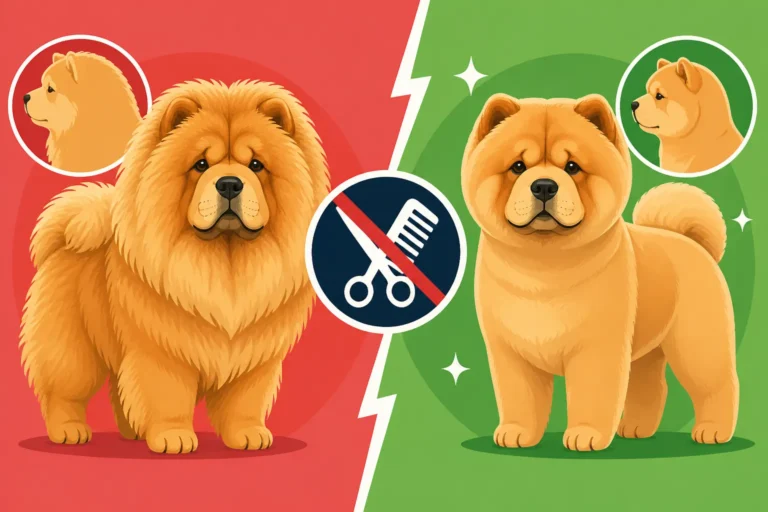
Chow Chows come in two distinct coat varieties: rough and smooth. While the rough coat is the most widely recognized, with its abundant fur, the smooth coat still boasts that crucial double-layer construction, just with a shorter outer coat. Both types, however, share the characteristic of having that dense undercoat.
For a rough-coated Chow, the length and density are truly breathtaking, especially around the neck forming a majestic mane, and, of course, on the hindquarters, where it creates those famous "britches." This luxurious fur is beautiful, but it's also a magnet for debris and prone to tangles if not diligently cared for. Even a smooth-coated Chow Chow, despite its seemingly less demanding coat, can develop mats in the britches area because the underlying structure and daily wear and tear are still at play. Rough or Smooth: the Two Chow Chow Coats and What Each Needs offers a deeper dive into managing these two distinct looks.
Why Any Chow Chow Coat Mats
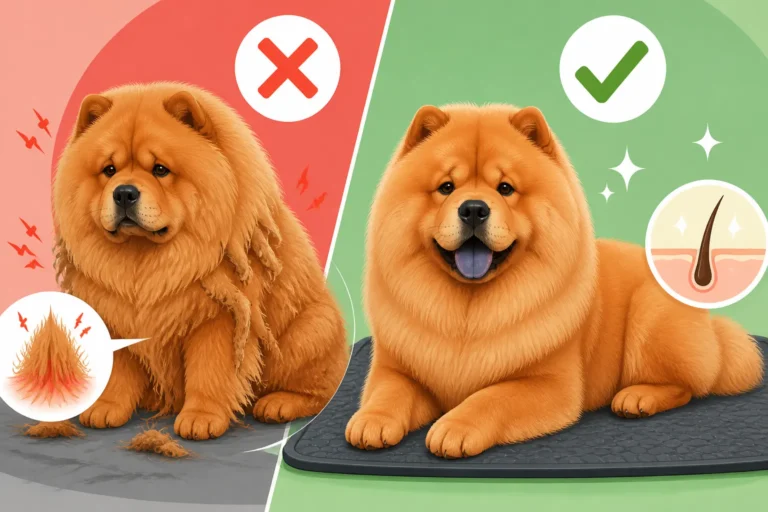
The fundamental reason any Chow Chow coat mats lies in the interplay between these two layers. The soft undercoat tends to shed constantly, especially during the biannual "coat blow," where they shed profusely to adapt to seasonal changes. This loose undercoat gets trapped within the coarser guard hairs of the outer coat. If it's not brushed out regularly and thoroughly, these trapped hairs begin to felt together, forming knots and eventually dense, painful mats that pull at the skin. Think of it like a ball of yarn that gets tighter and tighter with every twist and turn.
The natural oils in the coat, dirt, moisture, and static electricity all contribute to this process, acting like glue for the loose hair. Mats aren't just an aesthetic problem; they can be incredibly uncomfortable, even painful, for your Chow.
The Unique Vulnerability of the Britches Area
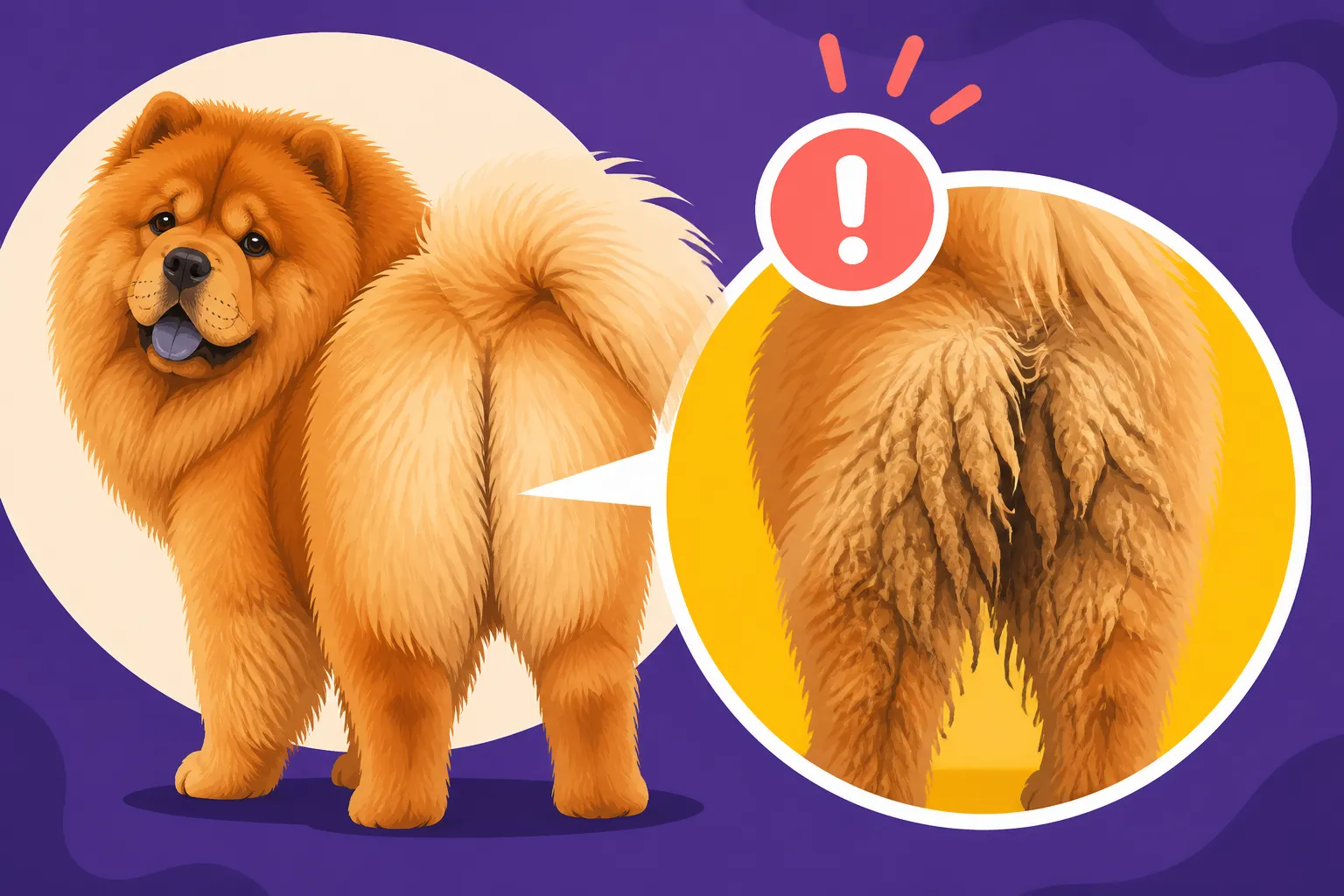
Now that we understand the general predisposition to matting, let’s zone in on the britches. This area, encompassing the abundant fur on the back of the hind legs and around the tail, is a prime target for mat formation. There isn't just one culprit; it's a perfect storm of factors that converge here.
Friction: The Constant Rub
One of the biggest contributors to matting in the britches is simple friction. Imagine how your Chow Chow moves throughout the day. When they sit, when they lie down, when they walk, the fur on their hind legs and rear end is constantly rubbing against itself, against the ground, against furniture, and even against their own body. This continuous rubbing acts like a natural felting machine, tangling loose hairs together and compacting the undercoat.
Every time they shift their weight, every time they get up from a nap on the carpet, or even just wag their tail, that friction is at work. This is particularly true for Chows who love to lounge, as the pressure of their body weight on the fur further compresses and tangles the hairs. The very acts of daily life that dogs do naturally become a challenge for that plush hindquarter fur.
Moisture and Waste: A Messy Business
Let's be blunt: the britches area is unfortunately also a high-traffic zone for bodily functions. Urinating, defecating, and even just residual dampness from walking in wet grass or rain can saturate the fur in this region. Chow Chows, with their dense coats, don't dry quickly, and moisture held close to the skin can lead to tangles.
If your Chow Chow’s hindquarters aren’t kept meticulously clean and dry, urine can cling to the fur, especially in males, creating a sticky residue that traps loose hair. Similarly, fecal matter can easily get caught in the long britches hair, leading to clumping and serious matting if not immediately addressed. Beyond the matting itself, this can also lead to painful skin infections, irritation, and a very unpleasant odor. It’s why regular inspections and cleaning of this area are absolutely critical.
Hair Texture and Density in This Region
While the entire Chow Chow coat is dense, the britches often boast an even greater concentration of the fine, woolly undercoat. This extra density, combined with the slightly different texture that can sometimes be found in this specific area, makes it particularly susceptible. The longer guard hairs in the britches can also be finer or softer than those on the back, allowing the undercoat to intertwine more easily.
Furthermore, during the intense periods of The Twice a Year a Chow Chow Blows Its Coat, the amount of dead undercoat released in this region can be staggering. If you're not keeping up with brushing during these times, those hindquarters will become a solid mass of felt in what seems like mere days. It's a heavy shedding area, and the sheer volume of hair, both living and shedding, creates an environment ripe for matting.
Preventative Care: Keeping Those Britches Mat-Free
Preventing mats in the britches is far easier than trying to remove them once they've taken hold. It requires consistency, the right tools, and a bit of patience. Think of it as a small daily investment that pays off in a happier, healthier Chow Chow.
Daily Brushing: Your First Line of Defense
This cannot be stressed enough: daily brushing is paramount, especially for a rough-coated Chow. This isn't just a quick run-over with a brush; it needs to be a thorough, "line brushing" technique that gets right down to the skin. You're aiming to remove all the loose undercoat before it has a chance to tangle.
Start at the bottom of the leg, lift a small section of hair, and brush downwards, then move up slightly and repeat, ensuring you can see the skin as you go. Use a high-quality slicker brush to remove the bulk of the loose undercoat, then follow up with a sturdy metal comb (like a Greyhound comb) to check for any missed tangles. For the britches, pay extra attention to the inner thighs and around the tail base, as these are often overlooked. Investing in good quality grooming tools from places like Amazon or Chewy can make a huge difference in effectiveness and comfort for both you and your Chow. How Long Brushing a Rough Chow Chow Takes and How to Line Brush a Chow Chow offer detailed guidance on mastering these techniques.
Regular Baths and Thorough Drying
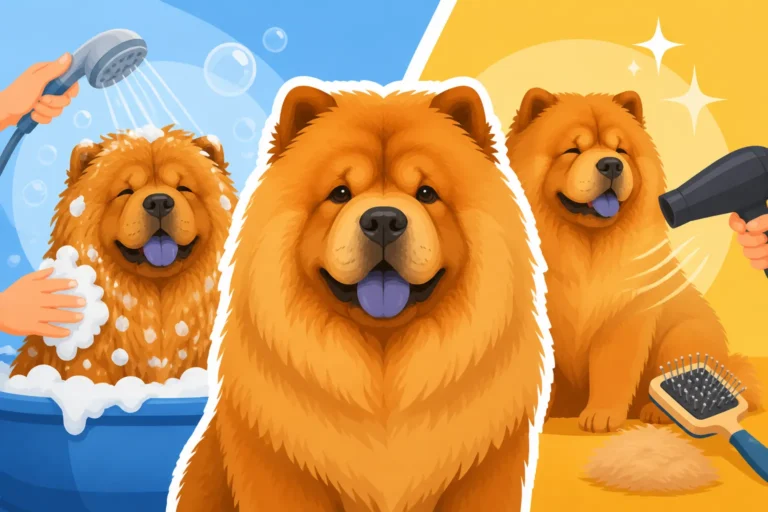
Bathing a Chow Chow isn't a quick dunk; it's a project. But regular baths, ideally every 4-6 weeks (or more often if your Chow gets particularly dirty), are essential for maintaining coat health and preventing mats. Use a good quality dog shampoo and conditioner, working it gently into the coat, especially in the britches.
The real key, however, is the drying process. A damp Chow Chow coat is a mat waiting to happen. You must dry your Chow thoroughly, down to the skin, using a high-velocity dryer. This tool is a game-changer for Chow Chow owners, as it blows out loose undercoat while drying the hair straight, making it less likely to mat. Air-drying is simply not an option for these dense coats, as it can lead to skin issues and stubborn matting. Bathing and Drying a Chow Chow's Dense Coat provides an in-depth look at this crucial step.
Trimming and Hygiene
While shaving a Chow Chow is generally a big no-no for their coat health and temperature regulation, strategic trimming in the sanitary area is a must. A "sanitary trim" involves carefully trimming the hair around the anus and vulva/penis to prevent waste from getting caught in the fur. This isn't about altering the look of your Chow Chow’s britches, but rather about practical hygiene.
You can use blunt-nosed scissors or a small clipper on a very short setting (like a #10 blade) to keep this area neat. If you're uncomfortable doing this yourself, your groomer can easily handle it. Keeping this area clean not only prevents matting but also significantly reduces the risk of skin infections and odor. Always be extra careful when using scissors or clippers near delicate skin.
Understanding the "Coat Blow" and Seasonal Care
Twice a year, typically in spring and fall, your Chow Chow will go through a process called "blowing coat." This is when they shed their entire undercoat, and it's an experience unlike any other for new Chow owners. During this time, the matting potential in the britches—and everywhere else—skyrockets.
Your daily brushing routine will need to intensify, sometimes requiring twice-daily sessions. A high-velocity dryer is particularly invaluable during a coat blow for blasting out loose undercoat. It’s also wise to consider professional deshedding treatments at your local groomer, who has the expertise and specialized equipment to handle the sheer volume of shedding fur. This is a critical period where neglecting grooming for even a few days can result in severe, full-body matting. When a Chow Chow Blows Its Coat details what to expect and how to manage this seasonal event.
Addressing Existing Mats and When to Seek Professional Help
Despite your best efforts, sometimes mats happen. A small mat caught early is manageable, but a large, tight mat in the britches requires a careful approach to avoid causing pain or injury to your Chow.
Gentle Dematting at Home (for small mats)
For small, loose tangles or developing mats, you can attempt to work them out at home.
- Preparation: Always start with a dry coat. Wet mats tighten and become harder to remove.
- Tools: Arm yourself with a good detangling spray (you can find these at pet stores like Chewy or Amazon), a slicker brush, and a sturdy metal comb with both wide and narrow teeth. A mat splitter tool can also be helpful, but use with extreme caution.
- Technique: Isolate the mat. Hold the hair at the base of the mat closest to the skin with one hand to prevent pulling on the skin. This is vital to avoid causing pain. Spray the mat liberally with detangling spray. Gently tease apart the edges of the mat with your fingers. Then, use the tip of a comb or the corner of a slicker brush to gradually work at the mat, starting from the outermost edge and slowly working inward. Do not pull or rip. Work slowly, section by section.
- Mat Splitter Caution: If using a mat splitter, slide it under the mat, close to the skin, and gently pull it through to cut the mat into smaller sections. Never pull on the tool or cut too close to the skin. These tools are sharp.
- Patience is Key: This process can take time, and your Chow Chow's comfort is paramount. Keep sessions short, offer treats, and praise them often. If your Chow shows signs of discomfort or aggression, stop immediately.
Remember, a mat the size of a quarter can hide a mat the size of a softball underneath the plush outer coat. Always check thoroughly. When a Mat Should Be Cut Out of a Chow Chow offers guidance on when cutting is necessary.
When to Call the Professional Groomer
There are times when home dematting is simply not feasible or safe. If a mat is large, dense, tight against the skin, or causing your Chow Chow pain, it's time to call a professional groomer. Do not try to cut out large mats with household scissors, as it's incredibly easy to cut the skin underneath, leading to painful and costly vet visits.
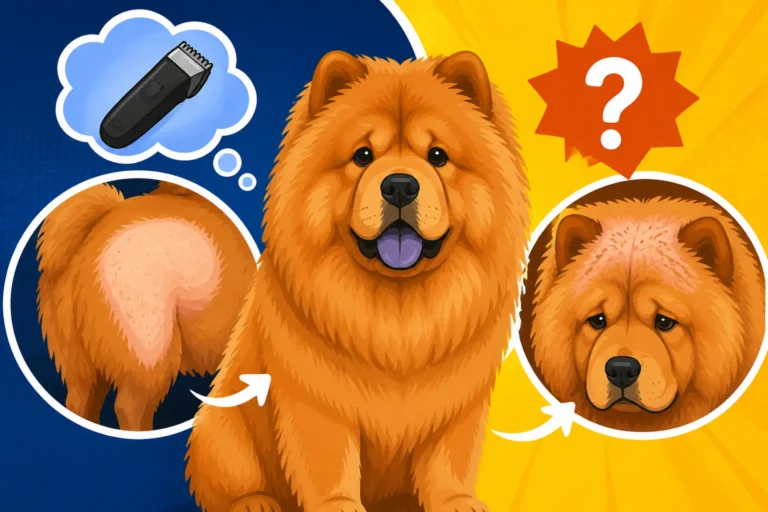
A professional groomer has specialized tools, techniques, and experience in safely removing even severe mats. They also understand the unique challenges of the Chow Chow coat. They might need to use clippers to carefully shave out the mat, often referred to as "dematting by shaving." This can leave bald spots, but it's the safest and most humane option for your dog. It might be an unexpected expense, but the relief your Chow Chow will feel is priceless. What a Rough Coated Chow Chow Costs at the Groomer can give you an idea of the expense involved. Be sure to ask about their experience with Chows; finding a groomer Finding a Groomer Who Will Take a Chow Chow with specific breed experience is invaluable.
The Consequences of Neglected Mats
Ignoring mats in the britches, or anywhere else on your Chow Chow, leads to a host of problems:
- Pain and Discomfort: Mats pull on the skin, causing constant irritation and pain, especially when your Chow moves.
- Skin Infections: Mats prevent air circulation, trapping moisture and creating a breeding ground for bacteria and yeast, leading to hot spots, dermatitis, and other painful skin infections. Whether a Matted Chow Chow Gets Hot Spots delves into this issue.
- Restricted Movement: Severe mats can restrict your Chow Chow's ability to move freely, making it difficult to walk, sit, or even lie down comfortably.
- Parasites: Fleas, ticks, and other parasites can hide within dense mats, making them incredibly difficult to detect and treat.
- Veterinary Complications: If mats become severe enough to require veterinary intervention, the process of shaving them out can be stressful and may even require sedation, adding significant cost and risk.
In conclusion, the Chow Chow's britches are a magnificent but vulnerable part of their coat, requiring diligent, consistent care. By understanding why they mat, and by implementing a thorough preventative grooming routine, you can keep your Chow Chow comfortable, healthy, and looking their best.
| Matting Factor | Why it Affects Britches Especially | Preventative Measure |
|---|---|---|
| Friction | Constant rubbing from sitting, walking, lying down, tail wagging | Daily thorough line brushing; regular coat checks |
| Moisture | Exposure to urine, damp ground, rain; slow drying | Immediate and thorough drying after baths/wetness; sanitary trim |
| Waste Accumulation | Fecal matter getting caught in fur | Sanitary trim; daily cleaning if necessary |
| Dense Undercoat | High concentration of soft, shed-prone undercoat in this area | Frequent brushing with slicker brush and comb; regular deshedding |
| Coat Blow | Massive shedding of undercoat twice a year | Increased brushing frequency; professional deshedding assistance |
Disclaimer
This article is for general informational purposes only and does not constitute professional advice. Laws, prices and regulations vary by location and change over time. Consult a qualified professional for guidance on your specific situation.