How Often a Chow Chow’s Ears Should Be Checked
One of the trickiest parts of caring for a Chow Chow is navigating their glorious, dense coat, which often hides a multitude of potential issues. Their ears, tucked away beneath all that fluff, are a prime example. You might think everything looks fine from the outside, but without regular, thorough checks, you could easily miss a brewing infection or irritation until it becomes a really painful problem for your stoic companion. This guide is all about helping you understand why Chow Chow ears need special attention and how often you should be checking them to keep your furry friend comfortable and healthy.
The Unique Challenges of Chow Chow Ears
Chow Chows, with their distinct appearance, also come with some unique anatomical features that can make ear care a bit more involved than with other breeds. It’s not just about their thick coats; there are structural elements that contribute to why their ears can be more prone to issues if not diligently monitored.
Why Their Ear Canals Are Different
Unlike many breeds with open, airy ear canals, Chow Chows often have a more constricted or narrower ear canal. Imagine trying to see or clean something down a winding, narrow tunnel – that's a bit what it can be like with a Chow Chow's ear. This particular structure means that airflow into the ear canal isn't as free, creating a warmer, more humid environment. And what loves warm, humid environments? Yeast and bacteria, unfortunately. This lack of ventilation can become a breeding ground for these opportunistic organisms, leading to infections that can quickly become uncomfortable and even painful.
Furthermore, some Chow Chows have quite a bit of hair growing inside their ear canals. While a little hair can act as a barrier against debris, too much can trap moisture, wax, and dirt even more effectively. This creates a perfect storm for microbes to flourish. It’s a delicate balance, and understanding that your Chow's ear anatomy isn't just a generic dog ear is the first step in proactive care. You can't just glance at it and assume all is well; you really need to get in there and take a proper look.
The Dense Coat Hiding Potential Problems
That magnificent double coat, the hallmark of the Chow Chow, is absolutely stunning, but it's also a master of disguise. Around their ears, this fur can be incredibly thick, forming a natural barrier that makes it incredibly difficult to spot the early signs of an ear problem. Redness, discharge, or even minor swelling can be completely hidden from view until an infection is well-advanced.
You might not notice a subtle change in color or texture of the skin, or a small amount of waxy buildup, because it's all buried under layers of fur. This is why many owners only realize there's an issue when their Chow Chow starts showing more obvious signs, like persistent head shaking, scratching frantically at their ears, or holding their head at an unusual angle. By then, the problem is usually beyond a simple cleaning and requires veterinary intervention. It's similar to how Why a Chow Chow's Dense Coat Hides Skin Disease can make other dermal issues hard to detect, requiring a hands-on approach rather than just a visual one. The coat is beautiful, but it demands an active, tactile approach to health monitoring.
How Often You Should Be Checking Your Chow Chow's Ears
Given the unique challenges presented by a Chow Chow's ear structure and their heavy coat, regular ear checks aren't just a suggestion—they're a crucial part of their routine care. Being proactive can save your Chow Chow a lot of discomfort and potentially save you significant vet bills down the line.
The Routine Weekly Check-Up
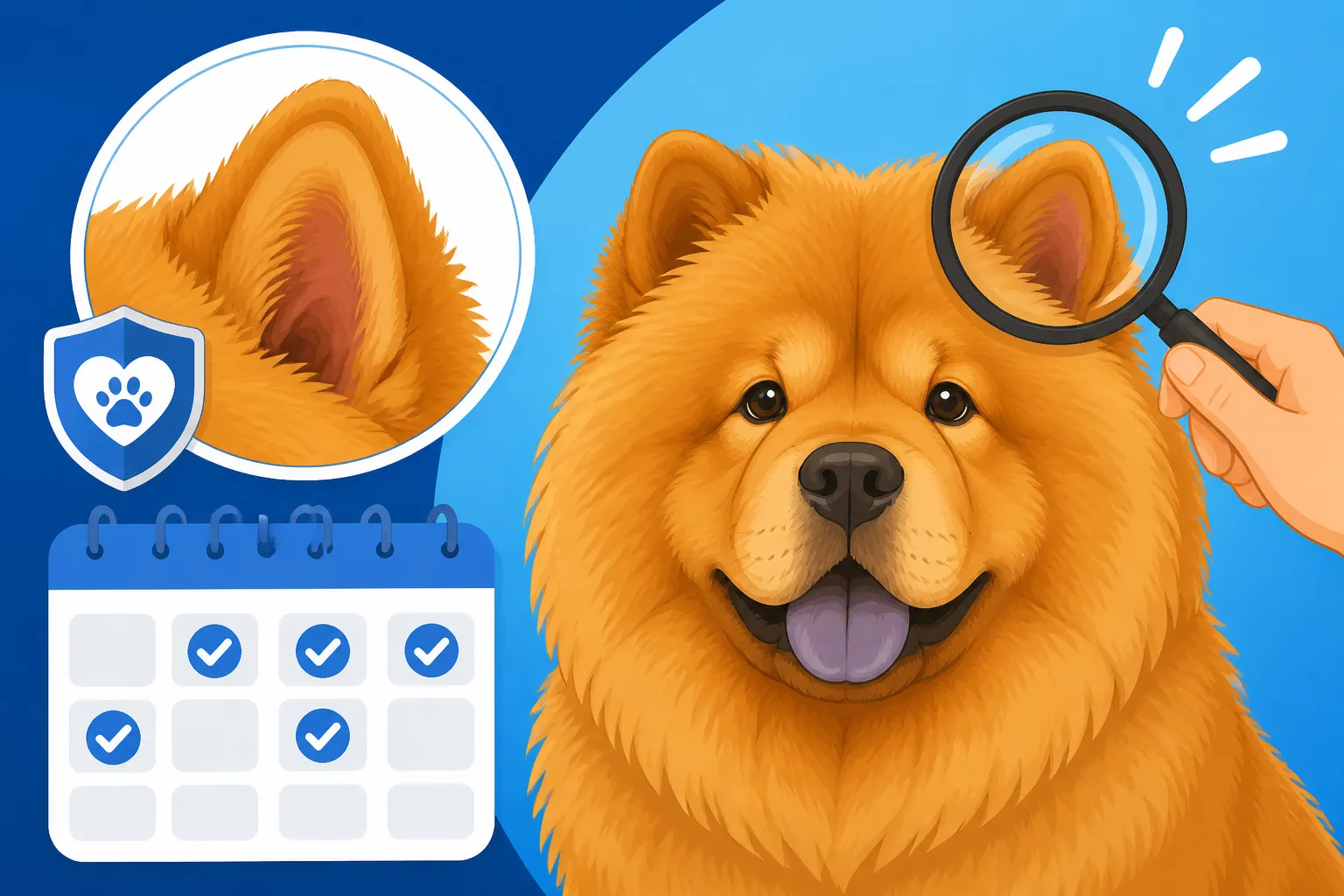
For a healthy Chow Chow with no history of ear issues, a thorough weekly ear check is generally sufficient. This should be a calm, quiet time, ideally integrated into a regular grooming session. The goal is to make it a positive experience, so have some high-value treats ready.
Here's what a weekly check-up should look like:
- Preparation: Gather your supplies: a good light source (a headlamp or small flashlight works wonders), some soft cotton balls or pads, and maybe some vet-approved ear cleaner if you plan to do a light wipe.
- Positioning: Have your Chow Chow lie down or sit comfortably. Gently lift their ear flap to expose the inner ear. You might need to part the fur around the ear canal to get a clear view.
- Visual Inspection: Look for any redness or swelling on the visible part of the ear canal and the ear flap. Compare it to the other ear—do they look the same? Is there any abnormal discharge? Normal ear wax is usually a light, pale yellow or brownish color and minimal.
- Smell Test: This might sound odd, but your nose is a powerful tool here. Gently sniff the inside of the ear. A healthy ear should have a very faint, neutral smell. A strong, yeasty, or foul odor is a major red flag, even if you don't see much discharge.
- Tactile Check: Carefully feel the base of the ear. Is it warm to the touch? Is your Chow sensitive or does it pull away when you touch it? Pain or discomfort is a strong indicator of a problem.
- Behavioral Cues: While checking, pay attention to your Chow's reactions. Are they flinching, shaking their head, or pawing at their ear when you touch it? These are immediate signs that something is wrong.
- Positive Reinforcement: No matter what you find (or don't find!), reward your Chow Chow with praise and treats. This helps build a positive association with ear handling, making future checks much easier. You can learn more about Teaching a Chow Chow to Have Its Ears Checked to make this process smoother.
Consistency is key here. By doing this weekly, you'll quickly learn what your Chow's normal ears look, feel, and smell like, making any abnormalities much easier to detect.
Increased Frequency for Active or Prone Chows
Some Chow Chows require more frequent ear checks, sometimes daily or every few days, especially if they fall into certain categories:
- Swimmers: If your Chow Chow enjoys a dip in the lake or even a bath, moisture can get trapped in those dense ear canals. Water creates an ideal environment for yeast and bacteria. After any exposure to water, dry their ears thoroughly and consider checking them more frequently for a few days afterward.
- Allergy Sufferers: Dogs with environmental or food allergies often manifest symptoms through their skin, and ears are a common target. Inflamed, itchy ears are more susceptible to secondary infections. If your Chow has known allergies, keep a closer eye on their ears, especially during allergy season or if they've had a flare-up.
- History of Ear Infections: Once a Chow Chow has had one ear infection, they are often more prone to recurring issues. Regular, proactive checks (and possibly preventive cleaning as recommended by your vet) are vital to catch any signs of a relapse early.
- Puppies: Young puppies are still developing their immune systems and are exploring the world, often getting into things. While their ear canals might be slightly different as they mature, it's good practice to start regular ear checks early to get them accustomed to the process.
- During a Coat Blow: When your Chow Chow is shedding its undercoat, which happens roughly twice a year, the sheer volume of loose hair around the ears can sometimes make it even harder to see what’s going on, and occasionally, shed hair can get into the ear canal itself, causing irritation. You might want to step up your vigilance during this time.
By adjusting your frequency based on your Chow Chow's lifestyle and health history, you provide them with the best possible chance of avoiding painful and persistent ear infections.
What to Look and Smell For During an Ear Check
Knowing how often to check is one thing, but knowing what you're actually looking for is equally important. Many ear problems start subtly and escalate quickly, so early detection is truly vital. Don't be afraid to get up close and personal – your Chow will thank you for it.
Common Signs of Ear Trouble
When you’re doing your routine check, keep an eye (and a nose!) out for any of these indicators:
- Excessive Head Shaking: This is often one of the first and most obvious signs. If your Chow is shaking its head more than usual, especially repeatedly, it's trying to dislodge something uncomfortable from its ears.
- Paw Licking or Head Tilting: If your Chow is constantly pawing at an ear, rubbing its head along furniture or the floor, or tilting its head persistently to one side, it's indicating discomfort or pain.
- Redness or Swelling: Gently lift the ear flap. Is the skin inside the ear canal or on the visible part of the ear flap redder than usual? Is it puffy or swollen? These are clear signs of inflammation.
- Abnormal Discharge: Look for any discharge that isn't the normal light, waxy kind.
- Dark brown/black, crumbly discharge: Often indicates ear mites (especially in puppies) or yeast infection.
- Yellow, green, or pus-like discharge: A strong sign of a bacterial infection.
- Excessive waxy buildup: While some wax is normal, a large amount of thick, dark wax can indicate irritation or infection.
- Foul Odor: As mentioned, a healthy ear should have almost no smell. A strong, sweet, yeasty smell (like stale bread or cheese) points to a yeast infection, while a truly foul or putrid smell almost always means a bacterial infection.
- Sensitivity to Touch: If your Chow flinches, yelps, or pulls away when you gently touch their ear flap or the base of their ear, they are in pain. Their usual stoic nature can make this harder to read, but pay attention to subtle cues. Signs a Chow Chow Is Uncomfortable can be very subtle, so learning your dog's specific signals is helpful.
- Scabs or Sores: If your Chow has been scratching vigorously, they might have created scabs, scratches, or even open sores around the ear flap or just inside the canal. These can lead to secondary skin infections.
Remember, Chow Chows are known for their reserved nature and can sometimes hide pain or discomfort better than other breeds. This makes diligent observation even more critical. What might seem like a minor behavioral change could be a significant indicator of an underlying issue.
When It's Time to Call the Vet
While routine checks are essential, there are definite moments when DIY care isn't enough, and you need to get professional help immediately. Never delay calling your veterinarian if you notice any of the following:
- Persistent Symptoms: If you've been checking your Chow's ears for a day or two and the head shaking, scratching, or discomfort doesn't stop or worsens.
- Any Abnormal Discharge: Especially if it's yellow, green, or pus-like, or if there's a strong, offensive odor. This almost always signifies an infection that requires prescription medication.
- Severe Redness or Swelling: If the ear is visibly inflamed, swollen, or hot to the touch.
- Pain: If your Chow reacts with significant pain when you touch their ear, or if they seem generally miserable.
- Balance Issues or Head Tilt: These can sometimes indicate a more serious inner ear infection, which can affect their balance.
- Sudden Hearing Loss: While rare, a severe ear infection can sometimes impact hearing.
- Aural Hematoma: If the ear flap itself appears swollen and puffy, like a balloon, it could be an aural hematoma – a collection of blood due to vigorous head shaking, which needs veterinary drainage.
Attempting to treat a deep ear infection yourself with over-the-counter remedies is usually ineffective and can often make the problem worse or mask a more serious underlying condition. Your vet can perform an otoscopic exam to look deep into the ear canal, take swabs for cytology (to identify bacteria or yeast), and prescribe the correct medication, whether it's ear drops, oral antibiotics, or anti-inflammatory drugs. They can also advise on proper cleaning techniques if an infection is present. Brands like Chewy and Amazon offer a variety of ear-cleaning products, but always ensure they are vet-approved before use, especially if an infection is suspected.
Essential Ear Care Tools and Techniques
Keeping your Chow Chow’s ears healthy isn't just about spotting problems; it's also about proactive care. Having the right tools and knowing how to use them gently can make a world of difference.
Gentle Cleaning and Maintenance
For general maintenance of healthy ears, your vet might recommend a specific ear cleaning solution. These solutions are formulated to help break down wax and debris without irritating the delicate skin inside the ear.
Here’s a safe approach to cleaning:
- Choose the Right Cleaner: Always use an ear cleaner specifically designed for dogs and, ideally, one recommended by your veterinarian. Avoid rubbing alcohol, hydrogen peroxide, or other harsh chemicals, as these can cause irritation and damage. Many reputable brands offer gentle, pH-balanced ear cleaners, which you can find on platforms like Chewy or Amazon.
- Application: Hold the ear flap up and squirt a veterinarian-approved cleaning solution directly into the ear canal until it's full, or as directed on the product.
- Massage: Gently massage the base of the ear for about 30 seconds. You should hear a squishy sound as the solution works its way around. This helps loosen wax and debris.
- Wipe: Allow your Chow Chow to shake their head. This helps expel much of the liquid and loosened gunk. Then, use soft cotton balls or pads to gently wipe out any visible solution and debris from the outer ear and the entrance to the ear canal.
- Avoid Q-tips: Never insert cotton-tipped applicators (Q-tips) deep into your Chow Chow's ear canal. This can push debris further in, potentially damage the eardrum, or cause irritation. Stick to wiping the parts you can see.
- Drying: After cleaning, ensure the ear canal is as dry as possible, especially for a Chow Chow. Moisture left behind can ironically contribute to the very infections you're trying to prevent. You might gently dab the visible parts with a dry cotton ball. You can also refer to techniques for How to Get Water Through a Chow Chow's Undercoat when bathing to ensure thorough drying around the ears as well.
Remember, consistent, gentle cleaning, coupled with your weekly visual and olfactory checks, is your best defense against ear infections.
Desensitization and Positive Reinforcement
Getting a Chow Chow to calmly accept ear handling and cleaning can be a challenge, especially if they are naturally wary or have had painful ear experiences in the past. Their aloof nature can make them less tolerant of perceived invasions of personal space. This is where desensitization and positive reinforcement become your best friends.
- Start Early: If you have a puppy, start handling their ears gently from day one. Make it a fun, treat-filled game.
- Short, Sweet Sessions: Keep handling sessions very brief at first—just a few seconds of gentle touch to the ear, followed by lavish praise and a high-value treat. Gradually increase the duration as your Chow becomes more comfortable.
- Pair with Good Things: Always associate ear handling with positive experiences. Before and after touching their ears, offer a favorite treat, like a piece of cooked chicken or a morsel of an Ollie dog food treat. The goal is for them to think, "Oh, ear touch means yummy food!"
- Go at Their Pace: Never force the issue. If your Chow pulls away or shows signs of stress, back off and try again later or shorten the session. Forcing them will only create negative associations and make future handling much harder. Whether a Chow Chow Should Be Restrained or Released is a common question at the vet, and the principle applies at home too – cooperation is better than force.
- Practice Without Cleaning: Many times, just touching and looking is enough. You don't need to clean every time you check. Practice the routine check-up steps without any liquid or tools, just your hands and a light, so they get used to the motions.
- Consult a Professional Trainer: If your Chow Chow is particularly resistant or aggressive about ear handling, consider consulting a professional dog trainer or a veterinary behaviorist. They can provide tailored guidance and techniques to help your Chow become more comfortable with necessary care. Sometimes, working with a "Fear Free" certified veterinarian can make a huge difference, particularly for a breed that can be sensitive to handling. Knowing Whether a Chow Chow Needs a Fear Free Practice can be a game-changer for regular vet visits and home care alike.
Building a foundation of trust and positive association around ear care will not only make your life easier but will also ensure your Chow Chow receives the vital health monitoring they need throughout their The Eight to Twelve Years a Chow Chow Gets.
| Ear Check Frequency | What to Look For | What to Smell For | Action If Found (Normal Chow) | Action If Found (High-Risk Chow) |
|---|---|---|---|---|
| Weekly | Mild redness, minimal light wax | Faint, neutral smell | Continue routine checks | Increase frequency, consult vet if concern persists |
| Daily/Every Few Days | Excessive head shaking, pawing, tilting head, strong odor, abnormal discharge, pain on touch, swelling, scabs | Strong yeasty, foul, or sweet smell | Contact vet immediately, do not self-treat | Contact vet immediately, do not self-treat |
| After Swimming/Bathing | Moisture in canal, excessive wetness around ear | Any unusual smell | Thoroughly dry, monitor for 24-48 hours | Thoroughly dry, close monitoring, consider vet-approved drying agent |
Disclaimer
This article is for general informational purposes only and does not constitute professional advice. Laws, prices and regulations vary by location and change over time. Consult a qualified professional for guidance on your specific situation.