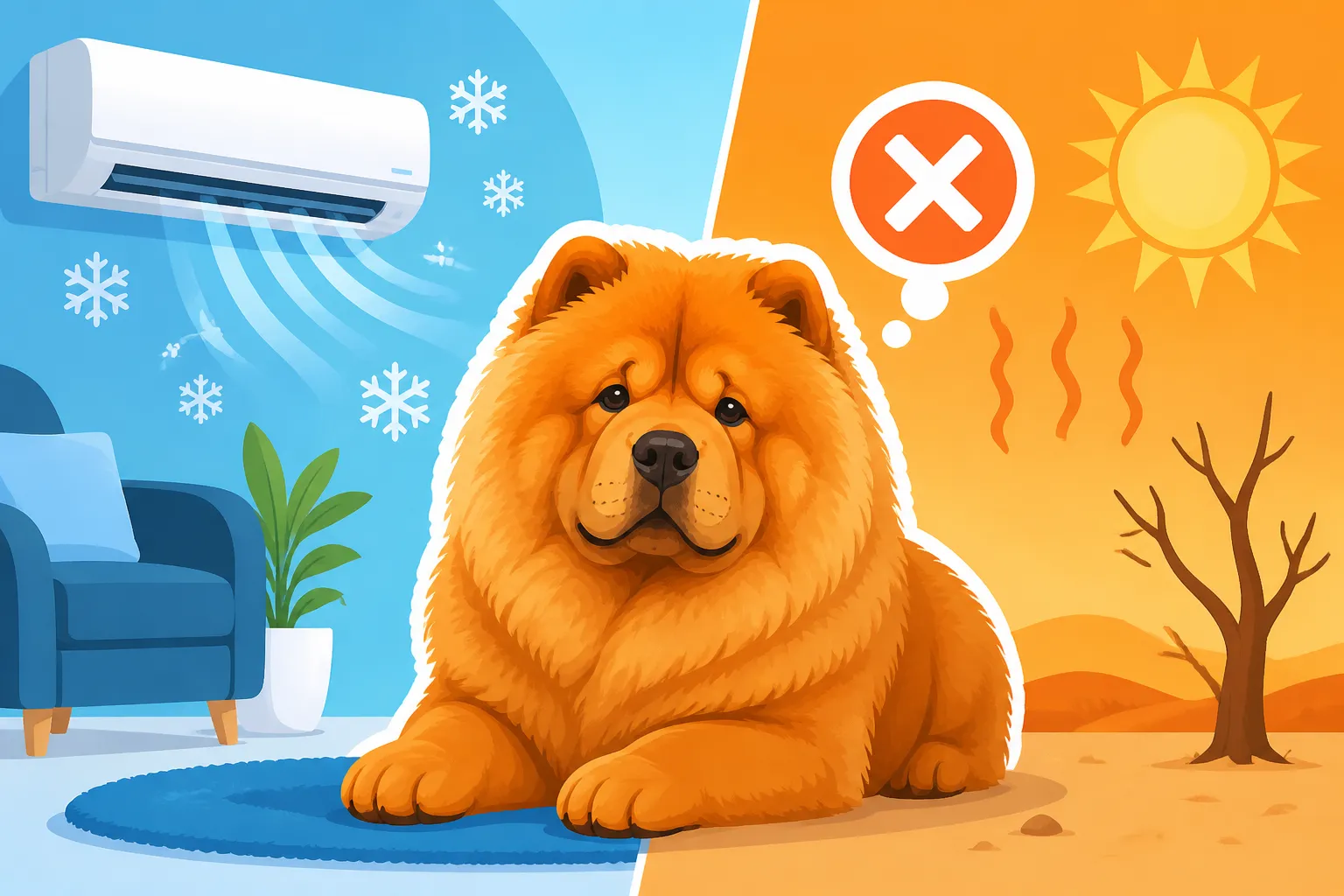
Whether a Chow Chow Can Live Without Air Conditioning
One of the biggest concerns for any Chow Chow owner, especially as the temperatures start to climb, is whether our beloved fluffy companions can truly thrive without air conditioning. It's a real worry, and honestly, a topic that brings many of us significant anxiety. We see their thick coats and imagine how uncomfortable they must be, constantly questioning if we're doing enough to keep them safe and happy. This guide is here to tackle that head-on, exploring the unique challenges Chow Chows face with heat and offering practical, realistic solutions for managing their comfort and safety, whether you have AC or not.
Understanding the Chow Chow's Unique Heat Vulnerability
Let's be real, our Chows are absolutely stunning, with their magnificent coats and dignified bearing. But those very features that make them so regal are also their biggest Achilles' heel when it comes to heat. It’s not just about looking hot; it’s about their fundamental physiology working against them in warm climates. Understanding why they struggle is the first step toward keeping them safe.
The Double Coat Dilemma
A Chow Chow's signature plush coat is actually a double coat, meaning it has two distinct layers. There's the harsh, straight outer guard coat that gives them their iconic "lion's mane" appearance, and underneath, a soft, dense, woolly undercoat. In their ancestral home, this double coat was a blessing, providing insulation against harsh, cold winters. It's designed to trap a layer of air, keeping them warm.
However, in warmer weather, this protective layer becomes a thermal blanket, trapping heat against their body rather than allowing it to dissipate. It's like wearing a heavy winter parka in July. No matter how much you brush, that dense undercoat makes it incredibly difficult for ambient air to reach their skin and help cool them down. This is also why Why Shaving Does Not Cool a Chow Chow is such critical advice – shaving actually removes their natural insulation against both heat and cold, and often damages the coat regrowth.
The Short Muzzle's Cooling Challenge
Beyond their glorious fur, Chow Chows also possess what's known as a brachycephalic, or short, muzzle. Think about a bulldog or a pug, though a Chow Chow's muzzle isn't quite as extreme. This shorter facial structure impacts their ability to cool themselves efficiently. Dogs primarily cool themselves by panting. When a dog pants, air rapidly moves across the moist surfaces of their tongue, mouth, and throat, evaporating moisture and carrying heat away from the body.
For a dog with a longer muzzle, there's more surface area for this heat exchange to occur, and the airflow is generally less obstructed. A Chow Chow's shorter muzzle, however, means a less efficient respiratory system for cooling. They have smaller airways and often a thicker soft palate, which can vibrate and block airflow when they try to pant rapidly. This physiological design means they have to work much harder to achieve the same cooling effect as a longer-nosed breed, making them far more susceptible to overheating, even when they're just sitting still. This is especially true after even mild exertion, as discussed in Why a Chow Chow's Short Muzzle Cools Poorly.
The Risks of Overheating and Heatstroke
It’s not an exaggeration to say that heat is the Chow Chow's most immediate danger, far more so than for many other breeds. What might be an uncomfortably warm day for another dog can quickly become a life-threatening emergency for a Chow Chow. We need to be vigilant because the consequences of underestimating their heat sensitivity can be devastating.
Recognizing the Warning Signs
Spotting the early signs of overheating is absolutely critical. Our Chows are famously stoic and independent, which means they might not always overtly "complain" until they're in serious distress. You have to be their advocate and know what to look for. Initial signs of heat stress might include excessive panting, often louder and more labored than usual. They might seem restless, trying to find a cooler spot, or conversely, appear sluggish and unresponsive. Their gums might look darker red, and their tongue might be a deeper purple.
As things escalate, you might notice thick, ropey saliva, indicating dehydration. They might start to stumble, appear disoriented, or even vomit. Tremors and a rapid heart rate are also red flags. If you see any of these more severe symptoms, it’s no longer just "getting warm" – it's an emergency. Time is of the essence, and waiting can have irreversible consequences. Remember, Signs a Chow Chow Is in Heat Stroke are not to be ignored for a moment.
The Dangers of Heatstroke
Heatstroke isn't just about feeling hot; it's a severe medical condition where a dog's body temperature rises dangerously high, and their internal organs start to shut down. The body's natural cooling mechanisms are overwhelmed, leading to a cascade of systemic failures. This can include damage to the brain, kidneys, liver, and heart. Blood clotting disorders can develop, and severe dehydration exacerbates the problem.
In the worst cases, heatstroke can lead to permanent organ damage, neurological issues, or even death, sometimes very rapidly. The robust nature of a Chow Chow, combined with their dense coat, means that by the time you realize they are truly struggling, they might already be in a critical state. Treating heatstroke is an intensive, expensive process, often requiring hospitalization, intravenous fluids, and aggressive cooling measures, and even then, there's no guarantee of a full recovery. Understanding What Heat Stroke Costs to Treat in a Chow Chow financially is one thing, but the emotional toll is far greater.
Practical Strategies for a Chow Chow Without AC (or during outages)
So, what if air conditioning isn't an option for you, or what if your AC unit decides to call it quits in the middle of a heatwave? Don't despair, but do prepare. There are many strategies you can employ to significantly mitigate the risks and keep your Chow Chow as comfortable as possible. It requires a proactive approach and a commitment to environmental management, but it absolutely can be done.
Creating a Cooler Environment
The goal here is to create a microclimate for your Chow Chow that is as cool as possible. First, identify the coolest parts of your home. Basements, tiled floors, or rooms on the north side of the house often stay naturally cooler. Make these areas accessible and inviting for your Chow. Strategic use of fans can make a huge difference, even if they don't lower the ambient temperature, they create airflow that helps evaporate moisture from your dog's skin and respiratory tract. Consider placing a bowl of ice in front of a box fan to blow cooler, slightly humidified air.
Block out the sun. Keep curtains or blinds closed during the hottest parts of the day, especially on south and west-facing windows. This can dramatically reduce solar heat gain inside your home. If you have an outdoor space, ensure there is ample, dense shade throughout the day. A canopy, an umbrella, or even strategically placed shade cloths can offer relief. For specific cooling products, you can find a wide array of cooling mats, elevated beds that allow for airflow, and even specialized vests on platforms like Amazon or Chewy. While What Air Conditioning Costs a Chow Chow Owner in Summer might be a concern, investing in these alternatives is often a necessary part of responsible Chow Chow ownership.
Active Cooling Measures and Hydration
Beyond environmental control, you'll need to actively help your Chow cool down. Cooling mats are fantastic; they often contain a gel that activates with pressure, drawing heat away from your dog's body. Some can even be refrigerated for extra chill. Wet towels, wrung out and draped over your Chow's back or belly, can also provide immediate relief as the water evaporates. Focus on areas with less fur, like their armpits and groin.
A shallow kiddie pool filled with cool water in a shaded spot can be a lifesaver. Many Chows enjoy wading or even just standing in the cool water to bring their body temperature down. Always ensure they have access to an abundance of fresh, cool water. Adding ice cubes to their water bowl can encourage drinking and keep the water colder for longer. You can even make frozen treats using dog-safe broth or pureed fruit, which not only hydrates but also provides a cooling snack. Some companies, like Ollie, offer high-quality, fresh food options that can be slightly chilled, making them more appealing and hydrating during hot spells. These active steps are crucial for How to Cool a Chow Chow Down Fast if you suspect they're getting too warm, and studies suggest Whether a Cooling Mat Actually Helps a Chow Chow is a resounding yes.
Adjusting Daily Routines
Your Chow Chow's daily routine absolutely needs to be adjusted when temperatures rise. Avoid walks, intense playtime, or any strenuous activity during the hottest parts of the day. This typically means early mornings and late evenings are the only safe times for outdoor excursions. If the pavement is too hot for your bare hand, it's too hot for their paws, so choose grassy areas or walk during cooler hours.
Keep outdoor time brief, even in the shade. Indoor exercise, such as short training sessions or puzzle toys, can keep them mentally stimulated without the heat risk. And this should go without saying, but never leave your Chow Chow unattended in a car, even with the windows cracked. The temperature inside a car can skyrocket to dangerous levels in minutes, even on a seemingly mild day. It's a risk not worth taking, and Why a Chow Chow Should Never Wait in a Car is a lesson learned too often with tragic consequences. Being mindful of When a Chow Chow Should Be Walked in Summer is not just about comfort, but survival.
When Air Conditioning Becomes Non-Negotiable
While careful management can go a long way, there are definitely situations where relying solely on alternative cooling methods for a Chow Chow simply isn't enough. It comes down to a combination of external factors like climate and internal factors like your dog's individual health. As responsible owners, we have to be realistic about our limitations and our dog's needs.
Climate and Geography
Let's face it: living in certain parts of the world with a Chow Chow without air conditioning is not just challenging, it can be downright dangerous. If you live in a region that experiences prolonged periods of high heat and humidity, where nighttime temperatures barely drop below 75-80°F (24-27°C), then AC transitions from a luxury to a necessity. In places like the American Southwest, the Deep South, or even many urban areas during a serious heatwave, the ambient air simply isn't cool enough for a Chow Chow to regulate their body temperature naturally, even with fans and other aids.
The key is often the duration of the heat. A few hot days might be manageable, but weeks on end of oppressive heat will wear down even the most diligently cared-for Chow Chow, increasing their risk of chronic heat stress and eventual heatstroke. In these environments, attempting to live without AC isn't fair to the dog and places them in constant jeopardy. Whether a Chow Chow Belongs in a Hot Climate is a serious question for prospective owners in such areas.
Age and Health Factors
A Chow Chow's individual circumstances play a huge role in their heat tolerance. Puppies and senior Chows are particularly vulnerable. Puppies haven't fully developed their thermoregulatory systems, and they're often more active, increasing their heat production. Senior Chows, generally those The Age a Chow Chow Is Considered Senior (around 8 years old), have less efficient organ function, including their cardiovascular system, making it harder for them to cope with heat stress. They might also have underlying health conditions that make them less resilient.
Chows with pre-existing health issues, such as heart disease, respiratory problems (which are already a concern due to their brachycephalic nature), or obesity, have a significantly reduced capacity to handle heat. For these dogs, even a moderately warm day can be life-threatening. The stress of constant overheating can exacerbate these conditions and lead to a rapid decline in their health. While we often think of Whether an Aging Chow Chow Feels the Cold, the truth is their internal systems are less robust for dealing with any extreme. In these cases, air conditioning is not just recommended; it's often a crucial component of their ongoing care and well-being.
Sometimes, despite our best efforts, the ambient heat is just too much, or our dog's health dictates a higher level of environmental control. Here's a quick comparison of various cooling methods:
| Cooling Method | Pros | Cons | When It's Best |
|---|---|---|---|
| Air Conditioning (AC) | Consistent, controlled cooling | High energy cost, not always available | Hot/humid climates, vulnerable Chows, long periods of heat |
| Fans (Circulating Air) | Improves air circulation, affordable | Doesn't lower ambient temp, just evaporative cooling | Mild to moderate heat, indoors with other cooling aids |
| Cooling Mats | Direct body contact cooling, portable | Limited surface area, can warm up over time | Spot cooling, indoors, complements other methods |
| Wet Towels/Wipes | Immediate relief, cheap, versatile | Needs frequent re-wetting, can create dampness | Quick cool-downs, emergencies, short-term relief |
| Kiddie Pool/Wading | Excellent full-body cooling, engaging | Messy, requires outdoor space, supervision | Outdoor cooling, playful Chows, hot but not extreme temps |
| Frozen Treats/Ice Cubes | Hydrating, engaging, internal cooling | Short-lived, small contribution to overall cooling | Supplement, mild heat, keeps Chows occupied |
The reality is that while some Chow Chows can tolerate living without air conditioning in very mild climates with diligent management, for most, especially in modern homes and warmer regions, it presents a significant and often unnecessary risk. It's a decision that must always prioritize the health and comfort of our unique furry family members.
Disclaimer
This article is for general informational purposes only and does not constitute professional advice. Laws, prices and regulations vary by location and change over time. Consult a qualified professional for guidance on your specific situation.