What to Do When a Chow Chow Skips a Meal
It can be incredibly disheartening, and frankly, a bit anxiety-inducing, when your typically robust Chow Chow suddenly turns up their nose at their food bowl. You've got this magnificent, dignified creature who usually eyes their meal with quiet expectation, and then, without warning, they just… aren't interested. This isn't just about a missed meal; it triggers a cascade of worries about their health and well-being. This guide is here to walk you through the common reasons why a Chow Chow might skip a meal, when you truly need to worry, and actionable steps you can take to encourage them to eat and ensure they stay healthy.
Understanding Why Your Chow Chow Might Skip a Meal
It’s easy to jump to the worst conclusions when your Chow Chow isn't eating, but often, the reasons are far less dire than you might think. Chows are unique, and their personalities often manifest in their eating habits. They aren't typically known for being ravenous eaters like some other breeds, and their independent nature can extend to their mealtimes.
Picky Eaters and Routine Changes
Chow Chows can, indeed, be quite particular. Unlike some dogs that will hoover up anything put in front of them, a Chow might decide their usual kibble just isn't cutting it today. This pickiness isn't always a sign of illness; sometimes it's just their personality shining through. Perhaps the bag of food is nearing its end, and the taste or texture is slightly off, or maybe they just experienced a strong smell outside that temporarily ruined their appetite for their ordinary meal.
Furthermore, these majestic dogs thrive on routine. Any slight deviation from their regular day can throw them off. Did you change their feeding time? Did you switch their bowl? Is there a new person in the house, or did you move furniture around? Even something as seemingly insignificant to us can disrupt a Chow Chow's sense of normalcy and lead them to decline a meal. Their sensitivity to their environment means that predictability goes a long way in keeping them comfortable and, consequently, eating regularly.
Consider if you've recently introduced new treats or human food scraps. Chows are smart, and if they learn that holding out for something better often pays off, they might start to "strike" against their regular meals. It's a classic case of them training us! Consistency in what they eat and when they eat it is paramount to avoid creating a picky eater who constantly anticipates a more exciting alternative.
Environmental Stressors and Comfort
A Chow Chow's comfort level significantly impacts their willingness to eat. These dogs are creatures of habit and quiet dignity. Loud noises, unfamiliar guests, or even a different feeding location can be enough to make them lose interest in their meal. They prefer a peaceful, predictable environment, especially when eating. Think about it: would you enjoy a meal in the middle of a bustling, noisy party? Probably not. Your Chow feels the same way.
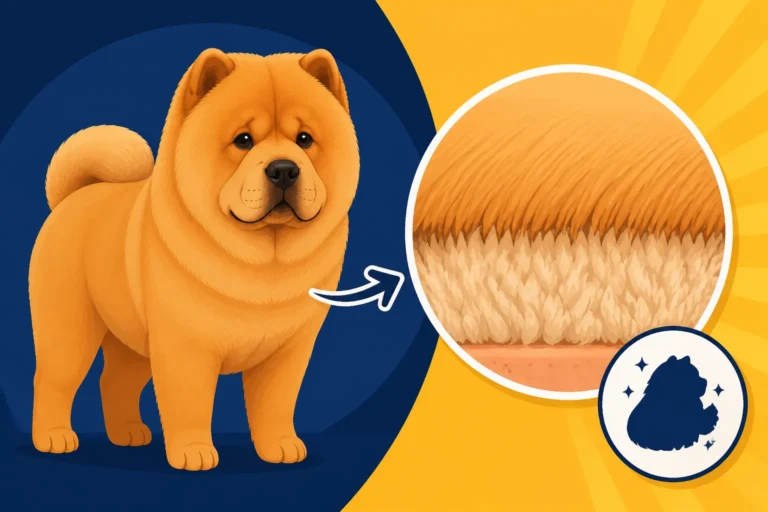
The weather can also play a huge role, especially for a breed like the Chow Chow with its dense double coat. Why a Chow Chow's Double Coat Traps Heat is a real concern, and high temperatures can severely impact their appetite. If it's a hot day, they might be feeling too warm to eat a full meal. Their body is working harder to stay cool, and eating can feel like an extra effort. Conversely, if there's been a sudden change in temperature, or if they've had a particularly strenuous (for a Chow, that is!) walk, they might just be tired or slightly overwhelmed.
Even subtle changes, like the presence of another pet, even if they usually get along, can cause stress at mealtime. If they feel they need to guard their food, or if they're distracted by another animal, they might not settle down to eat properly. Creating a designated, quiet eating space free from distractions can make a world of difference for a Chow who might otherwise be hesitant to eat.
Minor Health Issues
Sometimes, a skipped meal is a fleeting sign of a minor, easily resolved health issue. Maybe they ate something they shouldn't have on a walk – a bit of grass, a discarded crumb – that has temporarily upset their stomach. Or perhaps they're just not feeling 100% due to a minor ailment like mild constipation or a passing stomach bug that simply needs to run its course. These things happen, and often, with a bit of time, their appetite returns.
Dental discomfort can also be a silent culprit. If your Chow Chow has a sore tooth, gum inflammation, or even a small object caught between their teeth, eating can become painful. They might approach the bowl, sniff, and then back away. Whether a Chow Chow's teeth need brushing is an important question, as good dental hygiene can prevent many of these issues. Similarly, some seasonal allergies or mild skin irritations might make them generally uncomfortable, leading to a temporary dip in appetite.
It’s also possible they simply aren't hungry. Chows aren't typically high-energy dogs, and their caloric needs can be surprisingly modest for their size. If they had an extra large treat earlier, or if their activity level has been lower than usual, they might genuinely not need a meal right then. It's important to differentiate between not being hungry and outright refusal due to discomfort or illness.
When to Be Concerned: Signs of a More Serious Problem
While a skipped meal or two can often be chalked up to typical Chow Chow quirks, there are definitely times when it signals something more serious, requiring immediate veterinary attention. Knowing these warning signs can literally be life-saving.
Accompanying Symptoms That Warrant Vet Attention
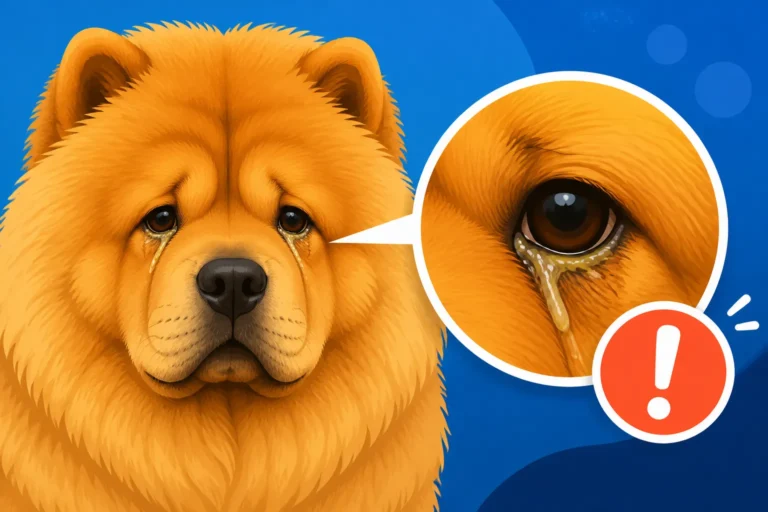
If your Chow Chow isn't just skipping a meal but is also showing other symptoms, it's time to call the vet without delay. Look for signs like vomiting, diarrhea, lethargy, or changes in their drinking habits. If they seem unusually tired, uninterested in their favorite activities, or are struggling to get up, these are all red flags. A Chow Chow's deep-set eyes can sometimes make it harder to spot issues, but if you notice any unusual discharge, redness, or excessive squinting, it could point to an eye problem like entropion, which can cause discomfort and affect overall well-being. Signs a Chow Chow Puppy's Eyes Are Sore might be similar to what an adult experiences.
Any changes in their breathing, like panting excessively without exertion, or if their gums appear pale or discolored, are serious concerns. Also, observe their stool and urine. Blood in either, or an inability to urinate or defecate, are emergencies. Remember, Chow Chows are stoic and often try to hide pain or discomfort, which is why paying close attention to these subtle changes is so crucial. Don't wait for multiple symptoms to appear; if you see even one significant accompanying symptom with food refusal, it's always better to err on the side of caution.
Another symptom to watch for is a distended or bloated abdomen, especially if it's accompanied by unproductive retching. This could be a sign of bloat (gastric dilatation-volvulus), a life-threatening emergency common in deep-chested breeds, though thankfully Whether a Chow Chow Bloats is less common than in some other breeds. Time is of the essence if you suspect bloat.
Prolonged Food Refusal
One skipped meal, or even two, over a 24-hour period, especially if your Chow Chow seems otherwise normal, might not be an emergency. However, if they go beyond 24-36 hours without eating anything at all, or if they're consistently only picking at their food for several days, it's definitely time for a veterinary visit. Prolonged lack of appetite, known as anorexia in veterinary terms, can quickly lead to dehydration and other metabolic issues, even if the underlying cause isn't immediately life-threatening.
Younger puppies, especially, cannot tolerate prolonged periods without food as well as adult Chows. If a Chow Chow puppy skips more than one or two meals, particularly if they also seem listless, you should seek veterinary advice. Their rapidly developing bodies need consistent nutrition. For an adult Chow, sustained refusal to eat, even if they are drinking water, is a strong indicator that something is truly amiss. It's not worth the risk to wait and see, particularly given their tendency to mask discomfort.
A sudden, complete loss of appetite is always more concerning than a gradual decrease or occasional pickiness. If your Chow Chow, who normally enjoys mealtime, suddenly refuses their favorite food and all attempts at enticing them, that swift change in behavior should prompt a call to your vet. This kind of abrupt shift is a much clearer indicator of potential illness than an ongoing, mild choosiness.
Practical Steps When Your Chow Chow Isn't Eating
When your Chow Chow decides to go on a hunger strike, you want to act quickly and effectively. There are several things you can try at home, but always be prepared to consult your vet.
Encouraging Appetite and Making Meals Appealing
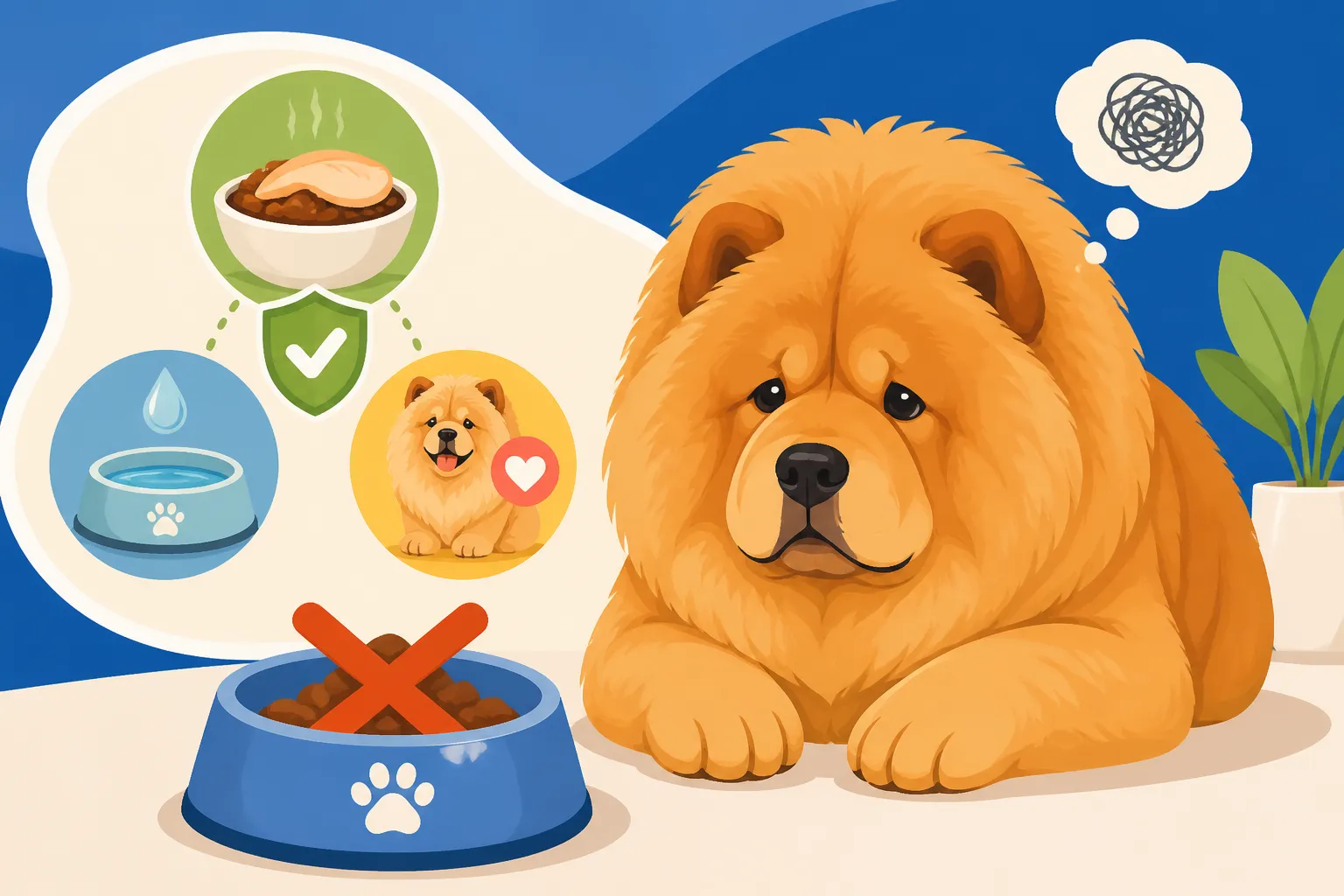
First, try to make their food more enticing. Sometimes, just warming up their regular kibble can release aromas that pique their interest. A small amount of low-sodium chicken or beef broth (ensure it has no onions or garlic!) poured over their food can also do wonders. For Chows that enjoy wet food, mixing a spoonful into their dry kibble might make it more palatable. Brands like Ollie offer fresh, human-grade food options that can be incredibly appealing to picky eaters, and a small portion might be enough to jumpstart their appetite.
You could also try offering a bland diet for a day or two. Plain boiled chicken (no skin, no bones) and white rice in small, frequent meals can be gentle on an upset stomach and tempting for a reluctant eater. Just be sure not to overdo it with rich foods, as this can exacerbate an already sensitive tummy. Remember, the goal is to get something into them.
Consider the presentation. Is their bowl clean? Is it in their usual, quiet spot? Sometimes, simply moving the bowl to a different, less trafficked area can help. For older Chows, Whether an Aging Chow Chow Needs Softer Food becomes a relevant question; if their teeth are bothering them, a softer meal will be much more comfortable. A gentle hand-feeding of a small amount of appealing food can also sometimes break the cycle of refusal.
Consulting Your Veterinarian
If your Chow Chow skips more than a couple of meals, or if any of the concerning symptoms mentioned earlier appear, your first and most important step is to contact your veterinarian. Describe all of their symptoms, even seemingly minor ones, and provide a timeline of when they stopped eating and when other symptoms appeared. Your vet might suggest bringing them in for an examination, which could include blood work or other diagnostics to rule out underlying health issues. Why a Chow Chow Is Hard to Examine at the Vet is a valid point, as their dense coat and aloof nature can make routine checks challenging, so be ready for your vet to potentially suggest a sedated exam if they need a thorough look.
When you speak to your vet, mention any recent changes in their diet, environment, or routine. Have you given them any new treats? Have they been around other animals? This information can be crucial in helping your vet diagnose the problem. It’s also wise to inquire about the potential for medication if a specific issue is found.
Don't be shy about asking questions. If your Chow Chow is typically particular, discuss strategies for encouraging eating that won't reinforce picky behavior long-term, once any underlying medical issues are addressed. Your vet can also advise on specific supplements or appetite stimulants if necessary, but these should only be used under professional guidance.
Tracking and Documentation
Keeping a simple log of your Chow Chow's eating habits can be incredibly helpful for both you and your veterinarian. Note down:
- Date and Time: When was the last full meal?
- Amount Eaten: Was it a full bowl, half, or just a few bites?
- Type of Food: What did you offer? Did you try anything different?
- Accompanying Symptoms: Any vomiting, diarrhea, lethargy, pain, changes in drinking, etc.?
- Activity Level: Were they their usual self, or more subdued?
- Environmental Changes: New noises, guests, temperature shifts?
This detailed record provides tangible data, allowing you and your vet to spot patterns or trends that might otherwise go unnoticed. It helps to track if the issue is improving, worsening, or intermittent. You can keep this on a simple piece of paper, in a notebook, or even a note on your phone.
| Observation Category | What to Document | Why It's Important |
|---|---|---|
| Meal Refusal | Date, Time, Food offered, Amount eaten (approx.) | Tracks severity and duration of inappetence. |
| Accompanying Symptoms | Vomiting (frequency, contents), Diarrhea (consistency, color), Lethargy, Pain, Coughing | Crucial for identifying underlying illness. |
| Hydration Status | Water intake (normal, increased, decreased), signs of dehydration (gums, skin elasticity) | Dehydration can quickly become serious, especially with food refusal. |
| Behavioral Changes | Mood (aloof, irritable, withdrawn), activity level, changes in interaction | Can indicate discomfort or mental distress not immediately obvious. |
| Environmental Notes | Recent changes in routine, new people/pets, weather, loud noises | Helps pinpoint non-medical stressors impacting appetite. |
| Response to Intervention | If you tried warming food, hand-feeding, bland diet, etc., note the outcome | Shows what might be effective and what isn't working at home. |
This information helps create a clear picture for the vet and ensures you don't miss any critical details that could lead to a quicker diagnosis.
Long-Term Strategies for a Consistent Eater
While dealing with a skipped meal in the moment is important, establishing long-term habits can prevent future issues and promote a healthier, more consistent appetite for your Chow Chow.
Establishing a Feeding Schedule
Chow Chows thrive on predictability, and that extends to their meal times. Establishing a consistent feeding schedule, usually twice a day, around the same time each day, helps regulate their metabolism and digestive system. This routine signals to their body when to expect food, often leading to a more reliable appetite. Avoid free-feeding, where food is left out all day, as this can encourage pickiness and make it difficult to monitor how much they are truly eating.
If your Chow Chow doesn't finish their meal within 15-20 minutes, pick up the bowl. This teaches them that food is available only at specific times and encourages them to eat when it's offered. Don't worry, they won't starve; they'll quickly learn the routine. This method can be incredibly effective in preventing the "holding out for something better" behavior. Just be sure to offer food again at the next scheduled mealtime.
For some Chows, a slightly later feeding in the evening might be better if they are generally more active (for a Chow!) in the cooler parts of the day. Observe your dog's natural rhythm and adjust the schedule to suit them, but once set, stick to it religiously. Consistency is truly key in managing a Chow Chow's eating habits.
Choosing the Right Food
Finding the right food for your Chow Chow can sometimes feel like a quest, but it's vital for their overall health and sustained appetite. High-quality dog food, whether kibble, wet food, or a mix, contains the nutrients they need without unnecessary fillers. Many owners find success with reputable brands available on platforms like Chewy or Amazon, which offer a wide variety of options and often have detailed ingredient lists and customer reviews. Don't fall for marketing gimmicks; focus on foods with real meat as the primary ingredient.
If your Chow Chow is a known picky eater, or if you're trying to transition them off a bland diet, consider a more palatable option. Some Chows respond well to fresh, gently cooked options, or even freeze-dried raw food toppers that can be rehydrated and mixed into their regular kibble. Always introduce new foods gradually over several days to avoid upsetting their stomach. Whether a Chow Chow Has a Sensitive Stomach is a good question to consider when choosing food. Start by mixing a small amount of the new food with their old food, slowly increasing the proportion of the new food each day.
When considering food, remember that Chows aren't typically high-energy dogs, so their caloric needs are often lower than their size might suggest. Overfeeding can lead to weight gain, which puts extra strain on their joints, especially if they are prone to issues like Elbow Dysplasia Ranks the Chow Chow Near the Top. Choose a food appropriate for their life stage (puppy, adult, senior) and activity level, and adjust portions as needed to maintain a healthy weight.
Creating a Calm Eating Environment
As discussed, a Chow Chow's environment profoundly impacts their willingness to eat. To encourage consistent eating, cultivate a calm, predictable, and quiet feeding space. This means no loud noises, no bustling foot traffic, and ideally, a consistent location for their food bowl. If you have multiple pets, feed them in separate areas to prevent any competition or stress that might arise.
Ensure the feeding area is comfortable and clean. Their food and water bowls should be sparkling clean before each meal. Some dogs prefer stainless steel bowls, others ceramic; experiment to see if the type of bowl makes a difference. For Chows, who can sometimes be a bit particular about things, a clean bowl in a peaceful spot can make all the difference.
Finally, manage expectations. Chow Chows are known for their dignified, sometimes aloof nature, and this extends to their eating habits. They may not devour their food with gusto every single time, and that's often perfectly normal for the breed. The goal is consistent consumption of appropriate amounts, not necessarily a frantic chow-down. Observe their overall health, activity, and temperament. If those are good, and they're eating most of their meals, you're likely doing great.
Disclaimer
This article is for general informational purposes only and does not constitute professional advice. Laws, prices and regulations vary by location and change over time. Consult a qualified professional for guidance on your specific situation.