Whether a Shaved Chow Chow’s Coat Grows Back
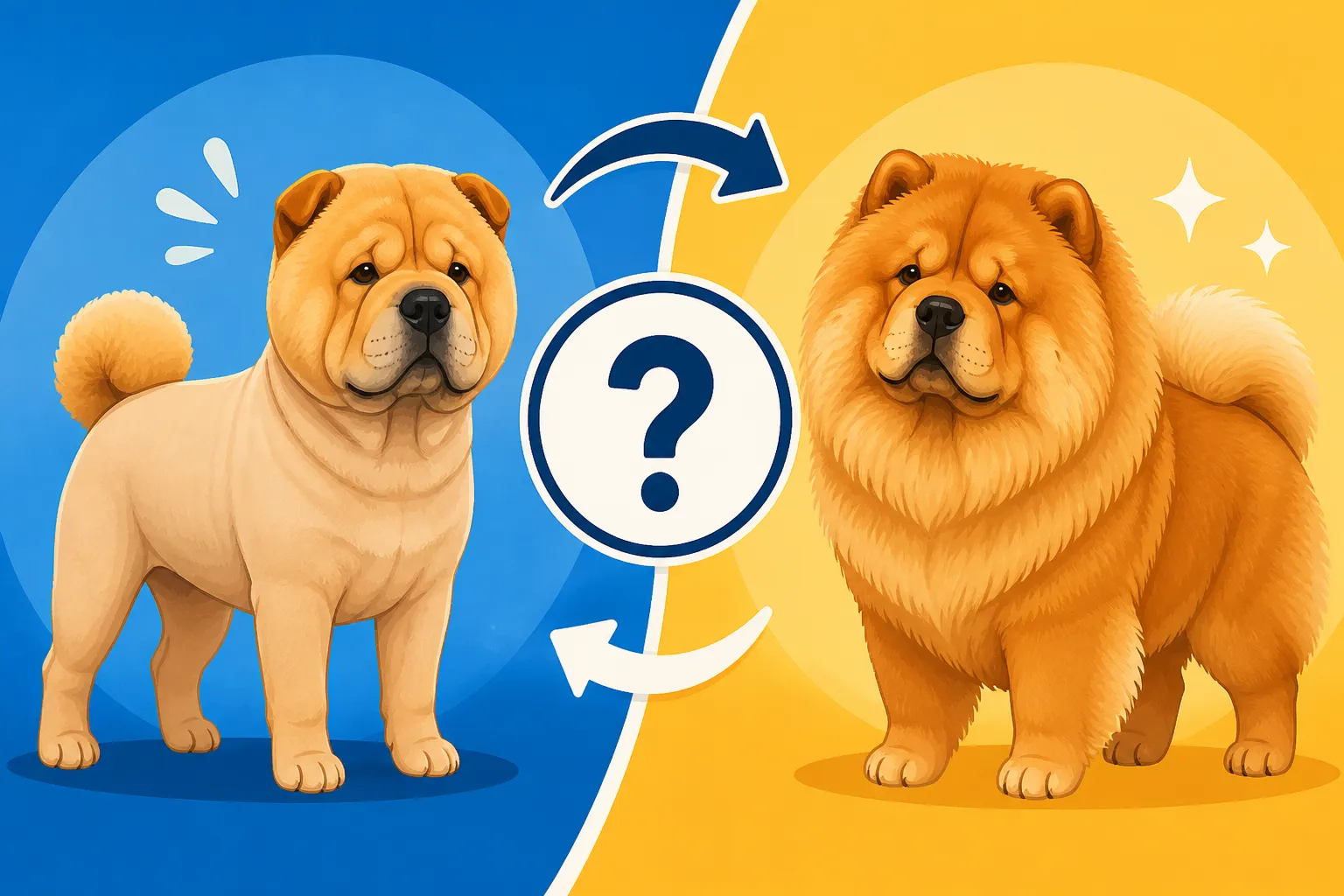
It's a common dilemma: your beautiful, fluffy Chow Chow seems uncomfortably hot, or perhaps you're battling a severe mat, and the thought crosses your mind – "Maybe I should just shave them." Many owners believe shaving will solve these problems, but it often creates new ones, particularly regarding how their magnificent coat grows back. This guide is here to shed light on what truly happens when a Chow Chow's distinctive double coat is shaved, and what you can realistically expect for its recovery.
The Intricate Design of Your Chow Chow's Double Coat
Before we even talk about shaving, it's crucial to understand the very thing we're considering altering: the Chow Chow's coat itself. It’s not just fur; it's a sophisticated, dual-layer system designed by nature for a specific purpose. Understanding this design is key to grasping why shaving can be so detrimental.
The Vital Role of Guard Hairs and Undercoat
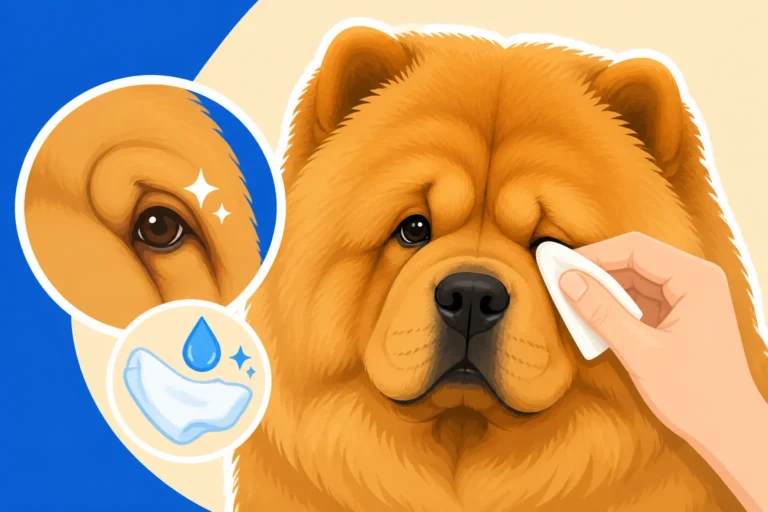
A Chow Chow’s coat is a marvel of natural engineering, consisting of two distinct layers: the outer guard hairs and the dense undercoat. The guard hairs are coarse, longer, and designed to protect the dog from external elements like rain, snow, and UV radiation. Think of them as the outer armor. They stand off the body, creating a protective barrier and allowing air to circulate. This air circulation is surprisingly vital for insulation, keeping them warm in winter and helping dissipate heat in summer. This is also why a Chow Chow’s deep set eye causes trouble, as the fur around the face can sometimes exacerbate eye issues.
Beneath this protective layer lies the undercoat, which is soft, downy, and incredibly dense. Its primary job is insulation. In cold weather, it traps warm air close to the body, keeping the Chow Chow toasty. In warmer weather, it acts as a barrier against heat, much like the insulation in your home. This undercoat is what gives the Chow Chow its plush, teddy bear-like appearance and its incredible resilience in varying climates. It’s a finely tuned system, and both layers work in harmony, shedding and growing in cycles to maintain optimal function. This intricate structure is part of What a Chow Chow's Double Coat Is Made Of.
Many people mistakenly believe that removing the undercoat or shaving the entire coat will make the dog cooler. However, this natural insulation works both ways. The dense undercoat provides a thermal barrier that prevents the sun's heat from reaching the skin directly. When this system is intact, air can move through the coat, helping to regulate body temperature. It’s a misunderstanding that shaving is a shortcut to cooling.
How Shaving Undermines This Natural Protection
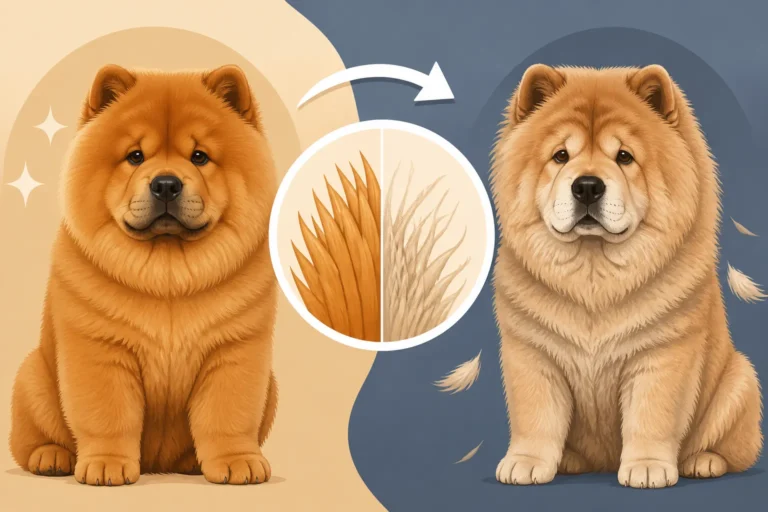
When you shave a Chow Chow, you're not just giving them a haircut; you're fundamentally disrupting this carefully balanced ecosystem. Clippers cut through both the guard hairs and the undercoat, often at an unnatural length, and sometimes even damage the hair follicles themselves. The guard hairs, which have a longer growth cycle and a coarser texture, are cut short, and they may struggle to regrow properly. The softer undercoat, however, tends to grow back much faster and often with a cottony, unruly texture. This disparity in regrowth rates and textures is where the problems begin.
The primary function of the coat—insulation and protection—is severely compromised. Without the protective guard hairs, your Chow Chow's skin is suddenly exposed to harsh sunlight, increasing their risk of sunburn and even skin cancer. The insulating properties are also lost, meaning they can become hotter in the sun because their natural barrier is gone. Conversely, in cooler weather, they lose their built-in warmth and can get cold much more easily. What Shaving Does to a Chow Chow's Undercoat is a key component of this disruption. It strips away the very mechanisms that allow your Chow Chow to regulate their own temperature effectively, potentially leading to discomfort and health issues.
Furthermore, the act of shaving can lead to what’s often called "clipper alopecia" or "post-clipping alopecia," a condition where the hair simply doesn't grow back, or grows back very slowly and patchily. This isn't just a cosmetic concern; it signifies a disruption to the natural hair growth cycle that can be long-lasting or even permanent. The follicles can be shocked or damaged, and some may never produce hair of the original texture or density again.
Navigating the Aftermath: Coat Regrowth Post-Shaving
So, your Chow Chow has been shaved. Perhaps it was due to severe matting, or maybe an unfortunate misunderstanding of their coat's function. Now you're wondering, "Will it ever look the same?" The answer is complex, and often, the regrowth process is a challenging journey for both you and your dog.
The Unpredictable Nature of Regrowth: Texture and Appearance
The most common concern after shaving a Chow Chow is the appearance of the new coat. It often doesn't grow back uniformly or with its original texture. What typically happens is that the softer, denser undercoat grows back more quickly, sometimes overpowering the slower-growing guard hairs. This can result in a coat that feels like cotton wool, is duller in color, and lacks the characteristic stiffness and sheen of a healthy Chow Chow coat. Instead of lying flat or providing structure, it might become fluffy and prone to matting even more easily than before. This cottony texture also traps heat more efficiently, ironically making your Chow Chow hotter in warm weather than their unshaved double coat would have.
Imagine the beautiful, lion-like mane and dense ruff that frames your Chow Chow’s face; after a shave, this could be replaced with soft, wispy fuzz. The coat may also appear patchy, with some areas growing faster or denser than others, creating an uneven, disheveled look. This change can be quite disheartening for owners who cherish the breed's distinctive appearance. The lack of the protective outer layer means the coat can also become more susceptible to breakage and environmental damage, delaying a return to its former glory.
Addressing Potential Long-Term Coat and Skin Issues
Beyond the cosmetic changes, shaving can lead to more serious, long-term problems. As mentioned, Whether Post Clipping Alopecia Affects Chow Chows is a very real possibility. This condition, where the hair follicles essentially go dormant and stop producing hair, can result in permanent bald patches or areas where the coat remains sparse and thin. While not harmful in itself, it’s a visible testament to the damage done. In some cases, the skin in these areas might also appear darker or leathery.
Furthermore, a shaved Chow Chow’s skin is now vulnerable. The coat ordinarily provides a protective barrier against external irritants, allergens, and UV radiation. Without it, the skin is at a higher risk for sunburn, insect bites, and various skin infections. Dogs can develop hot spots more easily as moisture can sit directly on the skin without the natural airflow the double coat provides. They might also become more itchy or develop sensitivities to environmental factors they previously tolerated. This vulnerability makes attentive skin care and vigilant monitoring for any signs of irritation or infection absolutely critical during the regrowth period.
Another challenge is the increased risk of matting during regrowth. The new, often softer undercoat can be incredibly difficult to manage, especially if it grows in unevenly. It can felt together quickly, forming dense mats close to the skin. This creates a vicious cycle where a shave intended to prevent matting can actually make future matting problems worse once the coat starts growing back with altered texture. Proper, consistent grooming becomes even more important during this delicate phase to prevent further complications.
Smarter Solutions: Keeping Your Chow Chow Comfortable Without Clipping
Understanding the risks of shaving means we need to explore better ways to keep our Chow Chows happy and healthy. There are many effective strategies to manage heat and maintain a healthy coat without resorting to clippers that could do more harm than good.
Effective Strategies for Beating the Heat
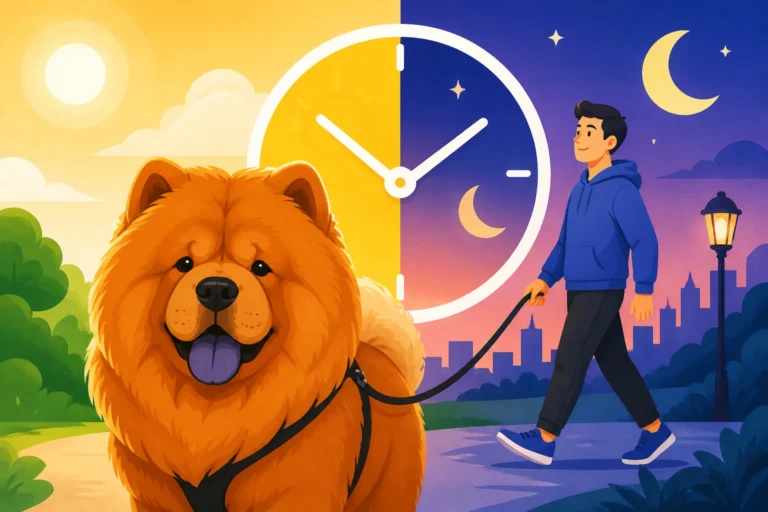
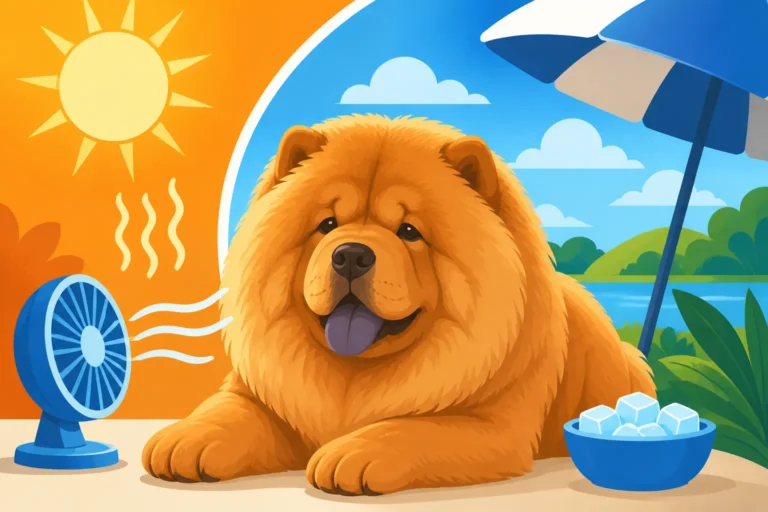
Instead of shaving, which removes your Chow Chow's natural insulation, focus on external cooling methods. First and foremost, manage their exposure to heat. Walk your Chow Chow during the coolest parts of the day – early morning or late evening. Avoid walks during midday when the sun is highest and pavement temperatures can be scorching. Always carry water with you and offer it frequently. This is especially vital given Why a Chow Chow Overheats So Easily.
At home, ensure they have access to cool, shaded areas, and consider providing a cooling mat. These mats can be found easily on platforms like Amazon or Chewy and absorb heat or contain cooling gels that provide a lower temperature surface for your dog to lie on. A kiddie pool with a few inches of water can also be a wonderful relief on a hot day, as long as your Chow Chow enjoys water and isn't forced into it. Inside, air conditioning is often a necessity for Chow Chows in warmer climates. If you don't have central air, window units or powerful fans can help circulate air and keep indoor temperatures down. Remember, their dense coat is designed for colder climates, so we need to actively help them adapt to modern living environments. How to Cool a Chow Chow Down Fast provides even more detailed guidance.
Providing plenty of fresh, cool water is also non-negotiable. Add ice cubes to their water bowl to keep it colder for longer. You can also offer frozen treats, like Kongs stuffed with frozen peanut butter or plain yogurt, which are both hydrating and mentally stimulating. Never, ever leave your Chow Chow unattended in a car, even on a mild day, as temperatures inside a vehicle can skyrocket dangerously fast.
Mastering Routine Grooming to Prevent Matting
Proper grooming is the cornerstone of a healthy Chow Chow coat and the best defense against mats that might tempt you to shave. Consistent, thorough brushing is absolutely essential, regardless of whether you have a rough-coated or smooth-coated Chow Chow. For a rough-coated Chow Chow, this means brushing several times a week, if not daily, using the right tools. Brushing a Chow Chow's Mane Down to the Skin is a critical technique that involves separating the coat in sections and brushing from the skin outwards. A slicker brush followed by an undercoat rake is generally recommended to remove loose undercoat and prevent mats from forming deep within the coat.
For both coat types, a high-velocity dryer, available on Amazon or Chewy, can be incredibly helpful, especially during their twice-yearly "coat blow" when they shed enormous amounts of undercoat. Using a dryer helps force out loose hair and prevents it from tangling and matting. It also helps to ensure the coat is completely dry after a bath, which is vital for preventing skin issues. Regularly check areas prone to matting, such as behind the ears, under the legs, around the collar, and the "britches" (the fur on their hindquarters). If you find small mats, try to gently tease them apart with your fingers before resorting to cutting.
If you're overwhelmed by the grooming demands, consider a professional groomer who is experienced with double-coated breeds like Chow Chows. They can provide deshedding treatments that safely remove excess undercoat without damaging the guard hairs. Look for a groomer who understands Why a Chow Chow Must Never Be Shaved and will work with you to maintain your dog's natural coat rather than suggesting a shave. While professional grooming costs, it’s an investment in your Chow Chow’s health and comfort, helping to prevent the need for drastic measures like shaving. Rough or Smooth: the Two Chow Chow Coats and What Each Needs offers more insights into grooming strategies for specific coat types.
Guiding Your Shaved Chow Chow Towards Coat Recovery
If your Chow Chow has already been shaved, don't despair! While complete recovery to the original coat texture and density isn't always guaranteed, there are many steps you can take to support their coat health and encourage the best possible regrowth. Patience is key, as this process can take many months, or even a year or more.
Nutritional Support and Specialized Care
A healthy coat starts from within. Providing your Chow Chow with a high-quality diet rich in essential fatty acids is paramount for skin and coat health. Look for dog foods that list omega-3 and omega-6 fatty acids, often derived from fish oil or flaxseed. These nutrients play a crucial role in maintaining skin hydration and promoting healthy hair growth. Brands like Ollie often offer fresh, nutrient-dense options that can support overall health, including coat quality. Discuss with your veterinarian if supplements like fish oil, evening primrose oil, or biotin might be beneficial. They can help nourish the skin and hair follicles, potentially improving the strength and quality of the new growth.
Beyond diet, ensuring good overall health is critical. Regular veterinary check-ups can rule out any underlying health conditions, like thyroid issues, that could hinder coat regrowth. A hypothyroid Chow Chow, for instance, might experience poor coat quality and slow regrowth. Ensure your Chow Chow is up-to-date on parasite prevention, as fleas and mites can exacerbate skin irritation and prevent healthy hair from coming in. Keep their skin clean and moisturized, using veterinarian-approved shampoos and conditioners if recommended, especially if they are experiencing dryness or flakiness due to sun exposure.
Working with Professionals and Managing Expectations
This is where your veterinarian and an experienced groomer become invaluable partners. Your vet can assess any skin issues that might arise from shaving, such as sunburn or secondary infections, and prescribe appropriate treatments. They can also advise on supplements or dietary changes tailored to your dog's specific needs. For example, if you suspect Pemphigus Foliaceus Does to a Chow Chow, which affects skin and coat, your vet is your first stop.
A professional groomer who understands Chow Chow coats can help manage the regrowth process. They can suggest specific brushing techniques or gentle deshedding services that promote healthy growth without damaging the delicate new coat. They can also identify and carefully address any matting that occurs during this awkward regrowth phase. Be open with them about your Chow Chow's shaving history and your goals for coat recovery. They can offer practical advice and demonstrate proper home grooming techniques that you can continue between professional appointments.
It’s important to manage your expectations. A Chow Chow's coat may never return to its original glory after being shaved, especially if the follicles were damaged or if the shaving was performed aggressively. Some coats might always remain softer, more cottony, or thinner than before. Embrace the journey and focus on providing the best possible care for your dog's current coat condition. Celebrate small victories, like areas where the guard hairs are starting to come in, and prioritize your Chow Chow's comfort and skin health above all else. What Changes in a Chow Chow After Eight can also provide context on natural coat changes as they age, which might intersect with regrowth challenges.
Managing Expectations for Coat Recovery
The timeline for coat recovery is incredibly variable, ranging from a few months to over a year, and in some unfortunate cases, the coat may never fully recover its original texture and density. It's not like human hair, where a bad haircut just grows out uniformly. The complex interplay of guard hairs and undercoat means that the regrowth process can be uneven and unpredictable. You might see some areas grow in quickly with a soft, fuzzy texture, while other areas remain sparse or the guard hairs simply don't return.
Be prepared for your Chow Chow to look a bit "scruffy" for an extended period. The transition from a shaved coat to a fully grown-out double coat is a gradual one. During this time, continue with diligent grooming, focusing on gentle brushing to encourage growth and prevent tangles. Avoid any harsh grooming tools that could damage the fragile new growth. Sun protection is also crucial; consider a lightweight dog shirt or limiting sun exposure until the protective outer coat has grown back sufficiently.
This journey requires immense patience and commitment. The most important thing is your Chow Chow's comfort and health. If their skin seems irritated or if the coat isn't growing back as expected, always consult your veterinarian. They can assess for underlying issues and offer additional support. While the majestic coat might not be exactly as it once was, with your dedication, you can help your Chow Chow achieve the healthiest and most comfortable coat possible given the circumstances.
| Stage of Regrowth | Expected Appearance | Care Focus | Key Challenges |
|---|---|---|---|
| Initial (0-3 months) | Short, stubbly, possibly patchy; skin exposed. | Sun protection, moisturizing, gentle brushing, veterinary checks for skin irritation. | Sunburn risk, skin irritation, lack of insulation, initial shock to follicles. |
| Mid-term (3-9 months) | Coat growing in, often cottony undercoat first; uneven texture. | Consistent gentle brushing, deshedding treatments, continued skin health monitoring. | Matting (due to soft texture), uneven growth, altered insulation. |
| Long-term (9-18+ months) | Guard hairs may begin to return; coat might regain some structure, but potentially softer or thinner than original. | Regular maintenance grooming, high-quality nutrition, patience, professional guidance. | Permanent texture change, post-clipping alopecia, slower-than-expected growth. |
Disclaimer
This article is for general informational purposes only and does not constitute professional advice. Laws, prices and regulations vary by location and change over time. Consult a qualified professional for guidance on your specific situation.