Why a Chow Chow’s Eye Discharge Should Be Watched
It's incredibly disheartening when you look into your beautiful Chow Chow's eyes and see something just isn't right. That distinct, regal gaze can quickly become a source of worry when eye discharge appears, leaving you wondering if it's just a little sleep or something much more serious. This guide is here to help you decipher what those ocular secretions mean, giving you the knowledge to act swiftly and protect your beloved companion's vision and comfort.
Understanding Normal vs. Abnormal Chow Chow Eye Discharge
Chow Chows have such a unique and majestic appearance, from their lion's mane to their deep-set eyes, but these very features can sometimes complicate what would be a straightforward assessment in another breed. Knowing what's normal for your Chow Chow's eyes is the first critical step in recognizing when something is amiss.
What Healthy Chow Chow Eyes Look Like
A healthy Chow Chow's eyes should be clear, bright, and alert. There might be a very small amount of clear or whitish "sleep" in the inner corners, especially first thing in the morning, which is perfectly normal. This is typically just a bit of dried tears, dust, or dead cells that have accumulated overnight. It should be easy to wipe away with a clean, damp cloth and shouldn't recur excessively throughout the day. Their eyelids should sit snugly against the eyeball, with no inward rolling or outward sagging.
Given their deep-set eyes, some Chows may naturally have a bit more moisture around the eyes, even when everything is healthy. The structure of their skull and the amount of loose skin around their eyes can sometimes make it seem like they're tearing up a little more than other breeds. However, this is usually clear and doesn't lead to irritation or skin issues. You should still be able to see their cornea (the clear front surface of the eye) without any cloudiness or obstruction.
Recognizing Red Flags in Eye Discharge
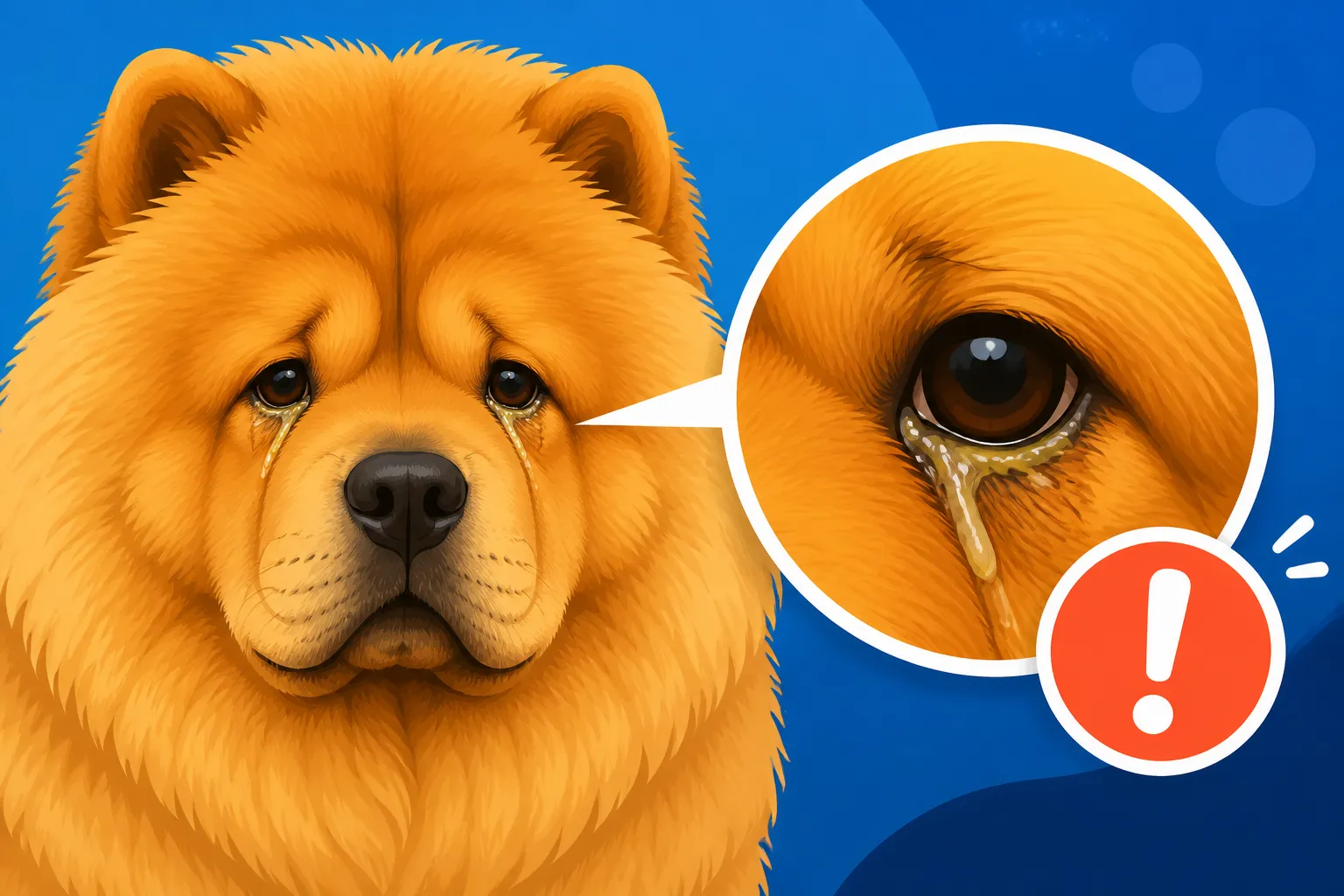
When that eye discharge starts to change, that's when you need to pay close attention. Any shift from clear or minimal whitish discharge to something more substantial or discolored is a red flag. Yellow or green discharge, in particular, often signals a bacterial infection, indicating the presence of pus. A thick, white, cheesy discharge can also point to infection or severe irritation. Bloody discharge, even just tinges of pink, is always an emergency and warrants immediate veterinary attention.
Beyond color, consider the consistency and volume. If the discharge is constantly watery and streaming down their face, soaking the fur, it could indicate excessive tearing from irritation or blocked tear ducts. If it's gooey, stringy, or frothy, that’s another sign of trouble. You might also notice a foul odor accompanying the discharge, which strongly suggests an infection is brewing. Furthermore, watch for other symptoms like constant squinting, rubbing at their eyes with a paw, redness of the whites of the eyes or inner eyelids, swelling around the eye, or any cloudiness or bluish tint to the eye itself. Pay attention if only one eye is affected initially, as this can sometimes point to a foreign body or a localized injury, whereas both eyes often indicate allergies or a more widespread issue.
| Characteristic | Normal Chow Chow Eye Discharge | Concerning Chow Chow Eye Discharge |
|---|---|---|
| Color | Clear or minimal whitish/light gray | Yellow, green, thick white, bloody, dark brown |
| Consistency | Watery, slightly crusty "sleep" in the morning | Gooey, thick, stringy, pus-like, foamy, constantly running |
| Volume | Very minimal, easily wiped away | Excessive tearing, constant wetness, significant accumulation |
| Odor | None | Foul, unpleasant smell |
| Associated Signs | Clear, bright eyes; no rubbing or squinting | Redness, swelling, squinting, pawing at eyes, cloudy eye, vision changes, lethargy |
| Affected Eyes | Usually both (minimal "sleep") | One or both, often with one being worse |
Common Causes of Concerning Eye Discharge in Chow Chows
Understanding the unique physical traits of the Chow Chow is paramount when it comes to their eye health. Their distinctive facial structure, including those beautiful, deep-set eyes and abundant fur, can unfortunately predispose them to certain conditions that manifest as eye discharge.
Entropion: The Chow Chow's Signature Eye Problem
One of the most common and concerning causes of eye discharge in Chow Chows is entropion. This is a genetic condition where a portion of the eyelid, usually the lower one, rolls inward towards the eyeball. Imagine having your eyelashes constantly scratching against the delicate surface of your eye – that's what your Chow Chow experiences. The constant friction from the eyelashes and surrounding fur acts like sandpaper on the cornea, leading to significant irritation. Entropion Is the Chow Chow's Signature Problem is a comprehensive look at this widespread issue in the breed.
The irritation from entropion directly leads to excessive tearing, as the eye tries to flush out the irritant. This watery discharge often turns thick and colored (yellow or green) as bacterial infections inevitably set in due to the damaged corneal surface. Beyond the discharge, you'll almost certainly notice your Chow Chow squinting frequently, holding one or both eyes partially closed, and rubbing at their face with a paw. The whites of their eyes will likely appear red and inflamed. Left untreated, this constant rubbing can cause painful corneal ulcers and even vision impairment or blindness. It's crucial to understand What Entropion Does to a Chow Chow's Eye to grasp the severity of this condition.
Allergies and Irritants
Just like humans, Chow Chows can suffer from allergies, and their eyes are often one of the first places symptoms show up. Environmental allergens such as pollen, dust mites, mold spores, or even certain household cleaners and air fresheners can trigger an allergic reaction. When exposed, your Chow Chow's eyes might start producing clear, watery discharge, often accompanied by redness, itchiness, and sometimes sneezing or a runny nose. The constant itching can lead them to rub their eyes, which then further irritates the area and can lead to secondary bacterial infections, causing the discharge to thicken and change color.
Foreign bodies are another frequent culprit for irritation and discharge. Given their magnificent double coat, it's not uncommon for a stray hair to find its way into an eye. Dust, sand, tiny bits of plant material like grass seeds or burrs, especially after a walk in a park or field, can also become lodged under an eyelid. These irritants can cause intense discomfort, leading to a sudden onset of watery discharge, redness, and vigorous pawing at the eye. It can be challenging for owners to spot these tiny particles, especially with a Chow Chow’s deep-set eyes and abundant fur, making a veterinary check essential if you suspect something is in there.
Infections: Bacterial and Viral
Infections are a major cause of concerning eye discharge. Bacterial conjunctivitis, an inflammation of the conjunctiva (the lining of the eyelids and the white part of the eye), is frequently characterized by a thick, yellow or green, pus-like discharge. This type of infection is often secondary to another underlying issue, such as entropion, a foreign body, or allergies that have compromised the eye's natural defenses. The Chow Chow’s facial folds and deep-set eyes can also trap moisture and debris, creating a perfect breeding ground for bacteria if not cleaned regularly. Why a Chow Chow's Deep Set Eye Causes Trouble explains how their eye structure can contribute to these issues.
Viral infections, while less common as a primary cause of severe eye discharge, can sometimes present with clear, watery discharge, often alongside other signs of an upper respiratory infection like sneezing or coughing. In some cases, trauma to the eye, perhaps from an accidental scratch or bump during play, can also introduce bacteria and lead to infection and discharge. It's important to remember that while the discharge might look alarming, only a veterinarian can accurately diagnose the type of infection and prescribe the appropriate treatment, which usually involves specific eye drops or oral antibiotics.
When to Seek Veterinary Care for Your Chow Chow's Eyes
Knowing when to call the vet and when to simply monitor the situation can be a stressful decision for any Chow Chow owner. While a little morning "sleep" is normal, certain signs demand immediate professional attention to protect your dog's sight and prevent further suffering.
Urgent Signs Requiring Immediate Attention
There are definite warning signs that indicate your Chow Chow needs to see a veterinarian right away, ideally within hours. If your dog suddenly develops severe eye pain, evidenced by constant squinting, holding an eye shut, or being unusually sensitive when you try to examine their face, it's an emergency. This level of pain can indicate serious conditions such as a deep corneal ulcer or acute glaucoma. For instance, Glaucoma Can Blind a Chow Chow in Days, emphasizing the urgency required for such conditions. If you notice any cloudiness, haziness, or a blue appearance to the cornea, do not delay. This could be a sign of corneal edema, often seen with severe ulcers, or dangerously high intraocular pressure characteristic of glaucoma.
A rapidly worsening discharge, whether it's increasing in volume, becoming thicker, or changing to a vivid yellow, green, or even bloody color, also necessitates an urgent visit. Any visible trauma to the eye itself, such as a laceration, puncture, or a deeply embedded foreign body that you cannot gently wipe away, needs immediate veterinary intervention. Prolonged redness or significant swelling around the eye, especially if it appears suddenly, should also trigger an emergency call. Your Chow Chow's vision is too precious to wait, and conditions like glaucoma can cause irreversible damage in a matter of hours.
What to Expect at the Vet
When you bring your Chow Chow in for an eye concern, your veterinarian will perform a thorough ophthalmic examination. This typically involves several steps to get a complete picture of what's happening. They will usually start by visually inspecting the eyelids and surrounding structures, checking for signs of entropion or ectropion (eyelid rolling outward), foreign bodies, or any obvious injuries. This is where their deep-set eyes can make a thorough examination a bit trickier, sometimes requiring a gentle hand to get a good look.
Next, a fluorescein stain test is often performed. A harmless orange dye is applied to the eye, which adheres to any areas where the corneal surface is damaged (like an ulcer or abrasion) and glows under a blue light. They might also perform a Schirmer tear test, which measures tear production, to check for conditions like dry eye. If glaucoma is suspected, the vet will measure the pressure inside the eye using a tonometry device. How a Chow Chow's Eye Pressure Is Measured can give you more insight into this process. Based on their findings, they will recommend a course of action. This could range from antibiotic or anti-inflammatory eye drops for infections or irritations, oral medications, or in cases of severe or recurrent entropion, surgical correction. Sometimes, especially with complex or persistent issues, your vet might recommend a referral to a veterinary ophthalmologist for specialized care, a wise step when it comes to preserving your Chow Chow's sight.
Preventative Care and Ongoing Management for Chow Chow Eye Health
Being proactive with your Chow Chow's eye care is the best defense against many of the issues that can lead to concerning discharge. Their distinctive coat and facial structure mean they require a bit more intentional grooming and environmental management than some other breeds.
Routine Eye Cleaning and Grooming
Regular, gentle cleaning around your Chow Chow's eyes is fundamental. Use a soft, damp cloth or specifically designed pet eye wipes (you can often find a good selection on platforms like Chewy or Amazon) to carefully clean away any normal discharge or debris that accumulates. Always wipe from the inner corner outwards, using a fresh part of the cloth for each eye to prevent cross-contamination if one eye is irritated. Pay particular attention to their facial folds. While Chow Chows don't have the extensive facial wrinkles of some brachycephalic breeds, they do have folds that can trap moisture, tears, and debris around the eyes and muzzle, creating a breeding ground for bacteria. How Often a Chow Chow's Face Folds Need Cleaning is an excellent resource for maintaining these delicate areas. Keeping these folds clean and dry is vital to prevent skin irritation and secondary infections that can affect the eyes.
It’s also crucial to keep the fur around their eyes trimmed short enough to prevent it from irritating the corneal surface. This doesn't mean shaving their beautiful coat, but rather carefully using blunt-nosed scissors to trim any long hairs that could poke into their eyes. Many owners find it helpful to start Teaching a Chow Chow to Have Its Eyes Wiped and generally tolerate handling around their face from a very young age. This early conditioning makes routine cleaning and any necessary veterinary exams much less stressful for both you and your Chow.
Environmental Considerations
Your Chow Chow's environment plays a significant role in their eye health. Be mindful of potential irritants in your home. Dust, strong chemical cleaners, air fresheners, and cigarette smoke can all cause eye irritation and lead to excessive watery discharge. Using air purifiers in your home can help reduce airborne allergens and dust, creating a cleaner environment for your Chow's sensitive eyes. When you're out for walks, try to avoid areas with tall grasses, heavy brush, or very dusty trails, especially on windy days, as these can easily introduce foreign bodies or allergens into their eyes.
If your Chow Chow spends time outdoors, ensure their resting areas are free from sharp branches or debris that could cause an eye injury. Even seemingly harmless activities like sticking their head out of a car window can lead to eye irritation from wind, dust, and flying debris, so it's often best to keep windows up or only cracked slightly. Vigilance about their surroundings, both indoors and out, can go a long way in preventing eye problems.
The Importance of a Good Breeder
Finally, a responsible breeder is your first line of defense against many inherited eye conditions, especially entropion. Good breeders are meticulous about screening their breeding stock for genetic health issues that are prevalent in the Chow Chow breed. They should be transparent about the health history of their dogs and be able to provide documentation, such as certifications from the Orthopedic Foundation for Animals (OFA) or the Canine Eye Registration Foundation (CERF), demonstrating that the parent dogs have been examined and cleared for common hereditary eye conditions. What a Chow Chow Breeder Should Have Tested provides a detailed list of essential health screenings.
If a breeder dismisses concerns about eye discharge in puppies or tells you that a significant amount of discharge and squinting is "normal" for the breed, it's a huge red flag. Responsible breeders actively work to breed away from such conditions, and they certainly wouldn't sell a puppy with severe, untreated entropion without full disclosure and often a reduced price or specific clauses in the contract for corrective surgery. Choosing a reputable breeder who prioritizes health testing significantly reduces the likelihood of facing serious and expensive eye problems down the line. Whether a Breeder Should Sell an Entropion Chow Chow discusses the ethical considerations for breeders regarding this common issue.
Disclaimer
This article is for general informational purposes only and does not constitute professional advice. Laws, prices and regulations vary by location and change over time. Consult a qualified professional for guidance on your specific situation.