Whether a Chow Chow Should Be Free Fed
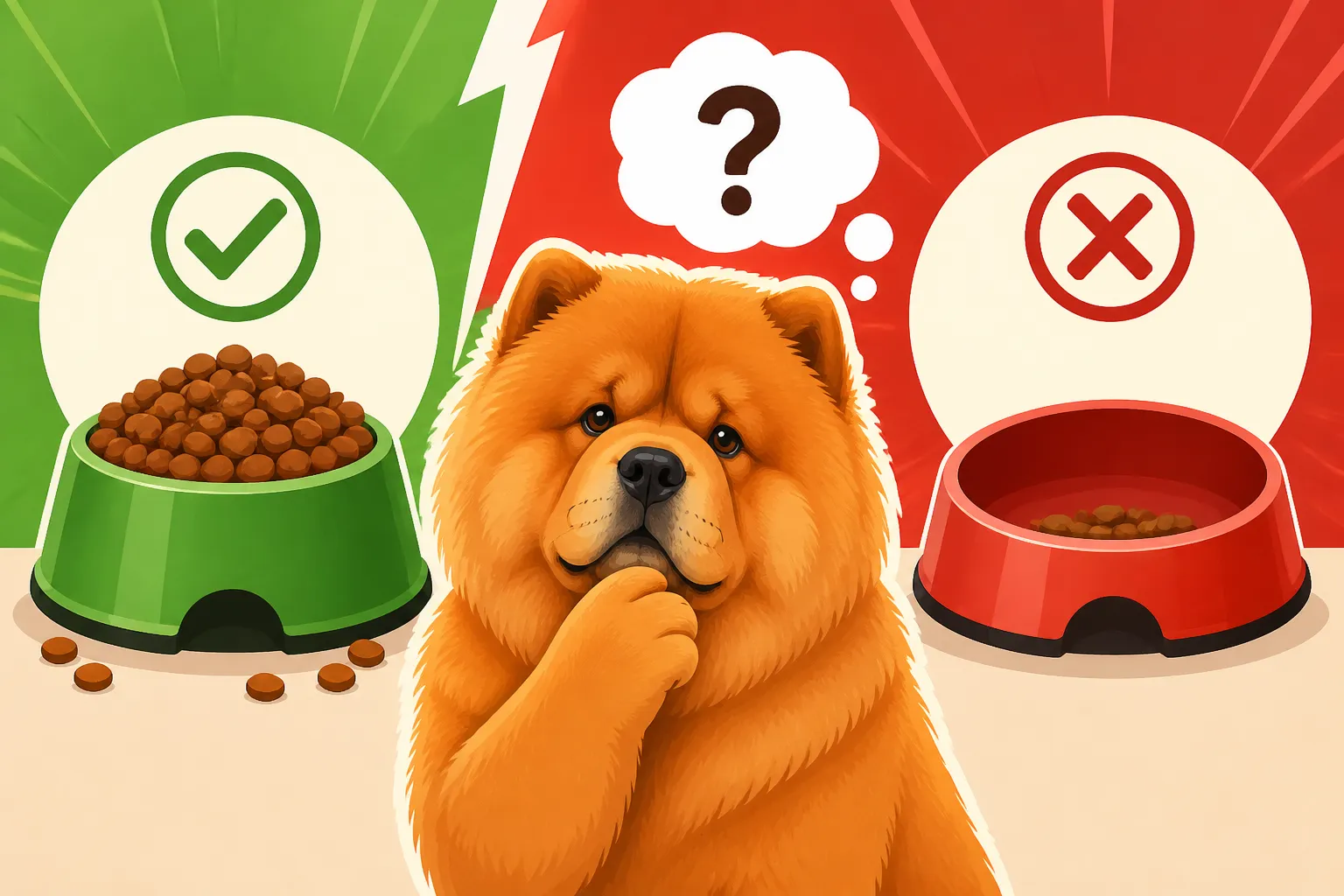
It’s a common question among dog owners: should I leave my Chow Chow’s food out all day? The idea of free feeding, where a bowl of kibble is always available, often stems from convenience or the belief that a dog will regulate its own intake. However, for a breed as unique as the Chow Chow, with its distinctive metabolism and temperament, free feeding can quietly lead to a host of problems you might not even realize are brewing. This guide will dive deep into why a structured feeding approach is almost always better for your fluffy companion, helping you avoid common pitfalls and keep your Chow Chow healthy and happy.
Understanding the Chow Chow's Unique Appetite and Metabolism
Chow Chows are not your typical ravenous eaters. Unlike some breeds that act like bottomless pits, Chows often have a more discerning, almost "cat-like" approach to food. This can lead new owners to believe free feeding is a safe bet, thinking their dog will simply graze as needed. But there’s more to it than just appetite.
Why a Chow Chow Often Eats Less Than You Expect
Many Chow Chow owners are surprised to find their furry friends don't eat as much as other dogs of similar size. They might pick at their food, leave half a bowl untouched, or even skip a meal entirely without seeming bothered. This isn't necessarily a cause for alarm, but rather a reflection of their moderate metabolism and, often, their independent nature. Chows generally have lower energy levels compared to many working breeds, and their dense coats can make them prone to overheating, which can further suppress appetite in warmer weather. Consequently, their caloric needs are often less than you might anticipate.
It's tempting to think, "Great, if they eat less, then leaving food out won't be an issue!" But that line of thinking can be deceptive. While they may not gorge themselves in one sitting, the constant availability of food can lead to subtle, continuous grazing throughout the day. This nibbling adds up, often without the owner truly tracking the total intake. It's a bit like us having a snack drawer always open – even if you only grab a few chips here and there, eventually you've consumed a full meal's worth, or more. We delve further into their needs in How Many Cups a Day an Adult Chow Chow Eats and Why a Chow Chow Eats Less Than Its Size Suggests.
The Risks of Overfeeding a Chow Chow
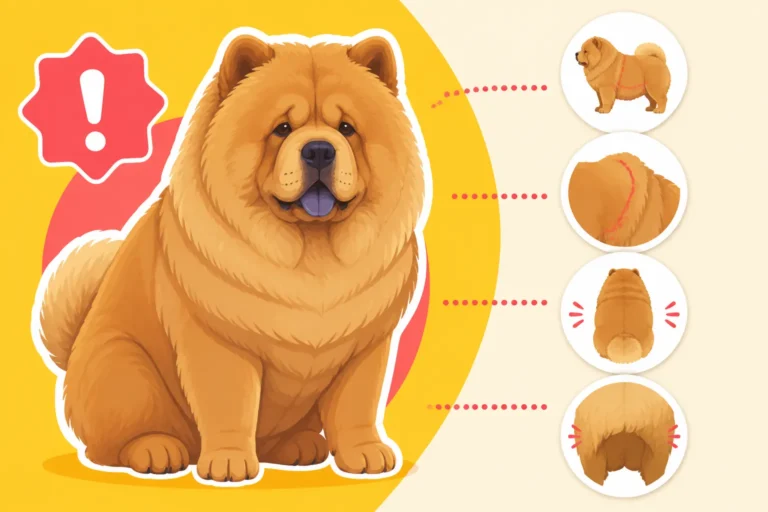
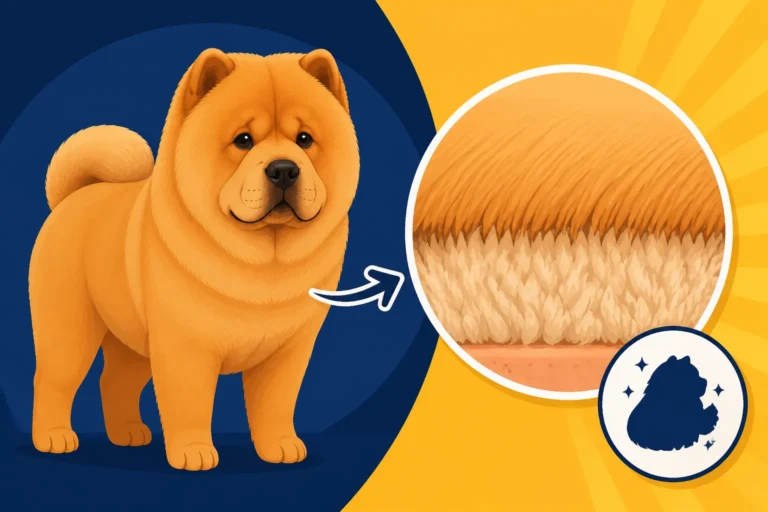
Despite their seemingly moderate appetites, Chow Chows are quite prone to becoming overweight or obese if their food intake isn't carefully managed. Their dense double coat can be a masterful disguise, making it incredibly difficult to visually assess their body condition. What looks like a healthy, stocky build might actually be extra padding under all that fur. Many owners don't realize their Chow is carrying too many pounds until a vet points it out or until mobility issues start to appear.
The consequences of excess weight for a Chow Chow are significant. This breed is already predisposed to certain orthopedic issues like Elbow Dysplasia Ranks the Chow Chow Near the Top and hip dysplasia. Carrying extra weight puts immense strain on these joints, accelerating the onset and worsening the severity of arthritis and discomfort. An overweight Chow will also struggle more with heat intolerance, a serious concern given their thick coats and brachycephalic (short-nosed) features. They're also at higher risk for conditions like diabetes, heart disease, and a reduced overall lifespan. Simply put, while a few extra pounds might not seem like a big deal, for a Chow Chow, it can dramatically impact their quality of life and potentially shorten The Eight to Twelve Years a Chow Chow Gets. Maintaining a healthy weight is crucial, and you can learn more about how to check in Keeping a Chow Chow at the Weight Its Elbows Can Carry.
The Practice of Free Feeding: Convenience vs. Canine Health
So, what exactly does "free feeding" entail, and why might it be at odds with your Chow Chow's well-being? It’s important to understand the concept and its implications fully before deciding on a feeding strategy.
What "Free Feeding" Actually Means
Free feeding, sometimes called "ad libitum" feeding, simply means leaving a bowl of dry dog food out at all times, allowing your Chow Chow to eat whenever it pleases. For many busy owners, this seems like an ideal solution. You fill the bowl once or twice a day, and your dog manages its own meals, theoretically eating only when hungry. It removes the stress of fixed meal times and the need to be present for every feeding. The idea is that dogs, like many animals, have an innate ability to self-regulate their food intake, only consuming what they need to maintain their energy levels.
However, this concept often works best in environments where food scarcity is a factor or for animals that have a naturally lean body type and high metabolism. For domesticated dogs, especially those living a comfortable, often sedentary lifestyle in our homes, the "self-regulation" mechanism can be easily overridden by boredom, habit, or simply the constant availability of tasty kibble.
The Potential Downsides of Free Feeding for Chow Chows
While free feeding offers undeniable convenience for the owner, it presents several significant drawbacks for a Chow Chow's health, training, and overall household harmony.
The most glaring issue is weight management. As discussed, Chows are predisposed to obesity. Even if they don't eat a huge amount at once, the cumulative effect of constant grazing can easily lead to excess caloric intake. It becomes incredibly difficult for you, the owner, to accurately track how much food your Chow is truly consuming over a day, making it a guessing game to adjust portions or notice changes in appetite. Without clear meal times, your Chow might develop a habit of simply nibbling out of boredom, rather than true hunger.
Beyond weight, free feeding can mask early signs of illness. A sudden loss of appetite is often one of the first indicators that a dog isn't feeling well. If food is always available and your Chow isn't eating much anyway, you might not notice a significant change in their eating habits until they are quite unwell. With scheduled meals, a missed or partially eaten meal immediately signals that something might be amiss, prompting quicker veterinary attention. This early detection can be critical for health conditions.
Another concern is food hygiene and pests. Dry kibble left out all day can become stale, lose its nutritional value, and, particularly in humid climates, can even attract insects like ants or flies. If you're using wet or fresh food (like some options from Ollie), free feeding becomes completely unfeasible due to rapid spoilage. Even dry food can become contaminated or simply unappetizing after sitting out for hours.
For multi-pet households, free feeding can also lead to resource guarding or unfair distribution of food. A naturally territorial Chow Chow might guard the perpetually full bowl, preventing other pets from accessing it, or simply eating all the available food themselves. This can create tension and conflict, and it makes it impossible to ensure each animal is getting its appropriate diet.
Lastly, free feeding can complicate house training and hinder positive reinforcement training. Dogs on a schedule tend to have more predictable bowel movements, making house training easier to establish and maintain. If your Chow is eating intermittently throughout the day, their potty breaks become much less predictable. From a training perspective, food is a powerful motivator. If food is always available, it loses its "value" as a reward, making it harder to use treats effectively during training sessions. Which Treat a Chow Chow Will Work Hardest For becomes less impactful if they're never truly hungry.
Structured Feeding for Optimal Chow Chow Health
Given the potential pitfalls of free feeding, a scheduled, portion-controlled feeding approach is generally the best choice for Chow Chows. It offers numerous benefits for their physical health, behavior, and overall well-being.
Establishing a Feeding Schedule
The simplest and most effective way to manage your Chow Chow's diet is to establish a consistent feeding schedule. Most adult Chow Chows do well with two meals a day, typically once in the morning and once in the evening. Puppies, especially very young ones, may require three or four smaller meals daily, gradually transitioning to two as they grow. Consistency is key – feeding at roughly the same times each day helps regulate your dog's metabolism, digestive system, and even their potty schedule.
When you offer food at set times, you create an expectation. Your Chow learns when to anticipate meals, which can even help reduce begging behaviors throughout the day. You're in control of the portion size, ensuring they receive the appropriate amount of calories for their age, activity level, and body condition. This structured approach allows you to choose high-quality kibble from retailers like Chewy, or explore fresh dog food services. If you're using a fresh food service like Ollie, for instance, their meals are often pre-portioned, making scheduled feeding a natural fit. You can also explore accessories like slow-feeder bowls, easily found on Amazon, though Chows are not typically fast eaters.
Monitoring Food Intake and Weight
One of the greatest advantages of scheduled feeding is the ability to closely monitor your Chow Chow's food intake. You’ll know exactly how much they’ve eaten at each meal and can quickly spot if they've skipped a meal or left a significant portion of their food untouched. This immediate feedback is invaluable for catching potential health issues early.
Regularly assessing your Chow's weight and body condition is also crucial. Because their magnificent coat can hide so much, relying solely on visual cues isn't enough. You should be able to feel your Chow's ribs without pressing too hard, and there should be a discernible waist when viewed from above. Their tummy should tuck up slightly when viewed from the side. Weighing your Chow regularly, especially when young, allows you to track growth and ensure they are developing at a healthy rate. If you have concerns about their weight, your veterinarian can help you determine the ideal weight range and caloric intake for your individual Chow Chow. We talk more about this in What an Adult Chow Chow Should Weigh, How to Feel a Chow Chow's Ribs Under the Coat, and Signs a Chow Chow Is Overweight. Remember, slow and steady growth is especially important for large breeds like the Chow Chow to prevent stress on their developing joints, as discussed in Why a Chow Chow Puppy Should Grow Slowly.
What to Do When a Chow Chow Skips a Meal
It's going to happen. Your Chow Chow, with its independent nature and sometimes selective palate, might occasionally turn up its nose at a meal. When this happens, it's natural to feel a pang of worry or frustration. But don't panic! The key is how you respond, and it's another area where scheduled feeding shines.
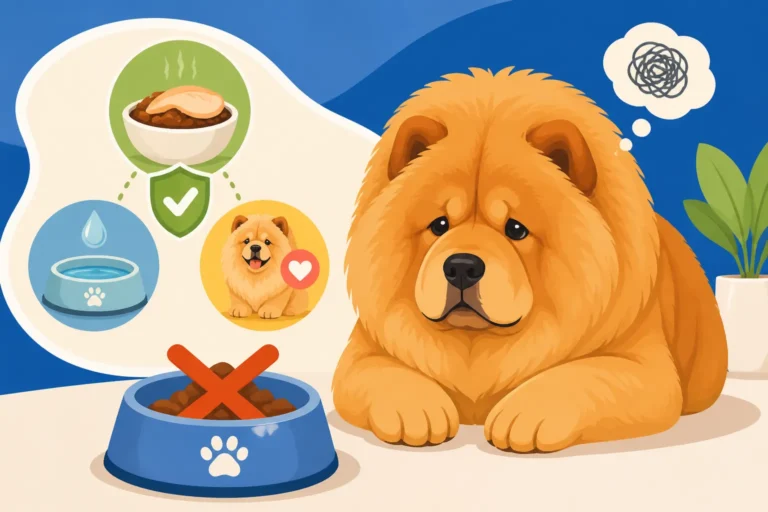
First, observe your Chow. Are they otherwise acting normal? Energetic, playful, drinking water, and having normal bowel movements? If so, a single skipped meal might just mean they aren't particularly hungry at that moment. Perhaps they had a few too many treats earlier, or their activity level was lower than usual. If they seem perfectly fine, pick up the uneaten food after 15-20 minutes. Don't leave it out. Offer it again at the next scheduled mealtime. This teaches them that food is available at specific times, and if they don't eat it, it goes away. This prevents them from becoming overly picky or "holding out" for something better.
However, if your Chow Chow skips multiple meals, seems lethargic, is vomiting, has diarrhea, or displays any other signs of illness, it's time to contact your veterinarian. A change in appetite, especially if sustained, is a strong indicator that something is wrong. Because you're on a schedule, you'll notice this immediately, rather than days later when a free-fed bowl just seems a little less full. For more guidance on this, see What to Do When a Chow Chow Skips a Meal.
Here's a quick comparison of free feeding versus scheduled feeding for your Chow Chow:
| Feature | Free Feeding | Scheduled Feeding |
|---|---|---|
| Owner Convenience | High – less rigid schedule | Requires owner presence at meal times |
| Weight Control | Difficult, high risk of obesity | Easy to portion control and monitor |
| Health Monitoring | Hard to detect changes in appetite | Quick to notice refusal of meals, early health detection |
| Resource Guarding | Higher risk for multi-pet homes | Lower risk, clear boundaries for food |
| Food Hygiene | Food can spoil, attract pests | Fresh food, less spoilage risk |
| Training Impact | Reduces food motivation for training | Enhances food motivation for training |
| House Training | Unpredictable potty schedule | Predictable potty schedule |
| Picky Eaters | Encourages pickiness, "holding out" | Encourages eating at mealtime |
Ultimately, while free feeding might seem like the easier route for you, it often isn't the best path for your Chow Chow's long-term health, behavior, and your peace of mind. A little bit of structure goes a long way in ensuring your fluffy companion thrives.
Disclaimer
This article is for general informational purposes only and does not constitute professional advice. Laws, prices and regulations vary by location and change over time. Consult a qualified professional for guidance on your specific situation.