When a Chow Chow Reaches Full Weight
One of the most exciting, yet also slightly anxious, parts of raising a Chow Chow puppy is watching them grow. You see that fluffy little bear cub transform almost daily, and you can't help but wonder: When will they finally stop growing? When will they reach that magnificent, full-sized stature that truly embodies the Chow Chow breed? It's a common question, and understanding your Chow's growth timeline is key to ensuring they develop into a healthy, robust adult. This guide is here to walk you through the journey, explaining the typical stages of growth and what you can expect as your beloved Chow Chow matures.
Understanding the Chow Chow's Growth Trajectory
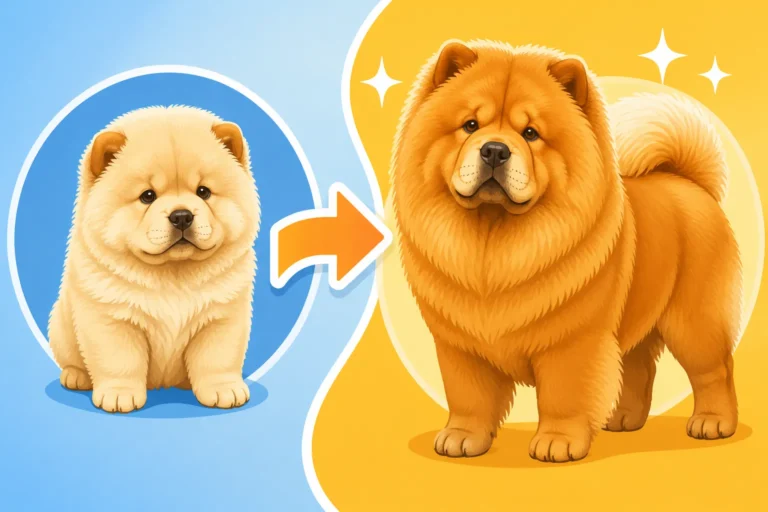
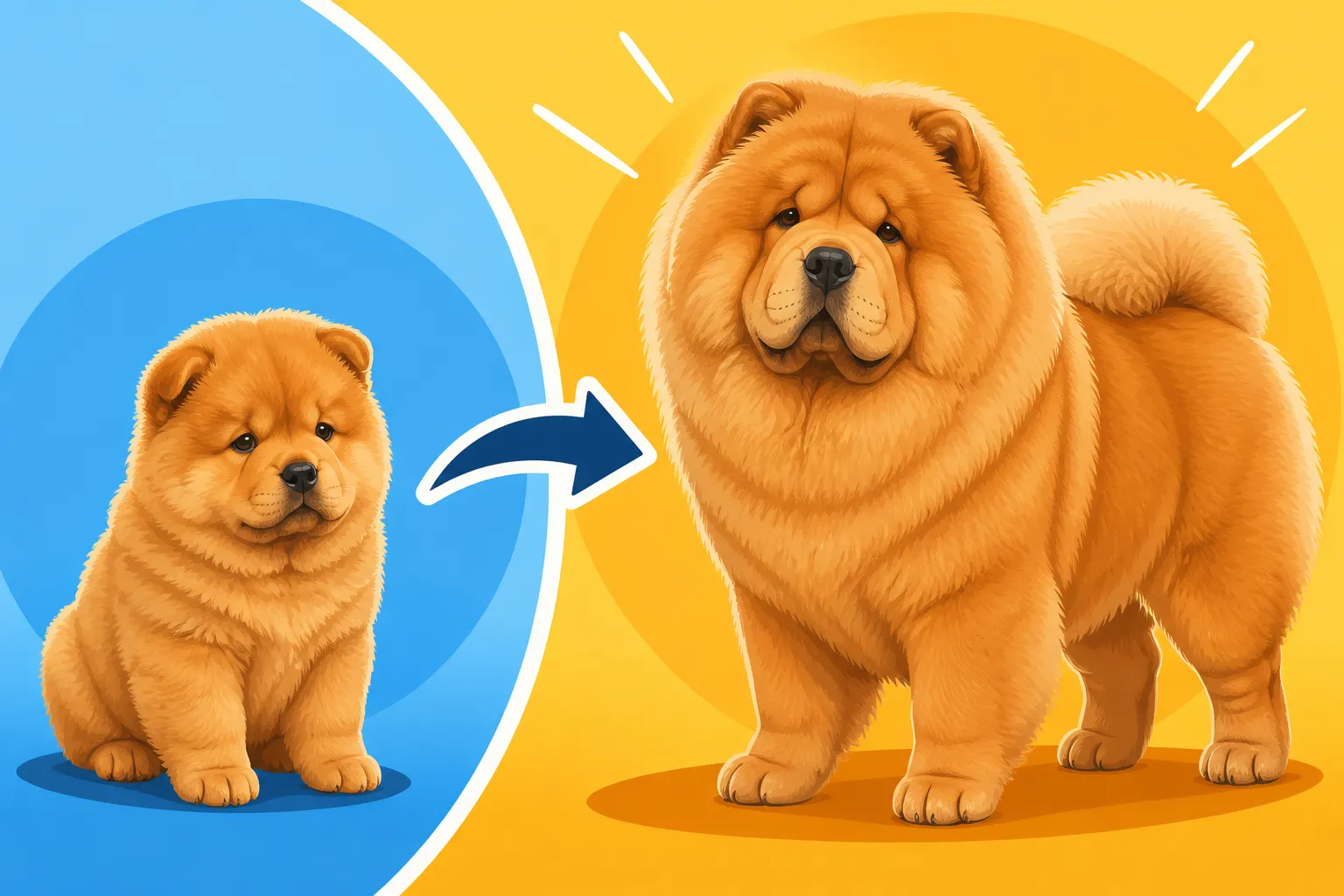
The journey from a tiny, adorable fluff ball to a majestic, full-grown Chow Chow is a fascinating process that unfolds over roughly two years. It's not a sudden stop, but a series of phases where growth rates change, and different aspects of their physical development take precedence. Knowing these stages helps you ensure they're getting the right care, nutrition, and exercise every step of the way.
The Initial Rapid Growth Phase (0-6 months)
This is perhaps the most visually dramatic period of your Chow Chow's life. From the moment they arrive home as a tiny, unsteady puppy, they are a whirlwind of growth. In these first few months, your Chow puppy will gain weight and height at an astonishing rate, sometimes seemingly overnight. Their bones are lengthening rapidly, and their body is stretching out. It's truly amazing to witness how quickly they go from fitting in your lap to needing a good-sized crate.
During this phase, proper nutrition is absolutely critical, but there's a delicate balance to strike. You want to provide all the nutrients they need for healthy bone and joint development, but you don't want them to grow too fast. Rapid growth in large breed puppies, including Chows, can put undue stress on their developing joints, potentially contributing to issues like elbow or hip dysplasia later on. That's why many breeders and veterinarians emphasize a controlled growth rate for Chow Chow puppies, ensuring their skeletal system matures strong and sound. You might find it helpful to read up on Why a Chow Chow Puppy Should Grow Slowly to understand this better. They're like little sponges, soaking up everything, and their bodies are working overtime to build the foundation of their adult selves.
The Steady Maturation Period (6-12 months)
As your Chow Chow approaches their half-birthday, you'll likely notice a shift. The explosive growth of puppyhood starts to mellow out. They're still growing, yes, but at a more gradual pace. Instead of adding inches weekly, they might be adding them monthly, and the focus starts to shift from pure height and length to "filling out."
During this phase, their frame continues to mature, and they'll start to develop more muscle mass. Their chest will broaden, their head will become more substantial, and that characteristic dense double coat will begin to come in more fully. It’s a period where their body starts to catch up with its initial rapid growth, making them look less gangly and more proportional. While they might reach most of their adult height around this time, their weight will continue to increase as their body composition changes. This stage is less about dramatic changes and more about consolidating the growth they've already achieved, refining their physique as they head towards full adulthood.
The "Filling Out" Phase (12-24 months)
For many Chow Chows, their actual height and length may largely be established by their first birthday, or shortly after. However, reaching "full weight" is often a different timeline altogether. This is the period where they truly fill out, gaining the robust muscle mass, chest depth, and bone density that gives the Chow Chow its powerful, dignified presence. Their signature "lion's mane" — the dense ruff around their neck and shoulders — also typically finishes developing during these months, adding to their impressive silhouette.
Think of it less as growing taller, and more as growing wider and denser. Their chests deepen, their shoulders broaden, and their legs become more muscular. This can continue well into their second year, sometimes even closer to two and a half years of age. It's a phase that requires continued attention to their diet and exercise to ensure they build healthy muscle without packing on excess fat, which can be particularly hard on their joints. Their growth plates usually close by this point, meaning their bones are done lengthening, but the internal strengthening and filling out process is still very much active. Understanding When a Chow Chow's Growth Plates Close is crucial for protecting their developing bodies. By the end of this phase, you'll have a truly magnificent, fully mature Chow Chow, both in size and presence.
Factors Influencing a Chow Chow's Final Weight
While there are general timelines for a Chow Chow's growth, several factors can influence exactly when your dog reaches their full weight and what that final weight will be. It's not a one-size-fits-all equation, and understanding these variables can help you manage your Chow's development effectively.
Genetics and Lineage
The most significant predictor of your Chow Chow's adult size and weight is their genetic background. Simply put, bigger parents tend to produce bigger puppies, and smaller parents tend to produce smaller ones. If you purchased your Chow from a reputable breeder, they should be able to provide you with information about the size and build of both the dam and sire, giving you a good indication of your puppy's potential adult stature.
This is why choosing a puppy from a breeder who prioritizes health and follows breed standards is so important. They understand the genetic predispositions for size, temperament, and health. While the Chow Chow breed standard provides a typical weight range (generally between 45 and 70 pounds for both males and females, though individual dogs can fall outside this slightly), there will naturally be variations within healthy Chows. Your Chow's lineage can also tell you if they come from lines known for a heavier bone structure or a more refined build, all contributing to their eventual full weight.
Nutrition and Diet Quality
What you feed your Chow Chow puppy and later, your adult Chow, plays a monumental role in their growth and overall health. A high-quality, balanced diet is essential for providing the building blocks for strong bones, healthy muscles, and a magnificent coat. For puppies, a diet specifically formulated for large breed puppies is often recommended, as it supports controlled growth, preventing the rapid growth spurts that can stress developing joints.
Overfeeding, especially during puppyhood, can lead to your Chow gaining weight too quickly, which can have long-term consequences for their skeletal health and increase the risk of obesity later on. Conversely, underfeeding can stunt their growth and lead to nutritional deficiencies. It's a fine line to walk, and your veterinarian can help you determine the right food and portion sizes for your specific Chow Chow's needs. Many owners find success with high-quality dog food brands available from retailers like Chewy, which offer a wide selection, or even fresh food options like Ollie, which are tailored to your dog's specific requirements. Remember, When a Chow Chow Puppy Moves to Adult Food is also a key consideration for their long-term health and weight management.
Exercise and Activity Levels
Exercise is crucial for a Chow Chow's healthy development, but like nutrition, it needs to be managed appropriately, especially during their growth phases. While Chows aren't typically high-energy dogs, regular, moderate exercise helps build muscle tone, strengthen bones, and maintain a healthy weight. Too much strenuous exercise, particularly high-impact activities like jumping or long-distance running, can put excessive strain on their still-developing joints and growth plates, potentially leading to injuries or exacerbating genetic predispositions to joint issues.
During their growth, focus on gentle walks, playtime in a secure yard, and mental stimulation. Avoid forcing them to keep up on long hikes or runs until their growth plates have fully closed, typically around 18-24 months. Over-exercising a growing Chow can be just as detrimental as under-exercising, which can lead to obesity and weak muscle tone. For instance, their unique straight rear leg structure means they don't move quite like other breeds, and you can learn more about how this impacts them by reading Why a Chow Chow's Straight Rear Leg Limits Running. A balanced approach to exercise supports optimal development and helps them achieve their full, healthy weight and musculature.
Recognizing When Your Chow Chow is Fully Mature
Knowing the exact moment your Chow Chow reaches their final adult weight isn't about hitting a specific number on the scale and then stopping. It's a more holistic assessment, looking at a combination of physical indicators, behavioral shifts, and overall body condition. While the numbers are a guide, how your Chow looks and behaves tells the full story.
Physical Indicators of Maturity
By the time your Chow Chow is typically 18 to 24 months old, you'll see most of their physical development complete. Their height will have stabilized, and you'll notice they no longer seem to be stretching upwards. Their length will also be set. Instead, their body will have filled out, showing the broad chest, substantial bone structure, and powerful musculature characteristic of the breed.
One of the most defining features, their dense double coat, including the magnificent ruff around their neck that makes them look like a lion, will be fully developed. This coat adds to their visual bulk and can sometimes make it tricky to assess their underlying body condition. Their unique facial features, including the deep-set eyes and the characteristic "scowl," will also be fully pronounced. They'll carry themselves with the dignified, somewhat aloof presence that mature Chows are known for. At this point, they'll have achieved what the breed standard describes as What a Chow Chow Weighs and How Tall It Stands, giving you a clear picture of their final form.
Behavioral and Temperamental Shifts
It's not just their bodies that mature; their personalities do too. While Chow Chows are known for their independent and somewhat aloof nature from puppyhood, this trait typically solidifies as they transition into adulthood. You'll likely observe less of the playful, sometimes clumsy, puppy antics and more of a calm, observant demeanor. They might become even more discerning with strangers, and their devotion to their chosen person will deepen, becoming a quiet, steadfast companionship.
An adult Chow Chow is often described as "cat-like" due to their independence and self-possessed nature. They are generally less prone to boisterous displays of affection, preferring to be near you rather than constantly in your lap. This shift in temperament is a natural part of their maturation process. They've figured out their place in the world and in your home, and they settle into their role as a loyal, if somewhat reserved, companion. You can delve more into their characteristic temperament by exploring How Aloof a Chow Chow Really Is.
Monitoring Weight and Body Condition
While a scale can give you a number, the best way to monitor your Chow Chow's health and ensure they're at their ideal adult weight is by regularly assessing their body condition. This can be a bit tricky with all that magnificent fur! The goal is for them to be well-muscled and substantial, but not overweight.
Here's how you can check:
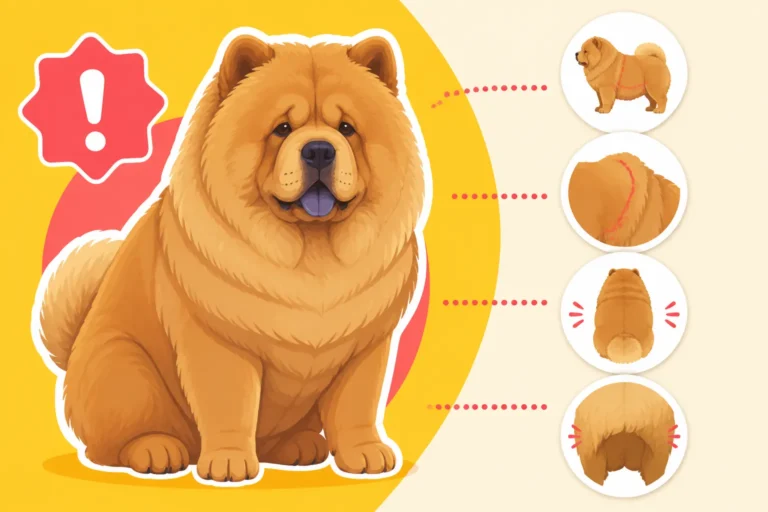
- Ribs: You should be able to feel your Chow's ribs with a gentle touch, without having to press hard, but they shouldn't be visibly prominent. If you can't feel them at all, or if there's a thick layer of padding over them, they might be overweight. To get better at this, read How to Feel a Chow Chow's Ribs Under the Coat.
- Waistline: Look down at your Chow from above. While Chows are solid dogs, you should still see a slight tuck or indentation behind their ribs where their waist begins, especially if they are a smoother coat variety or you part the fur. From the side, their abdomen should tuck up slightly, not sag.
- Energy Levels: A Chow Chow at a healthy weight will have appropriate energy for their age, enjoying their daily walks and playtime. If they seem sluggish, tire easily, or struggle with activities they used to enjoy, it could be a sign of excess weight.
Maintaining a healthy weight is crucial throughout your Chow's life, but especially once they are fully grown. Excess weight puts additional strain on their joints, contributes to heat intolerance, and can shorten their lifespan. Always consult with your veterinarian for guidance on your Chow's ideal weight and body condition score. Many nutritional supplements, available on platforms like Amazon, can support joint health, especially important for a substantial breed like the Chow Chow, but weight management is always primary.
| Age (Approx.) | Key Physical Development | Expected Weight Range (lbs) |
|---|---|---|
| 2-3 months | Rapid height & length growth; still very puppy-like | 15-30 |
| 6 months | Approaching adult height; significant filling out begins | 35-55 |
| 12 months | Near adult height; substantial muscle and chest development | 45-65 |
| 18-24 months | Fully filled out; dense coat, complete muscle mass | 50-70+ |
Note: These ranges are approximate and can vary based on genetics, gender, and individual metabolism. Always consult your veterinarian for specific guidance regarding your Chow Chow's healthy weight range.
Understanding when your Chow Chow reaches their full weight is a journey of patience and observation. By providing consistent, high-quality nutrition, appropriate exercise, and regular veterinary check-ups, you'll help your fluffy companion grow into a magnificent, healthy adult, ready for many years of dignified companionship.
Disclaimer
This article is for general informational purposes only and does not constitute professional advice. Laws, prices and regulations vary by location and change over time. Consult a qualified professional for guidance on your specific situation.