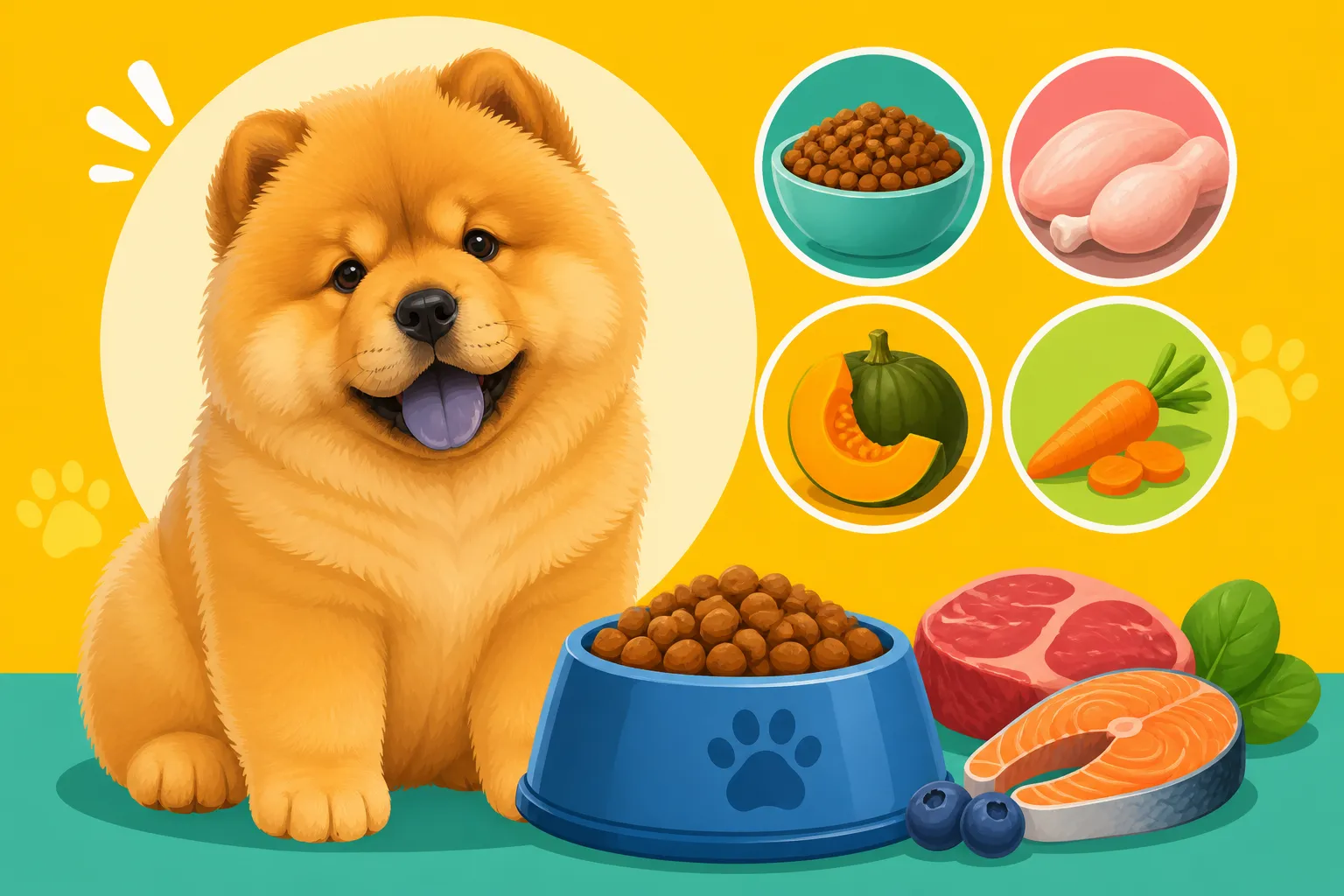
What a Chow Chow Puppy Eats at Four Months
Bringing home a Chow Chow puppy is an exciting time, but one of the biggest anxieties many new owners face is knowing exactly what and how much to feed their furry companion, especially as they hit crucial growth milestones like four months old. This period is a whirlwind of rapid development, energy spurts, and a growing understanding of the world, and getting their diet right is absolutely foundational to their long-term health and well-being. This comprehensive guide will walk you through everything you need to know about feeding your four-month-old Chow Chow puppy, from nutritional essentials to finding the right food and establishing a healthy routine.
The Specific Needs of Your Four-Month-Old Chow Chow Puppy
At four months old, your Chow Chow puppy is no longer a tiny newborn, but they're still very much in a critical growth phase. Their bodies are developing rapidly, bones are lengthening, muscles are strengthening, and their immune system is still maturing. This isn't just about getting bigger; it's about forming the strong foundation for a healthy adult life. The nutritional demands during this period are quite different from those of an adult dog, requiring a precise balance of nutrients to support their intense development without causing problems down the line.
High Energy, Controlled Growth
Puppies, by their very nature, are bundles of energy. They play, explore, and grow at an astonishing rate, all of which demands a significant caloric intake. However, for a breed like the Chow Chow, which is considered a large or giant breed, that growth needs to be carefully controlled. It might seem counterintuitive to limit a growing puppy's food, but excessive calories and rapid growth can actually put undue stress on their developing joints, contributing to orthopedic issues like elbow and hip dysplasia later in life. We want steady, consistent growth, not a sudden growth spurt. This delicate balance is why choosing the right food and portion control is so vital for your four-month-old Chow Chow.
Their metabolism is also working overtime, burning through calories to fuel their boundless curiosity and physical development. They need more protein, fats, and certain vitamins and minerals per pound of body weight than an adult dog. Think of them as tiny athletes in training, constantly building and repairing. Ensuring they get high-quality, digestible ingredients helps their bodies efficiently utilize these nutrients, supporting everything from their dense coat to their developing cognitive functions.
Essential Nutrients for Developing Chows
When you look at puppy food labels, it can feel like reading a foreign language. But understanding a few key nutrients can make all the difference. For your four-month-old Chow Chow, protein is paramount. It's the building block for muscles, tissues, and even their iconic coat. Look for high-quality animal proteins as the first ingredient, such as chicken, lamb, or beef, rather than vague "meat meal" or excessive plant-based proteins. These animal sources provide the complete amino acid profile your puppy needs for healthy development.
Fats are another crucial component, providing concentrated energy and aiding in the absorption of fat-soluble vitamins. Omega-3 and Omega-6 fatty acids, often listed as DHA and EPA, are particularly important for brain and eye development, as well as maintaining a healthy skin and coat. You'll often find these derived from fish oil. Finally, a balanced array of vitamins and minerals, including calcium and phosphorus, is essential for strong bone development. The ratio of calcium to phosphorus is particularly important for large breed puppies; too much calcium can be just as detrimental as too little, contributing to skeletal abnormalities. This is why specialized large breed puppy formulas are so highly recommended.
Deciphering Puppy Food: What to Look For and What to Avoid
Navigating the pet food aisle, whether online or in person, can be overwhelming. There are countless brands, formulas, and buzzwords, making it tough to figure out what's genuinely good for your growing Chow Chow. For a four-month-old, the stakes are high, as their diet now lays the groundwork for their entire adult life. Focusing on quality ingredients and formulations specifically designed for larger breeds is key.
Choosing a High-Quality Large Breed Puppy Formula
For a Chow Chow, choosing a food specifically labeled "large breed puppy formula" isn't just a suggestion, it's a critical recommendation. These formulas are designed with a controlled calcium-to-phosphorus ratio and a slightly lower caloric density compared to standard puppy foods. This helps to prevent the too-rapid growth that can lead to Elbow Dysplasia Ranks the Chow Chow Near the Top and Hip Dysplasia in a Chow Chow. When you're looking at ingredients, prioritize foods with a named meat source (e.g., "chicken meal," not just "meat meal") as the first ingredient. Grains aren't inherently bad, and many reputable brands include them as healthy carbohydrate sources, but avoid formulas that list corn or wheat gluten as primary protein sources.
Beyond the main ingredients, look for foods that include prebiotics and probiotics to support digestive health, as Chow Chows can sometimes have sensitive stomachs. Whether a Chow Chow Has a Sensitive Stomach is a common concern among owners. You might also see ingredients like glucosamine and chondroitin, which are added to support joint health, though their efficacy in preventing joint issues in rapidly growing puppies is still debated if the diet isn't balanced overall. Remember, quality often comes at a price, but investing in good nutrition now can save you significant veterinary bills down the road. Many reputable brands can be found on platforms like Chewy, offering a wide selection and delivery options right to your door.
Understanding the Different Food Types
When it comes to feeding your Chow Chow puppy, you'll encounter a few main types of food, each with its own pros and cons.
- Dry Kibble: This is the most common and often most cost-effective option. High-quality dry kibble provides a complete and balanced diet, and the crunchy texture can help with dental hygiene. For a large breed puppy like a Chow Chow, kibble designed for controlled growth is ideal. Many owners find brands through retailers like Amazon, which allows for easy comparison shopping and reading reviews from other pet parents.
- Wet Food: Wet food is highly palatable and can be a good way to increase moisture intake, but it's typically more expensive and less calorie-dense. It can be mixed with kibble to entice picky eaters or for specific dietary needs, but should not be the sole diet without careful nutritional balancing.
- Fresh or Raw Food: Diets like those offered by Ollie are gaining popularity, promising human-grade ingredients and minimal processing. While these can be excellent, they are generally much more expensive and require careful handling to ensure nutritional completeness and safety, especially when feeding a growing puppy. If considering a fresh or raw diet, it's crucial to consult with a veterinary nutritionist to ensure it meets all the specific needs of a four-month-old Chow Chow, particularly concerning calcium and phosphorus levels. An unbalanced homemade diet can cause irreversible damage to a puppy's developing skeletal system.
It's tempting to think that a fresh diet is inherently better, but the most important factor is always nutritional completeness and balance for the specific life stage and breed size. A well-researched, high-quality kibble from a reputable brand can be just as beneficial, if not more so, than an improperly balanced fresh diet.
Crafting the Perfect Feeding Routine for Your Chow Chow
Establishing a consistent feeding routine for your four-month-old Chow Chow puppy is about more than just ensuring they get enough food; it's about building healthy habits, aiding digestion, and fostering a sense of security. Puppies thrive on routine, and meal times are a significant part of their day. A structured approach can also help prevent issues like picky eating and reduce the risk of certain health concerns.
How Often to Feed and How Much
At four months old, your Chow Chow puppy should typically be eating three times a day. This helps to keep their energy levels stable, supports their rapid metabolism, and can reduce the risk of bloat, a serious condition that can affect deep-chested breeds like Chows, though it's more common in adults. Whether a Chow Chow Bloats is a valid concern for owners. The exact portion size will depend heavily on the specific food you choose, as calorie density varies widely between brands. Always refer to the feeding guidelines on your puppy food bag, usually listed by puppy weight and age.
However, these guidelines are just a starting point. Your puppy's individual metabolism, activity level, and growth rate will dictate their actual needs. It's crucial to monitor their body condition closely. You should be able to feel their ribs easily without seeing them protruding, and they should have a discernible waist when viewed from above. If they're looking too thin or too plump, adjust their portions slightly. Remember that the goal is Why a Chow Chow Puppy Needs Controlled Growth, not to make them chunky. Overfeeding can be just as detrimental as underfeeding, especially for their developing joints.
| Puppy Age | Typical Daily Meal Frequency | Example Portion (refer to food bag) |
|---|---|---|
| 8-12 Weeks | 3-4 meals | 1/2 to 1 cup per meal |
| 3-6 Months | 3 meals | 1 to 1.5 cups per meal |
| 6-12 Months | 2 meals | 1.5 to 2 cups per meal |
Note: These are general guidelines. Always consult your specific puppy food's recommendations and your veterinarian.
Transitioning Foods and Mealtime Etiquette
If you need to switch your Chow Chow puppy's food, do it gradually over 7-10 days. A sudden change can upset their sensitive stomach, leading to diarrhea or vomiting. Start by mixing 25% new food with 75% old food for a few days, then move to 50/50, then 75% new and 25% old, until they are fully on the new food. This slow transition allows their digestive system to adjust comfortably. This consideration is particularly important if your puppy exhibits signs of a Whether a Chow Chow Has a Sensitive Stomach, which some Chows do.
Establish a consistent mealtime routine. Feed your puppy at the same times each day in the same location. Provide a quiet, clean eating area where they won't be disturbed. Leave the food down for about 15-20 minutes, then pick it up, even if they haven't finished. This teaches them to eat when food is available and reinforces your role as the food provider. Avoid free-feeding, where food is left out all day, as this makes it difficult to monitor intake, housetrain effectively, and can contribute to picky eating or obesity. Removing uneaten food also helps you gauge their appetite – a sudden lack of interest could be a sign of illness. How Many Meals a Day a Chow Chow Needs will vary slightly but generally, 2-3 meals is common for puppies.
Keeping Tabs: Monitoring Growth and Addressing Concerns
You're doing your best to provide optimal nutrition, but how do you know if it's actually working? Monitoring your four-month-old Chow Chow puppy's growth and overall health is an ongoing process. Early detection of any issues means faster intervention and better outcomes. Your keen observation skills will be one of your most valuable tools during this critical development period.
Assessing Healthy Growth and Body Condition
Regularly checking your puppy's body condition is more informative than simply looking at their weight on a scale, especially with a breed like the Chow Chow with its dense double coat. You can learn How to Feel a Chow Chow's Ribs Under the Coat. Ideally, you should be able to feel their ribs without seeing them, and their spine should also be palpable without being prominent. When viewed from above, they should have a slight "tuck" in their waist, not a straight line from chest to tail. A healthy, lean body condition allows for optimal joint development and reduces strain on their growing bones. Pay attention to how they move; a healthy puppy should be active, playful, and move freely without stiffness or limping.
Keep a growth chart or simply take monthly photos to track their progress. While all puppies grow at different rates, significant deviations from what's expected for their breed and age should be discussed with your vet. Remember, slow and steady wins the race for large breed puppies. Don't push for maximum size; aim for healthy development. This careful monitoring helps prevent issues that can arise from growing too fast, which can exacerbate conditions such as What Elbow Dysplasia Does to a Chow Chow.
When to Consult Your Veterinarian
Even with the best intentions and the most meticulous feeding plan, sometimes things go awry. If you notice any significant changes in your Chow Chow puppy's eating habits, energy levels, or stool consistency, it's time to call your vet. This includes sudden loss of appetite, excessive thirst, vomiting, diarrhea, or unusual lethargy. These can be signs of underlying health issues that need prompt attention. Don't hesitate to seek professional advice, especially since puppies can dehydrate quickly.
Your vet can also help you fine-tune your puppy's diet as they grow. They can assess your puppy's specific body condition, confirm they are on track for healthy development, and adjust feeding recommendations as needed. For instance, they can advise you on When a Chow Chow Puppy Moves to Adult Food and ensure the transition is smooth and appropriate for your individual Chow. Regular veterinary check-ups are essential during puppyhood, not just for vaccinations but also for monitoring growth, discussing nutrition, and addressing any concerns you might have about their overall health and development.
Transitioning to Adult Food and Long-Term Nutritional Health
The four-month mark is a great time to solidify good nutritional habits, as your Chow Chow will continue to grow and develop significantly over the next year or so. The choices you make now about their diet will influence their health and vitality long into adulthood, impacting everything from their energy levels to the luster of their magnificent coat.
Gradual Changes and Continued Monitoring
As your Chow Chow approaches their first birthday, you'll eventually transition them from puppy food to an adult formula. This transition isn't just about age; it's about their physical maturity and the closure of their growth plates. Generally, for a large breed like the Chow Chow, this transition typically occurs between 12 and 18 months, but your veterinarian will be the best guide. Again, this should be a gradual process, similar to how you would introduce a new puppy food, to avoid any digestive upset. When a Chow Chow Puppy Moves to Adult Food is a key milestone.
Even after transitioning to adult food, continue to monitor your Chow Chow's body condition regularly. Their metabolism will slow down slightly, and their caloric needs will stabilize. It’s easy for Chows, with their dense coats, to mask weight gain, so feeling their ribs and waist is still crucial. Signs a Chow Chow Is Overweight can be subtle, but early detection prevents long-term health problems. Maintaining a lean body condition throughout their life is one of the best things you can do to promote joint health and overall longevity.
Addressing Unique Chow Chow Dietary Considerations
Chow Chows, while generally hardy, do have a few unique considerations that can impact their dietary choices. As mentioned, their potential for joint issues like elbow and hip dysplasia makes controlled growth and appropriate calcium levels in puppyhood essential. Some Chows can also be prone to food sensitivities or allergies, which might manifest as skin issues or digestive upset. If you notice persistent itching, paw licking, ear infections, or chronic gastrointestinal problems, a discussion with your vet about a potential limited ingredient diet or novel protein source might be warranted.
Their deep-set eyes, which contribute to their unique expression, can sometimes lead to irritation from food getting caught in facial folds, so choosing kibble size and bowl type (like slow feeders or raised bowls) can sometimes help with cleaner eating. While a blue-black tongue is a breed characteristic and not a dietary concern, good dental hygiene is still important. Regular brushing and appropriate dental chews can supplement their diet and keep their mouth healthy. How a Chow Chow's Deep Set Eye Causes Trouble is important to understand in all aspects of their care, including feeding.
The journey of feeding your Chow Chow puppy is a dynamic one, constantly adjusting as they grow and mature. By understanding their specific needs at four months, choosing appropriate nutrition, establishing consistent routines, and maintaining open communication with your veterinarian, you're setting them up for a lifetime of health and happiness.
Disclaimer
This article is for general informational purposes only and does not constitute professional advice. Laws, prices and regulations vary by location and change over time. Consult a qualified professional for guidance on your specific situation.