Whether a Chow Chow Needs a Limited Ingredient Diet
It’s a common scenario: you’re trying your absolute best to give your beloved Chow Chow the healthiest life possible, and suddenly you hear whispers, or perhaps even a direct recommendation, about limited ingredient diets. You might be staring at your sweet, somewhat stubborn lion-dog, wondering if their occasional picky eating or that little bit of itching means you need to completely overhaul their food. The truth is, it’s easy to feel overwhelmed by all the dietary advice out there, especially when you want to do right by your unique companion. This guide is here to help you cut through the noise and understand if a limited ingredient diet is truly what your Chow Chow needs, how to approach it safely, and what signs to look for.
Understanding Why a Chow Chow Might Seem "Finicky" or "Sensitive"
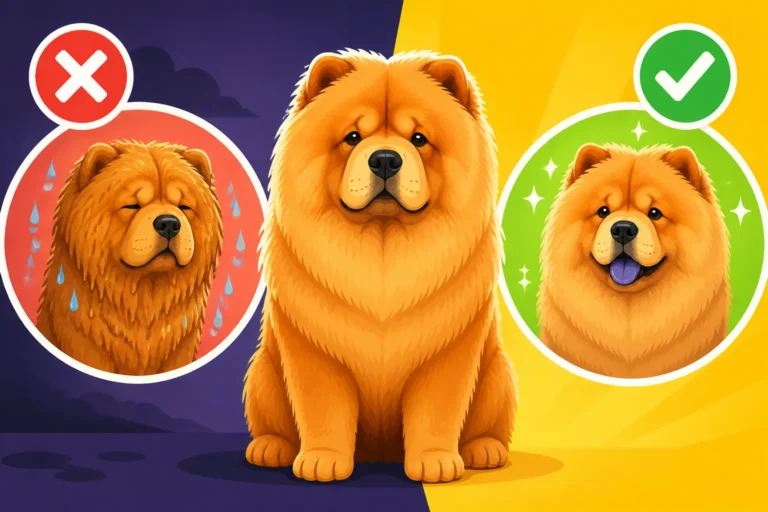
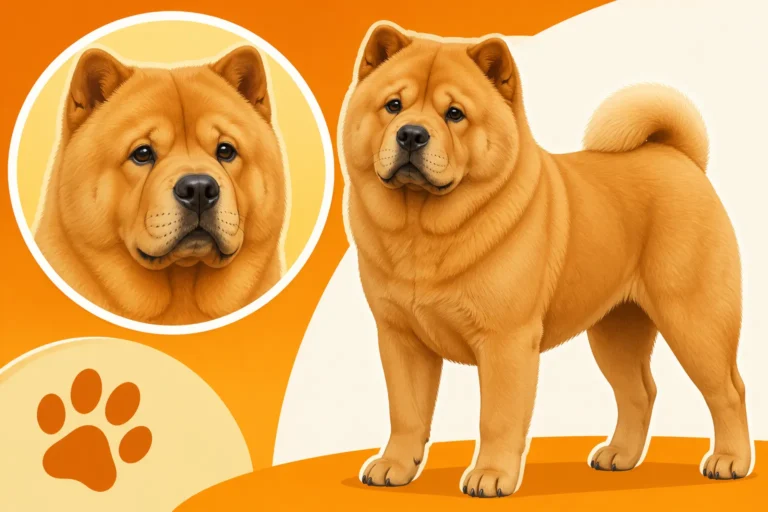
Chow Chows, with their ancient lineage and distinctive personalities, often come with their own set of quirks, and their eating habits are no exception. It's not uncommon for Chow Chow owners to describe their dogs as "finicky" or "not huge eaters," which can sometimes be mistaken for signs of dietary sensitivities when, in reality, it might just be normal Chow behavior.
The Chow Chow's Unique Digestive System and Metabolism
One of the first things many Chow Chow owners notice is that their majestic furball often eats less than you'd expect for a dog of its size. Unlike some breeds that gobble down everything in sight, a Chow Chow often has a more moderate appetite. They aren't typically high-energy dogs, which means their metabolic needs are often lower. This isn't a sign of illness or a sensitive stomach; it's simply part of their genetic makeup. They conserve energy, move with a characteristic "stilted gait," and don't generally require the same caloric intake as, say, a high-drive working breed.
If your Chow Chow occasionally skips a meal or leaves some kibble in the bowl, it’s not always a red flag. It could simply mean they're not as hungry, or perhaps the day's activity level was lower. This quiet, often reserved nature extends to their eating habits too. However, this also means that when a Chow Chow truly is unwell and loses their appetite significantly, it can be harder to spot the signs of serious trouble compared to a dog that's usually a voracious eater. Furthermore, their incredibly dense double coat can sometimes mask subtle changes in body condition, making it challenging to tell if they're losing weight. Regular hands-on checks are crucial because How a Chow Chow's Coat Hides Weight Loss can make it difficult to visually assess their true physical state.
Common Misconceptions About Chow Chow Dietary Needs
There's a prevailing idea among some circles that Chow Chows are inherently prone to allergies or have overly sensitive stomachs, leading many owners to jump to specialized diets prematurely. While it's true that some individual Chows can develop allergies or gastrointestinal issues, it's far from a universal truth for the entire breed. Many Chow Chows thrive perfectly well on high-quality, commercially available dog foods that aren't specifically labeled as "limited ingredient."
The misconception often arises because any subtle skin itch, a bit of gas, or a less-than-perfect stool can immediately trigger thoughts of food allergies. In reality, these minor symptoms can have numerous causes, from environmental irritants to stress, or simply a temporary dietary upset from eating something they shouldn't have. Automatically switching to a limited ingredient diet without proper veterinary guidance can be a costly, time-consuming, and potentially unnecessary endeavor. It might even delay the proper diagnosis and treatment of the actual issue.
It’s important to remember that not every scratch means an allergy, and not every skipped meal means a food aversion. Observing your Chow Chow's overall demeanor, energy levels, and consistency of symptoms over time is key. Before making any drastic changes, a conversation with your veterinarian about your specific dog's health history and symptoms is always the best first step.
Identifying Genuine Signs Your Chow Chow Might Need a Specialized Diet
While not all Chow Chows require a limited ingredient diet, there are certainly instances where such a change can be profoundly beneficial. The key is distinguishing between minor, fleeting issues and persistent symptoms that genuinely point towards a food sensitivity or allergy. These signs often manifest in two main areas: skin and coat health, and gastrointestinal function.
Skin and Coat Issues Pointing Towards Food Sensitivities
For a breed celebrated for its magnificent double coat, skin and coat problems can be particularly frustrating and uncomfortable for a Chow Chow. If your Chow is experiencing persistent itching, beyond normal seasonal scratching, it could be a sign. This might look like relentless scratching, chewing at their paws, rubbing against furniture, or frequent head shaking. You might also notice localized "hot spots" – moist, red, irritated lesions that appear suddenly and can spread rapidly. These are often self-inflicted wounds from excessive licking or chewing due to underlying itchiness.
Chronic ear infections, especially those that recur despite treatment and good hygiene, can also be a tell-tale sign of a food allergy. Many owners don't immediately connect ear issues with diet, but inflammation caused by an allergic reaction can create an environment ripe for yeast and bacterial growth in the ears. Furthermore, a dull coat, excessive shedding (beyond their regular When a Chow Chow Blows Its Coat cycles), or flaky skin could indicate a nutritional deficiency or an allergic reaction. Why a Chow Chow's Dense Coat Hides Skin Disease also means you have to be extra vigilant, parting that luxurious fur to inspect the skin underneath regularly. Sometimes, owners are surprised to find extensive redness or bumps that were completely hidden by the thick coat. If you suspect skin allergies, it's worth exploring Whether a Chow Chow Gets Skin Allergies with your vet.
Gastrointestinal Symptoms to Watch For
While a little gas here and there is normal for any dog, and some picky eating is standard Chow behavior, chronic or severe gastrointestinal upset is a more definitive indicator that a specialized diet might be necessary. Look out for persistent diarrhea or loose stools that don't firm up with typical remedies. Vomiting, especially if it occurs frequently and isn't linked to eating too fast or an obvious dietary indiscretion, should also raise a red flag.
Other signs can include excessive gas, loud stomach gurgling, or an overall reluctance to eat that goes beyond their usual discerning nature. If your Chow Chow seems uncomfortable after meals, hunches over, or strains to defecate, these are all symptoms that warrant investigation. It's crucial to differentiate these chronic issues from an acute upset stomach caused by, say, getting into the trash or eating something toxic. Always consult your veterinarian if you notice these symptoms, as they can also be indicative of other serious conditions, such as inflammatory bowel disease, pancreatitis, or even parasites. Ruling out these possibilities is an essential step before embarking on a limited ingredient diet trial.
Here’s a quick overview of symptoms and what they might suggest:
| Symptom Category | Specific Signs to Watch For | Potential Cause/Action |
|---|---|---|
| Skin & Coat | Persistent itching, paw licking, hot spots, chronic ear infections, dull coat, flaky skin | Food allergy, environmental allergy, parasites (fleas), bacterial/yeast infection. Action: Vet visit to rule out parasites and infections first. |
| Gastrointestinal | Chronic diarrhea/loose stools, frequent vomiting, excessive gas, stomach gurgling, reluctance to eat, abdominal discomfort | Food allergy/intolerance, parasites, bacterial infection, inflammatory bowel disease, organ issues. Action: Vet visit immediately to diagnose and treat underlying conditions. For severe issues like extreme bloating and unproductive retching, it could be a torsion, which is a critical emergency. Signs a Chow Chow's Stomach Has Turned |
Remember, any persistent change in your Chow Chow's health or behavior warrants a trip to the vet. They can help you determine the root cause and guide you towards the most appropriate course of action.
What Exactly is a Limited Ingredient Diet (LID) and How Does It Work?
Once you and your veterinarian suspect a food sensitivity or allergy, the concept of a Limited Ingredient Diet (LID) will likely come up. It's not just a fancy name for another dog food; it's a very specific approach to identifying and managing dietary triggers. Understanding what an LID truly is and how it’s designed to work is crucial for its success.
The Philosophy Behind LIDs for Dogs
At its core, a limited ingredient diet is precisely what it sounds like: a dog food formulated with a minimal number of ingredients. The guiding philosophy is to reduce the chances of your dog encountering an allergen or ingredient they are sensitive to. Most traditional dog foods contain a long list of ingredients, including common proteins like chicken or beef, various grains like corn or wheat, and a host of artificial colors, flavors, and preservatives. While these are perfectly fine for most dogs, for a sensitive Chow Chow, any one of these could be the culprit behind their discomfort.
LIDs typically simplify the ingredient list dramatically. They often feature:
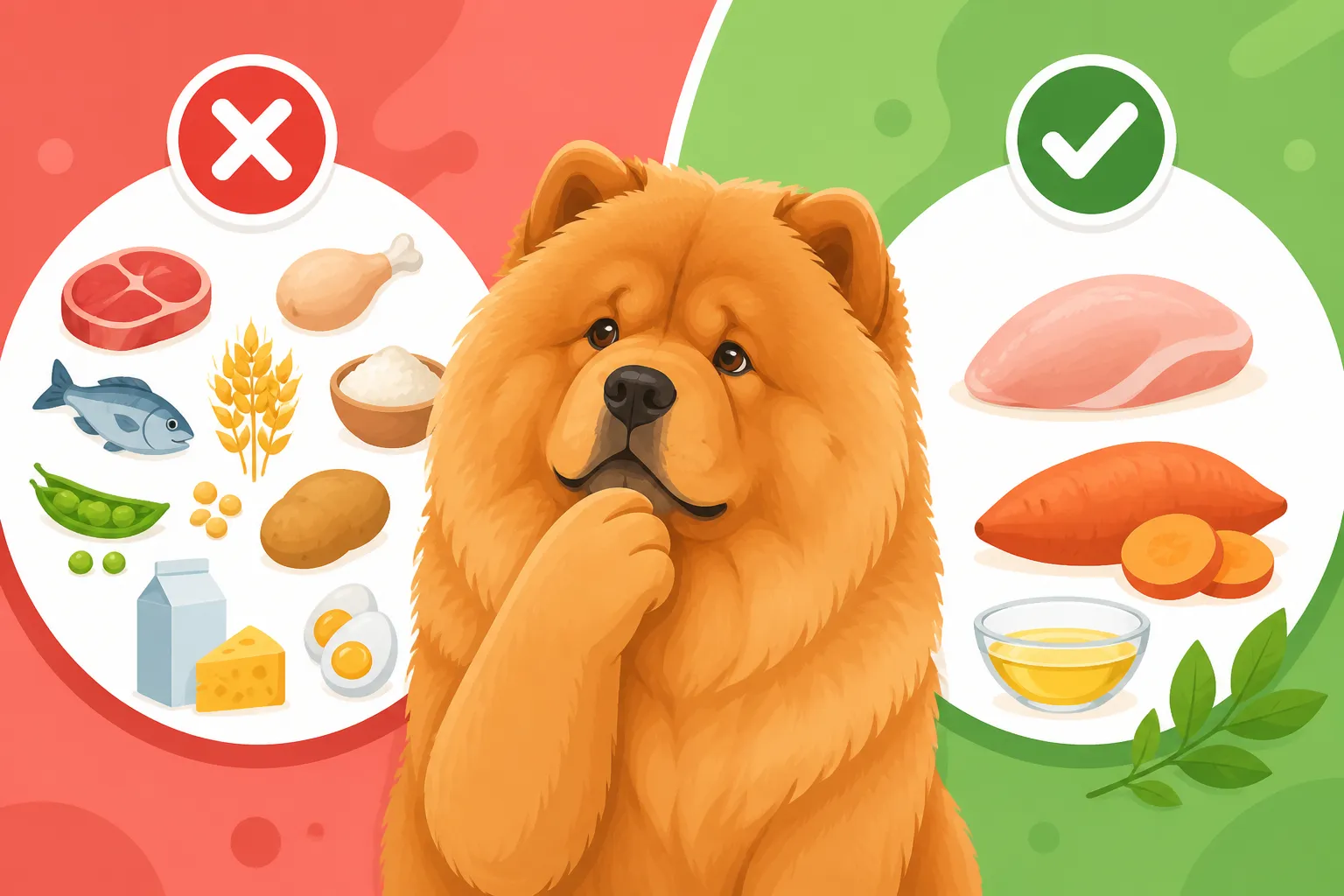
- A single, novel protein source: This means a protein that your dog has likely never encountered before, making an allergic reaction less probable. Common examples include duck, venison, lamb, rabbit, or even fish like salmon or whitefish. The idea is to avoid the usual suspects.
- A single, easily digestible carbohydrate source: Again, the focus is on simplicity and avoiding common grain allergens. Sweet potato, peas, lentils, or tapioca are frequently used instead of corn, wheat, or soy.
- Minimal additional ingredients: You won't find a long list of synthetic additives or obscure fillers. The goal is purity and transparency in the ingredient list.
The goal isn't just to provide a simple meal but to create a 'clean slate' for your dog's digestive system, allowing you to carefully reintroduce ingredients later if needed. Many commercial brands, like those you might find on Chewy or Amazon, offer limited ingredient lines. Some companies like Ollie even offer fresh food options which can be designed with limited, human-grade ingredients, though you'd still need to scrutinize the ingredient list to ensure it truly fits the "limited" criteria for your specific dog. The key is to check that the ingredients listed are indeed simple and that there are no hidden or unexpected components that could trigger a reaction.
Navigating the Trial and Error of LIDs
Implementing a limited ingredient diet isn't just about buying a bag of food labeled "LID." It's typically a diagnostic process known as an elimination diet. This process requires extreme dedication and patience, as it involves feeding only the chosen LID for a strict period, usually 8-12 weeks, with absolutely no other food, treats, chews, or even flavored medications.
Here's how it generally works:
- Consult Your Vet: This is non-negotiable. Your vet will help you choose an appropriate LID, often one with a protein and carbohydrate source your Chow Chow has never eaten before. They can also provide guidance on What a Chow Chow Is Most Often Allergic To, helping you avoid common culprits.
- Strict Transition: You'll gradually transition your Chow Chow to the new food over several days to avoid digestive upset. Once on the LID, nothing else should pass their lips. This means no table scraps, no flavored toys, no treats from friends, and careful reading of ingredient labels on anything they might ingest.
- Observation Period: Over the 8-12 weeks, you'll meticulously monitor your Chow Chow for improvements in their symptoms (itching, digestive upset, etc.). It can be frustrating because results aren't always immediate.
- Reintroduction (if symptoms improve): If symptoms resolve or significantly improve, your vet might suggest a "challenge" phase. This involves slowly reintroducing single ingredients from their previous diet, one at a time, and monitoring for a reaction. If a symptom reappears after reintroducing a specific ingredient (e.g., chicken), you've likely identified the culprit.
- Long-Term Plan: Once the offending ingredients are identified, you can either continue with a commercial LID that avoids those ingredients or work with your vet to formulate a balanced home-cooked diet. This process is very much trial and error, but it's the most reliable way to pinpoint specific food allergies.
It’s an intensive process, and you’ll want your vet's oversight throughout to ensure your Chow Chow remains nutritionally balanced, especially during the strict elimination phase. Without professional guidance, you might inadvertently exclude essential nutrients or fail to properly identify the allergen, making all your hard work for naught.
When to Consider a Limited Ingredient Diet and When to Pause
Deciding to put your Chow Chow on a limited ingredient diet is a significant step that shouldn't be taken lightly. It involves commitment, careful observation, and most importantly, professional guidance. Rushing into an LID without proper consultation can lead to frustration, potential nutritional imbalances, and a delayed diagnosis of the real problem.
Professional Guidance is Paramount
I cannot stress this enough: your veterinarian is your best resource when dealing with suspected food allergies or sensitivities. Before you even think about switching to a new diet, a thorough veterinary examination is essential. Why? Because many symptoms that look like food allergies can actually be caused by something else entirely. For example, persistent itching could be from fleas, environmental allergies (like pollen or dust mites), or even an autoimmune skin condition like What Pemphigus Foliaceus Does to a Chow Chow. Similarly, digestive upset could stem from parasites, bacterial infections, stress, or more serious organ issues.
Your vet will likely perform a series of tests to rule out other potential causes. This might include skin scrapings, blood tests to check for thyroid function (as hypothyroidism can affect coat quality), fecal exams for parasites, and potentially even biopsies if a skin condition is severe. They can help you interpret Signs a Chow Chow's Thyroid Is Low or other health indicators that might be masquerading as food issues. Only once other medical conditions have been ruled out does an elimination diet using an LID become the next logical step. Your vet can guide you through the process, recommend appropriate LID brands or formulations, and monitor your Chow Chow's progress to ensure they remain healthy and nourished throughout the trial. They can also explain the nuances of how pemphigus or other complex conditions are identified, helping you understand why a methodical approach is so important.
Long-Term Management and Nutritional Balance
Let's say you've diligently followed the elimination diet, worked with your vet, and successfully identified the specific ingredients that trigger your Chow Chow's symptoms. Congratulations! That's a huge victory. The next step is to formulate a long-term diet plan that avoids those problematic ingredients while still providing all the essential nutrients your Chow Chow needs to thrive.
For some Chow Chows, this might mean continuing indefinitely on a commercial limited ingredient diet that excludes their known allergens. There are many reputable brands available on platforms like Chewy and Amazon that offer grain-free, novel protein, or other specialized formulations. When choosing these, always double-check the ingredient list carefully, as formulations can change, and some "limited ingredient" foods might still contain minor components that could be problematic for a highly sensitive dog. You might also explore specialized pet food services, such as Ollie, which can tailor fresh food meals to specific dietary restrictions, ensuring quality and avoiding common allergens.
For other Chow Chows, especially those with multiple sensitivities or very unusual allergens, a home-cooked diet might be necessary. This path requires even closer veterinary supervision, often with the input of a veterinary nutritionist. Crafting a balanced home-cooked meal plan ensures your Chow Chow isn't missing out on crucial vitamins, minerals, and other nutrients, which can be a real risk with improperly formulated homemade diets. While it might seem like a lot of effort, providing a carefully managed diet ensures your Chow Chow lives a comfortable, healthy life free from the discomfort of food sensitivities.
Ultimately, whether your Chow Chow needs a limited ingredient diet isn't a simple yes or no answer. It's a journey of careful observation, veterinary consultation, and sometimes, a bit of detective work. With the right approach and professional support, you can help your majestic companion feel their absolute best. Whether a Chow Chow Needs a Limited Ingredient Diet is a question best answered in partnership with your trusted veterinarian.
Disclaimer
This article is for general informational purposes only and does not constitute professional advice. Laws, prices and regulations vary by location and change over time. Consult a qualified professional for guidance on your specific situation.