What the Chow Chow Did for a Chinese Emperor
When you picture a Chow Chow, you probably imagine that majestic, lion-like dog with the distinctive blue-black tongue, perhaps lounging serenely. But beneath that dignified, sometimes aloof exterior lies a truly ancient history, one that saw these remarkable dogs serving a purpose far grander than simply being a pet. For centuries, Chow Chows were deeply intertwined with the lives of Chinese emperors, playing roles that ranged from the practical to the ceremonial, shaping not only their physical traits but also the very essence of their unique temperament that we see today. This guide will explore the fascinating and often surprising contributions these dogs made to imperial life.
The Chow Chow's Deep Roots in Ancient China
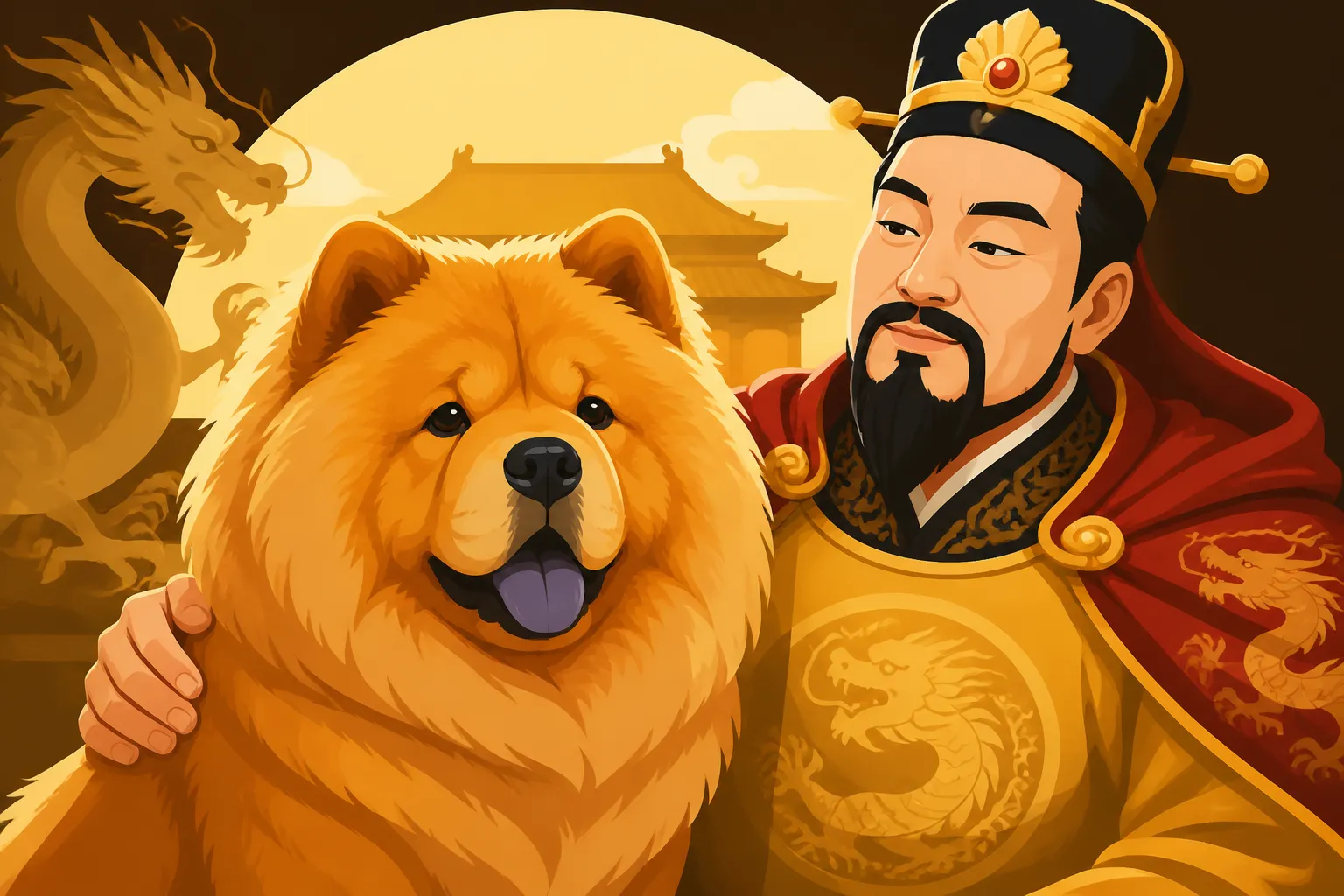
It’s easy to look at a Chow Chow and see a living relic, a dog that seems to carry the weight of centuries in its deep-set eyes and regal bearing. This isn't just an illusion; the Chow Chow is truly one of the most ancient breeds, with a lineage that stretches back thousands of years into the annals of Chinese history. Their story isn't just about evolving alongside humans, but about being deliberately shaped by the needs and desires of the most powerful individuals in ancient China – its emperors.
Far Beyond a Pet: Early Roles
Long before the concept of a "pet" as we understand it today truly existed, dogs like the ancestors of the Chow Chow were indispensable working animals. In early Chinese society, resources were precious, and every animal, especially one as large and capable as a Chow Chow, had to earn its keep. These weren't dogs kept merely for companionship; they were integral members of the community, valued for their strength, senses, and loyalty. Their roles were multifaceted, reflecting the complex demands of survival and societal structure in ancient times. They were guardians, hunters, and even sources of sustenance, making them incredibly valuable assets to any household, let alone an imperial one. This demanding lifestyle contributed to their robust health and sharp instincts, traits that would later be refined under imperial patronage.
A History Written in Stone and Silk
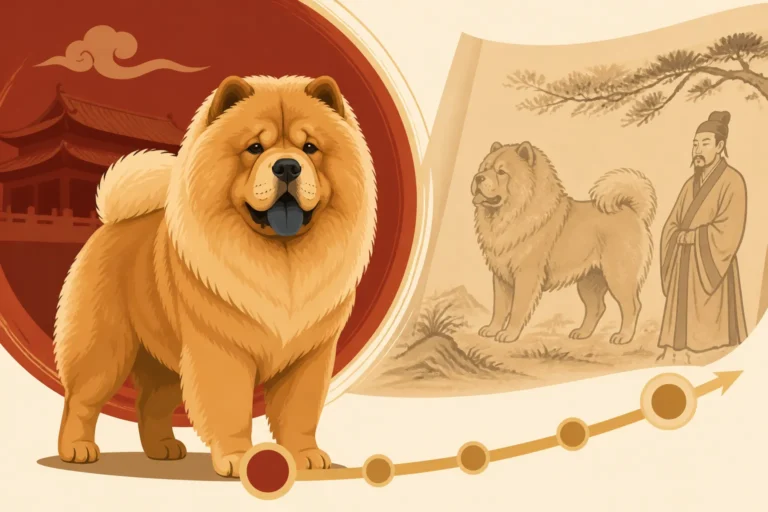
The evidence of the Chow Chow's venerable age isn't just anecdotal. Archaeological finds and historical records paint a vivid picture of their long presence. You can find depictions of dogs strikingly similar to Chow Chows in Han Dynasty Pottery Shows a Dog That Looks Like a Chow Chow, dating back over two thousand years. These artistic representations, from pottery to bas-reliefs and ancient scrolls, often show stout, lion-maned dogs with curled tails, serving as guardians or accompanying hunters. These aren't just generic dogs; the specific physical characteristics are unmistakably Chow Chow. Such consistent portrayal across different eras and mediums speaks volumes about their established place in Chinese culture and their importance to the ruling class. Their image was carved into history, reflecting their esteemed position.
The Dog of the Han Dynasty
During the powerful Han Dynasty, which spanned from 206 BC to 220 AD, the Chow Chow's ancestors truly came into their own as dogs of the elite. This was a period of great expansion and refinement in Chinese culture, and the imperial court sought out the finest examples of everything, including its dogs. While it might be tempting to think of them purely as majestic pets for the emperor, their roles were far more practical and significant. They were likely valued for their guarding capabilities, their prowess in the hunt, and even their ability to provide warmth or, tragically, sustenance during harsh times. The attention and resources of the imperial court allowed for selective breeding, solidifying the traits that made them so useful and distinctive. This era effectively cemented the Chow Chow's status as a dog worthy of royalty, a tradition that would continue for centuries.
More Than a Companion: The Imperial Hunter
The Chow Chow’s ancestors weren't just pretty faces gracing imperial courts; they were formidable working animals, particularly prized for their skills in the hunt. In an era where food acquisition was paramount, and hunting was both a sport and a vital source of provision for vast imperial households, these dogs played a critical role. Their unique build and temperament were perfectly suited for the challenging landscapes of ancient China.
Supplying the Imperial Table
Imperial households were enormous, comprising the emperor, his family, countless concubines, eunuchs, officials, and servants. Feeding such a multitude required a constant and reliable supply of food. While agriculture provided much of the staple diet, meat was a prized commodity and often a luxury. Hunting expeditions, sometimes numbering in the thousands of participants, were not just extravagant displays of power but also practical efforts to stock the imperial larders. Chow Chows, or their direct ancestors, were vital participants in these hunts, bringing down game that would then be prepared for the emperor’s table and the tables of his court. Their contribution ensured a diverse and rich diet, signifying the emperor's prosperity and ability to provide for his people, even indirectly through the bounty of the hunt.
Hunting Techniques and Prey
The Chow Chow’s unique physical attributes made it an excellent hunting companion in various terrains. Their sturdy build, dense coat, and powerful jaws were well-suited for tracking and cornering game, even in dense brush or forested areas. Unlike sighthounds that rely on speed and vision in open plains, the Chow Chow was likely used as a "flush and retrieve" type dog, or to track and hold game until hunters arrived. They were skilled at hunting smaller game like pheasants and hares, which were plentiful, but their strength also allowed them to assist in hunts for larger animals. Imagine a pack of these powerful dogs working together, their sheer determination and strength helping to subdue boars or even deer, providing valuable protein and furs for the imperial court. Their ability to work independently, yet respond to a master’s command, would have been invaluable in the often-unpredictable environment of a historical hunt.
The Logistics of a Royal Hunt
A royal hunt was an immense undertaking, a grand spectacle requiring meticulous planning and a vast retinue. It wasn’t simply a few men and dogs heading into the woods; it involved hundreds, sometimes thousands, of people, horses, chariots, and of course, dogs. The Chow Chows would have been part of this elaborate machinery, likely trained from a young age to work cohesively within the hunting party. Their resilience and endurance, combined with their thick coats, would have allowed them to withstand various weather conditions and challenging terrain over extended periods. Ensuring their well-being, their training, and their readiness for these major events would have been a significant responsibility for those managing the imperial kennels. Such efforts underscore the high regard in which these hunting dogs were held, for without their effectiveness, the lavish displays and practical outcomes of the imperial hunts would have been greatly diminished.
Guards of the Empire: Protection and Prestige
Beyond their role as hunters, Chow Chows were indispensable as guardians. The emperors of China, as figures of immense power and wealth, lived in a constant state of vigilance. Security was paramount, not just from external threats but from internal plots and opportunistic thieves. The Chow Chow’s natural instincts and formidable presence made them ideal protectors for palaces, temples, and even the emperor’s personal space.
Standing Sentinel in Palaces and Temples
Imperial palaces were sprawling complexes, often surrounded by high walls and filled with treasures, important documents, and, of course, the imperial family itself. Temples, too, held sacred artifacts and often served as repositories of valuable knowledge. Guarding these vast areas was a monumental task. While human guards were always present, dogs offered an additional layer of security, possessing senses far keener than any person. The Chow Chow’s acute hearing and excellent sense of smell would have made them invaluable for detecting intruders long before they were visible. Their imposing physical presence, often described as lion-like, was a visual deterrent in itself. Imagine a Chow Chow, with its natural "scowl" and erect posture, standing watch, an unyielding sentinel against any who would trespass. This instinct to protect places and people still manifests in many modern Chow Chows, making them naturally wary of strangers and intensely loyal to their home.
A Deterrent and a Symbol of Power
The Chow Chow's distinctive appearance – their dense ruff, deep-set eyes, and robust build – gave them an intimidating aura. In ancient China, where symbolism held immense power, a dog resembling a lion would have been particularly potent. Lions, though not native to China, were revered symbols of strength, protection, and imperial authority, often depicted guarding Buddhist temples. Possessing dogs that physically embodied these characteristics would have been a powerful statement for an emperor. It wasn't just about their ability to physically stop an intruder; their mere presence projected an image of unyielding power and protection, reinforcing the emperor’s divine right to rule and his absolute control over his domain. This symbolism contributed to their prestige, making them highly desirable dogs for anyone wishing to emulate imperial status.
Guarding the Emperor's Personal Space
While guarding grand palaces and temples was one thing, the most critical role was often the protection of the emperor himself and his immediate family. Unlike many breeds that might be effusively friendly, the Chow Chow is known for its selective affections and inherent aloofness. This trait would have been highly valued in an imperial guard dog. An emperor needed a dog that was fiercely loyal to him and his inner circle, but reserved and wary of all others. This natural discernment meant that a Chow Chow wasn't easily swayed or distracted, focusing its protective instincts where they were most needed. Their powerful build and often silent, watchful demeanor would have made them formidable bodyguards. The deep-set eyes, which can limit peripheral vision (as discussed in Why a Chow Chow's Deep Set Eye Limits What It Sees), meant they were often approaching threats head-on, adding to their confrontational nature when necessary. This inherent distrust of strangers, a hallmark of the breed today, likely stems directly from their historical role as personal protectors of the most powerful individuals.
The Chow Chow as a Source of Luxury and Utility
The Chow Chow's contributions to imperial China weren't limited to hunting and guarding; they extended into areas of luxury and utility, touching upon facets of life that might seem unsettling to us today but were practical realities in ancient times. These roles highlight the breed's versatility and the pragmatic approach taken by imperial households in maximizing the value of every resource.
Fur and Meat: A Controversial History
One of the more difficult aspects of the Chow Chow's historical utility to confront is their past use for their fur and even for meat. In an agrarian society, and particularly during periods of scarcity or colder climates, every animal served multiple purposes. The Chow Chow's incredibly dense, insulating double coat (whether the rough or smooth variety) would have been highly prized for warmth. Imagine the brutal winters of northern China; fur was not merely a fashion statement but a necessity for survival. Furthermore, historical records, though often sparse and open to interpretation, suggest that some Chow Chows, particularly those outside the direct imperial lineage or in less affluent settings, might have also been a source of protein. This practice, while taboo in many cultures today, was a harsh reality in times past. It underscores that while some Chows enjoyed an elevated status, the breed as a whole still served a broad spectrum of human needs. The very traits that make them visually striking and capable hunters also made them valuable commodities in other, more sobering ways. This historical context is vital for understanding the complex relationship between humans and dogs in ancient China. Whether Chow Chows Were Raised for Meat and Fur delves deeper into this often-uncomfortable truth.
Practical Contributions to Imperial Households
Beyond the more dramatic roles of hunting and guarding, Chow Chows also offered more mundane, yet equally valuable, contributions to the daily functioning of imperial households. Their strength and endurance meant they could have been used for light draft work, pulling small carts or assisting with moving goods within the palace grounds. While not typically thought of as draft dogs in the same vein as larger breeds, their robust build and inherent stamina would have made them capable for such tasks. Their thick fur also provided insulation, and in colder chambers of the palace, their presence might have offered a degree of warmth to their handlers or even to members of the imperial family. Furthermore, their presence could have been a deterrent to rodents and other pests that would plague any large dwelling. These practical, day-to-day contributions, though less glamorous, illustrate the sheer utility that made the Chow Chow such an integral part of ancient Chinese life, valued for every aspect of its being.
Status Symbol and Display of Wealth
As much as their utility, Chow Chows were also potent symbols of status and wealth. Only the emperor and the highest echelons of society could afford to keep and maintain dogs of such distinctive lineage and quality. The rarity and unique appearance of the Chow Chow, particularly its striking blue-black tongue (which, interestingly, is not pink like most dogs, as explored in Why a Chow Chow's Tongue Is Not Pink), set it apart. Owning such a dog was a clear indicator of one's position and influence within the rigid social hierarchy. It was a visible display of imperial power, much like rare silks, precious jewels, or exotic animals. These dogs were living trophies, confirming the emperor's ability to command resources and possess the finest creatures in his realm. The deliberate breeding and careful upkeep of these dogs for generations reinforced their elevated status, transforming them from mere working animals into living symbols of the imperial dynasty itself. They were a testament to the emperor's grandeur, making a silent but profound statement about his power and prestige.
Imperial Breeding and Preservation
The long and storied history of the Chow Chow as an imperial dog is no accident. It is the direct result of centuries of deliberate breeding and careful preservation efforts, largely orchestrated under the patronage of Chinese emperors and their courts. This dedication ensured that the unique traits prized by the imperial family were maintained and even enhanced over generations.
Maintaining the "Lion Dog" Lineage
The Chow Chow's distinctive lion-like appearance, which earned it the ancient Chinese name "Songshi Quan" (meaning "puffy-lion dog" as explained in What Songshi Quan Means), was not left to chance. Imperial breeders meticulously selected dogs that exhibited the most pronounced and desirable characteristics: the broad head, the dense ruff, the deep-set eyes, and the curled tail. The goal was to maintain and even exaggerate these traits, solidifying the breed's iconic look. These characteristics weren't just about aesthetics; they often correlated with the desired temperament and working abilities. A strong, robust build was essential for hunting and guarding, and the dense coat provided protection in harsh climates. The lineage was carefully guarded, with detailed records likely kept within the imperial kennels, ensuring that only the finest specimens contributed to the next generation. This focus on maintaining specific physical standards underscores the immense value placed on the Chow Chow by its imperial patrons.
Traits Prized by Emperors
Beyond their physical appearance, emperors and their courtiers valued specific temperament traits in their Chow Chows. Loyalty was paramount, especially for dogs tasked with guarding royal persons and properties. An independent nature, combined with unwavering devotion to their primary handler, would have been highly regarded. This is a trait still evident in Chow Chows today; they bond deeply with one or two people and are often aloof with strangers, a behavior often described in How Aloof a Chow Chow Really Is. Courage and fearlessness were also crucial, particularly for hunting and guarding roles where the dog might face dangerous animals or intruders. A calm, dignified demeanor was preferred over excessive excitability, reflecting the serene and powerful image of the imperial court itself. Dogs that were too boisterous or overly submissive might have been considered less suitable for such high-status roles. These carefully cultivated traits ensured that the Chow Chow remained an effective and appropriate companion for the ruling elite, embodying both strength and quiet majesty.
Royal Kennels and Care
Maintaining a large population of Chow Chows, especially those of imperial quality, required significant resources and expertise. Royal kennels were elaborate operations, staffed by dedicated keepers who understood the specific needs of the breed. These dogs would have received the best possible care, from high-quality food to shelter and veterinary attention, ensuring their health and longevity. The sheer scale of these operations, with some accounts suggesting thousands of dogs under an emperor’s care (as explored in Whether a Chinese Emperor Kept Thousands of Chow Chows), indicates an immense investment in the breed. This consistent, high-level care over centuries played a crucial role in the Chow Chow's development, allowing the breed to flourish and its desirable traits to become deeply ingrained. The emphasis on their well-being underscores their importance not just as working animals, but as treasured assets within the imperial ecosystem.
The Decline of Imperial Patronage and Modern Legacy
Like all empires, even the most enduring, the imperial dynasties of China eventually faded. With their decline, the Chow Chow's role as an imperial dog also underwent a significant transformation. From being an exclusive companion of emperors, they transitioned into a breed known globally, carrying the echoes of their regal past into modern times.
Shifting Dynasties and Fortunes
The Chow Chow's fortunes were inextricably linked to those of the Chinese emperors. As dynasties rose and fell, and as China underwent periods of political upheaval and cultural change, the status and prevalence of the Chow Chow shifted. During times of prosperity and strong imperial rule, the breed flourished under royal patronage. However, periods of instability, war, or economic hardship often meant fewer resources dedicated to grand kennels, and the focus shifted from luxury and utility to mere survival. The secrecy surrounding the breed, a consequence of its imperial exclusivity, also contributed to its limited spread outside of China for a long time. It wasn't until later periods, as China began to open up to the Western world, that the Chow Chow started its journey beyond the imperial courts and into the homes of new admirers. This ebb and flow of fortune is a poignant reminder of how deeply connected the breed's history is to the broader historical narrative of China.
From Palace Dog to European Curiosity
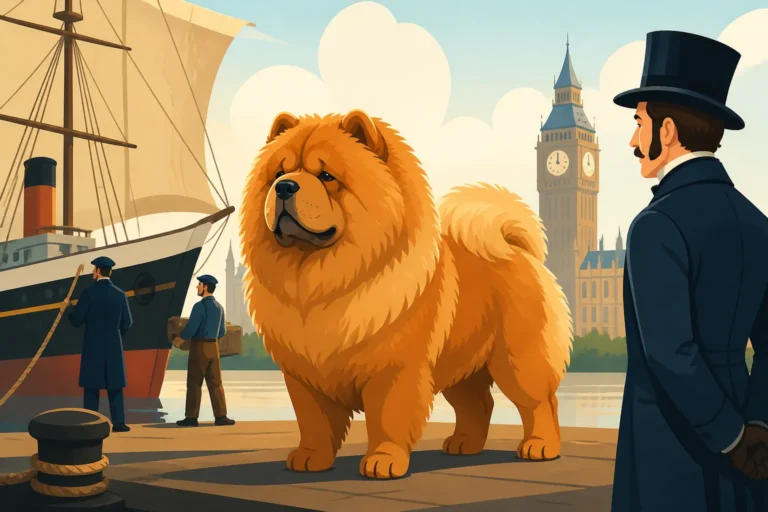
The Chow Chow's introduction to the Western world marked a dramatic shift in its trajectory. Initially arriving in Europe as exotic cargo on trading ships, often listed simply as "chow-chow" – a pidgin-English term for miscellaneous goods – these unique dogs quickly captivated curiosity. How the Chow Chow Got an English Name From a Ship's Manifest explains this fascinating origin. Their distinctive appearance, combined with their dignified and somewhat aloof temperament, made them unlike any other dogs known in the West. It wasn't long before they caught the eye of royalty and nobility in Europe, including Queen Victoria, which significantly boosted their popularity and status (as highlighted in Queen Victoria Made the Chow Chow Fashionable). This newfound admiration in the West meant the breed was preserved and developed further, albeit with different priorities than their ancient Chinese imperial functions. They transitioned from working dogs in a vast empire to cherished, often pampered, companions and show dogs in a different cultural context, a testament to their enduring appeal.
Echoes of the Past in Today's Chow Chow
Even though today's Chow Chow is far removed from its imperial ancestors, living in suburban homes rather than sprawling palaces, the echoes of its ancient roles are still profoundly evident in its temperament and characteristics. Their famous aloofness and discerning nature, their tendency to bond strongly with one person while being reserved with others, is a direct legacy of their time as imperial protectors. The guarding instinct is deeply ingrained; they are naturally watchful and territorial, a trait explored in How Territorial a Chow Chow Is. Their independent spirit, sometimes mistaken for stubbornness, reflects a dog bred to think for itself while on a hunt or standing sentinel, rather than needing constant direction. Even their stoicism, their ability to endure discomfort or pain without complaint (a trait that requires careful observation from owners), speaks to a history where resilience was vital. Understanding this imperial past provides invaluable insight into the Chow Chow's unique personality and helps modern owners appreciate and manage these magnificent dogs, acknowledging the centuries of selective breeding that shaped who they are.
Understanding the Chow Chow's Regal Temperament Today
It's clear that the Chow Chow isn't just any dog. Its long and distinguished history serving Chinese emperors has undeniably molded its character, resulting in a temperament that is truly unique among dog breeds. For anyone considering bringing a Chow Chow into their life, or for those who already share their home with one, understanding this imperial legacy is key to appreciating their distinct personality. These aren't golden retrievers in a lion costume; they carry the weight of their heritage in every interaction.
The Legacy of Independence
Perhaps the most defining trait of the modern Chow Chow is its fierce independence. Unlike many breeds that live to please their human companions, a Chow Chow operates on a principle of cooperation and mutual respect. They will learn commands, certainly, but they will decide when and if to execute them, often weighing the request against their own assessment of the situation or their current inclination. This isn't stubbornness for the sake of it, but a deeply ingrained self-reliance, a trait honed over centuries when they were expected to track game or stand guard without constant human intervention. They were partners, not subordinates. This independence means they often don't follow you from room to room like some "velcro" dogs, preferring to observe from a comfortable distance. Their affection, when given, is subtle and earned, often expressed by merely being near you, or a gentle lean. If you expect a dog that constantly craves your attention and lives for your every command, a Chow Chow might surprise you. They require an owner who respects their autonomy and understands that their loyalty is profound, but quietly expressed.
The Aloofness of Royalty
The image of a dignified, somewhat distant Chow Chow is no accident; it's a direct reflection of their imperial past. As protectors and symbols of status for emperors, these dogs were not bred for effusive greetings or boisterous displays of affection towards strangers. Instead, a reserved and watchful demeanor was preferred. This aloofness is still very much present today. A Chow Chow will likely greet visitors with a calm, discerning gaze, assessing them rather than rushing in for pets. While they tolerate the family, their bond is typically reserved for one or two primary individuals, as highlighted in The Chow Chow Bonds to One Person and Tolerates the Rest. This doesn't mean they are unfriendly or aggressive, but rather selective and composed. They won't usually jump on people or demand attention from everyone in the room. This makes them excellent dogs for households that prefer a less clingy companion, but it also necessitates careful socialization from a young age to ensure they are comfortable and secure in various environments. Understanding this royal aloofness helps owners manage expectations and appreciate the subtle ways a Chow Chow shows it cares.
Guarding Instincts in the Modern Home
The Chow Chow's historical role as a guardian of palaces, temples, and emperors means that guarding instincts are deeply wired into their DNA. Even in a modern suburban home, a Chow Chow will naturally perceive its property and its family as its "territory" to protect. They are keenly aware of their surroundings and will alert you to anything they deem unusual, often with a deep, resonant bark. They can be particularly vigilant about people approaching their home or yard. This protective nature, while desirable in many ways, requires responsible management and consistent training. Early and ongoing socialization is absolutely crucial to help them distinguish between a genuine threat and a friendly mail carrier or a visiting friend. Without proper guidance, these strong instincts can lead to issues. They need to learn that their human is in charge of assessing threats and managing visitors. The deep-set eyes, which can create blind spots, also contribute to their tendency to startle if approached suddenly from the rear, sometimes leading to a defensive reaction. Owners must always be mindful of this, ensuring safe introductions and respectful interactions from others. It's a testament to their imperial past that even generations removed, the Chow Chow remains a formidable and instinctively protective companion.
| Historical Role | Traits Cultivated/Utilized | Modern Manifestation (Temperament) |
|---|---|---|
| Imperial Hunter | Strength, endurance, independent tracking, strong prey drive | Independent problem-solving, can be determined |
| Palace Guardian | Alertness, vigilance, reserved with strangers, loyalty to few | Aloofness, strong guarding instincts, one-person dog |
| Status Symbol | Distinctive appearance, dignified demeanor, composed presence | Proud, self-assured, often reserved and stoic |
| Source of Utility | Robust build, resilience, adaptability | Hardiness, quiet endurance, low energy needs |
Disclaimer
This article is for general informational purposes only and does not constitute professional advice. Laws, prices and regulations vary by location and change over time. Consult a qualified professional for guidance on your specific situation.