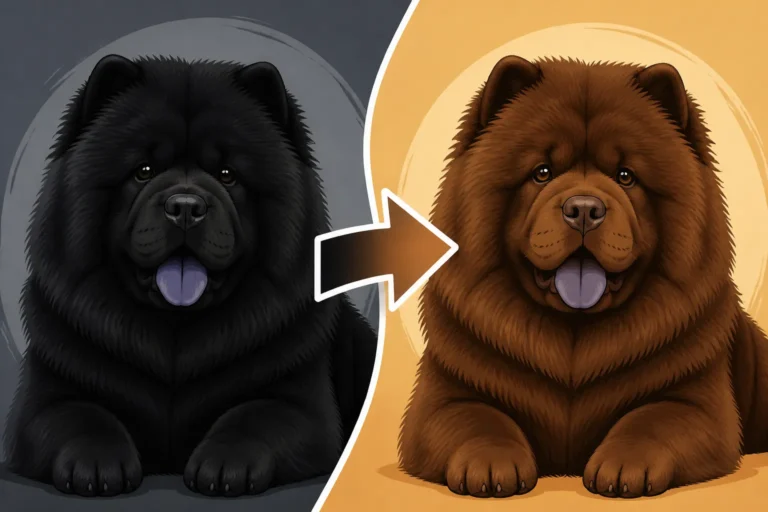
Whether Chow Chows Guarded Temples
Many people envision the regal Chow Chow standing sentinel at ancient temples, a stoic guardian with a lion-like mane. It's a powerful image, one that has undoubtedly contributed to the breed's mystique and reputation. However, the true historical duties of these magnificent dogs in their native China were far more varied and, frankly, less spiritually grand than popular lore suggests. This guide will delve into the historical records, separate legend from reality, and explore the actual roles these ancient dogs played, shedding light on their genuine guarding instincts and how they developed.
The Enduring Myth of the Temple Guardian
It’s easy to look at a Chow Chow with its formidable ruff, deep-set eyes, and somewhat reserved demeanor and imagine it as a silent, imposing guardian of sacred spaces. This mental image is powerful and widely circulated, but it’s more a product of romanticized Western interpretations and later cultural narratives than a reflection of their primary historical duties. The idea of the Chow Chow as a "temple dog" is deeply embedded in their mystique, often portrayed in art and popular culture as symbols of ancient Chinese spiritualism and protection.
Tracing the Breed's Ancient Roots
The Chow Chow is indeed one of the most ancient dog breeds in the world, with a lineage that can be traced back thousands of years. DNA evidence places them among the oldest distinct breeds, suggesting their development occurred alongside early human civilizations in East Asia. Archaeological finds and historical texts point to their presence in China for centuries, with depictions resembling Chow Chows found in Han Dynasty pottery and bas-reliefs dating back to 206 BC – 220 AD. These early records confirm their long history and significance within Chinese society, but they rarely, if ever, place them explicitly within a temple guarding role. Instead, they often depict them as companions, hunters, or working dogs alongside people in everyday life. For more on their long history, you can read The Chow Chow Is One of the Oldest Breeds in the World.
The breed's original name, "Songshi Quan" (Puffy-Lion Dog) or "Tang Quan" (Dog of the Tang Dynasty), also reflects their physical appearance and historical association with powerful dynasties, rather than a specific religious function. Their dense coats and formidable presence certainly made them seem lion-like, a revered symbol in Chinese culture, which likely contributed to their elevated status. However, this symbolism didn't automatically translate into a direct role as temple guardians, but rather as powerful animals associated with nobility and utility.
What Historical Records Actually Suggest
When we dig into historical accounts and traditional Chinese texts, the primary roles ascribed to Chow Chows are practical, rather than ceremonial. They were truly utility dogs, fulfilling a wide range of tasks essential to daily life in ancient China. These dogs were bred for their strength, endurance, and protective instincts, making them invaluable assets in various capacities. The notion of them solely or primarily guarding temples seems to be a later romantic embellishment, perhaps arising from their dignified appearance and the general reverence for such ancient breeds.
Many historical references highlight their use as hunting dogs for pheasant and other game, valued for their keen senses and robust build. They also served as cart pullers, draft animals transporting goods through villages and across challenging terrain. Furthermore, they were a significant source of both food and fur, a grim reality of the past that underscores their utility over any purely ceremonial purpose. While they certainly lived within communities where temples existed, their direct, dedicated role as temple guardians is not strongly supported by historical documentation, which emphasizes their practical contributions to human survival and livelihoods.
The Chow Chow's Traditional Roles in Ancient China
Far from being solely temple guardians, Chow Chows were integral to the practical lives of people across various social strata in ancient China. Their versatility and robust nature made them invaluable working animals, contributing to the sustenance and protection of families and communities. Understanding these roles gives us a more accurate and grounded perspective on what these remarkable dogs truly are and were.
Hunting Companions and Utility Dogs
One of the most well-documented historical roles for the Chow Chow was as a hunting dog. Their powerful build, keen senses, and endurance made them excellent companions for hunts. They were capable of tracking and retrieving game, often used for hunting smaller animals like pheasants, but also potentially larger game. This showcases their innate athleticism and ability to work alongside humans in challenging environments. The energy and focus required for hunting would have been channeled into purposeful work, rather than just lounging around a temple. If you're curious about their hunting prowess, you might enjoy reading What a Chow Chow Hunted in China.
Beyond hunting, their strength and sturdy build were put to use in various utility roles. They were known to pull carts, transporting goods, supplies, and even people over short distances. This draft work was crucial in a time before widespread motorized transport, making them essential members of many households and trade routes. Imagine a Chow Chow, strong and steadfast, pulling a small cart laden with firewood or market goods, their dense coat offering protection from the elements. This demanding work required a hardy constitution and a willingness to cooperate, traits that were undoubtedly prized by their owners.
Guarding Homes and Possessions Not Temples
While the "temple guardian" narrative is largely mythological, the Chow Chow did possess strong guarding instincts, which were highly valued and put to practical use in safeguarding human homes and property. These dogs were natural protectors, alert and wary of strangers, making them excellent watchdogs. They were bred to be vigilant, sounding the alarm at the approach of outsiders and acting as a deterrent to potential threats. This protective nature was essential in communities where personal security and the safety of one's belongings were paramount. You can learn more about how they traditionally guarded property in Whether Chow Chows Guarded Junks and Carts.
They were known to guard homes, farms, and even merchant vessels or carts against thieves and intruders. Their imposing presence, coupled with their reserved and sometimes aloof temperament, made them effective guardians without necessarily being overtly aggressive. They observed, they warned, and if necessary, they defended. This specific form of guarding, focused on the immediate environment of their human companions and their assets, is a far cry from the solitary, symbolic sentinel role often attributed to them in temples. It's a real-world, deeply ingrained aspect of their character that persists to this day.
The Less-Glorious Side of Their History
It's important to acknowledge that the Chow Chow's history, like many working breeds, isn't always glamorous or romanticized. In ancient China, dogs served multiple purposes, and their value often extended beyond companionship. Sadly, historical accounts indicate that Chow Chows were also raised for their meat and fur. This might be uncomfortable to consider from a modern perspective, but it was a harsh reality in cultures where resources were scarce and every animal served a function. This aspect of their history, while less palatable, reinforces their role as practical utility animals rather than purely ceremonial figures.
The demand for their thick, insulating fur would have been significant in cold climates, providing warmth for clothing or blankets. Similarly, dog meat was consumed in certain regions and during specific periods, contributing to the food supply. While this practice is largely a thing of the past and deeply frowned upon in many parts of the world today, it was part of their historical context. Understanding this multifaceted history helps us appreciate the Chow Chow not just as a noble companion, but as a robust and adaptable breed that contributed to human survival in very fundamental ways.
Why the Temple Guardian Narrative Persists
Despite historical evidence pointing to more practical roles, the image of the Chow Chow as a temple guardian remains remarkably persistent. This isn't entirely surprising; powerful myths often take root when they align with a breed's perceived character and aesthetic. The Chow Chow’s unique physical and behavioral traits lend themselves readily to such an evocative narrative, making it easy for the legend to overshadow the less romantic facts.
The Breed's Imposing Appearance and Temperament
Let's be honest: a Chow Chow looks like a guardian. Their distinctive lion-like mane, often referred to as a "ruff," their deep-set eyes, and their somewhat serious, often scowling expression create an immediate impression of dignity, strength, and unwavering vigilance. These physical attributes are striking and command respect, making it easy to imagine them as stoic protectors. Why a Chow Chow's Deep Set Eye Causes Trouble for practical reasons, but it certainly contributes to their imposing gaze. They rarely display effusive greetings or overt playfulness with strangers, maintaining a reserved and dignified demeanor that can easily be interpreted as solemn watchfulness.
Their inherent aloofness, a hallmark of the breed, further contributes to this perception. They are not typically dogs that rush to greet every person with wagging tails and enthusiastic licks. Instead, they often observe from a distance, assessing situations with quiet intensity. This reserved nature, which for many owners is simply "being a Chow Chow," can be misinterpreted by outsiders as a profound, almost spiritual, detachment – perfect for a temple guardian. This combination of physical grandeur and a self-possessed temperament makes the myth incredibly compelling and hard to shake.
Romanticized Western Interpretations
The temple guardian narrative also gained significant traction when Chow Chows were introduced to the Western world. When these dogs first arrived in Europe and America, they were exotic, mysterious, and came from a culture that was often poorly understood. Westerners, encountering this unusual breed from a distant land, were captivated by their unique appearance and reserved nature. It was easy to project exotic and ancient roles onto them, filling in the gaps of limited knowledge with compelling stories.
The Victorian era, in particular, had a penchant for romanticizing anything from the "Orient." The Chow Chow, with its "foreign" origins and lion-like appearance, fit perfectly into this trend. Stories of them guarding ancient temples or monasteries added to their allure and exotic mystique, elevating their status beyond mere utility dogs. This romanticized view, often amplified in popular literature and art, helped solidify the myth in the Western consciousness, overshadowing the more mundane realities of their historical employment. The allure of a noble, ancient guardian resonated with popular imagination, creating a lasting legacy that continues to color perceptions of the breed today.
The Chow Chow's True Guarding Instinct
While they might not have been temple guardians, Chow Chows certainly possess a profound and innate guarding instinct. This trait is deeply ingrained in their genetic makeup, a legacy of their historical roles protecting homes, families, and property. Understanding this true guarding nature is crucial for anyone considering bringing a Chow Chow into their life, as it shapes much of their behavior and personality.
Natural Protective Tendencies
Chow Chows are naturally protective of their territory and their chosen family. This isn't typically an aggressive guarding born of malice, but rather a deeply felt responsibility to keep their perceived "pack" safe. They are keenly observant dogs, quick to notice anything out of the ordinary in their environment. A new person at the door, an unfamiliar sound in the yard, or even a sudden movement by a stranger can trigger their protective response. This often manifests as a deep, resonant bark, a watchful stance, or a subtle shift in their body language that communicates "I'm on alert."
Their guarding behavior is often rooted in their strong bond with their primary person, a trait many Chow Chows exhibit. While they might tolerate other family members, they often choose one individual as their special person, offering that person a unique devotion. This strong bond can lead to them being particularly protective of that individual, viewing any perceived threat to their chosen human as a direct threat to themselves. You can read more about this special bond in The Chow Chow Bonds to One Person and Tolerates the Rest. This deep-seated protective instinct means they are always aware of their surroundings, ready to act if they believe their home or family is in danger.
Modern-Day Guarding Behaviors
In a modern home environment, a Chow Chow's guarding instincts manifest in several ways. They are excellent watchdogs, reliably alerting their owners to visitors, deliveries, or anything unusual outside the house. This can be a huge comfort for many owners, providing a sense of security. However, it also means they require careful socialization and training from a young age to ensure their protective instincts are channeled appropriately and don't become problematic.
A Chow Chow's natural wariness of strangers can be a challenge if not managed correctly. They are not usually the type of dog to happily greet everyone they meet. Instead, they prefer to keep a respectful distance, observing newcomers until they deem them safe. This can be misconstrued as aggression or unfriendliness, but it's often just their reserved nature combined with their protective wiring. Therefore, early and ongoing exposure to a variety of people, sounds, and environments is paramount. This socialization helps them learn what is a genuine threat and what is simply a normal part of the world, preventing them from becoming overly suspicious or reactive. Products from a place like Chewy, such as high-value training treats and interactive toys, can be invaluable tools in making these socialization experiences positive and rewarding for your Chow Chow.
Separating Fact from Fiction for Chow Chow Owners
For anyone living with or considering a Chow Chow, understanding the reality of their nature, rather than relying on myths, is absolutely essential. These are magnificent dogs, but they come with a unique set of needs and characteristics that require an informed and committed owner. Disregarding their true temperament and instincts can lead to misunderstandings and challenges, so let's get real about what it means to share your life with one.
Understanding Their Unique Personality
The Chow Chow's personality is complex and distinct. They are often described as "cat-like" due to their independent and sometimes aloof nature. While they form deep bonds with their family, they aren't typically "velcro dogs" who constantly demand attention or follow you from room to room. Their affection is often expressed subtly, through quiet presence, a gentle lean, or simply choosing to be in the same room as you. This independence is a double-edged sword: it means they can often be content with their own company, but it also means they need owners who respect their space and don't try to force affection.
Their intelligence is undeniable, but it's coupled with a strong will and a tendency towards stubbornness. This isn't a breed that lives to please; rather, they prefer to cooperate on their own terms. Therefore, traditional obedience training methods that rely solely on repetition and strict commands often don't work as effectively with a Chow Chow. Instead, they respond best to positive reinforcement, consistency, and methods that respect their intelligence and independent spirit. Understanding their strong personality is key to building a relationship based on mutual respect, rather than constant conflict. How Aloof a Chow Chow Really Is and A Chow Chow Trains by Agreement, Not Obedience offer deeper insights into their character.
Providing Appropriate Socialization and Training
Given their natural protective instincts and reserved nature, early and thorough socialization is not just beneficial, but absolutely critical for a Chow Chow. Starting as a puppy, they need consistent, positive exposure to a wide variety of people, other well-behaved dogs, sights, and sounds. This helps them develop into well-adjusted adults who can discern between normal everyday occurrences and actual threats, preventing them from becoming overly fearful or reactive. Puppy socialization classes, where they can safely interact with other puppies and people under supervision, are highly recommended. Tools like gentle harnesses and engaging treats, easily found on platforms like Chewy, can make these outings more pleasant and successful. For a deeper dive, check out Why Early Socialization Decides What a Chow Chow Becomes.
Training should also begin early and be approached with patience and understanding. Positive reinforcement methods, focusing on rewarding desired behaviors, are far more effective than harsh corrections which can cause a Chow Chow to shut down or become resentful. Consistency is paramount, as is making training sessions short, fun, and engaging to hold their interest. Beyond basic obedience, focus on building their confidence in various situations and teaching them appropriate boundaries. This proactive approach to training and socialization helps harness their natural guarding instincts, ensuring they are well-mannered companions who protect judiciously, rather than react impulsively.
| Aspect | Myth: Temple Guardian | Reality: Utility Dog & Home Guardian |
|---|---|---|
| Primary Role | Solemn protector of sacred religious sites. | Hunter, cart puller, fur/food source, home/property guard. |
| Historical Evidence | Mostly anecdotal and romanticized tales. | Archaeological finds, historical texts, breed characteristics. |
| Behavioral Traits | Stoic, detached, spiritual sentinel. | Reserved, discerning, loyal to family, protective of territory. |
| Motivation for Guarding | Divine duty or ceremonial purpose. | Innate instinct to protect resources, family, and home. |
| Interaction with Strangers | Ignores or silently judges. | Wary, observant, prone to alerting (barking) or deterring. |
| Socialization Needs | Minimal, as they are solitary by nature. | Crucial, to distinguish threats from normal interactions. |
| Modern Application | Good for a quiet, symbolic presence. | Excellent watchdog, loyal companion, requires experienced owner. |
Disclaimer
This article is for general informational purposes only and does not constitute professional advice. Laws, prices and regulations vary by location and change over time. Consult a qualified professional for guidance on your specific situation.