How Queen Victoria Changed Chow Chow Prices
A dog with a thick mane, a blue-black tongue, and an imperial backstory was bound to attract attention in Victorian Britain. Queen Victoria helped turn the Chow Chow from an unfamiliar imported dog into a fashionable curiosity, changing who wanted one and what buyers might pay. Here’s how her influence shaped the breed’s reputation—and why it did not create one simple, lasting price.
Before royal attention, the Chow Chow was an unusual import
The breed arrived in a different Britain
The Chow Chow’s rise in Britain was not a story of a familiar household dog suddenly becoming expensive. It was a story of an unfamiliar breed entering a society fascinated by foreign animals, travel, and royal taste. Dogs brought from China stood out from the breeds British families already knew, and the Chow Chow’s sturdy shape, dense coat, and distinctive face made it especially memorable.
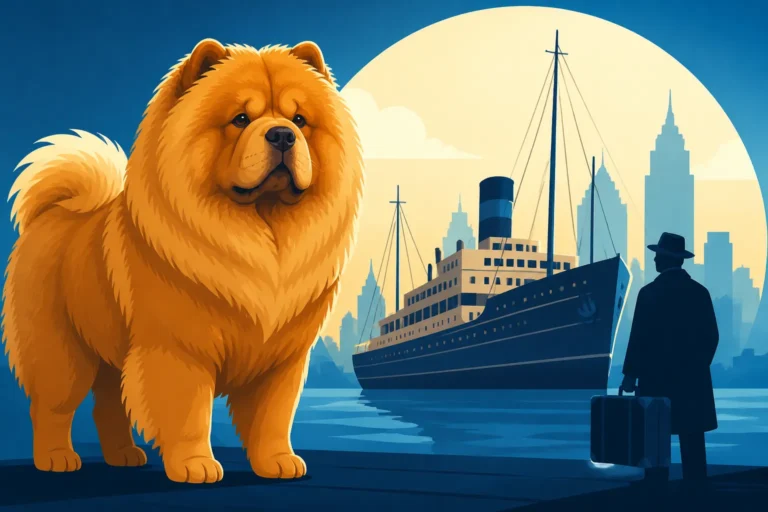
The route from China to Britain was gradual, not a single event that immediately created a market. Traders and travelers carried dogs and stories between places, while the animals’ origins and names could be described inconsistently. To many people encountering one, the dog was as much a novelty as a companion. That unfamiliarity helped create an aura of rarity, even when the public knew little about how the dogs were bred or kept.
To understand the background, it helps to look at How the Chow Chow Reached England and Where the Name Chow Chow Came From. The name itself became part of the breed’s mystique. It sounded foreign to British ears, and the dog’s appearance gave it a striking identity that newspaper readers and visitors could recognize.
In that setting, royal interest could matter a great deal. A breed that seemed remote or eccentric might attract only a few specialist enthusiasts. A breed associated with the monarch, however, could suddenly feel desirable to people who followed court life and wanted to own something distinctive.
A small number of dogs could create an impression of rarity
In the nineteenth century, imported animals were not available through a broad, standardized breeding network. Buyers could not simply browse a large selection of local litters and compare pedigrees in the way many prospective owners do today. Access depended on connections, travel, importers, and the small number of dogs available in Britain.
That limited supply did not automatically mean every Chow Chow commanded a high price. A dog’s cost would have depended on its availability, health, age, appearance, and the buyer’s circumstances. Still, when only a few animals were familiar to the public, a celebrated example could make the whole breed seem scarce and exclusive.
This is one reason it is difficult to translate the breed’s Victorian reputation into a single historical price. The surviving public story is much clearer about fascination and status than about a consistent market rate. An imported dog owned by a prominent person and an ordinary companion acquired through another route were not necessarily comparable purchases.
The same distinction matters when reading modern discussions of Chow Chow cost. A puppy’s purchase price is only one part of ownership; routine food, grooming, veterinary care, and training add their own expenses. A retailer such as Chewy may help an owner compare everyday food and supply options, but those ongoing costs are separate from a breeder’s price and tell us nothing reliable about what a Victorian buyer paid.
How Queen Victoria changed the breed’s public image
Royal ownership made the Chow Chow a talking point
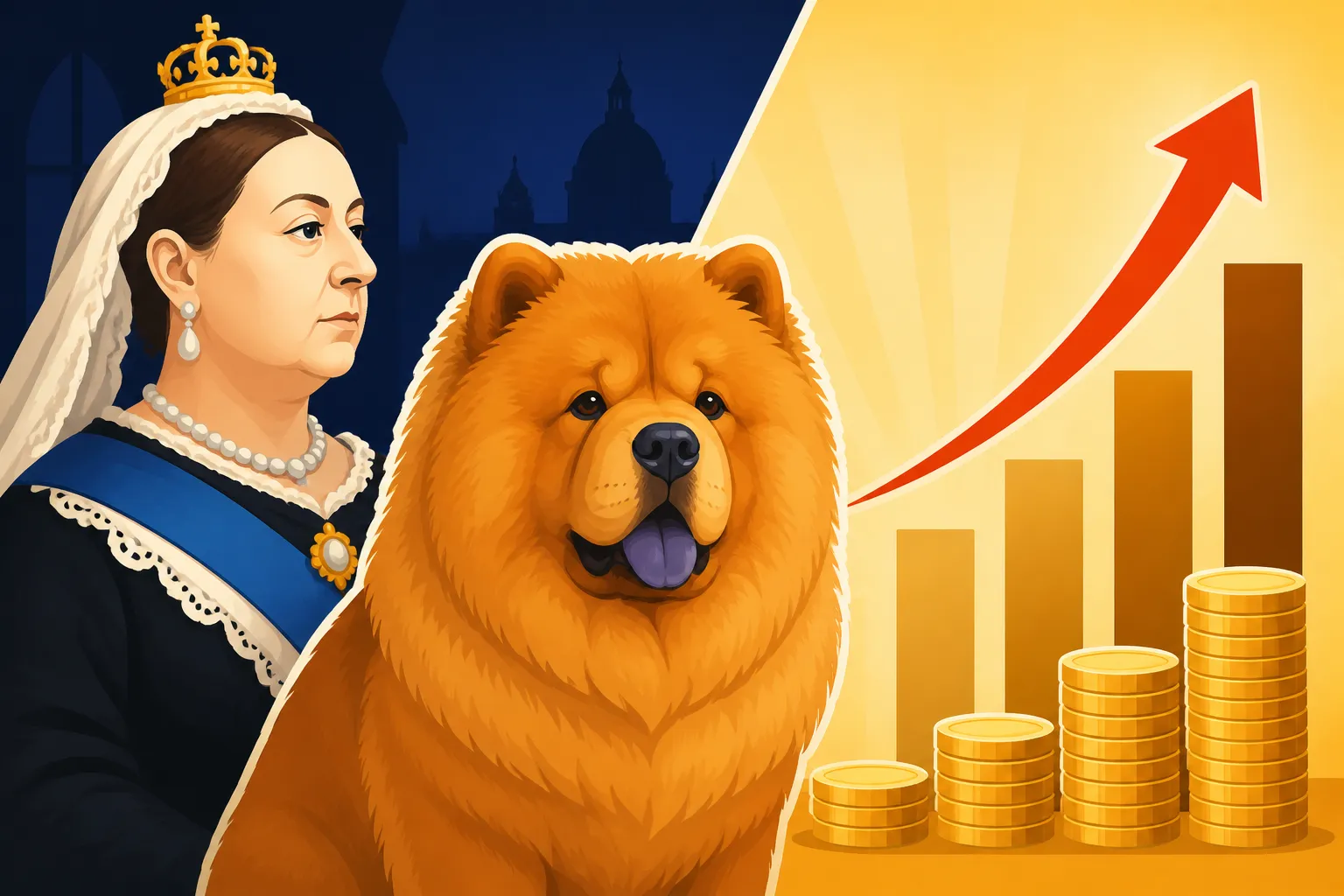
Queen Victoria’s interest helped introduce the Chow Chow to a much wider audience. Royal ownership carried cultural weight: people paid attention to what the monarch kept, wore, and enjoyed. A breed that might otherwise have remained an obscure import could become a subject of conversation simply because it was connected with the royal household.
For prospective buyers, that connection could give the dog an added social meaning. The Chow Chow was no longer only an unusual dog from abroad. It could also suggest refinement, access to fashionable circles, and a willingness to own something rare. Those associations can influence demand, and demand can place upward pressure on prices when the number of available dogs is limited.
The timeline and details of the Queen’s association are explored in When Queen Victoria Got a Chow Chow. The story is often told as a decisive turning point, but it is more useful to see her influence as a powerful nudge rather than a magic switch. Royal attention raised visibility; breeders, importers, exhibitors, and buyers helped turn that visibility into an expanding interest in the breed.
The name attached to her dog has also become part of the breed’s lore. For that detail, see What Queen Victoria's Chow Chow Was Called. Whatever the individual dog’s name, the larger effect was that the breed had a royal reference point people could remember and repeat.
Fashion can raise desirability faster than supply can grow
When a fashionable person makes an object or animal appealing, interest can increase faster than supply. That mismatch is one of the simplest ways a trend can affect price. If more people ask for a Chow Chow but only a small number are available, sellers may have more room to ask a premium—especially when buyers value rarity as much as practical qualities.
But an increase in attention does not mean prices rise in a neat, measurable line. Different dogs would have been sold through different channels, and buyers had different reasons for wanting one. Some may have been interested in the breed as a companion; others may have valued its novelty or the status associated with owning an imported dog. A fashionable name could influence what people were willing to pay, while local supply and an individual dog’s condition still mattered.
The broader cultural effect is captured in Queen Victoria Made the Chow Chow Fashionable. “Fashionable” is not the same as “affordable to everyone,” nor does it mean every member of the breed suddenly became a luxury purchase. It means the breed gained public appeal and social visibility, both of which could support higher demand.
A modern comparison helps clarify the point. If a particular coat color, show line, or viral dog suddenly becomes popular, more people may inquire about puppies before responsible breeders can produce litters. The extra demand can raise asking prices, but it does not make every puppy equivalent or guarantee that a high price reflects good breeding. The same caution applies when interpreting the Chow Chow’s Victorian popularity.
What royal influence did and did not do to Chow Chow prices
The effect was indirect, not a royal price list
There is no reason to imagine that Queen Victoria set a standard price for Chow Chows or that her household created a formal pricing system for the breed. Her influence worked indirectly. Royal attention made the dog more visible, visibility strengthened curiosity, and curiosity could encourage more buyers to seek one out.
That process can affect prices through several steps:
- More people hear about the breed.
- Some of those people decide they want one.
- Available dogs remain limited in the short term.
- Buyers may compete for access or accept a premium for a rare, fashionable animal.
Each step depends on circumstances. If demand rises while supply remains tight, prices may climb. If more breeders begin producing dogs or the trend fades, that pressure may ease. And if buyers are mainly curious rather than committed, attention may not turn into sustained demand.
It is also worth separating a breed’s reputation from the price of any one dog. A royal association can raise the perceived value of the category without making every dog equally desirable. A healthy, well-cared-for animal with a known background might appeal to one buyer; another might care more about appearance or proximity to a fashionable owner. Historical prices likely varied in the same way that prices do across many markets.
So the safest conclusion is not that Victoria made every Chow Chow expensive. It is that her visibility helped make the breed more desirable at a time when the supply of dogs was limited and ownership itself could signal status.
A trend can leave a reputation long after prices change
Fashionable attention can have a long afterlife. Once a breed becomes known as a royal or aristocratic favorite, that association may continue to shape how people talk about it, even when the original market conditions have changed. The Chow Chow’s striking appearance and royal connection reinforced each other: the dog looked unusual, and the story gave people a reason to remember it.
This pattern still appears in the way buyers think about dogs. A breed can become associated with a celebrity, a film, or a social trend. That association may briefly increase inquiries, but it does not replace the factors responsible breeders consider, such as health, temperament, care, and the suitability of a home. A fashionable name can influence demand; it cannot make a dog easier to raise or less costly to care for.
For modern readers, it is helpful to separate three different things: historic prestige, the current asking price for a puppy, and the ongoing expense of responsible ownership. These are related only loosely. A breeder’s price may reflect many factors, and everyday food and care costs continue after the purchase. Comparing supplies through a retailer such as Chewy can be part of budgeting, but it should not be confused with evaluating a puppy’s breeding or health background.
For a broader look at modern puppy pricing, What a Chow Chow Puppy Costs From a Breeder and Why Chow Chow Prices Range So Widely address the factors that can make today’s asking prices differ. They are useful context, but they cannot provide an exact conversion of Victorian prices into modern money.
What today’s owners can learn from the Victorian price story
Popularity is not the same as responsible breeding
A spike in interest can be exciting for a breed, but it can also create pressure. When demand grows quickly, some sellers may prioritize the number of puppies available over careful decisions about health, temperament, and placement. That risk is not unique to Chow Chows or to the Victorian era. It is a recurring problem whenever a dog becomes fashionable.
A buyer should therefore look beyond a breed’s reputation and ask how a puppy was raised, what health information is available, and whether the breeder is willing to discuss the breed’s needs honestly. A high price is not proof of responsible breeding. A royal association, rare appearance, or dramatic sales pitch is not a substitute for evidence about the individual dog and its background.
It is also sensible to consider whether the breed suits your home and experience. Chow Chows are not simply decorative status symbols. Their grooming, socialization, handling, and veterinary needs deserve careful thought. Reading What a Cheap Chow Chow Puppy Signals can help explain why a price that seems unusually low may warrant questions rather than an immediate bargain-hunting response.
The lasting legacy was visibility, not a fixed price
Queen Victoria’s role is best understood as a change in public perception. Her association gave the Chow Chow a place in the popular imagination, helped make it fashionable, and likely increased demand among people who wanted a rare and distinguished dog. That chain of influence could affect prices, particularly when the available supply was small.
It did not establish one universal price, guarantee that every Chow Chow became expensive, or explain every later shift in the breed’s market. Prices depend on the time, place, supply, buyer expectations, and the individual dog. Historical attention tells us why people may have wanted the breed; it does not provide a precise price record.
That distinction keeps the story grounded. Queen Victoria helped turn the Chow Chow into a fashionable name, but the breed’s value was never just a royal endorsement. Its appeal came from the combination of an unusual appearance, limited availability, and a compelling public story. The same lesson applies when evaluating any dog breed today: popularity can shape demand, but good decisions depend on the animal’s needs and the quality of its care.
Disclaimer
This article is for general informational purposes only and does not constitute professional advice. Laws, prices and regulations vary by location and change over time. Consult a qualified professional for guidance on your specific situation.