Whether a Chow Chow Bloats
One of the most terrifying emergencies a dog owner can face is bloat, or gastric dilatation-volvulus (GDV), and for us Chow Chow parents, it’s a very real and often devastating concern. This guide is here to walk you through everything you need to know about this silent killer, from understanding why our beloved Chows are at higher risk to recognizing the subtle signs and, crucially, how to act fast when every second counts.
Understanding Bloat and GDV in Chow Chows
The thought of your Chow Chow suddenly becoming desperately ill is something no one wants to dwell on, but being informed about bloat, or Gastric Dilatation-Volvulus (GDV), is arguably one of the most important things you can do as an owner. This isn't just a stomachache; it's a life-threatening crisis that demands immediate attention, and unfortunately, our fluffy friends are more susceptible than many other breeds. It’s a terrifying prospect, but knowledge is your best defense.
What Exactly is Bloat and GDV?
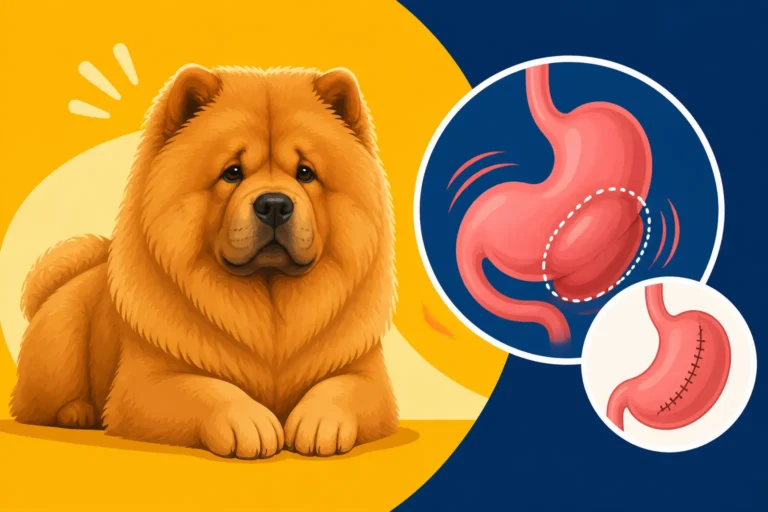
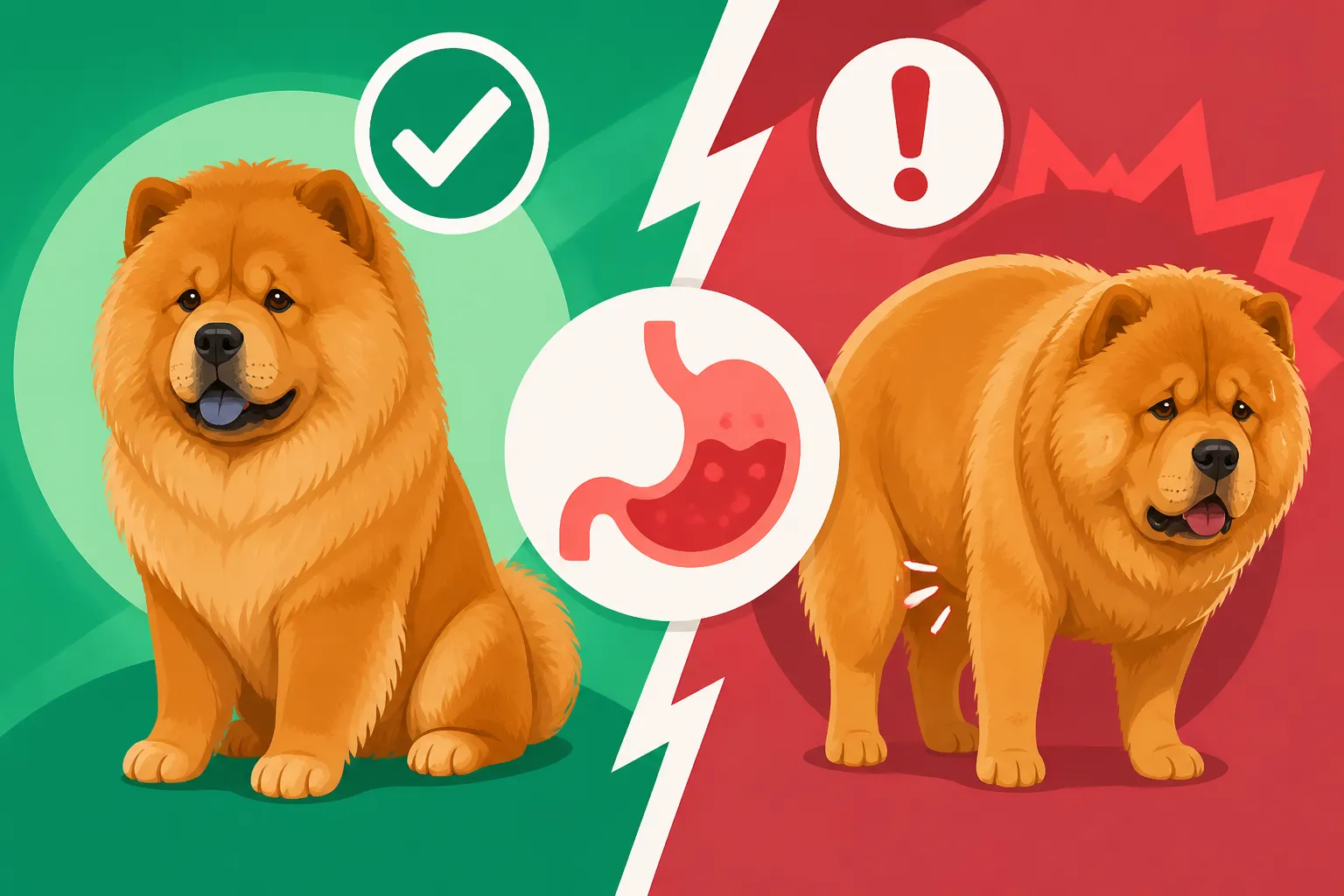
Imagine your dog’s stomach, normally a flexible bag, suddenly filling with gas, fluid, or food and expanding like a balloon. That's the "dilatation" part of GDV, commonly known as bloat. This alone is incredibly painful and puts immense pressure on other organs, making it hard for your dog to breathe and affecting blood flow back to the heart. But the situation can rapidly escalate to "volvulus," which is when the distended stomach then twists on its axis. When this happens, both the entrance and exit of the stomach are sealed off, trapping everything inside. Blood supply to the stomach wall is cut off, and toxins begin to build up. This twisting motion can also damage the spleen and other abdominal organs, sending your dog into shock. It’s a domino effect of catastrophic proportions that can quickly lead to organ failure and death.
The speed at which this can occur is truly frightening. Your Chow Chow might seem perfectly fine one minute, perhaps just finished a meal or a drink, and within an hour or two, they could be fighting for their life. This is why it’s so vital to understand the mechanics of what’s happening inside their body, even if the details are unsettling. The term "bloat" itself often doesn't convey the severe, critical nature of the condition, making it easy for owners to underestimate the danger until it's too late. It's not just an upset tummy; it's a full-blown medical emergency requiring immediate veterinary intervention.
Why Chow Chows Are at Higher Risk
It’s a cruel irony that some of the most distinctive traits of our beloved Chows also predispose them to serious health issues. When it comes to GDV, their physical conformation plays a significant role. Chow Chows, like many other large, deep-chested breeds, have a chest cavity that is longer from spine to sternum, providing more space for the stomach to distend and twist. This deep chest, while majestic in appearance, creates an anatomical vulnerability. Think of it like a large, open room where a balloon can easily float around and get tangled, versus a small, confined closet.
Beyond their deep chests, genetics and temperament may also contribute to their risk. While no specific "bloat gene" has been identified, research indicates that a dog with a first-degree relative who has bloated is at a significantly higher risk. Anxiety and stress can also play a role, as a dog experiencing high levels of stress might ingest air more rapidly, contributing to gastric distention. Their typically calm and sometimes aloof nature can also make it harder to spot early signs of discomfort, as our Chows can be quite stoic and stoic, often masking pain until it's severe, as explored in the article How a Chow Chow Hides Pain. This means we, as their guardians, need to be extra vigilant and keenly aware of subtle changes in their behavior. Every unique aspect of the Chow Chow, from their coat to their build, brings its own set of care considerations.
The Urgency of This Canine Emergency
Let's not mince words: GDV is a full-blown emergency where minutes literally matter. This isn't a "wait and see" situation or something you can try to manage at home. Once the stomach twists, blood flow is severely compromised, and the risk of organ damage, tissue death, and shock escalates with terrifying speed. Without rapid veterinary care, GDV is almost always fatal. Studies show that the survival rate dramatically decreases the longer treatment is delayed.
The initial signs can sometimes be vague, making it easy for an unsuspecting owner to think their dog is just a bit off. But if you suspect bloat, even slightly, it's always better to err on the side of caution. Call your vet immediately, explain your concerns about GDV, and get to the nearest emergency clinic without delay. Do not try to induce vomiting or give any home remedies, as these can actually worsen the situation. It’s a truly frightening experience, feeling helpless while your dog is in distress, but remember, getting them professional help as quickly as possible is the single most important thing you can do. The swiftness of your action can be the difference between life and death for your beloved companion.
Recognizing the Alarming Signs of Bloat
One of the biggest challenges with bloat is that the early symptoms can be quite subtle, easily mistaken for general discomfort or a mild stomach upset. However, for a condition that progresses so rapidly, recognizing these initial clues is absolutely critical. Our Chows are known for their dignified and sometimes reserved demeanor, which can make them quite adept at masking pain. This stoicism means we need to be particularly observant, tuning into even the slightest deviation from their normal behavior.
Subtle Early Indicators You Might Miss
Before the more dramatic symptoms of a twisted stomach manifest, your Chow Chow might display subtle signs of unease. These can be easily overlooked, especially if you’re not actively looking for them. Early on, you might notice your Chow is restless, unable to settle down, pacing around the house, or constantly shifting positions. They might stand with their head lowered or appear hunched, as if trying to alleviate pressure in their abdomen. You may also observe lip-licking, drooling more than usual, or repeated attempts to vomit without bringing anything up (non-productive retching). This retching can sound alarming and is a significant red flag.
Another indicator can be a subtle change in their breathing. While not yet labored, it might seem a little quicker or shallower. They might also appear anxious or distressed, perhaps seeking more attention than usual, or conversely, withdrawing to a quiet spot. While these signs on their own might seem innocuous, especially if your Chow has a generally sensitive stomach, in a deep-chested breed like ours, they should immediately raise a red flag. Pay close attention to these cues, especially after meals or periods of activity. Learning to read your Chow Chow's body language is vital for catching early warnings, and this is especially true for conditions like GDV.
Obvious and Rapidly Progressing Symptoms
If the early signs are missed or progress rapidly, the symptoms of GDV become much more pronounced and alarming. The most unmistakable sign is a visibly distended abdomen, particularly on the left side, which will feel tight and drum-like when gently tapped. This swelling can appear very quickly, sometimes within minutes. Your Chow Chow will likely be in severe pain, crying out, panting heavily, and possibly staggering or collapsing due to shock.
The persistent, non-productive retching will likely continue, and your dog may also have a weak pulse, pale gums, and appear generally weak and lethargic. Their breathing will become increasingly labored, and they might exhibit a frantic expression. At this stage, your Chow Chow is in critical condition. It's essential to understand that these symptoms represent a dire emergency. The information provided in Signs a Chow Chow's Stomach Has Turned delves deeper into what to look for, emphasizing that any combination of these signs demands immediate veterinary attention. Do not delay, do not wait for all symptoms to appear – if you see any of the more severe signs, this is an emergency.
When Every Second Counts: Getting to the Vet
Once you suspect GDV, the clock starts ticking. This is not the time to research home remedies or call a friend for advice. You need to get your Chow Chow to an emergency veterinary clinic immediately. Every minute lost increases the risk of irreversible damage to organs, higher surgical complications, and ultimately, a lower chance of survival. Call ahead to the emergency vet while you are en route to let them know you are coming and suspect GDV. This allows them to prepare their team and equipment for your arrival, potentially saving precious minutes when you get there.
Trying to calm your dog or make them comfortable is a natural instinct, but the priority must be rapid transportation to professional medical help. Ensure you have a plan for emergency transport, know the route to your nearest 24-hour veterinary emergency hospital, and have their number programmed into your phone. The average The Eight to Twelve Years a Chow Chow Gets can be significantly shortened if a bloat emergency isn't handled with utmost speed and efficiency. This critical window, often just 30 minutes to an hour from the onset of severe symptoms, is when the best outcomes are possible.
Proactive Steps to Minimize Bloat Risk
While GDV can sometimes seem like a cruel twist of fate, there are concrete, proactive steps we can take as Chow Chow owners to significantly reduce the risk. It’s about being mindful of their unique physiology and making informed choices about their daily routines, particularly around meal times. Taking these preventive measures seriously can give you immense peace of mind and potentially add years to your Chow Chow's life.
Strategic Feeding Practices
How and when you feed your Chow Chow can have a profound impact on their risk of bloat. Instead of one large meal, which can fill the stomach quickly and potentially lead to distention, opt for smaller, more frequent meals throughout the day. Two or three smaller meals are generally recommended. This reduces the amount of food and gas that can accumulate in the stomach at any one time.
Consider the use of a slow feeder bowl, especially if your Chow Chow tends to gobble down their food. These bowls have ridges or obstacles that force your dog to eat more slowly, reducing the amount of air they ingest with their food. The question of elevated bowls is a bit more controversial; while some owners believe they help, studies have shown mixed results, and some even suggest they might increase the risk in certain breeds by allowing a dog to eat more quickly. It's best to discuss this with your vet. Regardless, ensuring a calm, stress-free environment at meal times is key. If you're wondering How to Feed a Chow Chow to Reduce Bloat Risk, these strategic feeding practices are at the top of the list.
Managing Exercise and Stress Around Meals
The timing of activity around meals is another crucial aspect of bloat prevention. Avoid vigorous exercise or highly stressful situations immediately before or after your Chow Chow eats. A full stomach bouncing around during playtime or a strenuous walk can easily contribute to twisting. Think of it like a bag full of water — it’s stable when still, but vigorously shaking it can cause contents to shift and put stress on the container. A good rule of thumb is to wait at least an hour before and after meals before engaging in intense activity.
This doesn't mean your Chow Chow should become a couch potato; How Much Exercise a Chow Chow Actually Needs is still important for their overall health. Just be mindful of the timing. Similarly, try to minimize stress during meal times. A calm eating environment can help prevent excessive air swallowing. If your Chow Chow is prone to anxiety, consider calming routines or even a quiet, separate space for them to eat undisturbed. Even seemingly small stressors, like other pets or children hovering around their bowl, can lead to gulping food and air.
Dietary Considerations for a Sensitive Stomach
The type of food you feed your Chow Chow can also play a role in bloat prevention, though research is ongoing and not always conclusive. High-quality kibble with larger-sized pieces may encourage slower eating, but always ensure the pieces are not so large they pose a choking hazard. Some studies suggest that diets high in fat or citric acid might contribute to bloat, but these findings are not universally accepted.
What is generally agreed upon is avoiding sudden changes in diet, which can upset a sensitive stomach and lead to gas or digestive upset. If you need to switch foods, do so gradually over several days. Ensure your Chow Chow always has access to fresh, clean water, but don't let them gulp down excessive amounts immediately after eating. If your Chow has a tendency towards a Sensitive Stomach, choosing a consistent, high-quality diet and avoiding anything that causes them digestive distress is a sensible precaution. Many owners find success with premium brands that focus on digestible ingredients, helping to keep their Chow’s digestive system running smoothly.
Considering Preventative Measures and Treatment Options
Even with the most diligent preventive care, the risk of bloat can never be entirely eliminated for a breed like the Chow Chow. This is why understanding the available medical interventions, both preventative and emergency, is just as crucial. Being prepared financially and having an open discussion with your veterinarian about these options can make all the difference when faced with this daunting condition.
The Role of Gastropexy Surgery
For Chow Chows at high risk, or even as a prophylactic measure during spay/neuter surgery, a procedure called gastropexy can be a literal lifesaver. Gastropexy is a surgical procedure where the stomach is permanently tacked or sutured to the abdominal wall. While it doesn't prevent the stomach from distending (bloating with gas), it does prevent it from twisting (volvulus), which is the most dangerous aspect of GDV. This means that if your Chow Chow does bloat, it will be a less severe, and often more treatable, condition.
There are different techniques for gastropexy, including open surgery, laparoscopic (minimally invasive) surgery, and even endoscopically assisted procedures. Laparoscopic gastropexy, for instance, involves smaller incisions and a quicker recovery time. The cost of this surgery can vary significantly depending on the method and location, but it's often a fraction of the cost of emergency GDV surgery. Many veterinarians recommend this procedure for high-risk breeds like the Chow Chow, especially when When a Chow Chow Should Have Its Stomach Tacked is done proactively during another planned surgery. It's a decision that requires careful consideration and discussion with your vet, weighing the benefits against the risks and costs.
Emergency Treatment for Acute GDV
If your Chow Chow develops acute GDV, emergency treatment is critical and multifaceted. The first steps involve stabilizing your dog, which often includes intravenous fluids to combat shock, pain medication, and efforts to decompress the stomach. This decompression might be achieved by passing a tube down the esophagus into the stomach, or if that’s not possible, by carefully inserting a large-bore needle or trocar through the abdominal wall into the stomach to release trapped gas.
Once the dog is stable, emergency surgery is almost always required to untwist the stomach (derotate it) and assess for any damage to the stomach wall or spleen. At this point, a gastropexy is usually performed to prevent future episodes of volvulus. The surgery is complex and carries significant risks, including complications from anesthesia, damage to internal organs, and post-operative issues. Recovery can be long, and intensive post-operative care is necessary, often including hospital stays and close monitoring for several days. This intensive process highlights why early detection and immediate transport to a vet are so crucial for a positive outcome.
Financial Preparedness for a Bloat Emergency
The unfortunate reality of an emergency like GDV is that the treatment is incredibly expensive. Emergency surgery, hospitalization, intensive care, and potential complications can quickly rack up veterinary bills ranging from several thousand dollars to well over $10,000, depending on the severity and location. This is a significant financial burden that many owners are simply not prepared for, leading to heartbreaking decisions in a time of crisis.
This is where pet insurance becomes a true lifesaver. Companies like Healthy Paws offer comprehensive coverage that can help mitigate the financial shock of an unexpected emergency. Having a robust pet insurance policy in place long before an emergency strikes means you can focus on your Chow Chow's care rather than agonizing over the cost. If pet insurance isn't an option, consider setting up an emergency fund specifically for your dog's health needs. Discussions around What a Chow Chow Costs Over Its Lifetime often highlight these unforeseen, high-cost medical emergencies. Being financially prepared is an act of responsible pet ownership that can prevent an already devastating situation from becoming even more unbearable. The article What a Chow Chow's Final Illness Costs also underscores the importance of planning for significant veterinary expenses throughout their life.
Living with a Chow Chow and the Constant Vigilance
Owning a Chow Chow is a unique and rewarding experience, but it comes with the responsibility of being keenly aware of their specific health predispositions, especially concerning GDV. Living with a breed at higher risk means adopting a mindset of constant, yet not obsessive, vigilance. It's about integrating preventative habits and keen observation into your daily routine, ensuring that you’re always attuned to your furry companion's well-being.
Daily Routines to Build Awareness
Building a routine that naturally incorporates checks for your Chow Chow's health is key. This doesn't mean constantly prodding and poking them, but rather being observant during your regular interactions. When you brush their majestic coat, take a moment to gently feel their abdomen. Is it soft and pliable, or is there any unusual tautness or swelling? When they’re stretching or relaxing, notice their posture. Are they comfortable, or are they subtly trying to alleviate pressure?
Observe their eating and drinking habits daily. Are they finishing their meals at their usual pace, or are they gulping air? Are they drinking excessively after eating? Monitor their energy levels during walks, comparing it to their normal stamina, as discussed in How Much Exercise a Chow Chow Actually Needs. Even their bathroom habits can offer clues. These small, consistent observations become second nature and form a baseline against which any changes can be quickly detected. It's about knowing your Chow Chow so intimately that even a slight shift in their usual behavior or physical state immediately registers as a potential concern.
Educating Your Family and Pet Sitters
You might be the primary caregiver, but your Chow Chow interacts with other people daily, from family members to professional pet sitters or kennel staff. It is absolutely vital that everyone involved in their care is educated about the signs of bloat and what to do in an emergency. Don't assume others know; explicitly outline the risks and symptoms.
Create a clear emergency plan that includes contact information for your veterinarian, the nearest 24-hour emergency clinic, and any pet insurance details (like Healthy Paws). Make sure they know exactly what to look for, especially the non-productive retching and abdominal distension, and emphasize the urgency of immediate action. Leave specific instructions on when and how to contact emergency services, reinforcing that bloat is a dire emergency. If your Chow Chow needs Sedation for a Checkup, they are already used to vet visits, which can sometimes reduce stress in an emergency. This preparedness extends beyond your household to anyone who might be responsible for your Chow Chow's care, ensuring a consistent level of vigilance and readiness.
Disclaimer
This article provides general informational guidance and should not be considered a substitute for professional veterinary advice. Always consult with a qualified veterinarian for any health concerns or before making decisions about your Chow Chow's medical care or treatment.