How Long a Chow Chow Recovers From Eye Surgery
Bringing your beloved Chow Chow home after eye surgery can be a really stressful experience. You’re probably filled with anxiety, wondering if you’re doing everything right, scrutinizing every blink, and just desperately wanting them to feel comfortable again. It’s a lot to navigate, especially when your Chow Chow’s dense coat and stoic nature can make it hard to tell what they’re truly feeling. This comprehensive guide will walk you through the recovery journey, offering a clear timeline and practical advice to help your furry friend heal successfully.
The Immediate Post-Operative Period: The First 72 Hours
The first few days after your Chow Chow's eye surgery are arguably the most crucial and often the most nerve-wracking for us owners. Your Chow Chow will be coming home from the veterinary clinic still a bit groggy from anesthesia, possibly disoriented, and definitely needing a calm, quiet environment to begin their healing process. The goal here is to keep them comfortable, prevent them from injuring their eye, and meticulously follow all post-operative instructions.
Managing Pain and Discomfort at Home
Your veterinarian will send your Chow Chow home with a specific regimen of pain medication, usually anti-inflammatories and possibly a short course of stronger pain relievers for the initial acute discomfort. It’s absolutely critical that you administer these medications exactly as prescribed, without missing doses or attempting to adjust them yourself. Chows are famously stoic, and they often hide pain remarkably well, which means you might not see overt signs of distress even if they’re hurting. Missing a dose could allow pain to spike, making them more agitated and potentially increasing the risk of them rubbing or pawing at their surgical site.
Beyond medication, creating a comfortable resting spot is essential. A soft bed in a quiet room, away from the hustle and bustle of family activity, can make a huge difference. Keep their routine as calm and predictable as possible. You might notice your Chow Chow sleeping more than usual, which is perfectly normal as their body recovers from the surgery and the effects of anesthesia. If you see them pawing at the eye, squinting excessively even with medication, or showing signs of restlessness despite being on pain meds, it's definitely time to call your vet. Remember, a Chow Chow's deep set eye causes trouble even without surgery, so any post-op issues need quick attention.
Navigating the Elizabethan Collar Challenge
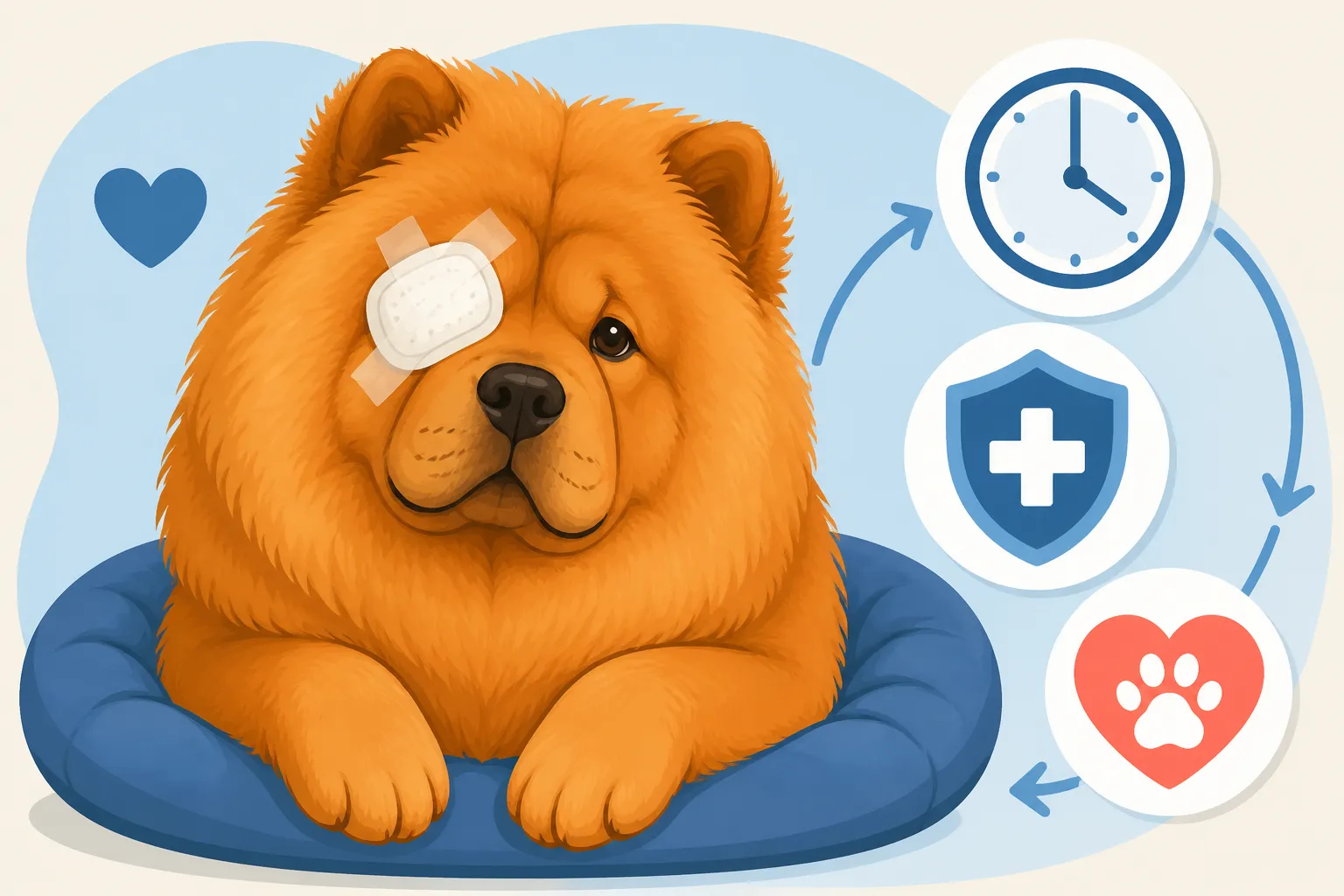
Ah, the dreaded E-collar, affectionately known as the "cone of shame." While no dog owner loves to see their pet wearing one, it is an absolutely non-negotiable tool for protecting your Chow Chow's surgical eye during recovery. Eye surgeries, particularly those correcting entropion in a Chow Chow, require the incision site to remain untouched to prevent infection, dehiscence (sutures coming apart), or self-inflicted trauma. Chows, with their dense coats, can easily rub their eye on furniture, carpets, or even their own paws if not prevented.
Initially, your Chow Chow might bump into things, struggle to eat or drink, or generally look miserable. It’s important to be patient and help them adjust. You might need to raise their food and water bowls or even hand-feed them small amounts. Monitor them closely, especially when they’re trying to navigate tight spaces or lie down. Some Chows will try every trick in the book to remove the collar. If they succeed, even for a moment, they could cause significant damage. Ensure the collar is fitted correctly – snug enough not to slip off, but loose enough to allow breathing and swallowing. You'll likely need to keep this collar on for the full duration recommended by your vet, which could be anywhere from 10 days to several weeks.
Initial Monitoring: What to Watch For
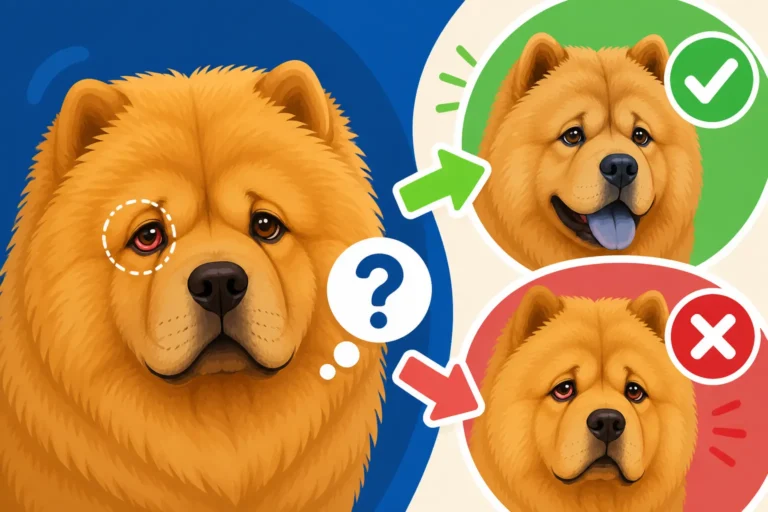
Once your Chow Chow is home, your eyes will naturally be glued to theirs. It’s important to know what’s normal and what warrants a call to the vet. Immediately after surgery, some mild swelling around the eye is to be expected, but it should gradually subside over the first 24-48 hours. A small amount of clear or reddish discharge is also common, but it shouldn't be excessive or continuous.
What you must watch for are signs of complication. This includes:
- Excessive swelling or bruising: If the eye area seems to be getting more swollen, or if the swelling is significant.
- Thick, colored discharge: Green, yellow, or foul-smelling discharge indicates infection.
- Bleeding: Any active bleeding from the surgical site is an emergency.
- Severe squinting or pawing: While some discomfort is normal, intense, persistent squinting or frantic pawing at the cone/eye suggests significant pain or a worsening condition.
- Lethargy, loss of appetite, or fever: These are general signs that your dog isn't feeling well and could indicate infection or a reaction to medication.
- Visible sutures coming undone: If you can see the stitches loosening or gaps appearing in the incision.
Early detection of issues is key, so don’t hesitate to contact your vet if you have any concerns, no matter how small they may seem. Your Chow Chow relies on your careful observation. If you're wondering when a Chow Chow's eye discharge means entropion, know that post-surgical discharge has its own specific set of red flags.
The Critical First Few Weeks: Weeks One Through Four
After the immediate post-op period, the recovery transitions into a phase focused on maintaining a sterile environment, consistent medication, and strictly limiting activity to allow the delicate tissues to heal. This period, typically lasting about three to four weeks, is when the true healing takes place beneath the surface. Adherence to your vet's instructions during this time is paramount to a successful outcome.
Strictly Restricted Activity and Healing
This part is often the hardest for active dogs and their owners. For the first few weeks post-surgery, your Chow Chow’s activity needs to be severely restricted. This means no running, no jumping, no rough play with other pets or people, and absolutely no stairs if possible. High-impact activities can dislodge sutures, cause swelling, or lead to accidental trauma to the delicate eye area, potentially undoing the surgery's benefits. Even seemingly innocent head shakes or vigorous scratching could cause issues if the E-collar is briefly off or if they hit the edge of it.
Leash walks should be short, calm, and supervised, primarily for potty breaks. Avoid dog parks or any areas where they might encounter other dogs or exciting stimuli that could encourage sudden movements. For Chows who are prone to a stilted gait and certain joint issues, excessive activity can also exacerbate underlying problems. While the straight rear leg no other breed has isn't directly related to eye surgery, it's a reminder of their unique physical considerations during any recovery. Providing mental stimulation through puzzle toys or gentle training sessions (without head movement) can help prevent boredom and frustration, which are common when a usually active dog is confined.
Continuing Topical and Oral Medications
Consistency is everything when it comes to post-surgical medications. Your vet will likely prescribe a combination of antibiotic eye drops or ointment to prevent infection, and possibly anti-inflammatory eye drops to reduce swelling and discomfort. These often need to be administered multiple times a day. If your Chow Chow requires multiple types of eye drops, remember to wait at least 5-10 minutes between each type to ensure proper absorption and to prevent one from washing out the other.
Administering eye drops to a Chow Chow can be a real challenge. Their deep-set eyes, combined with their sometimes stubborn nature and dense facial fur, make it tricky. You might need a second person to help gently hold their head still while you apply the drops. Always wash your hands thoroughly before and after, and avoid touching the tip of the dropper to their eye to prevent contamination. If you're finding it impossible, or your Chow Chow is becoming overly stressed, speak to your vet for tips or to discuss alternative methods. Remember, the cost of these Chow Chow eye drops can add up to a month, so proper administration is important for efficacy.
The Importance of Follow-Up Veterinary Visits
Scheduled follow-up appointments with your veterinarian or the veterinary ophthalmologist are a critical part of the recovery process. These visits allow the vet to assess the healing process, check for any complications, remove sutures (if non-dissolving ones were used), and adjust medications as needed. Typically, the first follow-up is around 7-14 days post-surgery, with subsequent visits as required.
During these appointments, the vet will carefully examine the eye, checking the incision site, looking for signs of infection, and assessing the overall health of the eye. They may use special dyes to check for corneal ulcers or measure intraocular pressure. This is also your opportunity to voice any concerns or observations you’ve made at home. Don't underestimate the expertise of these professionals; they are looking for subtle signs of trouble that you might miss. Given that entropion is the Chow Chow's signature problem, these follow-up visits are designed to ensure the surgical correction is holding and preventing recurrence or new issues. If your Chow Chow is particularly wary of vet visits, a "Fear Free" certified clinic or discussion about mild sedation might be beneficial, as a Chow Chow needs sedation for a checkup more often than other breeds.
The Path to Full Recovery: Weeks Four and Beyond
As your Chow Chow moves past the initial critical weeks, the focus shifts to gradual reintegration into their normal life while maintaining vigilance for any lingering issues or potential long-term complications. Full recovery is a marathon, not a sprint, and patience remains key.
Gradual Return to Normal Routine
Around the four to six-week mark, if your vet gives the all-clear, you can start gradually reintroducing your Chow Chow to their normal activities. This doesn't mean jumping straight back into vigorous play or long hikes. Begin with slightly longer, still-controlled leash walks, and slowly increase the duration and intensity over several weeks. Observe your Chow Chow closely during and after these activities for any signs of discomfort, swelling, or changes in the eye.
It's a good idea to monitor their overall behavior. Are they happy and energetic, or do they seem hesitant or tired? Any regression in comfort or appearance of the eye means it’s time to scale back the activity and consult your vet. The goal is to build up their stamina and confidence slowly, ensuring the eye remains stable. For some Chows, particularly if they had significant corneal ulcer issues pre-surgery, a completely "normal" routine might still involve slightly more caution.
Long-Term Eye Health and Monitoring
Even after full recovery from surgery, vigilant long-term monitoring of your Chow Chow's eye health is essential. For breeds prone to conformational eye issues like entropion, there's always a possibility of recurrence, especially if the initial surgery was performed on a young puppy. Sometimes, puppies that undergo temporary eyelid tacking might need a permanent surgery later, as the age a Chow Chow's entropion is repaired often depends on the severity and their growth.
Continue to regularly inspect their eyes at home for any new signs of irritation, excessive tearing, redness, or squinting. Pay attention to changes in their eyelids, especially how they sit against the eyeball. If you notice any of the signs a Chow Chow has entropion returning, don't delay in contacting your vet. Regular wellness exams should always include a thorough eye check, and for Chows with a history of eye surgery, your vet may recommend more frequent dedicated eye exams with an ophthalmologist to catch any potential issues early.
Understanding the Costs and Insurance Coverage
Let’s be realistic: veterinary eye surgery, especially when performed by a specialist, isn't cheap. The total cost can vary widely depending on the type of surgery, the severity of the condition, geographic location, and whether complications arise. This can include the initial consultation, pre-operative bloodwork, the surgery itself, anesthesia, post-operative medications, and all those crucial follow-up visits.
Many owners face significant financial strain when their Chow Chow needs eye surgery. This is where pet insurance can be a real lifeline. Companies like Healthy Paws offer comprehensive accident and illness plans that often cover a large percentage of specialist veterinary care, including necessary surgeries and follow-up treatments. It's important to understand the specifics of your policy, including deductibles, reimbursement rates, and any waiting periods. Crucially, conditions like entropion, if they are congenital or manifest before a policy is active, may be considered pre-existing and therefore not covered. However, if your pet is insured well before any signs appear, a good policy can provide immense peace of mind. For example, knowing whether insurance covers a Chow Chow's entropion can really impact budgeting for these necessary procedures.
| Recovery Phase | Typical Duration | Key Activities & Observations | Medications |
|---|---|---|---|
| Immediate Post-Op | 1-3 Days | Calm environment, monitor for excessive swelling/bleeding, ensure E-collar stays on, limited movement. | Oral pain meds, oral antibiotics (possibly). |
| Early Healing | 1-2 Weeks | Strict activity restriction, E-collar worn constantly, careful medication administration. | Topical antibiotic eye drops/ointment, anti-inflammatory eye drops. |
| Mid-Healing | 2-4 Weeks | Continue restricted activity, vet follow-up (suture removal if applicable), monitor for full closure. | Topical medications, may reduce oral meds. |
| Late Healing/Return | 4-8 Weeks | Gradual increase in activity, continued monitoring, potential final vet check. | May discontinue topical meds, based on vet's advice. |
| Long-Term Care | Lifelong | Regular home eye checks, annual vet exams, vigilance for recurrence or new issues. | As needed for maintenance or new conditions. |
Disclaimer
The information provided in this guide is intended for general knowledge and informational purposes only, and does not constitute medical advice. Always consult with a qualified veterinarian or veterinary ophthalmologist for any health concerns or before making any decisions about your Chow Chow's medical care.