Whether a Chow Chow’s Entropion Comes Back
It’s a deeply upsetting experience to watch your beloved Chow Chow suffer from entropion, that painful condition where their eyelid rolls inward, causing their lashes and fur to constantly rub against their delicate eyeball. You finally go through with the surgery, hold your breath through the recovery, and then a nagging worry starts to creep in: can entropion come back? This guide is going to walk you through the realities of entropion recurrence in Chow Chows after surgical correction, what factors play a role, and how you can best support your furry friend for a comfortable life.
Understanding Entropion in Chow Chows
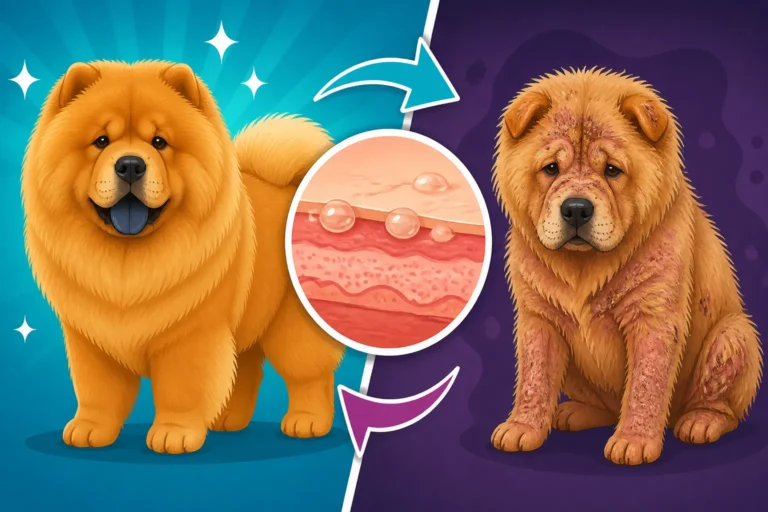
The Chow Chow's distinctive appearance, with its deep-set eyes and abundant facial folds, unfortunately makes it particularly prone to entropion. It’s not just a cosmetic issue; it's a deeply painful condition that can lead to serious eye damage if left untreated. The inward rolling of the eyelid, most commonly the lower lid but sometimes the upper, causes constant irritation to the cornea. This persistent rubbing can lead to chronic pain, excessive tearing, discharge, and even corneal ulcers, which are open sores on the eye's surface. In severe cases, a corneal ulcer can even lead to vision loss or rupture of the eyeball.
Why Chow Chows Are Prone to This Condition
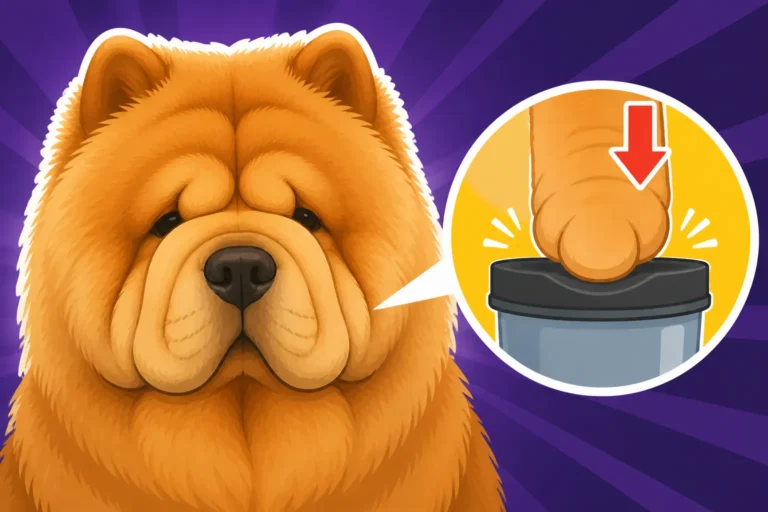
The breed's unique head structure and heavy coat are major contributors to entropion. Think about those beautiful, majestic facial folds – they’re part of what defines a Chow Chow, but they also create a predisposition to this issue. The way the skin and muscle around the eye are structured, combined with the often-dense fur, can physically push the eyelid margins inward. It's often something you'll notice in puppies, as their facial structure develops, and it can be truly heartbreaking to see a young pup constantly squinting or pawing at their eyes. You might even find yourself wondering if it's just a phase, but usually, it's a clear sign of trouble. To truly grasp the mechanics, it helps to understand Why a Chow Chow's Deep Set Eye Causes Trouble.
Recognizing the Signs of Entropion
Early detection is absolutely key to minimizing discomfort and preventing long-term damage. If you've ever owned a Chow Chow, you know they can be stoic, which sometimes makes it hard to tell if they're in pain. However, with entropion, the signs are usually quite clear if you know what to look for. Persistent squinting, even in normal light, is a huge red flag. You might notice your Chow Chow frequently rubbing their face against furniture or pawing at their eyes. There's often an increase in tear production, leading to wetness and staining around the eyes, or even thick, mucousy discharge. The whites of their eyes may appear red or inflamed, and in some cases, you might even be able to see the eyelashes directly contacting the cornea. If you suspect anything, don't wait – a prompt veterinary visit is crucial. For a more detailed breakdown, check out Signs a Chow Chow Has Entropion.
Surgical Correction and Initial Outcomes
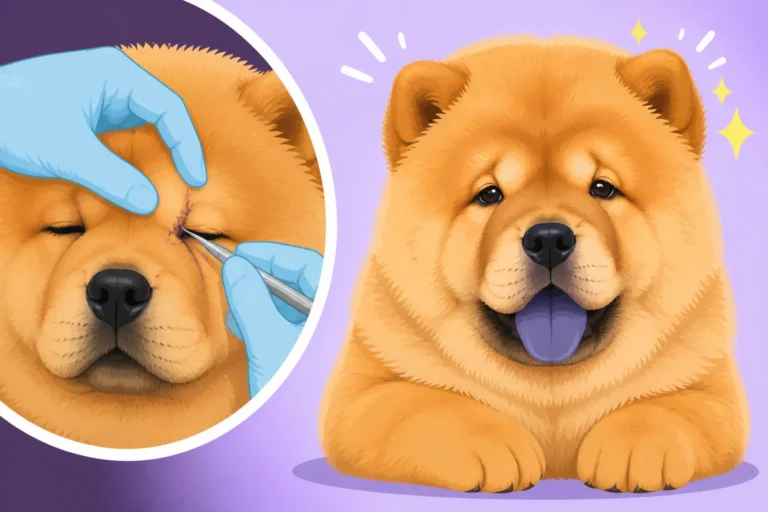
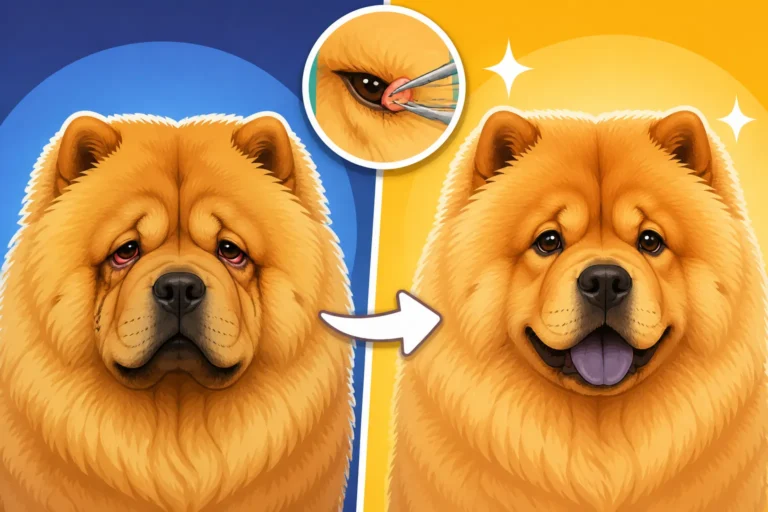
For most Chow Chows experiencing entropion, surgery is the definitive treatment. It's designed to permanently correct the inward roll of the eyelid, bringing immense relief to the dog. The goal is to carefully remove a small, crescent-shaped piece of skin and muscle from just below or above the affected eyelid, then suture the remaining edges together. This creates a slight outward tension, pulling the eyelid margin into a more normal position. This procedure is generally performed by a general veterinarian or, for more complex cases, by a veterinary ophthalmologist, which might affect What a Veterinary Ophthalmologist Charges for a Chow Chow.
The Standard Surgical Procedure
The most common surgical technique is called blepharoplasty. Your Chow Chow will be put under general anesthesia, and the veterinary surgeon will meticulously measure and mark the precise amount of tissue to be removed. Precision is paramount here; removing too little tissue means the entropion might persist, while removing too much can lead to ectropion (the eyelid rolling outward), which presents its own set of problems. After the tissue is removed, tiny sutures are used to close the incision. These sutures typically remain in for about two weeks and will need to be removed by your vet. In some younger puppies, a temporary procedure called eyelid tacking might be used to provide relief and allow the puppy to grow, giving a clearer picture of whether full surgery will be needed later. You can learn more about What Eyelid Tacking Does for a Chow Chow Puppy.
Immediate Post-Surgery Expectations and Recovery
After surgery, your Chow Chow will likely go home with an Elizabethan collar (the "cone of shame") to prevent them from rubbing or scratching at the incision site, which could disrupt healing or introduce infection. You'll also receive instructions for administering eye drops or ointment to prevent infection and reduce inflammation. Swelling around the eyes is common for the first few days, and your vet might prescribe pain medication to keep your dog comfortable. Limiting strenuous activity is important during the initial recovery period to prevent any undue stress on the sutures. The immediate goal is uneventful healing, with the eyelid now in a much better, functional position. Generally, a Chow Chow recovers remarkably well from this type of surgery, often showing immediate relief from the chronic irritation. Getting through this period smoothly is critical, and understanding How Long a Chow Chow Recovers From Eye Surgery can set realistic expectations.
Factors Influencing Recurrence
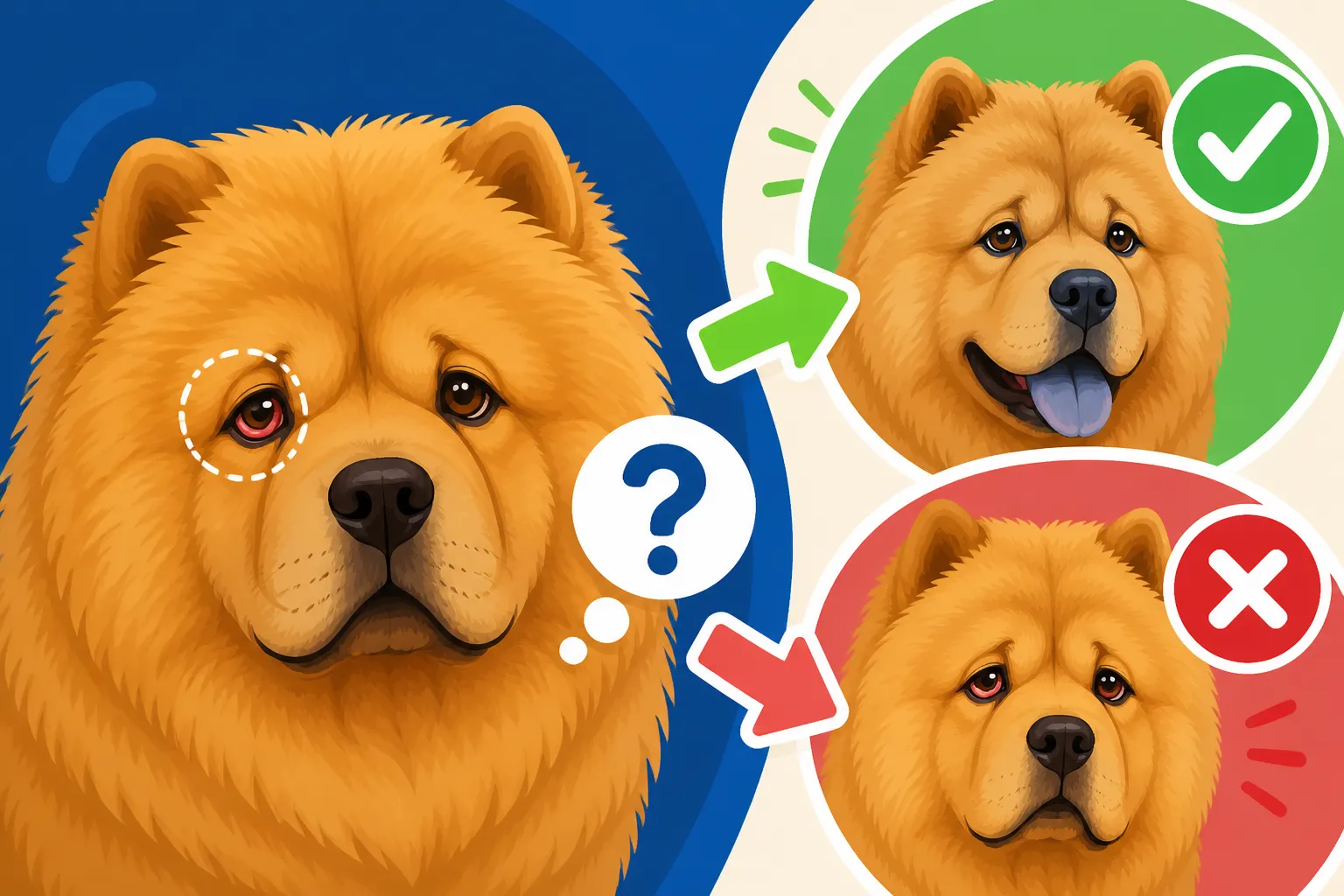
The million-dollar question for many Chow Chow owners is: will the entropion come back? The short answer is, it can, but often with specific reasons and varying degrees of severity. While the initial surgery is usually successful, several factors can influence the likelihood of recurrence. It's a valid concern, especially given the cost and emotional toll of the initial procedure. Pet insurance providers like Healthy Paws often see claims for entropion, highlighting its prevalence and the financial commitment involved.
Incomplete Correction or Excessive Tissue Removal
Sometimes, entropion can recur if the initial surgery didn't quite achieve the desired correction. This might happen if not enough tissue was removed, leaving residual inward tension on the eyelid. In such cases, the eyelid may still roll inward, albeit perhaps less severely than before. On the flip side, removing too much tissue can lead to ectropion, where the eyelid sags outward, exposing the conjunctiva and increasing the risk of dryness and irritation. While not strictly a recurrence of entropion, it's an undesirable outcome that might require further corrective surgery. This delicate balance is why choosing an experienced veterinary surgeon is so important. When considering costs, remember that What Entropion Surgery Costs on a Chow Chow can vary greatly depending on the specialist.
Growth and Maturation in Puppies
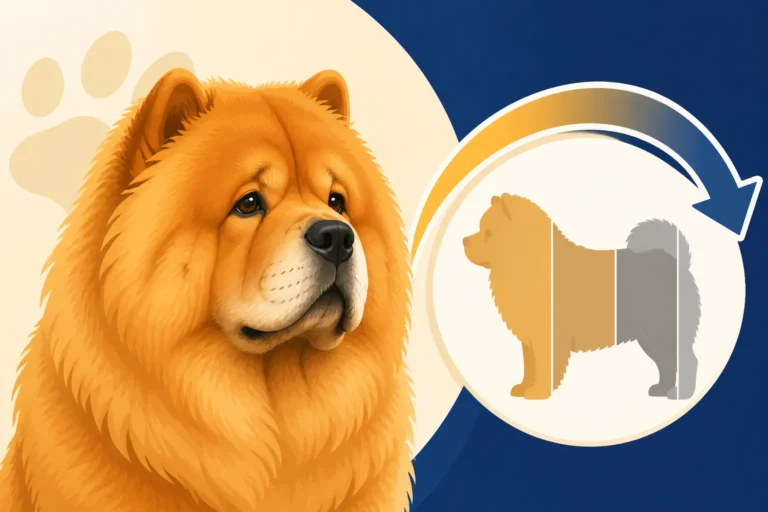
For Chow Chow puppies, the situation can be a bit more complex. Their heads and facial structures are still developing rapidly. A surgery performed on a young puppy might be perfectly successful at that moment, but as the puppy grows into an adult, their facial tissues and skull structure continue to change. This maturation can sometimes cause the eyelid to roll inward again, requiring a second surgery later in life. This is why some vets prefer to perform temporary eyelid tacking on very young puppies, delaying the definitive blepharoplasty until the Chow Chow is closer to its adult size, typically around 6 to 12 months of age. It's a difficult call, balancing the puppy's immediate comfort with the potential need for future intervention. This developmental aspect is a primary reason for concern about recurrence, and why some Chow Chows need the procedure twice, as explored in Whether a Chow Chow Needs Entropion Surgery Twice.
Scar Tissue Formation and Other Complications
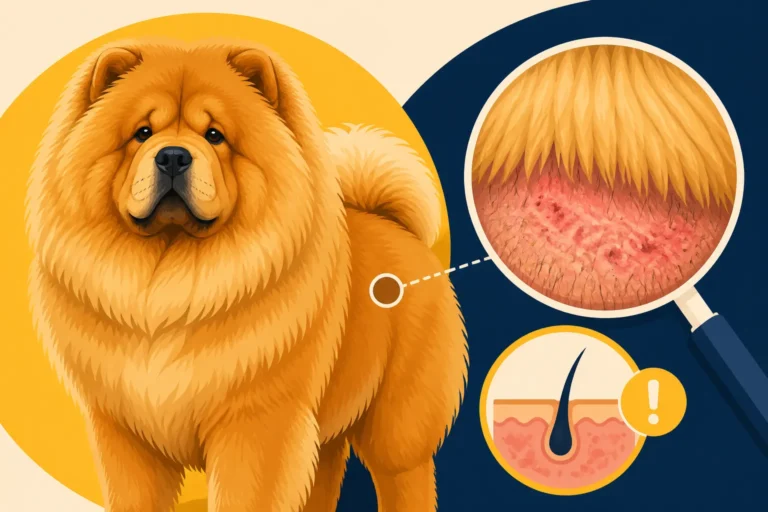
Like any surgical procedure, entropion correction involves wound healing, and sometimes, scar tissue can develop. While mild scarring is normal and usually doesn't cause problems, excessive or abnormal scar tissue can contract and pull the eyelid margin back into an entropion position. This is less common but can be a frustrating cause of recurrence. Other complications, such as infection or suture reactions, can also impair healing and potentially contribute to an unsatisfactory long-term outcome. Proper post-operative care, including antibiotic eye drops and careful monitoring, is essential to minimize these risks. Maintaining pet insurance with a provider like Healthy Paws can certainly alleviate the financial stress if complications arise, as surgical follow-ups can add up.
Managing Post-Surgical Care and Long-Term Prevention
Even after a successful entropion surgery, diligent long-term care is crucial to prevent recurrence and maintain your Chow Chow's eye health. It's not just about the immediate weeks after surgery; it's a lifelong commitment to monitoring and prevention.
Diligent Post-Operative Care
The first couple of weeks after surgery are paramount. Strictly follow your vet's instructions regarding medication, cleaning the surgical site, and keeping that Elizabethan collar on. It can be tough to see your majestic Chow Chow in a cone, bumping into everything, but it's a non-negotiable step to protect the healing eyes. Administering prescribed eye drops or ointments on schedule is vital for preventing infection and reducing inflammation. Keep the area clean and dry, gently wiping away any discharge with a clean, damp cloth. Avoid letting your Chow Chow roughhouse or get into situations where their eyes could be bumped or scratched. Regular check-ups with your veterinarian during this period will ensure the healing is progressing as expected and the sutures can be removed safely.
Regular Eye Monitoring and Hygiene
Even after the sutures are out and everything looks good, make it a habit to regularly inspect your Chow Chow's eyes. Look for any signs of irritation, excessive tearing, redness, or discharge. Gently part the fur around their eyes to get a good look at the eyelid margins. If you notice any slight inward turning, even if it's not severe, bring it to your vet's attention promptly. Maintaining good general hygiene around the eyes is also important. Use a soft, damp cloth to gently wipe away any accumulated dust, debris, or tear stains from the fur around the eyes. This not only keeps your Chow Chow looking tidy but also prevents irritation that could exacerbate minor eyelid issues. Remember, a common complication of untreated entropion is a What a Corneal Ulcer Does to a Chow Chow.
Nutritional Support and Weight Management
While diet doesn't directly cause or prevent entropion, maintaining a healthy weight is beneficial for overall joint health and can indirectly impact the body's structural integrity. Ensuring your Chow Chow receives a balanced, high-quality diet appropriate for their age and activity level supports healthy tissue and immune function. Overweight dogs can sometimes have more pronounced facial folds or general skin laxity, which theoretically could contribute to eyelid issues, though this is less directly linked than the breed's inherent conformation. Discussing your Chow Chow's diet and weight with your veterinarian can help ensure they are receiving optimal nutrition. If you're considering proactive measures for potential health issues, understanding Whether Insurance Covers a Chow Chow's Entropion is always a good idea, as financial preparedness can reduce stress during unexpected veterinary visits.
Table: Factors Influencing Entropion Recurrence
Here's a quick overview of factors that can contribute to entropion recurrence in Chow Chows:
| Factor | Description | Likelihood of Recurrence (General) | Prevention/Management |
|---|---|---|---|
| Incomplete Initial Correction | Insufficient tissue removed during the first surgery, leaving some inward tension on the eyelid. | Moderate | Choose an experienced veterinary ophthalmologist. Discuss surgical approach thoroughly. |
| Growth & Maturation | Especially in puppies, facial structures continue to develop after initial surgery, potentially causing the eyelid to roll inward again as they reach adult size. | Higher in young puppies | Delay definitive surgery until closer to adult size (6-12 months), using temporary eyelid tacking if needed. Regular follow-ups as the pup grows. |
| Excessive Tissue Removal | Too much tissue removed, leading to ectropion (eyelid rolling outward), which, while not entropion, is an undesirable outcome needing further correction. | Low | Highly skilled surgeon is critical. This is a risk of overcorrection. |
| Scar Tissue Formation | Abnormal or excessive scar tissue at the surgical site can contract and pull the eyelid back inward. | Low to Moderate | Meticulous surgical technique. Strict adherence to post-operative care, including anti-inflammatory medications if prescribed. |
| Trauma or Infection | Injury to the eye or incision site, or post-surgical infection, can compromise healing and lead to poor long-term results or recurrence. | Low | Use Elizabethan collar diligently. Administer all prescribed medications. Keep the surgical site clean. Avoid rough play during recovery. |
| Breed Predisposition | The inherent anatomical features of the Chow Chow (deep-set eyes, facial folds) continue to exist, creating a baseline risk for new issues or challenges to permanent correction. | Constant | Lifelong vigilance. Regular eye checks. Prompt vet visits for any new signs. |
When to Seek Veterinary Attention Again
It’s easy to second-guess yourself, especially after you’ve already invested time, emotion, and money into correcting your Chow Chow's entropion. But if you notice any of the original symptoms returning, it’s imperative to contact your veterinarian immediately. Do not wait for it to become severe again. Early intervention, even for a minor recurrence, can make a significant difference in the outcome and potentially avoid a more complex second surgery.
Recognizing Recurrent Symptoms
The signs of entropion recurrence are largely the same as the initial symptoms. You might notice:
- Persistent squinting or blinking: This is often the first indicator that something isn't right.
- Excessive tearing or discharge: Tear staining, wetness, or a yellowish-green discharge around the eye.
- Redness or inflammation of the eye: The whites of the eye may appear bloodshot, or the conjunctiva might look swollen.
- Rubbing or pawing at the eye: Your Chow Chow trying to alleviate discomfort themselves.
- Cloudiness or visible damage to the cornea: This could indicate a corneal ulcer, which is a serious emergency.
If you observe any of these symptoms, even if they seem mild, schedule an appointment with your veterinarian or a veterinary ophthalmologist right away. Describe what you're seeing in detail. It's better to be overly cautious than to let a problem escalate, potentially leading to a Corneal Ulcer Does to a Chow Chow.
Options for Subsequent Correction
If entropion does recur, don't despair. There are still options. Often, a second, more minor surgical revision can be performed to address the specific area of recurrence. This might involve removing a smaller piece of tissue or adjusting the tension on the eyelid. In some cases, if the recurrence is mild, your vet might explore non-surgical management, such as lubricating eye drops or specific anti-inflammatory medications, though surgical correction is typically the most effective long-term solution. Your veterinarian will assess the specific situation, taking into account the extent of the recurrence, your Chow Chow's age, and overall health to recommend the best course of action. This is where having pet insurance like Healthy Paws can truly be a lifesaver, helping to cover the costs of unexpected re-interventions.
Disclaimer
This article is for general informational purposes only and does not constitute professional advice. Laws, prices and regulations vary by location and change over time. Consult a qualified professional for guidance on your specific situation.