How a Chow Chow’s Glaucoma Is Treated
Finding out your beloved Chow Chow has glaucoma is terrifying. One minute their eyes seem fine, and the next, they're in excruciating pain, struggling to see, and you're staring down an emergency vet bill and the very real possibility of permanent blindness. This guide isn't about the why of this awful disease, but the crucial how – how veterinarians tackle glaucoma in Chow Chows and what you, as their dedicated owner, need to know about the treatment journey.
Understanding the Glaucoma Emergency in Chow Chows
Glaucoma in a Chow Chow isn't just a minor inconvenience; it's a rapidly progressing, incredibly painful condition that constitutes a true ocular emergency. The window to save your dog's vision is often measured in hours, not days, making immediate and aggressive treatment absolutely critical.
Why Glaucoma Is So Dangerous for Chow Chows
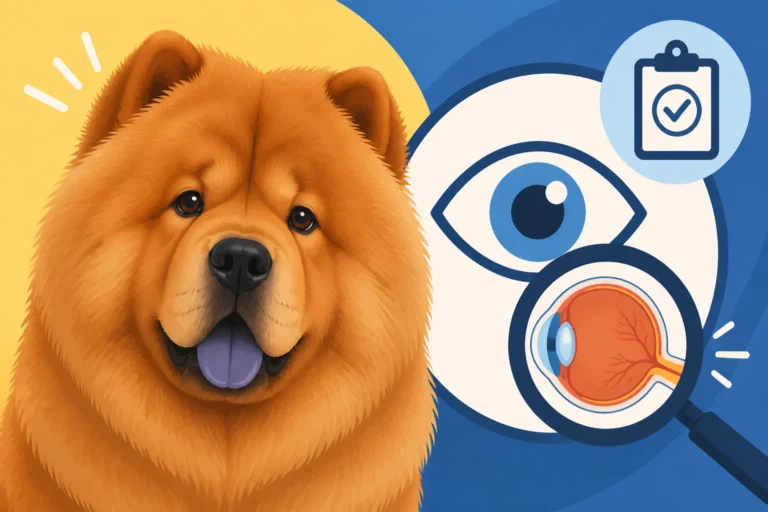
Chow Chows are predisposed to a specific type of glaucoma called primary angle-closure glaucoma. This is largely due to their unique eye structure, particularly what's known as a narrow drainage angle. In simple terms, the fluid inside the eye, called aqueous humor, is produced continuously, and in a healthy eye, it drains out at the same rate. However, in a Chow Chow with this predisposition, that drainage angle is already constricted, and it can suddenly become completely blocked. When this happens, the fluid can't escape, leading to a rapid and dangerous buildup of pressure inside the eye. This pressure quickly damages the optic nerve and retina, causing immense pain and irreversible vision loss. It's a cruel twist of fate that their distinctive deep-set eyes, while beautiful, contribute to this vulnerability. For a deeper dive into this, you might find Why a Chow Chow's Drainage Angle Is Narrow to be a helpful read.
Recognizing the Urgent Signs
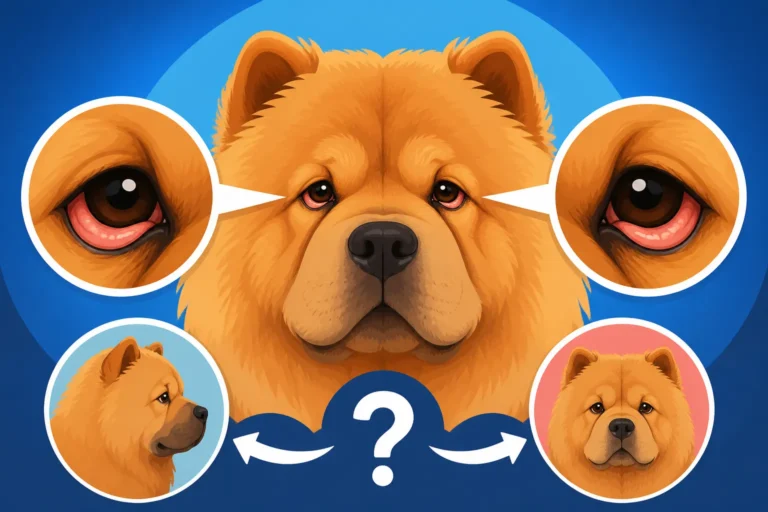
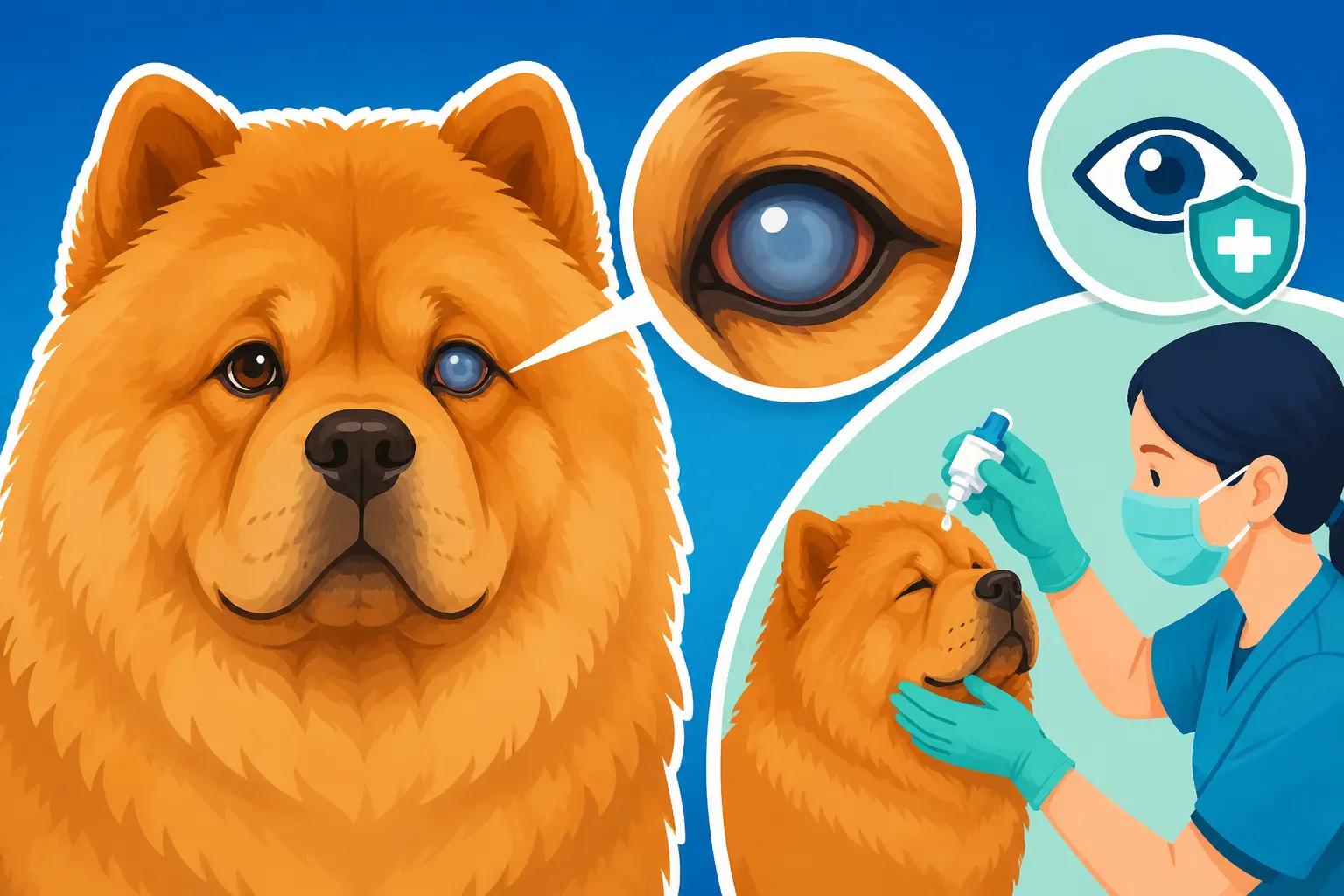
One of the biggest frustrations for Chow Chow owners is how quickly this condition can escalate. Your dog might seem a little off, maybe squinting or rubbing their eye, and then suddenly their eye is cloudy, red, and they’re bumping into furniture. Recognizing these signs and acting fast is paramount. Key indicators that your Chow Chow is experiencing a glaucoma attack include severe eye pain (manifesting as pawing at the eye, rubbing their face, sensitivity to light, or reluctance to be touched around the head), a visibly dilated pupil that doesn't respond to light, a cloudy or bluish appearance to the cornea (the clear outer layer of the eye), and general lethargy or decreased appetite due to the intense discomfort. The eye might even appear larger than the other. If you suspect glaucoma, even slightly, drop everything and get to an emergency vet or a veterinary ophthalmologist immediately. The speed at which How Fast Glaucoma Blinds a Chow Chow can be truly shocking.
Immediate Medical Treatments for Glaucoma
When you rush your Chow Chow to the vet with suspected glaucoma, the immediate goal is to lower that dangerously high intraocular pressure (IOP) as quickly as possible to alleviate pain and try to preserve vision. This initial phase typically involves a combination of powerful medications.
Eye Drops and Oral Medications to Lower Pressure
The veterinary team will likely start by measuring your Chow Chow's eye pressure, usually with a device called a tonopen. This simple, non-invasive test confirms the diagnosis. Once glaucoma is confirmed, a cocktail of eye drops and often oral medications will be administered. These medications work in a couple of ways: either by decreasing the production of aqueous humor fluid within the eye or by improving its outflow.
Common eye drops include:
- Prostaglandin analogs (e.g., latanoprost, travoprost): These are often the first line of defense as they are very effective at rapidly lowering IOP by increasing fluid outflow. They work quickly, sometimes within minutes.
- Carbonic anhydrase inhibitors (e.g., dorzolamide, brinzolamide): These drops reduce fluid production in the eye. They might be used alone or in conjunction with prostaglandin analogs.
- Beta-blockers (e.g., timolol): Similar to carbonic anhydrase inhibitors, these also work to reduce fluid production.
In addition to eye drops, your vet may administer oral medications, such as:
- Oral carbonic anhydrase inhibitors (e.g., methazolamide, dichlorphenamide): These offer a systemic way to reduce fluid production, particularly when drops aren't enough or in severe cases.
- Osmotic diuretics (e.g., mannitol, glycerin): These are typically given intravenously in emergency situations. They draw fluid out of the eye (and other tissues) very rapidly, providing a quick, but temporary, reduction in pressure. This is a critical first step to buy time.
The vet will continuously monitor your Chow Chow's eye pressure to ensure the medications are working. It's not uncommon for them to need to re-administer drops or adjust dosages until the pressure begins to normalize. This intensive phase might require hospitalization for several hours or even a day to get the situation under control. The ultimate goal is to stabilize the eye and reduce pain. Understanding What Glaucoma Does to a Chow Chow's Eye emphasizes the urgency of these initial treatments.
Monitoring and Adjusting Treatment for Stability
Once the immediate crisis is addressed and the eye pressure has come down, the focus shifts to a longer-term management plan. This is where consistent monitoring and adjustment become paramount. Your Chow Chow will likely be sent home with a strict schedule of multiple eye drops daily, sometimes as many as 3-4 different types, administered several times a day. This routine can be demanding and requires immense dedication from owners. Regular follow-up appointments with a veterinary ophthalmologist are crucial to monitor progress, check eye pressure, and adjust the medication regimen as needed. The delicate balance required to maintain healthy eye pressure means that what works one week might need tweaking the next.
It's also important to remember that primary glaucoma in one eye significantly increases the risk of the second eye developing glaucoma. This is a heartbreaking reality for many Chow Chow owners. Prophylactic treatment (preventative drops) in the unaffected eye is often recommended to delay or potentially prevent the onset of glaucoma. For more on this difficult truth, you can read about How Often a Chow Chow Loses the Second Eye. This long-term commitment to medication and monitoring can be costly, and this is where pet insurance providers like Healthy Paws can truly be a lifeline, helping to cover the ongoing expenses of prescriptions and specialist visits.
Surgical Interventions for Advanced Glaucoma
While medical management is the first approach, it's often not a permanent solution for primary angle-closure glaucoma in Chow Chows. Many cases eventually require surgical intervention, especially if medical treatment becomes ineffective or the pressure remains uncontrolled.
Procedures to Reduce Fluid Production or Improve Drainage
When eye drops and oral medications can no longer adequately control the intraocular pressure, surgery becomes the next logical step to save vision or at least preserve comfort. There are several surgical options, each with its own goals and considerations:
- Gonioimplant (or shunt) surgery: This involves implanting a tiny device into the eye that helps create an alternative pathway for the fluid to drain, bypassing the blocked natural drainage angle. This can be effective in some cases, offering a chance to maintain vision.
- Cyclophotocoagulation (CPC): This procedure uses a laser to destroy some of the ciliary body, which is the tissue responsible for producing the aqueous humor. By reducing fluid production, the pressure inside the eye can be lowered. There are different types, including transscleral CPC (laser applied from outside the eye) and endoscopic CPC (laser applied from inside the eye, often performed in conjunction with a shunt).
- Cryosurgery: Similar to laser treatment, cryosurgery uses extreme cold to destroy portions of the ciliary body, thereby reducing fluid production.
These surgeries are delicate and specialized, requiring the expertise of a board-certified veterinary ophthalmologist. They aim to reduce pressure permanently or for an extended period, but they are not always a guaranteed success, and some Chows may still require ongoing eye drops even after surgery. The success rate can vary, and it's a significant financial commitment. This is another area where a comprehensive pet insurance plan from a provider like Healthy Paws can significantly ease the financial burden associated with these advanced treatments.
When Enucleation Becomes Necessary
Sometimes, despite all efforts—intensive medical treatment, various surgeries, and dedicated care—the glaucoma progresses, and the eye remains painfully blind with uncontrolled pressure. In these heartbreaking situations, the best course of action for your Chow Chow's quality of life is often enucleation, which is the surgical removal of the affected eye. This might sound drastic, but it's a decision made purely to alleviate suffering. A persistently painful, blind eye offers no benefit to your dog and can severely impact their well-being.
The thought of your Chow Chow losing an eye is incredibly distressing, but it’s crucial to understand that dogs adapt remarkably well to living with one eye, or even being completely blind. Removing the source of chronic pain dramatically improves their comfort and overall demeanor. They learn to navigate their world using their other senses, especially their exceptional sense of smell and hearing. While this isn't the outcome any owner hopes for, it's a compassionate choice when other treatments have failed. For many, What Removing a Chow Chow's Eye Costs is a significant concern, and it's important to discuss this openly with your vet and consider the financial support from your pet insurance if you have it.
Long-Term Management and Prognosis for Chow Chows with Glaucoma
Managing glaucoma in a Chow Chow is a lifelong commitment. Even after initial treatment, whether medical or surgical, regular monitoring and dedicated care are essential to maintain comfort and prevent further vision loss, especially in the remaining eye.
Living with Glaucoma: Ongoing Care
Once your Chow Chow has been diagnosed with primary glaucoma in one eye, the focus shifts to maintaining the health of that eye (if vision was saved) and, crucially, protecting the other eye. As mentioned, the likelihood of the second eye developing glaucoma is extremely high. Therefore, a preventative regimen of eye drops for the unaffected eye is typically prescribed indefinitely. This means twice-daily application of drops, sometimes more, for the rest of their life.
Regular veterinary ophthalmology appointments will become a routine part of your Chow Chow's life. These visits allow the specialist to monitor intraocular pressure in both eyes, assess any changes in vision, and adjust medications as needed. These appointments are typically recommended every 3-6 months, or more frequently if concerns arise. Between visits, you'll need to be vigilant for any signs of discomfort or changes in your dog's eyes. This is a journey that requires incredible patience and consistency. Even with diligent care, some Chow Chows may experience breakthroughs where pressure spikes again, necessitating further intervention. If you are struggling with the daily routine, remember that you are not alone; many Chow Chow owners face these challenges. Consider joining online communities or local breed clubs for support and shared experiences. And remember to keep up with their regular Whether a Chow Chow Needs a Yearly Eye Exam schedule, which is even more critical for glaucoma-prone breeds.
Caring for a Blind or One-Eyed Chow Chow
If your Chow Chow ultimately loses vision in one or both eyes due to glaucoma, your role as their caregiver becomes even more vital in helping them adapt to their new reality. It can be heartbreaking, but dogs are incredibly resilient.
For a one-eyed Chow Chow, adaptation is usually swift. They will quickly learn to compensate for their reduced peripheral vision on the affected side. You might notice them turning their head more to get a full view, which is completely normal. Keep their environment consistent, avoid moving furniture unnecessarily, and always approach them from their seeing side to avoid startling them.
For a completely blind Chow Chow, the adjustment period can take a little longer, but they thrive with consistency and a stable environment. Here are some tips to help them:
- Maintain Consistency: Keep food and water bowls, beds, and furniture in the same place.
- Establish Verbal Cues: Use clear verbal cues for obstacles (e.g., "step up," "watch out") or directions (e.g., "left," "right").
- Scent Markers: Use different scents (like essential oils or sprays) on furniture or at room entrances to help them navigate.
- Safe Space: Create a safe, comfortable den where they can relax without bumping into things.
- Supervised Outdoors: Always keep them on a leash when outside, even in a fenced yard, to prevent them from wandering into danger.
- Gentle Handling: Always speak to them before touching them to avoid startling them.
- Grooming and Vet Visits: Be extra patient during grooming or vet visits, as their lack of sight can make them more anxious. Teaching them to wear a muzzle if necessary can ensure their safety and that of the vet staff.
Your Chow Chow will rely heavily on your voice, scent, and touch. With love, patience, and a few adjustments, a blind Chow Chow can continue to live a full and happy life. It's truly amazing How a Chow Chow Adjusts to One Eye or even to complete blindness with the right support.
Glaucoma Treatment Options at a Glance
Here's a quick summary of the common treatment pathways for glaucoma in Chow Chows:
| Treatment Type | Purpose | Typical Application | Considerations |
|---|---|---|---|
| Emergency Eye Drops | Rapidly reduce immediate, dangerously high eye pressure | Initial vet visit, sometimes daily if successful | High frequency, strict schedule, may not be long-term solution |
| Oral Medications | Systemic reduction of fluid production, pain relief | Initial emergency, short-term use, or chronic pain | Potential side effects, often used in conjunction with drops |
| Gonioimplant/Shunt | Improve fluid drainage within the eye | Vision-saving surgery for suitable candidates | Specialized procedure, not always successful, significant cost |
| Laser/Cryosurgery | Reduce fluid production by destroying ciliary body | Vision-saving surgery when drops fail | Can be performed repeatedly, but may lead to further vision loss or atrophy |
| Enucleation | Surgical removal of the eye | When eye is blind, painful, and other treatments fail | Permanent solution for pain, dog adapts well, cosmetic considerations |
| Prophylactic Drops | Preventative treatment for the unaffected eye | Daily, lifelong for the 'good' eye | Critical to protect the remaining vision, strict adherence needed |
Note: Costs are highly variable by region and clinic. Consult your veterinarian for accurate estimates.
Disclaimer
The information provided in this article is for general informational purposes only and does not constitute veterinary medical advice. Always consult with a qualified veterinarian or veterinary ophthalmologist for any health concerns or before making any decisions about your Chow Chow's care, especially regarding complex conditions like glaucoma. Treatment protocols can vary based on individual circumstances and the latest veterinary recommendations.