What Removing a Chow Chow’s Eye Costs
Facing the decision to have your beloved Chow Chow's eye removed is incredibly daunting, and it's natural to feel overwhelmed, heartbroken, and anxious about what it all means, especially the financial implications. When your furry family member is in pain or suffering from an irreversible condition, weighing their quality of life against the practicalities, like the cost of surgery, can add another layer of stress. This comprehensive guide aims to walk you through the various medical reasons an eye might need to be removed, break down the associated costs, discuss financial assistance options, and offer support for the emotional journey ahead.
Understanding the Medical Reasons for Eye Removal in a Chow Chow
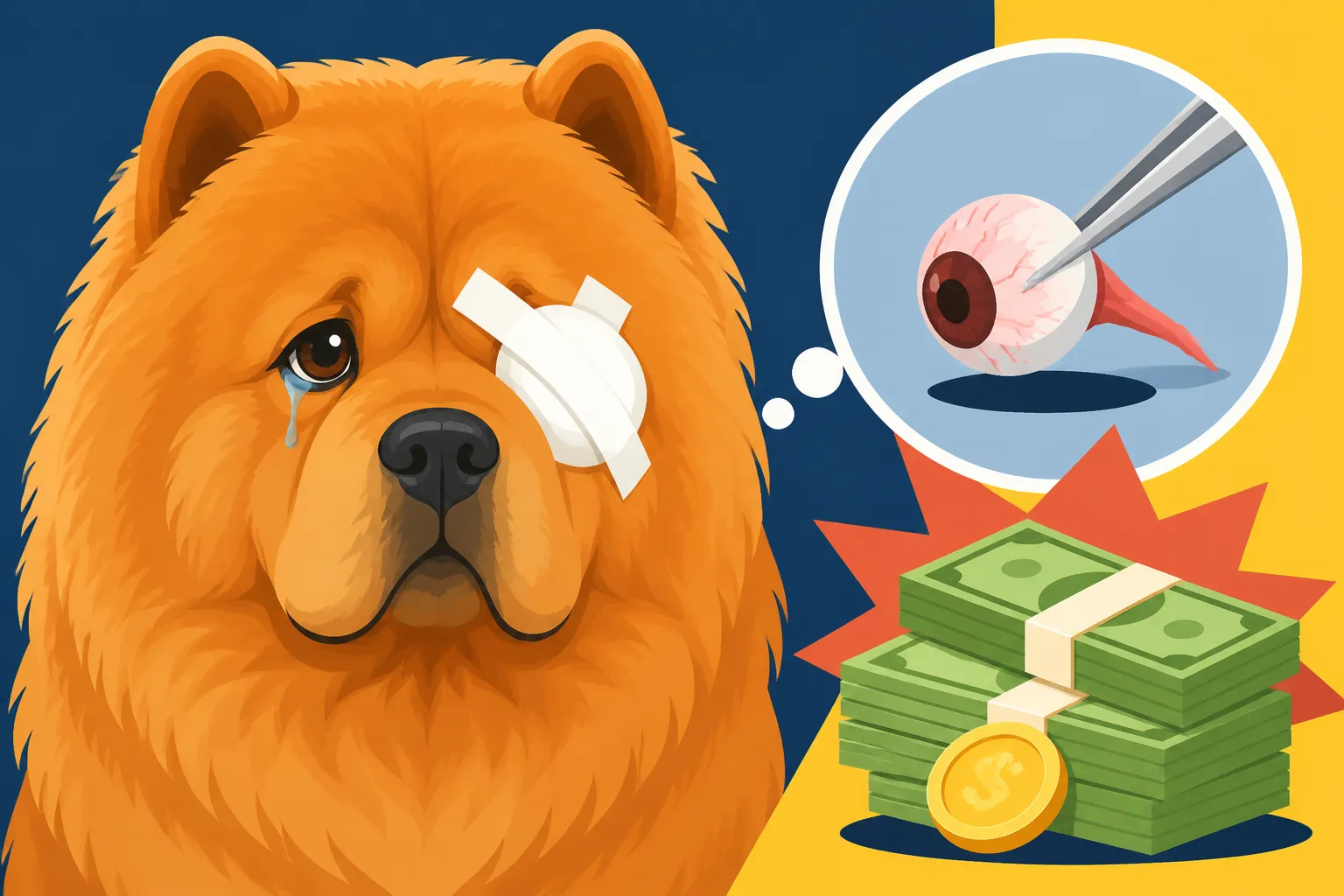
For many Chow Chow owners, the thought of eye removal, medically known as enucleation, sounds drastic and heartbreaking. However, it's often a compassionate and necessary procedure performed when an eye is causing severe, unrelenting pain or has become irreversibly damaged and non-functional, posing a risk to the dog's overall health and well-being. It's never a decision taken lightly by veterinarians or owners.
When Eye Removal Becomes Necessary for a Chow Chow
Several serious conditions can lead to the difficult decision of enucleation for a Chow Chow. One of the most common culprits, unfortunately, is advanced glaucoma. Chow Chows are predisposed to this painful eye disease, where pressure builds up inside the eye, leading to excruciating pain and rapid vision loss. When the pressure cannot be controlled with medication, and the eye is already blind or severely damaged, removing the eye becomes the only way to alleviate the chronic pain. This is particularly relevant when you consider What Glaucoma Does to a Chow Chow's Eye, which can be devastating in its progression. The speed at which this can happen is alarming, with some Chow Chows experiencing significant damage very quickly, as detailed in How Fast Glaucoma Blinds a Chow Chow.
Beyond glaucoma, severe trauma to the eye can sometimes necessitate removal. This could be from an accident, a deep puncture wound, or an unresolvable infection that has severely compromised the eye's structure and function. Tumors within the eye, if malignant or causing significant discomfort that cannot be treated otherwise, are another reason. In some cases, chronic and severe complications from conditions like entropion, where the eyelid rolls inward, might lead to such extensive corneal damage that the eye cannot be saved. While often managed with surgery, profound secondary issues like deep corneal ulcers or recurrent severe infections can sometimes reach a point of no return, making enucleation the only viable option to restore comfort.
The Pain and Quality of Life Factor
It's crucial to understand that enucleation is rarely performed for cosmetic reasons or minor issues. It is almost always a decision made to eliminate severe pain and improve a Chow Chow's quality of life. Dogs are incredibly resilient and often hide their pain, especially breeds like the Chow Chow, which tend to be stoic. However, an eye that is constantly aching, infected, or under immense pressure is a source of continuous suffering. You might notice subtle signs like excessive blinking, rubbing their face, squinting, or becoming withdrawn. They might even become more irritable or reluctant to be touched around their head.
A blind or painful eye significantly impacts a dog's ability to live comfortably, play, eat, and interact with their family. While losing an eye is a profound change, removing a source of chronic pain often results in a dog that is happier, more energetic, and more engaged with life. Owners frequently report a dramatic positive change in their dog's personality and activity levels once the painful eye is gone. The relief they experience from a constant ache or throbbing can transform them back into the joyful companions they once were. The temporary discomfort of surgery is a short-term trade-off for long-term relief and an improved quality of life.
Breaking Down the Costs of Enucleation for a Chow Chow
When you're dealing with the emotional weight of your Chow Chow needing an eye removed, the last thing you want to worry about is the bill. Unfortunately, veterinary procedures, especially surgeries, can be costly. Understanding what goes into the final price can help you prepare and explore your options. The cost of enucleation for a Chow Chow can vary significantly based on several factors, including your geographic location, the veterinary clinic's overhead, the complexity of the case, and whether a general practitioner or a board-certified veterinary ophthalmologist performs the surgery.
The Veterinary Consultation and Pre-Operative Workup
Before any surgery, a thorough examination and pre-operative workup are essential to ensure your Chow Chow is healthy enough for anesthesia and to identify any underlying issues. This initial phase typically involves several costs:
- Consultation Fee: This is the charge for the initial visit with your veterinarian or a specialist, where they assess the eye, discuss the prognosis, and recommend enucleation. This can range from $60 to $200 for a general vet, and significantly more for a specialist ophthalmologist, often $150 to $350 or more for an initial consult.
- Diagnostic Tests: To ensure your Chow Chow is a good candidate for surgery, your vet will likely recommend bloodwork. This includes a complete blood count (CBC) to check for infection or anemia and a biochemistry panel to assess organ function (liver and kidneys), which are crucial for metabolizing anesthetic drugs. These tests can cost anywhere from $150 to $400. In some cases, additional diagnostics like eye ultrasounds or X-rays might be necessary, adding another $200 to $600.
- Medications Leading Up to Surgery: Your vet might prescribe pain relievers or anti-inflammatory medications to manage discomfort before surgery, especially if the eye is acutely painful. Antibiotics might also be started a few days prior if there's an active infection. These pre-op meds could add $30 to $100 to your bill.
Considering these pre-operative steps, you might already be looking at a few hundred dollars before the actual surgery even begins.
The Surgical Procedure Itself (Enucleation)
The actual surgical removal of the eye is the largest component of the cost. This includes anesthesia, the surgeon's fees, facility use, and any materials required during the procedure.
- Anesthesia: Chow Chows, like many brachycephalic (short-nosed) breeds, can be more prone to anesthetic complications due to their unique respiratory anatomy. Therefore, careful monitoring and advanced anesthetic protocols are often employed, which can increase the cost. Anesthesia costs typically cover the drugs, the time spent under anesthesia, and the monitoring equipment and personnel. This can range from $300 to $800, depending on the duration and complexity.
- Surgeon's Fee: This is the charge for the veterinarian performing the surgery. A general practitioner will typically charge less than a board-certified veterinary ophthalmologist. An ophthalmologist brings specialized expertise, advanced techniques, and often better outcomes for complex cases, but their fees are higher. The surgeon's fee itself can range from $500 to $1,500 or more, with specialists often being on the higher end.
- Operating Room and Materials: The cost includes the use of the sterile operating room, surgical instruments, sutures, drapes, and other consumables. This might be a separate line item or factored into the surgeon's fee.
- Hospitalization: While enucleation is often an outpatient procedure, some vets may recommend a short overnight stay for observation, especially for Chow Chows with their unique recovery needs and pain management requirements. This adds to the cost, usually $50-$150 per night.
Combining all these factors, the surgical procedure for enucleation typically falls within a range of $800 to $3,000+. This wide range underscores why getting a detailed estimate from your chosen veterinary clinic is crucial. For instance, a basic enucleation at a general practice in a rural area might be at the lower end, while a complex case performed by a specialist in a major metropolitan area could easily exceed $2,500-$3,000.
Post-Operative Care and Medications
The care doesn't stop once your Chow Chow wakes up from surgery. Proper post-operative care is vital for a smooth recovery and to prevent complications.
- Pain Management: Your Chow Chow will need pain medication for several days to a week after surgery. This is critical for their comfort and healing. These medications can cost $30 to $100.
- Antibiotics: To prevent infection at the surgical site, antibiotics are almost always prescribed, adding another $20 to $70.
- E-Collar ( Elizabethan Collar): This is non-negotiable. Your Chow Chow must wear a cone to prevent them from rubbing, scratching, or interfering with the surgical site, which could lead to dehiscence (the incision opening up) or infection. The cost is usually $15 to $40.
- Follow-up Visits: One or more follow-up appointments are necessary to check the healing, remove sutures (if non-dissolvable were used), and ensure there are no complications. These visits might be included in the surgical package or charged separately, typically $50 to $150 per visit.
- Special Care Items: You might need soft bedding, ramp access if your dog usually jumps, or other modifications to your home to aid in recovery. While not direct veterinary costs, these are part of the overall expense.
Factoring in post-operative care, the total cost for removing a Chow Chow's eye can realistically range from $1,000 to $3,500 or more. It's a significant investment, but one that ultimately aims to eliminate severe pain and grant your Chow Chow a much happier, more comfortable life.
Financial Support and Insurance Considerations
The cost of veterinary care can be a major hurdle for many families, and a procedure like eye removal is no exception. It’s completely understandable to feel overwhelmed by the potential expenses. Thankfully, there are various avenues you can explore to help manage the financial burden.
Pet Insurance and Eye Removal
Pet insurance can be an absolute lifesaver when unexpected medical emergencies arise. If you enrolled your Chow Chow in a pet insurance plan before the eye condition developed, it's highly likely that a significant portion of the enucleation costs would be covered. Policies vary, but most comprehensive plans will cover accidents and illnesses, including surgeries, anesthesia, hospitalization, medications, and diagnostic tests.
However, a crucial point to understand is that pet insurance does not cover pre-existing conditions. This means if your Chow Chow was already showing signs of glaucoma, entropion complications, or another eye issue that leads to surgery before you purchased the policy or during the waiting period, the enucleation for that specific condition might not be covered. This highlights the importance of getting pet insurance when your Chow Chow is young and healthy. Reputable providers like Healthy Paws offer various plans that can help mitigate high veterinary costs. It’s worth checking their specific policies and getting a quote. Knowing Whether Insurance Covers a Chow Chow's Entropion or other specific eye conditions is a question you should address directly with your insurance provider. Even if the primary condition like entropion was pre-existing, sometimes subsequent, unrelated complications might still be covered, but this is highly dependent on your specific policy and the insurer's terms.
When considering pet insurance, always read the fine print regarding waiting periods, deductibles, reimbursement percentages, and annual limits. These factors will directly impact how much you pay out-of-pocket. For a major surgery like enucleation, having even 70-90% of the costs covered can make a tremendous difference.
Other Financial Aid Options
If pet insurance isn't an option, or if the condition is deemed pre-existing, don't despair. There are still resources available to help you afford the necessary care for your Chow Chow:
- Payment Plans Directly with Your Vet: Many veterinary clinics understand the financial strain of large bills and offer in-house payment plans or work with third-party financing companies like CareCredit or Scratchpay. These often provide deferred interest or low-interest payment options, allowing you to spread the cost over several months. It's always worth discussing these options with your vet's office manager.
- Veterinary Assistance Programs: There are numerous non-profit organizations dedicated to helping pet owners with veterinary costs. Groups like The Pet Fund, RedRover, and regional humane societies often have programs or lists of resources. Breed-specific rescues, such as Chow Chow rescue organizations, may also have emergency funds or be able to provide guidance. A quick search for "veterinary financial aid for dogs" or "Chow Chow welfare fund" can yield local and national resources.
- Crowdfunding: Platforms like GoFundMe or other social media fundraising can be incredibly effective. Sharing your Chow Chow's story and explaining the urgent need for surgery can rally friends, family, and even strangers to contribute.
- Personal Savings or Credit Cards: While not ideal, using savings or a credit card might be a necessary option in an emergency. If using credit, look for cards with introductory 0% APR periods to give you time to pay off the balance without incurring high interest.
- Negotiate with Your Vet: Sometimes, if you explain your financial situation honestly, your vet might be able to offer a slightly reduced fee, especially if you have a long-standing relationship with the clinic. They might also suggest alternative, slightly less expensive, but still effective, options for certain aspects of care.
Exploring all these avenues can help ensure your Chow Chow receives the vital care they need without completely breaking the bank. The peace of mind that comes with knowing you've done everything possible for their comfort is priceless.
The Emotional Toll and Adaptation After Eye Removal
Deciding to remove your Chow Chow's eye is one of the toughest choices you'll ever make as a pet parent. It's not just a physical procedure for them; it's a significant emotional journey for both of you. Many owners grapple with guilt, sadness, and anxiety, wondering if they made the right choice or how their dog will cope. It's vital to acknowledge these feelings and understand that they are completely normal.
Supporting Your Chow Chow During Recovery
The immediate aftermath of surgery is a critical period for both physical healing and psychological adjustment. Your Chow Chow will be disoriented and might be a little wobbly from the anesthesia. They will likely be wearing an Elizabethan collar, which can be upsetting for them initially.
- Creating a Safe and Calm Environment: Set up a quiet, comfortable space where your Chow Chow can recover without too much stimulation. Keep their food, water, and bedding easily accessible. Minimize stairs or obstacles if possible. For the first few days, limit their movement to prevent accidental injury or bumping the surgical site.
- Managing Pain and Discomfort: Adhere strictly to your veterinarian's instructions for administering pain medication and antibiotics. A comfortable dog is more likely to recover well. Watch for signs of excessive pain, swelling, or discharge from the incision, and contact your vet if you have any concerns.
- Adjusting to One Eye: While dogs adapt incredibly well, there will be an adjustment period. Your Chow Chow will initially have reduced peripheral vision on the side of the removed eye and may misjudge distances or bump into things. Keep furniture in consistent locations, guide them gently, and speak to them frequently when approaching from their blind side to avoid startling them. Over time, their brain compensates remarkably well. You might be surprised at How a Chow Chow Adjusts to One Eye and how quickly they regain their confidence. They will start using their nose and ears more to navigate their world.
- The E-Collar is Your Friend: Despite their protests, the cone is absolutely essential for preventing them from scratching or rubbing the incision. Keep it on as advised by your vet, usually for 10-14 days until the stitches are removed. Consider a soft cone or inflatable collar for added comfort if your Chow tolerates it better, but ensure it effectively prevents access to the eye.
- Gentle Reassurance and Patience: Your Chow Chow will look to you for comfort and security. Offer gentle praise, soft petting (away from their head), and keep their routine as normal as possible. Avoid rough play or stressful situations during this time.
Your Emotional Journey as an Owner
It's common for owners to feel a profound sense of loss, even though the procedure was for their dog's benefit. You might mourn the loss of your dog's "two-eyed" appearance or feel guilty that you couldn't prevent the condition. These feelings are valid and normal.
- Acknowledge Your Feelings: Don't try to suppress your sadness or guilt. Talk to a trusted friend, family member, or even your vet. Many veterinary professionals are accustomed to these conversations and can offer support and reassurance.
- Focus on Their Improved Quality of Life: Remind yourself constantly that this surgery was an act of love to alleviate suffering. Witnessing your Chow Chow free from chronic pain, becoming more active, and engaging again is the greatest reward and validation of your decision.
- See Beyond the Appearance: It might take time to get used to your Chow Chow's new look. Try to focus on their vibrant personality and the joy they bring, rather than the change in their appearance. They are still the same loving companion underneath.
- Connect with Other Owners: Online forums or support groups for owners of special needs pets can be incredibly helpful. Sharing experiences and advice with others who have been through similar situations can provide comfort and practical tips.
Ultimately, choosing enucleation for your Chow Chow is a courageous act of compassion. While the financial cost is tangible, the priceless reward is seeing your beloved companion live a happier, pain-free life.
Cost Breakdown for Chow Chow Eye Removal (Enucleation)
Here's a generalized table summarizing the potential costs associated with enucleation for a Chow Chow. Please remember these are estimates and can vary widely based on location, veterinarian, and individual case complexity.
| Cost Component | Estimated Price Range (USD) | Notes |
|---|---|---|
| Pre-Operative Care | ||
| Initial Vet Consultation | $60 – $200 | For general vet; specialist ophthalmologist consults can be $150 – $350+ |
| Bloodwork (CBC & Chemistry) | $150 – $400 | Essential for assessing organ function and anesthetic risk |
| Additional Diagnostics | $200 – $600 (optional) | e.g., eye ultrasound, X-rays if needed |
| Pre-Op Medications | $30 – $100 | Pain relievers, antibiotics before surgery |
| Surgical Procedure | ||
| Anesthesia & Monitoring | $300 – $800 | Varies with duration, Chow Chow's brachycephalic risk, and monitoring level |
| Surgeon's Fee (General Vet) | $500 – $1,200 | Often lower end of total surgical cost |
| Surgeon's Fee (Specialist) | $1,000 – $2,500+ | For board-certified veterinary ophthalmologists, highly recommended for complex cases |
| Operating Room & Materials | Often included | Sometimes a separate fee ($100-$300) |
| Hospitalization (Overnight) | $50 – $150 (optional) | For observation, especially for breeds with higher anesthetic risk or pain management needs |
| Post-Operative Care | ||
| Post-Op Pain Medication | $30 – $100 | Oral medications for home use |
| Post-Op Antibiotics | $20 – $70 | To prevent infection |
| E-Collar (Elizabethan Collar) | $15 – $40 | Essential to prevent self-trauma to the surgical site |
| Follow-up Vet Visits | $50 – $150 per visit | Usually one or two visits to check healing and remove sutures |
| Total Estimated Cost | $1,000 – $3,500+ | This is a broad range; always get a detailed estimate from your veterinary clinic before proceeding. |
Disclaimer
The information provided in this article is for general informational purposes only and does not constitute veterinary advice. Always consult with a qualified veterinarian for any health concerns or before making any decisions about your Chow Chow's medical care. Costs are estimates and can vary significantly.