What Elbow Surgery Costs on a Chow Chow
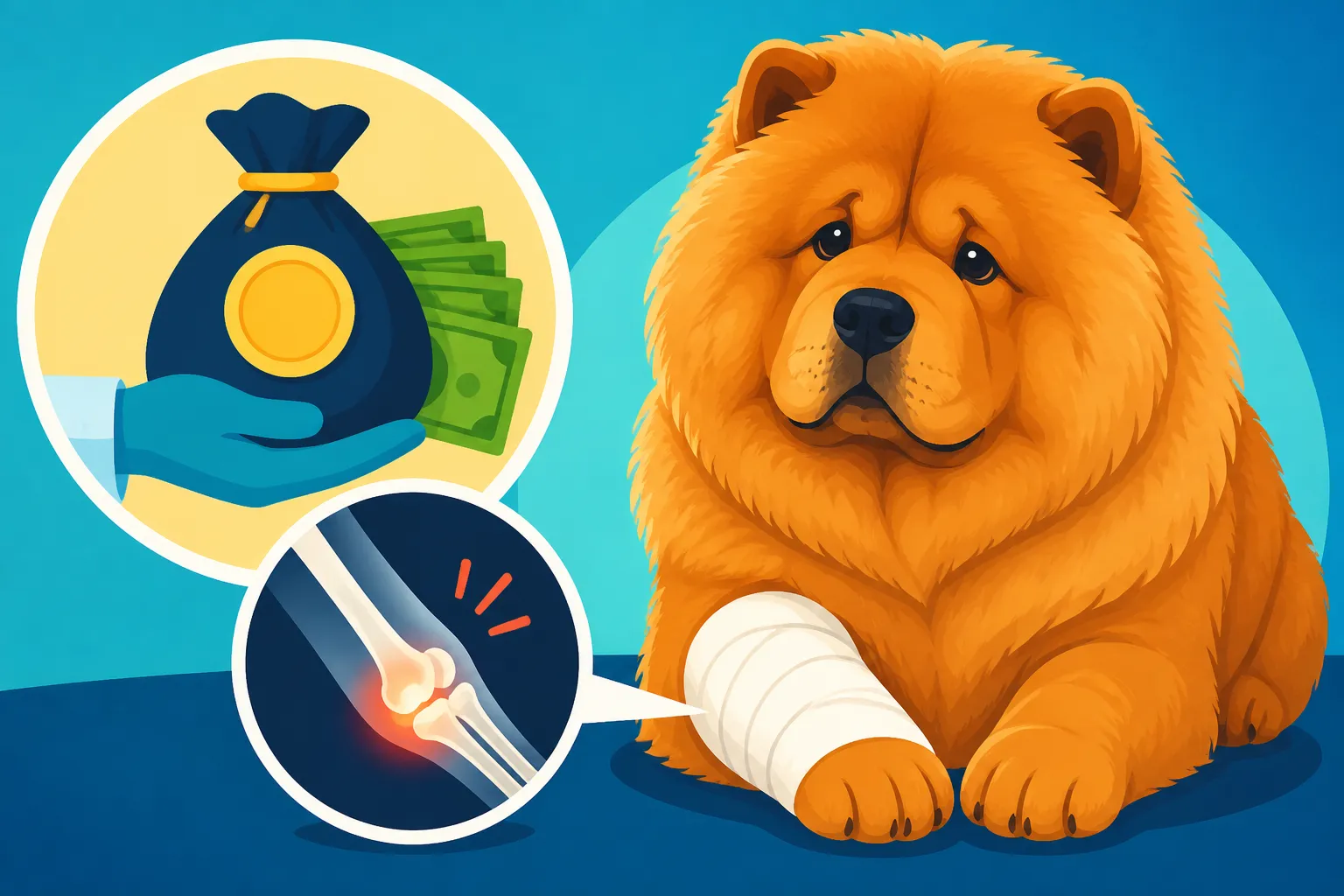
Discovering your beloved Chow Chow is suffering from elbow dysplasia can be absolutely heartbreaking, and the stress only multiplies when you start thinking about veterinary bills. It’s a harsh reality that specialized surgeries like those for elbow issues can come with a hefty price tag, leaving many owners feeling overwhelmed and unsure of their next steps. This guide is here to unravel the complexities and costs associated with elbow surgery for your Chow Chow, helping you understand what to expect financially and how to plan for the best possible outcome for your furry family member.
Understanding Elbow Dysplasia in Your Chow Chow
Elbow dysplasia is a common and often debilitating orthopedic condition, particularly prevalent in larger, fast-growing breeds like our Chows. It’s not just one disease but a collection of developmental abnormalities that occur during the growth phase, leading to improper formation of the elbow joint. This malformation causes pain, lameness, and eventually, degenerative joint disease (arthritis).
Why Chow Chows Are Prone to Elbow Issues
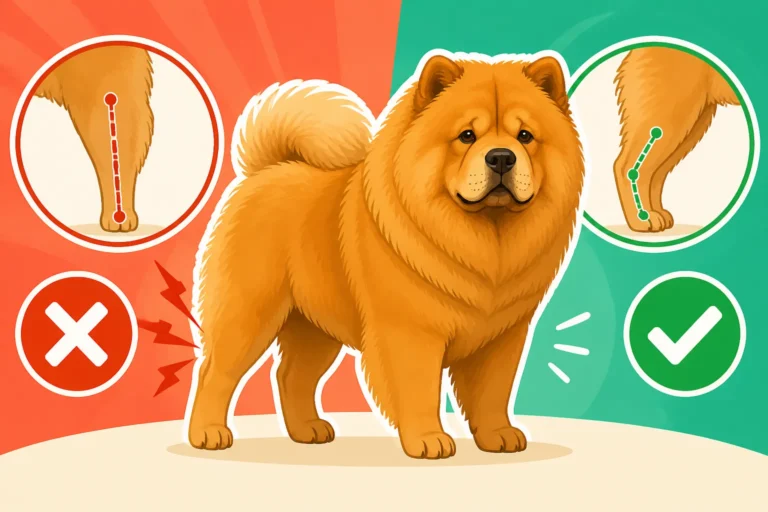
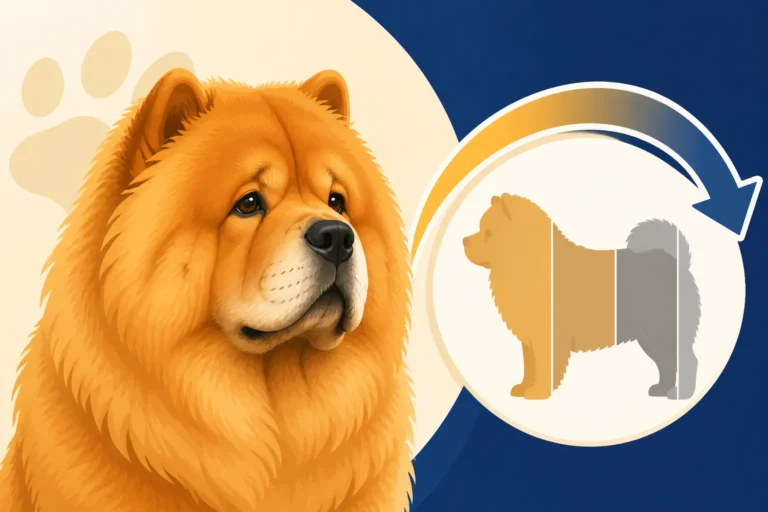
Chow Chows, with their sturdy build and unique gait, unfortunately, rank near the top when it comes to breeds susceptible to elbow dysplasia. Their genetics play a significant role, meaning that responsible breeders will always screen their breeding stock. Beyond genetics, their very conformation can contribute to the problem. The characteristic "stilted gait" of a Chow Chow, which stems from their relatively straight rear legs, might look distinctive, but it can put unusual stress on their joints, including the elbows, over time. This constant, slightly abnormal weight bearing can exacerbate any underlying developmental issues, wearing down cartilage and leading to discomfort. Understanding that Elbow Dysplasia Ranks the Chow Chow Near the Top helps owners be proactive. The way a Chow Chow moves, with its unique How a Chow Chow's Gait Wears Its Joints, is a factor many owners don't realize impacts long-term joint health.
The condition often manifests in young dogs, typically between 4 to 12 months of age, though symptoms can be subtle and easily missed until the condition progresses. You might notice your Chow Chow puppy exhibiting signs such as lameness that worsens after exercise, a reluctance to play, or difficulty rising. These early indicators, even if intermittent, should prompt a visit to your veterinarian for a thorough examination. Ignoring these signs can lead to more severe arthritis and a more complicated, and costly, surgical intervention down the line. It's crucial to pay attention to Signs a Chow Chow Puppy's Elbows Hurt.
Diagnosing Elbow Dysplasia: The Initial Costs
The journey to diagnosing elbow dysplasia typically begins with a comprehensive physical examination by your primary veterinarian. They'll observe your Chow Chow's gait, palpate the joints, and check for pain, swelling, or reduced range of motion. This initial consultation usually ranges from $60 to $150, depending on your location and clinic. However, the physical exam alone isn't enough to confirm elbow dysplasia, as the issue is internal.
The next critical step involves diagnostic imaging. X-rays are the standard starting point, providing a visual of the bones and joint structure. A series of specialized X-ray views of both elbows will be necessary, often requiring sedation for your Chow Chow to ensure precise positioning and minimize stress. The cost for X-rays, including sedation, can range from $200 to $600. Sometimes, these initial X-rays are inconclusive or reveal only mild changes, prompting a referral to a veterinary orthopedic specialist. A consultation with a specialist can cost an additional $150 to $300. In more complex cases, or to precisely identify the specific lesion (such as fragmented coronoid process, ununited anconeal process, or osteochondrosis dissecans), advanced imaging like a CT scan might be recommended. A CT scan offers a 3D view and significantly more detail than X-rays, but it comes at a higher price, typically ranging from $1,000 to $2,500, especially if performed at a specialized veterinary hospital.
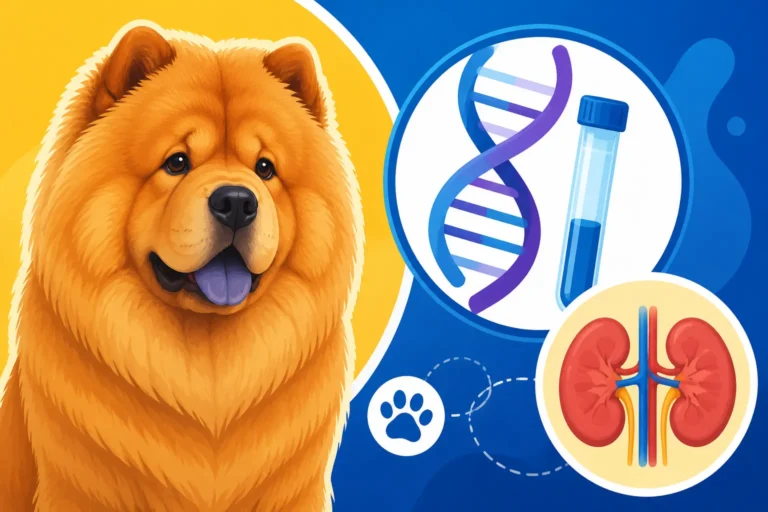
It's important to remember that these diagnostic costs are just the beginning, but they are absolutely essential. A correct diagnosis ensures the most appropriate and effective treatment plan is chosen, preventing unnecessary surgery or delays that could worsen your Chow Chow's condition. While these initial expenses can feel like a lot, they're an investment in understanding exactly What Elbow Dysplasia Does to a Chow Chow and securing the best possible future for your companion. Many breeders will ensure proper screening, and knowing When a Chow Chow's Elbows Should Be X Rayed is important for proactive owners.
The Surgical Journey: Procedures and Price Tags
Once elbow dysplasia is confirmed, your veterinary orthopedic specialist will discuss the various surgical options. The type of surgery recommended will depend entirely on the specific form and severity of the elbow dysplasia affecting your Chow Chow, as well as their age and overall health. It's rarely a one-size-fits-all solution, and each procedure carries its own set of costs.
Surgical Options for Elbow Dysplasia
There are several surgical techniques aimed at correcting elbow dysplasia, each with different levels of invasiveness and associated expenses.
-
Arthroscopy: This minimally invasive procedure is often the preferred choice for treating fragmented coronoid processes (FCP) or osteochondrosis dissecans (OCD) lesions. A small camera and surgical instruments are inserted into the joint through tiny incisions. This allows the surgeon to visualize the joint directly, remove fragmented bone or cartilage, and smooth affected surfaces. Arthroscopy typically results in less pain, faster recovery times, and reduced scarring compared to open surgery. However, it requires specialized equipment and expertise.
-
Osteotomy Procedures (e.g., PAUL, SHO): For cases involving an ununited anconeal process (UAP) or incongruity of the joint that leads to pressure on the cartilage, osteotomy procedures might be recommended. These involve cutting and repositioning bones to relieve pressure, improve joint alignment, and stabilize the elbow. The Proximal Abducting Ulna Osteotomy (PAUL) procedure, for example, aims to reduce pressure on the medial compartment of the elbow. These are more complex, open surgeries with longer recovery periods.
-
Total Elbow Replacement (TER): This is generally considered a salvage procedure for severe, end-stage elbow dysplasia where other treatments have failed, or for very advanced cases of arthritis. It involves replacing the damaged joint surfaces with prosthetic components. TER is a highly specialized and technically demanding surgery that is not performed by all orthopedic specialists. It's also the most expensive option.
The decision on which surgical approach to take is a collaborative one between you and your specialist, considering the prognosis, your Chow Chow's quality of life, and, of course, the financial implications. Remember that a specific diagnosis, as discussed in What Elbow Dysplasia Does to a Chow Chow, directly impacts the surgical choice and thus the cost.
Breaking Down the Surgical Bill
The total cost of elbow surgery for a Chow Chow can be quite significant, often ranging from $2,500 to $8,000 per elbow or even more for a total elbow replacement. This wide range accounts for the complexity of the specific procedure, the geographic location of the veterinary hospital, the experience of the surgeon, and whether any unexpected complications arise. This is a major financial undertaking, and it's essential to understand what contributes to the overall bill.
Here’s a detailed breakdown of what these costs typically cover:
- Surgeon's Fees: This is often the largest portion of the bill, reflecting the specialist's expertise and the complexity of the procedure. It covers their time, skill, and pre-operative planning.
- Anesthesia and Monitoring: Chow Chows, like many brachycephalic breeds, can have unique considerations with anesthesia. A board-certified veterinary anesthesiologist or a highly trained veterinary technician will monitor your dog throughout the procedure. This fee includes the anesthetic drugs, equipment use, and the personnel to ensure your dog's safety. For some Chows, a sedated exam may even be part of the initial workup, adding to What a Chow Chow's Sedated Exam Costs.
- Operating Room Time and Equipment: The use of a sterile operating room, specialized surgical instruments (especially for arthroscopy), and implant materials (if applicable) are all factored into the cost.
- Pre- and Post-Operative Medications: This includes pain relief, anti-inflammatories, and possibly antibiotics prescribed for before and after the surgery.
- Hospitalization: Depending on the procedure, your Chow Chow might need to stay overnight or for a few days for observation and initial recovery. This covers nursing care, intravenous fluids, and any additional monitoring.
- Follow-up X-rays/Rechecks: Your specialist will likely require post-operative X-rays to ensure the surgery was successful and the joint is healing correctly, often followed by recheck appointments.
When facing such substantial costs, many pet parents find themselves in a difficult position. This is precisely why pet insurance can be an absolute lifesaver. Providers like Healthy Paws offer comprehensive coverage that can significantly alleviate the financial burden of unexpected surgeries. If your Chow Chow is enrolled in a plan like Healthy Paws, a large portion of these surgical costs, once your deductible is met, could be reimbursed, making the decision for crucial care much easier. It's a proactive step that can make all the difference in these stressful situations.
Beyond the Operating Room: Post-Surgery Expenses
The journey doesn't end when your Chow Chow leaves the operating room. In fact, the post-operative period is just as critical for a successful outcome as the surgery itself, and it comes with its own set of ongoing expenses. It's a commitment that requires patience, dedication, and continued financial planning.
Immediate Recovery and Rehabilitation Costs
Bringing your Chow Chow home after surgery marks the beginning of their recovery, which often involves a strict regimen to ensure proper healing.
- Pain Management and Anti-inflammatories: Your Chow Chow will be sent home with a course of medications to manage pain and inflammation. This typically includes NSAIDs (non-steroidal anti-inflammatory drugs), possibly gabapentin for neuropathic pain, and sometimes muscle relaxants. These prescriptions can cost anywhere from $50 to $200 per month, depending on the specific drugs and duration needed.
- Restricted Activity and Confinement: Your Chow Chow will need strict rest and confinement for several weeks or even months. This means no jumping, running, or stair climbing. You might need to invest in a comfortable, appropriately sized crate, ramps to help them get on and off furniture (if allowed by your vet), and baby gates to restrict movement. These items can add $100-$300 to your initial setup.
- Physical Rehabilitation (PT): Veterinary physical therapy is often crucial for regaining strength, range of motion, and proper gait after orthopedic surgery. This can involve underwater treadmill sessions, therapeutic exercises, laser therapy, and massage. PT sessions are usually weekly or bi-weekly and can cost $50 to $150 per session. A typical course might involve 6-12 sessions, adding another $300 to $1,800 or more to your total.
- Follow-up Vet Visits: Regular check-ups with your primary vet or orthopedic specialist are vital to monitor healing progress, adjust medications, and ensure there are no complications. These appointments, including any necessary bandage changes or suture removals, can add $50 to $150 per visit, with several visits usually required over the first few months.
The rehabilitation process is a marathon, not a sprint. It demands consistent effort and adherence to your veterinarian's instructions to ensure your Chow Chow has the best chance at a full recovery and improved quality of life. This phase of recovery can be just as expensive as the surgery itself in many cases.
Managing Chronic Pain and Future Complications
Even with successful surgery and diligent rehabilitation, the reality is that elbow dysplasia often leads to some degree of arthritis later in life. This means your Chow Chow might require ongoing management for chronic pain or stiffness, especially as they get older. Understanding The Age a Chow Chow Gets Arthritis helps set expectations.
- Long-Term Medications and Supplements: Many Chow Chows will benefit from lifelong joint supplements (like glucosamine, chondroitin, MSM, omega-3 fatty acids) and potentially periodic or continuous anti-inflammatory medications. These can cost $30 to $100 per month.
- Therapeutic Treatments: Beyond oral medications, other therapies might be considered to manage arthritis pain, such as acupuncture, chiropractic care, or periodic injections (e.g., polysulfated glycosaminoglycans, stem cell therapy, or platelet-rich plasma). These treatments vary widely in cost, but each session can range from $50 to $300 and may be needed regularly.
- Monitoring and X-rays for Arthritis Progression: Your vet might recommend occasional check-ups and X-rays to monitor the progression of arthritis and adjust management strategies. These costs are similar to routine vet visits and diagnostics.
- Potential for Future Surgery: While rare, severe arthritis or the failure of a previous surgery could necessitate further intervention, including the possibility of a total elbow replacement if not already performed. These are additional, significant costs to consider as a worst-case scenario.
This long-term management underscores the importance of a robust financial safety net. A comprehensive pet insurance policy, especially one from a provider like Healthy Paws, can be invaluable here. While most insurance won't cover pre-existing conditions, if your Chow Chow was insured before the diagnosis, ongoing treatments for conditions stemming from the covered surgery (like subsequent arthritis management) would often be eligible for reimbursement. This foresight can literally save you thousands of dollars over your Chow Chow's lifetime, ensuring they receive continuous care without placing an undue burden on your finances.
Navigating the Financial Landscape of Chow Chow Care
Facing the prospect of elbow surgery for your Chow Chow is daunting, not just emotionally but financially. However, understanding your options for managing these costs can provide immense peace of mind and help you make informed decisions for your furry friend.
The Role of Pet Insurance
Pet insurance is one of the most proactive ways to prepare for unexpected veterinary expenses, including major surgeries like those for elbow dysplasia. It works similarly to human health insurance, where you pay a monthly premium, and in return, the insurer reimburses a percentage of your vet bills once your deductible is met.
Here’s why pet insurance is so crucial for Chow Chows:
- Coverage for Unexpected Illnesses and Accidents: While elbow dysplasia might be a breed predisposition, its exact onset and severity are often unpredictable. Insurance helps cover these "unexpected" events.
- Mitigating High Costs: As discussed, elbow surgery can cost thousands. Pet insurance can significantly reduce your out-of-pocket expenses. For example, if your plan covers 80-90% of costs after a $500 deductible, a $5,000 surgery could mean you only pay $900-$1,400 yourself, with the insurer covering the rest.
- Importance of Early Enrollment: This is a critical point: pet insurance typically does not cover pre-existing conditions. This means if your Chow Chow is diagnosed with elbow dysplasia before you enroll them, or during the waiting period, that specific condition will likely be excluded from coverage. The best time to get pet insurance is when your Chow Chow is a healthy puppy or young adult, before any orthopedic issues arise.
- Reputable Providers: Companies like Healthy Paws are well-regarded for their comprehensive accident and illness plans, which often cover conditions like elbow dysplasia (provided it's not pre-existing). Their flexible reimbursement options can offer significant financial relief during stressful times. It's truly a shame that some carriers list Chow Chows as a restricted breed, as highlighted in Insuring a Chow Chow When Carriers Say No, but companies like Healthy Paws often offer viable solutions. When considering the What a Chow Chow Costs Over Its Lifetime, insurance is a key component to budget for.
Take the time to research different plans, understand deductibles, reimbursement percentages, and annual limits. Getting a quote from Healthy Paws or other reputable providers when your Chow Chow is young and healthy can save you immense heartache and financial strain later on.
Exploring Other Financial Assistance Options
If pet insurance isn't an option, or if your Chow Chow's condition is deemed pre-existing, don't despair. There are still avenues to explore for financial assistance.
- Veterinary Payment Plans: Many veterinary clinics, especially specialty hospitals, understand the financial strain of major surgeries. They may offer in-house payment plans, allowing you to pay the bill in installments over a set period. Always ask if this is an option.
- Veterinary Credit Cards: Credit services like CareCredit or Scratchpay are specifically designed for veterinary expenses. They offer deferred interest plans for a certain period, which can be a huge help if you can pay off the balance before interest accrues.
- Breed-Specific and Disease-Specific Aid: There are often foundations or rescue groups dedicated to specific breeds or conditions. For instance, some Chow Chow rescue organizations might have limited funds to assist owners with veterinary bills. Similarly, organizations dedicated to canine orthopedic health might offer grants. A quick online search for "Chow Chow veterinary financial aid" or "canine elbow dysplasia financial assistance" could yield results.
- Crowdfunding: Platforms like GoFundMe or other similar sites can be effective for rallying support from friends, family, and even strangers who are touched by your Chow Chow's story.
- Negotiation: While not always possible, sometimes asking for a discount or exploring less costly alternatives (if medically appropriate) with your vet can yield some savings. Every little bit helps.
It’s about being resourceful and not being afraid to ask for help when your beloved companion needs it most. The veterinary community is often compassionate and willing to work with owners to find solutions.
Proactive Measures to Support Joint Health
While you can't entirely prevent genetic conditions like elbow dysplasia, there are proactive steps you can take to support your Chow Chow's joint health and potentially minimize the severity of any developing issues.
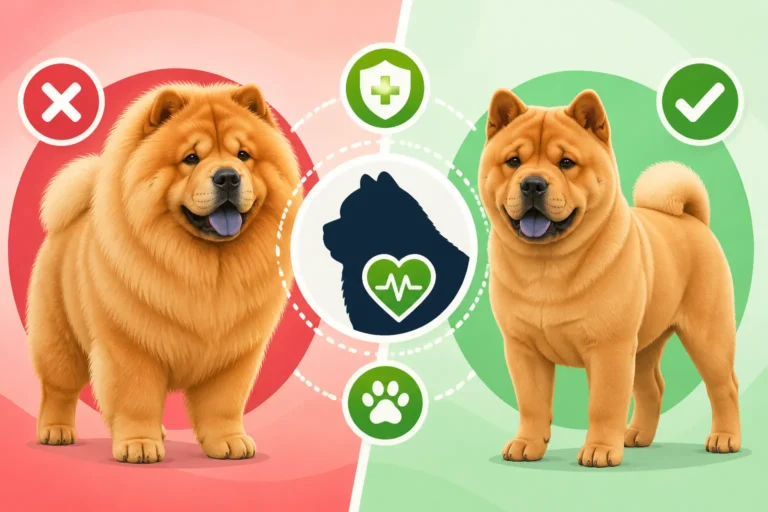
- Responsible Breeding: If you are acquiring a puppy, choose a reputable breeder who performs all recommended health clearances on their breeding stock, including OFA (Orthopedic Foundation for Animals) elbow certifications. This greatly reduces the likelihood of your puppy developing severe dysplasia. Make sure they can show you the parents' certifications.
- Controlled Growth in Puppies: Rapid growth can exacerbate orthopedic issues. Feed your Chow Chow puppy a high-quality, large-breed puppy food formulated for slow and steady growth, and avoid overfeeding to prevent obesity. This is critical because Why a Chow Chow Puppy Should Grow Slowly directly impacts their joint development.
- Appropriate Exercise: While exercise is important, avoid excessive high-impact activities, especially during puppyhood when joints are still developing. Focus on moderate, consistent exercise.
- Weight Management: Keeping your Chow Chow at a healthy weight is paramount. Excess weight puts additional strain on all joints, including the elbows, worsening pain and accelerating arthritis. Regular weight checks and a balanced diet are key to Keeping a Chow Chow at the Weight Its Elbows Can Carry.
- Supplements: Discuss with your vet whether joint supplements like glucosamine and chondroitin could be beneficial as a preventative measure or for early joint support, even before clinical signs appear.
While these measures can't guarantee a completely dysplasia-free life, they can certainly contribute to better joint health and potentially less severe symptoms if the condition does manifest. Prevention and early intervention are always less costly and less painful than advanced treatment.
Estimated Cost Breakdown for Chow Chow Elbow Dysplasia Treatment
To give you a clearer picture, here's a table summarizing the typical cost ranges for the various stages of elbow dysplasia treatment in a Chow Chow. Please remember these are estimates and can vary significantly based on location, clinic, and specific needs.
| Service/Category | Typical Cost Range (per elbow) | Notes |
|---|---|---|
| I. Diagnosis | ||
| Vet Consultation (initial) | $60 – $150 | Primary vet visit. |
| X-rays (incl. sedation) | $200 – $600 | Essential for initial assessment. |
| Specialist Consultation | $150 – $300 | With a veterinary orthopedic surgeon. |
| CT Scan (optional, advanced) | $1,000 – $2,500 | For precise diagnosis in complex cases. |
| Subtotal (Diagnosis) | $410 – $3,550 | |
| II. Surgery | ||
| Arthroscopy (FCP, OCD) | $2,500 – $5,000 | Minimally invasive, often for specific lesions. |
| Osteotomy Procedures (UAP, PAUL) | $3,500 – $7,000 | More complex bone cutting and repositioning. |
| Total Elbow Replacement (TER) | $6,000 – $12,000+ | Salvage procedure for severe, end-stage disease; highly specialized. |
| Subtotal (Surgery) | $2,500 – $12,000+ | Covers surgeon fees, anesthesia, OR, medications, hospitalization. This is the big one. |
| III. Post-Operative Care | ||
| Post-op Medications (1-2 months) | $50 – $200 | Pain relievers, anti-inflammatories, antibiotics. |
| Physical Therapy (6-12 sessions) | $300 – $1,800+ | Crucial for recovery, range of motion, and strength. |
| Follow-up Vet Visits (several) | $150 – $450 | Monitoring healing, bandage changes, suture removal, rechecks. |
| Recovery Aids (crate, ramps) | $100 – $300 | If needed for strict confinement and mobility assistance. |
| Subtotal (Post-op) | $600 – $2,750+ | |
| IV. Long-Term Management (Arthritis) | (Ongoing yearly) | |
| Joint Supplements (yearly) | $360 – $1,200 | Glucosamine, chondroitin, fish oil. |
| Periodic Medications (yearly) | $100 – $500+ | As needed for flare-ups. |
| Therapeutic Treatments | $300 – $1,500+ | Acupuncture, laser, occasional injections (as needed). |
| Annual Vet Checks / X-rays | $150 – $400 | To monitor arthritis progression. |
| Subtotal (Long-Term) | $910 – $3,600+ | These costs recur annually and vary greatly based on severity and management choices. |
| Grand Total (Estimate per elbow, through recovery) | $3,510 – $18,300+ | Does not include potential annual long-term management costs or if both elbows need surgery. Knowing How Common Elbow Dysplasia Is in Chow Chows underscores the importance of being prepared. |
Disclaimer
The information provided in this article is for general informational purposes only and does not constitute veterinary advice. Always consult with a qualified veterinarian or veterinary specialist for any health concerns or before making any decisions about your pet's medical care. Costs can vary widely based on location, individual veterinary practice, and your pet's specific condition.