Cruciate Tears in a Chow Chow
It's incredibly distressing to watch your majestic Chow Chow struggle with pain, especially when they're usually so stoic and independent. Finding that they're limping, unwilling to put weight on a leg, or hesitant to jump can point to a serious orthopedic problem like a cruciate ligament tear. This can leave you feeling helpless and confused, wondering how best to support your furry friend. This guide is here to demystify cruciate tears in Chow Chows, helping you understand what they are, how to spot the signs, what treatment options are available, and how to navigate the recovery journey with confidence and compassion.
Understanding Cruciate Ligament Tears in Chow Chows
The thought of your Chow Chow needing a serious orthopedic surgery is daunting, but understanding the basics of a cruciate ligament tear can help you make informed decisions. It's not just a simple sprain; it's a significant injury that can severely impact your dog's mobility and quality of life if not addressed properly. Because of certain breed predispositions and their unique anatomy, Chow Chows are unfortunately more susceptible to these kinds of injuries than some other breeds.
What Exactly Is a Cruciate Ligament?
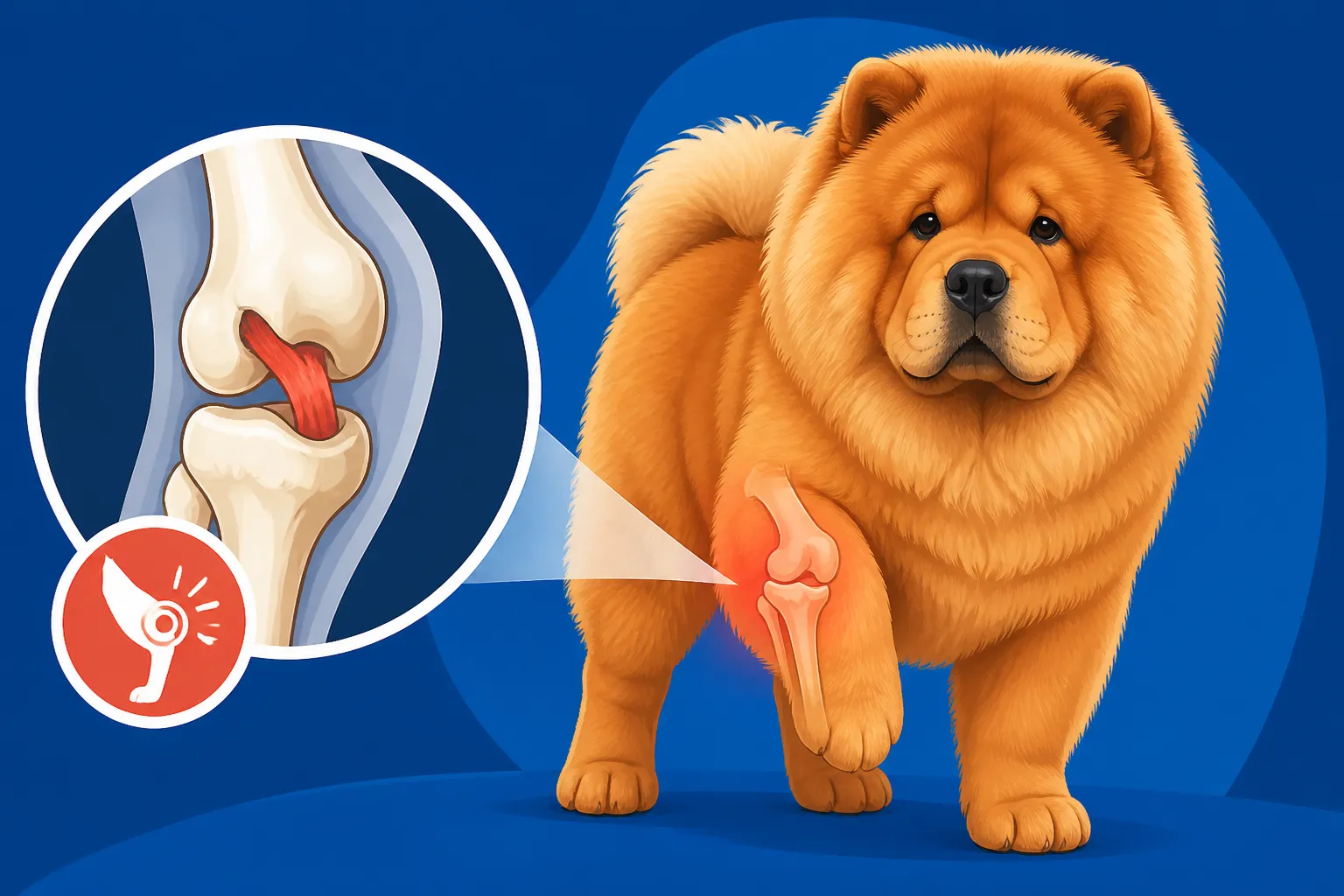
Imagine two strong bands of tissue deep within your Chow Chow's knee joint, crossing over each other like an 'X'. These are the cranial (or anterior) cruciate ligaments. Their job is absolutely vital: they connect the femur (thigh bone) to the tibia (shin bone), stabilizing the knee joint and preventing the tibia from sliding forward relative to the femur. They also limit rotation and overextension of the knee. Without them functioning correctly, the knee becomes unstable, leading to pain and significant lameness.
When we talk about a "cruciate tear," it often refers to a rupture or tear of the cranial cruciate ligament (CCL). This isn't always a sudden, traumatic event like a human tearing an ACL during sports. For many dogs, especially larger breeds, it's often a degenerative process. The ligament weakens over time due to chronic stress or inflammation, eventually leading to a partial or complete tear. This slow weakening can make the initial signs subtle and easily missed, adding to the frustration of owners trying to pinpoint the problem.
This ligament is one of the most critical structures for maintaining knee stability. If it's compromised, even partially, the knee joint experiences abnormal movement, which then leads to inflammation, pain, and the development of arthritis over time. The body tries to stabilize the joint by forming scar tissue, but this is rarely enough to provide proper long-term stability or alleviate discomfort, making intervention necessary to prevent further damage.
Why Chow Chows Are Prone to Cruciate Issues
Chow Chows, with their sturdy build and unique physical characteristics, have a higher incidence of cruciate ligament injuries compared to many other breeds. One contributing factor is their characteristic straight rear legs and a somewhat stilted gait. While this gives them their distinctive movement, it can put different biomechanical stresses on their knee joints over time. This conformation can predispose them to chronic strain on the cranial cruciate ligament, making it more vulnerable to gradual degeneration rather than just acute trauma. You might want to explore articles like Whether a Chow Chow's Straight Rear Leg Causes Problems or Why a Chow Chow Moves With a Stilted Gait to understand more about their unique leg structure.
Weight also plays a significant role. Even if your Chow Chow isn't clinically obese, carrying extra pounds puts immense pressure on all their joints, including their knees. This chronic overload accelerates the wear and tear on ligaments already prone to degeneration. Maintaining a healthy weight is paramount for these dogs, not just for cruciate health but for their overall well-being. Coupled with their naturally lower energy levels, which might lead to less consistent muscle support around the joints, this can create a perfect storm for cruciate problems.
Furthermore, genetics are believed to play a part in a dog's predisposition to cruciate ligament disease. While specific genes haven't been definitively isolated for Chow Chows, a familial component is recognized in many breeds prone to these injuries. This means that if your Chow Chow comes from lines with a history of cruciate tears, they might be at an increased risk. This is why choosing a responsible breeder who prioritizes genetic health screening can be so important, even though there isn't a direct genetic test for CCL disease.
Recognizing the Signs of a Cruciate Tear
One of the biggest challenges for Chow Chow owners is that these dogs are incredibly stoic. They are known for hiding pain and discomfort, which can make it hard to spot problems early on. It's not uncommon for a Chow Chow to minimize limping or avoid showing outright distress, leading owners to believe the issue is less severe than it is, or even to miss it entirely for a period. This natural tendency to hide discomfort means you need to be extra vigilant and pay close attention to subtle behavioral shifts. An article on How a Chow Chow Hides Pain might be helpful in understanding this breed trait.
Subtle Early Warnings
Initially, a cruciate tear might manifest as something quite subtle, a change you might attribute to an aging dog or just a "bad day." You might notice your Chow Chow is just a little bit slower to get up from a resting position. Perhaps they hesitate before jumping into the car or onto the couch, activities they once performed with ease. They might not put full weight on a hind leg when standing, even if they aren't obviously limping, opting to "toe touch" or only lightly place the paw on the ground.
Another early indicator can be a slight shift in their gait. Instead of their usual sturdy walk, you might observe a subtle "hitch" or an almost imperceptible change in the rhythm of their steps, especially after rest. This might be more apparent after a period of inactivity, such as first waking up in the morning. They might also appear stiff, particularly in their hindquarters, or show a reluctance to engage in longer walks or play sessions they once enjoyed. These minor changes are easy to overlook, but they are crucial clues that something is amiss internally.
Sometimes, the only sign you might pick up on is behavioral. A Chow Chow in discomfort might become a bit more withdrawn, less enthusiastic about interactions, or even slightly irritable if their painful leg is accidentally bumped. They might seek out softer places to lie down, or shift their weight frequently when resting. Any persistent change in activity level or demeanor, no matter how minor, warrants a closer look, especially when dealing with a breed so adept at concealing pain.
Clearer Indicators of Injury
As a cruciate tear progresses or becomes more severe, the signs typically become much more pronounced and difficult to ignore. The most common and obvious symptom is a noticeable lameness in one of the hind legs. Your Chow Chow will likely hold the affected leg up completely, or at best, only put minimal weight on it, often referred to as "non-weight bearing" or a severe limp. This sudden onset of lameness usually signifies a complete rupture of the ligament.
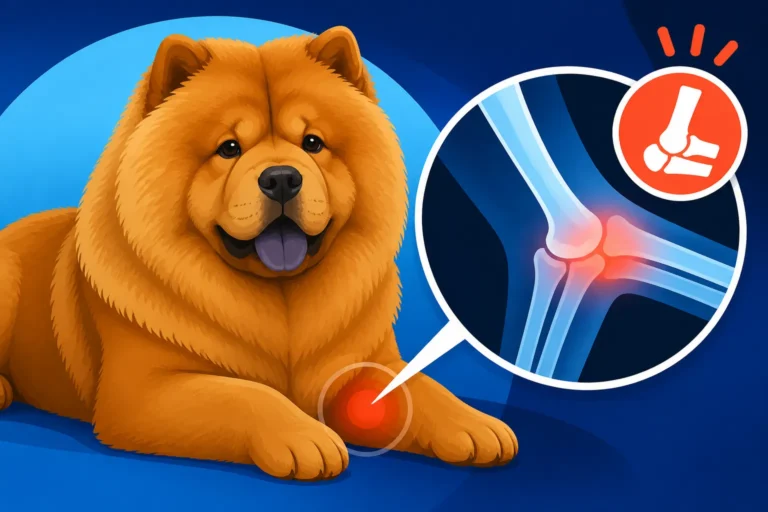
You might also notice swelling around the knee joint. If you gently feel the knee area, it might feel warmer to the touch than the unaffected leg. Some owners also report hearing a "clicking" sound when their dog walks, which can indicate damage to the menisci (cartilage pads) within the knee, often secondary to the cruciate ligament instability. This clicking is a serious sign that immediate veterinary attention is needed, as meniscal tears add to the pain and further compromise joint function.
Furthermore, a dog with a cruciate tear will often exhibit muscle atrophy, especially in the thigh of the affected leg. Because they aren't using the leg properly, the muscles will start to waste away, making the injured leg appear thinner than the healthy one. This muscle loss can become quite noticeable over weeks or months, signaling a chronic problem. If you notice any of these clearer indicators, it's absolutely vital to schedule an urgent vet appointment to get a proper diagnosis and start discussing treatment options, as prompt intervention can significantly improve the outcome.
Diagnosis and Treatment Options for Your Chow Chow
Once you've noticed concerning signs, the next step is a trip to the vet. This can be challenging with a Chow Chow, as they can be reserved and sometimes resistant to examination by strangers. You might find that Why a Chow Chow Is Hard to Examine at the Vet is a useful read beforehand. Be prepared to discuss your observations thoroughly with your veterinarian, as your insights into your dog's normal behavior are invaluable.
How Vets Diagnose Cruciate Tears
Diagnosing a cruciate ligament tear usually starts with a thorough physical examination by your veterinarian. They will observe your Chow Chow's gait, palpate the knee joint, and try to elicit specific diagnostic signs. The most definitive physical test is the "cranial drawer test" and the "tibial compression test." These tests involve manipulating the knee joint to feel for abnormal forward movement of the tibia relative to the femur, which indicates instability caused by a torn ligament. A skilled veterinarian can often detect even partial tears this way, though sometimes sedation is required for a Chow Chow to allow for a comprehensive and accurate assessment, given their temperament and dense musculature.
Beyond the physical exam, X-rays are often recommended. While X-rays don't show the ligament itself, they are crucial for assessing other aspects of the knee joint. They can reveal signs of inflammation, effusion (fluid buildup), and the presence of arthritis, which is an almost inevitable consequence of chronic knee instability. X-rays also help rule out other potential causes of lameness, such as fractures or tumors, and allow the vet to evaluate the overall bone structure and alignment, which can inform surgical planning.
In some cases, especially with partial tears or if the diagnosis remains ambiguous, more advanced imaging like an MRI or CT scan might be suggested, although these are less commonly used for routine cruciate diagnosis due to cost and availability. Ultimately, a combination of physical examination, patient history, and X-rays typically provides enough information for a definitive diagnosis. Your vet will then be able to explain the extent of the tear and discuss the most appropriate course of action for your particular Chow Chow.
Surgical Interventions: TPLO and TTA
For most Chow Chows with a complete or significant partial cruciate ligament tear, surgical intervention is generally recommended as the most effective long-term solution. Without surgery, the knee remains unstable, leading to progressive pain, lameness, and severe arthritis. There are several surgical techniques, but the two most common and successful for larger breeds like Chow Chows are the Tibial Plateau Leveling Osteotomy (TPLO) and the Tibial Tuberosity Advancement (TTA). Both procedures aim to stabilize the knee by changing its biomechanics, rather than trying to repair the damaged ligament itself.
The TPLO procedure involves making a curved cut in the top of the tibia (the tibial plateau) and rotating it to change the angle at which it meets the femur. A bone plate and screws are then used to secure the bone in its new position. The goal is to eliminate the "cranial tibial thrust," which is the abnormal forward motion of the tibia that occurs when the cruciate ligament is torn. By leveling the tibial plateau, the joint becomes stable without the need for an intact cruciate ligament. This is a very robust and widely successful procedure, allowing many dogs to return to full activity.
The TTA procedure also involves cutting the tibia, but in a different way. A cut is made along the front part of the tibia (the tibial tuberosity), and a titanium cage or wedge is inserted to advance this section forward. This changes the angle of the patellar ligament, neutralizing the forces that cause the tibia to shift forward when the cruciate ligament is torn. Similar to TPLO, it effectively stabilizes the knee joint by altering its geometry. Both TPLO and TTA are major surgeries, often performed by board-certified veterinary orthopedic surgeons, and success rates for both are very high, often above 90%, allowing your Chow Chow to regain comfortable function of the leg.
Non-Surgical Management and When It's Appropriate
While surgery is often the gold standard for treating cruciate tears in a Chow Chow, there are situations where non-surgical management might be considered. This approach is typically reserved for very small, sedentary dogs, or those with very minor, partial tears, and sometimes for dogs with severe underlying health conditions that make anesthesia and surgery too risky. However, it's important to be realistic about the outcomes for a dog of a Chow Chow's size and activity level. Without surgical stabilization, the knee will likely remain unstable, leading to chronic pain and debilitating arthritis.
Non-surgical management usually involves a multi-modal approach. Strict rest and activity restriction are paramount for several weeks, often accompanied by anti-inflammatory medications (NSAIDs) to manage pain and swelling. Physical rehabilitation exercises, sometimes guided by a certified canine rehab therapist, can help strengthen supporting muscles around the joint and improve range of motion. Joint supplements containing ingredients like glucosamine, chondroitin, and MSM are also commonly recommended to support joint health, although their direct impact on healing a torn ligament is limited.
Another component of conservative management can include the use of a custom knee brace. These braces are designed to provide external support to the unstable knee, mimicking the function of the torn ligament. While they can offer some temporary relief and support, they are generally not a permanent solution for larger, more active dogs like Chow Chows, and their effectiveness can vary significantly. For most Chow Chows with a significant tear, while these measures can provide some symptomatic relief, they typically do not resolve the underlying instability, meaning lameness and arthritis will likely progress. Discussion with your vet about all options, including the pros and cons, is crucial, especially considering the long-term implications for your dog's comfort and mobility.
Navigating Recovery and Long-Term Care
The road to recovery after a cruciate tear, especially if surgery is involved, is a marathon, not a sprint. It demands patience, dedication, and a consistent routine from you, the owner. Your Chow Chow, with their independent nature, might not always be the easiest patient, but your commitment to their rehabilitation will directly impact their long-term comfort and mobility. This period can also be financially challenging, so understanding the costs and potential insurance coverage is vital. You might recall discussing insurance options in topics like Whether Insurance Covers a Chow Chow's Entropion, and similar considerations apply here.
Post-Operative Rehabilitation and Support
After cruciate surgery, your Chow Chow will need a period of strict rest and activity restriction, typically for 6-8 weeks, followed by a gradual return to activity. This means no running, jumping, or roughhousing. Leash walks for potty breaks only, and often confined to a crate or small, non-slip area indoors, are crucial to allow the bone to heal and soft tissues to recover. Following your surgeon's specific instructions is paramount during this initial phase to prevent complications like implant failure or re-injury. Medication for pain management and antibiotics will also be prescribed.
Physical rehabilitation plays a critical role in optimizing recovery and is highly recommended. This often begins a few weeks post-surgery and can involve a range of therapies, including therapeutic exercises, hydrotherapy (underwater treadmill), massage, and passive range of motion exercises. A certified canine rehabilitation therapist can design a tailored program to strengthen the surrounding muscles, improve joint flexibility, and restore proprioception (awareness of body position). This structured approach not only accelerates healing but also helps prevent muscle atrophy and scar tissue formation, which can limit mobility.
The recovery process for a Chow Chow can be challenging, as their dense double coat can make monitoring surgical sites tricky, and their natural reserve might make handling difficult for strangers, including physical therapists. Consistency at home with prescribed exercises and careful monitoring for any signs of discomfort or complications is essential. This long-term commitment helps ensure your dog regains as much function as possible, reducing the risk of developing significant arthritis or injury to the other knee. Remember, many dogs who tear one cruciate ligament will eventually tear the other, so proactive care for both knees is important.
Living with a Chow Chow After a Cruciate Tear
Even after successful surgery and rehabilitation, caring for a Chow Chow who has experienced a cruciate tear involves ongoing management to maintain their comfort and mobility. The goal is to minimize the progression of arthritis, which is a common long-term consequence of knee injury, regardless of treatment. Regular, controlled exercise is key; short, frequent leash walks are better than sporadic, intense bursts of activity. Avoiding high-impact activities like jumping and aggressive play can help protect the surgically repaired knee and the healthy knee.
Weight management remains critical throughout your Chow Chow's life. Even a few extra pounds can put undue stress on their joints, accelerating arthritis and increasing the risk of injury to the other leg. Work with your veterinarian to establish an ideal body weight and appropriate diet. Dietary supplements, such as glucosamine, chondroitin, omega-3 fatty acids, and green-lipped mussel, can be beneficial in supporting joint health and reducing inflammation, though their efficacy varies and should be discussed with your vet. Consider what you learned about The Age a Chow Chow Gets Arthritis to preemptively manage joint health.
Routine veterinary check-ups, typically every six to twelve months, are important to monitor joint health, assess for signs of arthritis, and adjust pain management strategies if needed. Your vet might recommend periodic X-rays to track the progression of arthritis. Additionally, exploring options like pet insurance can provide peace of mind for potential future veterinary expenses. Companies like Healthy Paws offer comprehensive pet insurance plans that, if enrolled prior to any signs of illness or injury, can help cover the costs of diagnostics, surgery, physical therapy, and medications related to cruciate tears and other orthopedic conditions, making the financial burden more manageable for dedicated owners.
Estimated Costs for Cruciate Tear Treatment
Understanding the financial implications of a cruciate tear is a significant part of preparing for treatment and recovery. The costs can vary widely depending on several factors, including your geographic location, the specific veterinary clinic, the surgeon's expertise, the type of surgery performed, and the extent of post-operative care and rehabilitation required. It's not a small investment, but it's one that many owners consider vital for their Chow Chow's quality of life.
| Treatment Phase | Estimated Cost Range (USD) | Notes |
|---|---|---|
| Initial Vet Exam/Diagnosis | $100 – $500 | Includes physical exam, palpation, X-rays. Sedation for X-rays or thorough exam for a stoic Chow Chow might increase cost. |
| Surgery (TPLO/TTA) | $3,000 – $7,000+ | This is the major expense. Includes surgeon's fees, anesthesia, surgical supplies, hospitalization, and initial post-op medications. Prices fluctuate greatly by region and clinic reputation. |
| Post-Op Medications | $50 – $200 per month | Pain relievers, anti-inflammatories, antibiotics. Can last several weeks to months. |
| Physical Rehabilitation | $50 – $150 per session | Highly recommended. Can involve 10-20+ sessions over several months. Often a package deal is available. Hydrotherapy, therapeutic exercises, laser therapy. |
| Joint Supplements | $20 – $60 per month | Ongoing expense for long-term joint health support. |
| Follow-up Vet Visits | $50 – $200 | Several follow-up appointments, often with repeat X-rays to monitor healing (e.g., 8-week post-op X-rays). |
| Total (Estimated) | $3,500 – $10,000+ | This range is a general estimate and can be significantly higher with complications or extensive rehab. Consider the similar scale to What Elbow Surgery Costs on a Chow Chow to put this into perspective. |
These costs can be a significant burden, and it's where pet insurance truly shines. If you have a plan like those offered by Healthy Paws, and your Chow Chow was enrolled before the injury occurred (pre-existing conditions are typically excluded), a substantial portion of these veterinary bills can be reimbursed. This can make the difference between being able to afford the best possible care for your beloved companion and having to make difficult choices based on finances alone. Always review policy details carefully to understand coverage, deductibles, and reimbursement rates.
Disclaimer
The information provided in this article is for general informational purposes only and is not intended as a substitute for professional veterinary advice, diagnosis, or treatment. Always seek the advice of your veterinarian or other qualified animal health provider with any questions you may have regarding a medical condition or treatment plan for your Chow Chow.