Whether a Chow Chow Puppy Should Climb Stairs
It’s such a common sight, isn’t it? That adorable, fluffy Chow Chow puppy, all wobbly legs and boundless curiosity, eyeing the stairs like they're the ultimate mountain to conquer. But before you let them tackle that Everest, you might be wrestling with a nagging concern: is it really safe for them? Many new Chow Chow owners understandably worry about their puppy's developing body, and this comprehensive guide is here to help you navigate the stairs dilemma, focusing on your Chow Chow's unique needs and long-term joint health.
The Developing Chow Chow Puppy Skeleton
Bringing a Chow Chow puppy home means embarking on a journey with a breed known for its distinctive appearance and sometimes, its predisposition to certain musculoskeletal issues. Understanding how your puppy's skeleton grows is fundamental to making wise choices about their physical activities, especially during those crucial first months. Their bones, joints, and ligaments are still incredibly vulnerable, and excessive strain can have lasting consequences.
Understanding Growth Plates and Joint Development
Puppies aren't just miniature adult dogs; their skeletons are still very much a work in progress. Throughout their long bones – those in their legs – they have areas of soft, growing cartilage known as growth plates. These plates are responsible for elongating the bones, gradually hardening and fusing together to become solid bone by the time the puppy reaches maturity, typically between 12 and 18 months for a medium to large breed like the Chow Chow. Until these growth plates close, they are the weakest points in the bone structure, far more susceptible to injury than the surrounding bone or ligaments.
For a Chow Chow, this period of vulnerability is particularly critical because the breed already carries a genetic predisposition to certain joint conditions. For instance, Elbow Dysplasia Ranks the Chow Chow Near the Top among breeds prone to this painful condition. Activities that put repeated stress or high impact on these delicate growth plates can disrupt their normal development. This disruption can lead to abnormal bone formation, contributing to conditions like elbow or hip dysplasia, or even causing painful fractures at the growth plate itself. Even seemingly minor trauma can have a significant impact on how these joints form over time, setting the stage for discomfort and arthritis down the line.
Why a Chow Chow's Unique Anatomy Matters
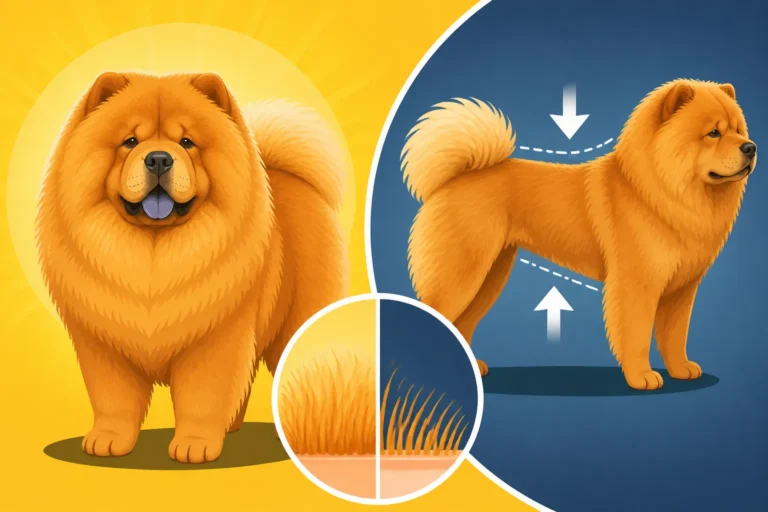
The Chow Chow's physical structure, while beautiful and iconic, also presents specific considerations for their joint health. One of the breed's hallmark features is its relatively straight rear leg, often described as having a "stilted gait." Unlike many other breeds that have a more angled hock joint, allowing for greater spring and shock absorption, the Chow Chow's straighter stifle and hock joints mean they don't have the same natural shock-absorbing capacity.
When a dog with a straight rear moves, especially up or down stairs, the impact on their joints, particularly the hips, knees, and ankles, can be much more direct and jarring. This lack of natural cushioning means that repetitive stress, such as that caused by bounding up and down stairs, transfers more force directly through their developing joint structures. This makes the Chow Chow puppy's joints more vulnerable to micro-trauma and inflammation. It's not just about slips and falls; it's about the cumulative wear and tear on an anatomical structure that is already designed with less inherent shock absorption. Understanding Why a Chow Chow Moves With a Stilted Gait helps clarify why stairs pose a particular challenge for them.
The Risks of Early Stair Climbing for Chow Chows
It’s tempting to let your curious Chow Chow puppy explore every nook and cranny of your home, and stairs often seem like a natural part of that exploration. However, allowing a young Chow Chow puppy to climb stairs unsupervised or too frequently can introduce significant risks that could affect their health and comfort for years to come. These aren't just minor concerns; they can lead to debilitating conditions that require extensive medical intervention.
Impact on Vulnerable Joints
As we've discussed, a Chow Chow puppy's growth plates are still open, and their joints are incredibly pliable. Every time they ascend or descend a staircase, especially with speed or exuberance, their body is subjected to significant impact. Going up stairs requires powerful propulsion from the rear legs, pushing directly through the hip and knee joints, while coming down creates jarring impacts on the shoulders, elbows, and front paws as they absorb the shock. For a breed already genetically predisposed to conditions like elbow dysplasia (What Elbow Dysplasia Does to a Chow Chow) or hip dysplasia (Hip Dysplasia in a Chow Chow), this repeated stress can be a catalyst for problems.
Imagine a toddler repeatedly jumping off a tall step – their bones and joints aren't ready for that kind of force. It's similar for a Chow Chow puppy. The micro-trauma accumulated from repeated stair climbing can damage the soft cartilage in the joints, interfere with proper bone formation, and contribute to the development or worsening of developmental orthopedic diseases. This isn't about avoiding all movement, but about intelligent, controlled exercise that supports healthy development rather than hindering it.
Increased Risk of Injury
Beyond the long-term developmental concerns, there’s an immediate, practical risk: injury. Chow Chow puppies, like all puppies, are still developing their coordination, balance, and proprioception (awareness of their body in space). Their adorable clumsiness, combined with potentially slick stair surfaces or steep angles, makes them highly prone to slips, stumbles, and falls.
A tumble down a flight of stairs can result in anything from minor scrapes and bruises to more serious injuries like sprains, muscle strains, torn ligaments, or even fractures. Given their dense coat and stoic nature, a Chow Chow might not always vocally express pain immediately, making it harder for owners to assess the severity of an injury. The recovery from such an injury can be prolonged, costly, and distressing for both the puppy and the owner. Even if they don't fall, awkwardly navigating stairs can lead to acute pain or fear, making future encounters with stairs a source of anxiety.
Long-Term Consequences
The cumulative effect of unchecked stair climbing during puppyhood can manifest as chronic pain and mobility issues later in life. Joints that have suffered developmental damage or repetitive trauma are far more likely to experience premature arthritis. What might seem like a minor limp or stiffness in a young dog can progress into significant discomfort as they age.
Arthritis in dogs, much like in humans, is a degenerative condition where the protective cartilage within joints wears down, leading to bone-on-bone friction, inflammation, and pain. It can drastically reduce a dog's quality of life, limiting their ability to play, walk, and even lie down comfortably. Early joint stress can mean that The Age a Chow Chow Gets Arthritis might be much younger than average. While pet insurance providers like Healthy Paws are excellent for covering unexpected illnesses and accidents, preventative measures during puppyhood are always the best strategy to minimize the chances of needing such interventions for chronic conditions later on. Investing in careful management now can save your Chow Chow from a lifetime of discomfort and you from significant veterinary bills.
Practical Strategies to Manage Stairs
So, if letting your Chow Chow puppy freely navigate stairs is off the table, what can you do? The good news is there are several straightforward and effective strategies to keep your fluffy companion safe while they're still growing and developing. These methods not only protect their vulnerable joints but also help instill good habits and build trust.
Baby Gates and Restricted Access
The simplest and often most effective solution to prevent unsupervised stair climbing is to block access altogether. Installing sturdy baby gates at the top and bottom of your staircases creates a clear, safe boundary. Look for pressure-mounted gates if you prefer not to drill into walls, but ensure they are robust enough that your determined Chow Chow puppy can't push them over or slip underneath. Taller gates might be necessary as your puppy grows and becomes more adventurous.
By using gates, you eliminate the temptation and opportunity for your puppy to attempt the stairs, removing the risk entirely. This strategy is particularly vital during the crucial period when their growth plates are still open, which typically lasts until around 12 to 18 months of age. You can find more information about When a Chow Chow's Growth Plates Close to help guide your decision on when, if ever, to introduce stairs gradually. This period of restriction allows their musculoskeletal system to develop and mature without the added strain of stair traversal.
Carrying Your Puppy Safely
For times when your Chow Chow puppy needs to go up or down stairs (e.g., to access a different floor for sleeping or potty breaks), the safest approach is to carry them. This might seem obvious, but there's a right way to do it to ensure both your safety and theirs. When carrying a Chow Chow puppy, always support their entire body. Place one hand under their chest and front legs, and the other under their hindquarters, ensuring their spine and belly are well-supported.
Avoid letting their legs dangle or picking them up in a way that puts pressure on their abdomen or spine. As your puppy grows, they will quickly become heavier and larger, making carrying more challenging. For adult Chows or older puppies, this might become impractical, highlighting why preventative training and management from a young age are so important. Always use proper lifting techniques to protect your back as well, especially with a breed that can reach a substantial weight.
Gradual Introduction and Training
Once your Chow Chow puppy is older – generally well past 12 months, and ideally closer to 18 months, or once confirmed by your vet that their growth plates have closed – and shows no signs of existing joint issues, you might consider a very gradual and controlled introduction to stairs. This is not about letting them bound freely but teaching them to navigate stairs slowly and deliberately.
Start with just a few steps, on leash, with plenty of positive reinforcement. Teach them to go one step at a time, discouraging jumping or running. Use treats and praise to encourage slow, controlled movements, both up and down. Focus on building confidence and strength, rather than speed. Some owners even teach their dogs to back down stairs to reduce the impact on front limbs. The goal is to minimize repetitive stress and ensure they move carefully. If you notice any limping, stiffness, or hesitation, stop immediately and consult your veterinarian. Remember, the primary goal is joint preservation, not stair mastery. You might find similar advice for Why a Chow Chow Puppy Should Grow Slowly as it relates to overall joint health.
When to Consult Your Veterinarian
Even with the best preventative care, every Chow Chow owner should be vigilant about their puppy's health. Their unique anatomy and genetic predispositions mean that regular check-ups and prompt attention to any concerns are paramount. Your veterinarian is your most valuable partner in ensuring your Chow Chow lives a long, comfortable life.
Signs of Joint Discomfort or Pain
Chow Chows are known for their somewhat stoic nature, which can sometimes make it harder to detect pain or discomfort. They might not vocalize or limp dramatically, especially in the early stages of a problem. Therefore, it's crucial to observe subtle behavioral and physical changes.
Look for signs such as:
- Reluctance to move: Hesitation to jump, run, or climb (even small steps).
- Stiffness: Especially after rest or waking up. You might notice them having trouble getting up or moving slowly for the first few minutes.
- Changes in gait: A more pronounced "stilted" walk, an uneven stride, or favoring one leg.
- Changes in activity level: Playing less, showing reduced enthusiasm for walks, or sleeping more.
- Licking or chewing at joints: Obsessively grooming a particular area.
- Sensitivity to touch: Flinching or growling when a specific joint is touched.
- Irritability or changes in temperament: Pain can make even the calmest dog grumpy.
- Muscle loss: A noticeable decrease in muscle mass in one or more limbs.
If you observe any of these symptoms, even if they seem minor, don't hesitate to contact your vet. Early diagnosis and intervention can make a significant difference in managing conditions and preserving your Chow Chow's quality of life. Understanding What Elbow Dysplasia Does to a Chow Chow can help you recognize symptoms more readily.
Discussing Preventative Care
Your veterinarian can offer tailored advice for your Chow Chow puppy's specific needs, including recommendations for diet, exercise, and preventative supplements. Nutrition plays a vital role in joint development, and your vet can advise on appropriate large-breed puppy foods that support slow, steady growth without putting excess strain on joints. They might also suggest omega-3 fatty acids or other joint-supportive supplements, though these should always be used under veterinary guidance.
During wellness exams, your vet can also assess your puppy's gait and palpate their joints to check for any early signs of issues. They can discuss appropriate exercise routines that build muscle without overstressing developing joints, and advise you on when, if ever, it might be safe for your individual Chow Chow to tackle stairs. Given the Chow Chow's propensity for joint issues, it's also a smart idea to discuss pet insurance options early on. Companies like Healthy Paws offer various plans that can help alleviate the financial burden if your Chow Chow does develop conditions like elbow or hip dysplasia. Getting coverage before symptoms appear is crucial, as most policies consider pre-existing conditions. Proactive discussions about your Chow Chow's health, including their Which Health Tests a Chow Chow Breeder Should Run, are key to a healthy future.
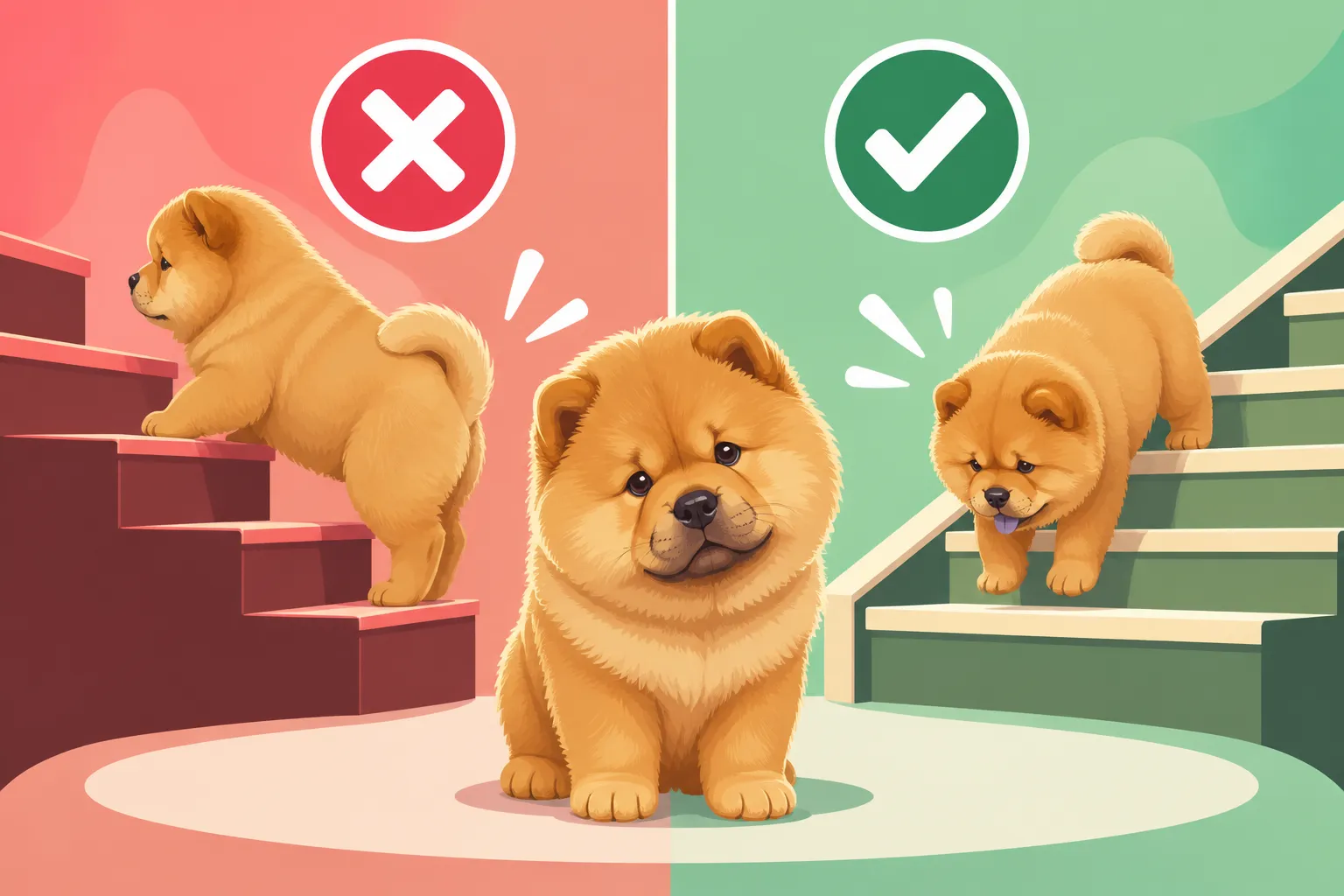
Dos and Don'ts of Chow Chow Puppy Stair Climbing
Here’s a quick overview of what you should and shouldn't do when it comes to your Chow Chow puppy and stairs, emphasizing safety and long-term health.
| Aspect | Do | Don't |
|---|---|---|
| Access | Install sturdy baby gates at top and bottom of stairs. | Allow unsupervised access to stairs, especially for young puppies. |
| Movement | Carry your puppy up and down stairs, supporting their whole body. | Let your puppy jump, run, or bound up/down stairs. |
| Age | Wait until at least 12-18 months (or vet's clearance) for training. | Introduce stair climbing before growth plates have closed. |
| Training | Gradually introduce stairs with positive reinforcement, one step at a time. | Force or rush your puppy through stair training. |
| Observation | Monitor for any signs of discomfort, limping, or stiffness. | Ignore subtle signs of pain or assume they'll "grow out of it." |
| Environment | Consider non-slip treads on stairs if training an older dog. | Allow slick surfaces on stairs that increase fall risk. |
| Veterinary Care | Discuss joint health and preventative care with your vet regularly. | Neglect regular vet check-ups or dismiss concerns about joint development. |
Disclaimer
The information provided in this article is for general informational purposes only and is not a substitute for professional veterinary advice. Always consult with a qualified veterinarian for any health concerns or before making any decisions about your pet's health or treatment plan.