When a Chow Chow Puppy Needs Kidney Bloodwork
It’s every Chow Chow owner’s worst nightmare: seeing your beloved puppy, full of life and playful energy, suddenly show signs of something seriously wrong. When it comes to something as vital as kidney health, the worry can be overwhelming, especially when you know certain breeds, including our Chows, can be prone to specific genetic conditions. This guide aims to help you understand when and why a Chow Chow puppy might need kidney bloodwork, helping you navigate those early, critical stages with confidence and knowledge.
Understanding Kidney Health in Chow Chow Puppies
For many Chow Chow owners, the idea of kidney issues in a young puppy might seem distant, something reserved for older dogs. However, our beautiful, stoic Chows have a particular genetic predisposition that makes early vigilance incredibly important: Familial Renal Dysplasia. This isn't just a generic kidney problem; it's a condition that can manifest early in life and needs specific attention.
The Chow Chow's Predisposition to Kidney Issues
When we talk about kidney problems in young Chow Chows, the conversation almost always turns to Familial Renal Dysplasia (FRD). This isn't just a random ailment; it's a hereditary condition, meaning it’s passed down through generations. Imagine the heartbreak of bringing home a fluffy, adorable Chow Chow puppy, only to find out months later that their kidneys are failing due to something completely preventable through responsible breeding. It’s a harsh reality that some owners face, making understanding this predisposition crucial. Unlike other kidney diseases that might develop later in life due to infection or aging, FRD is a developmental defect where the kidneys simply don't form correctly. This means the damage is present from birth, even if the symptoms don't show up right away. This genetic flaw makes the structure of the kidney abnormal, preventing it from filtering waste effectively.
How Renal Dysplasia Shrinks a Chow Chow's Kidneys
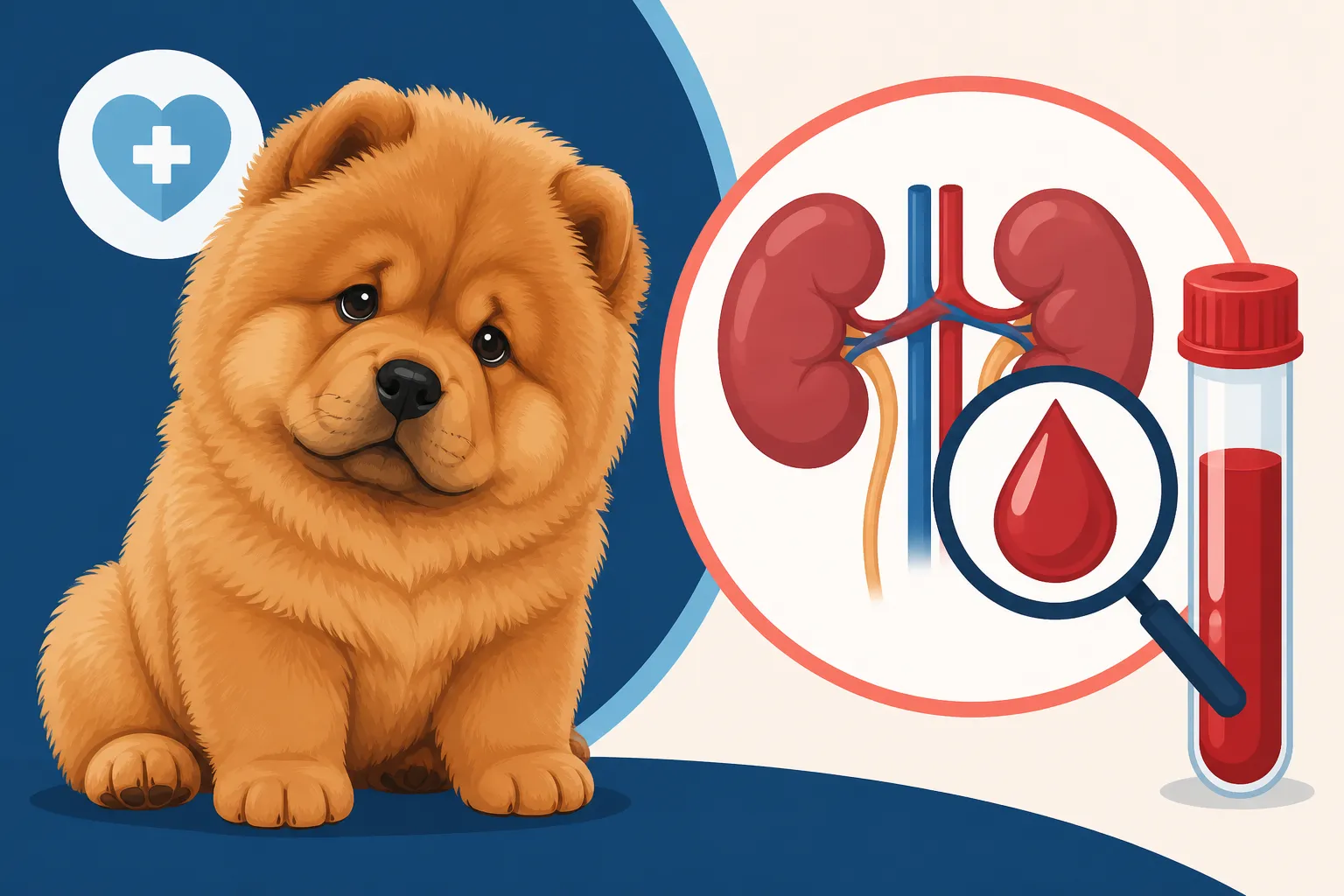
With Familial Renal Dysplasia, the kidneys don't just malfunction; they often fail to develop to their proper size and structure. Imagine vital organs that are supposed to be robust and efficient, instead appearing small, scarred, and underdeveloped. This is what can happen with FRD. The specialized filtering units within the kidney, called nephrons, are either too few in number or are improperly formed, leading to a progressive loss of kidney function. Over time, as these malformed kidneys struggle to do their job, they become even smaller and more fibrotic (scarred). This shrinking, often referred to as atrophy, is a hallmark of the disease. It means there’s less healthy tissue to do the crucial work of filtering toxins from the blood, regulating blood pressure, and producing hormones. This is why when you hear about What Renal Dysplasia Does to a Chow Chow Puppy, it's such a serious concern. The structural integrity is compromised from day one, leading to an inevitable decline if not managed or caught early.
Early Signs of Kidney Trouble in Puppies
Catching kidney issues early in a Chow Chow puppy is challenging because puppies are masters at hiding discomfort, and the symptoms can be incredibly subtle or easily mistaken for other puppy-related quirks. You might notice your puppy seems a bit "off," but attribute it to growth spurts, a change in diet, or just being a sleepy puppy. However, specific signs warrant immediate attention. One of the most common early indicators is increased thirst and urination. If you notice your puppy is constantly seeking out water or suddenly having more accidents in the house, even after being reliably housetrained, it could be a red flag. This excessive drinking is often a compensatory mechanism as their kidneys struggle to concentrate urine, leading to frequent and dilute urination. For more on this, you might find information on Signs a Chow Chow Puppy Is Drinking Too Much helpful. Other subtle signs include a decreased appetite, lethargy that goes beyond normal puppy naps, or even a dullness to their usually vibrant coat. Vomiting and weight loss are more advanced signs, but if they appear in a young puppy, it's a serious emergency. Don't wait; contact your vet immediately if you observe any of these symptoms.
The Importance of Proactive Testing
Given the Chow Chow's genetic susceptibility to conditions like Familial Renal Dysplasia, being proactive with health screenings is not just advisable, it's essential for responsible pet ownership. Waiting for obvious symptoms to appear often means the disease has already progressed significantly, making treatment more challenging.
Standard Puppy Vet Visits and Initial Screenings
During those crucial first few months, your Chow Chow puppy will have several vet visits for vaccinations, deworming, and general health checks. These visits are invaluable opportunities for your veterinarian to establish a baseline of health and catch any early concerns. During these routine check-ups, your vet will likely perform a physical examination, checking your puppy's hydration, palpating their abdomen, and listening to their heart and lungs.
While comprehensive kidney bloodwork isn't always part of every standard puppy vaccination protocol, a routine urinalysis (urine test) is often recommended. This simple test can provide an early snapshot of kidney function by assessing urine concentration, presence of protein, glucose, or abnormal cells. A puppy constantly producing very dilute urine, for instance, might signal kidneys struggling to conserve water, which could be an early indicator of a problem. It's a non-invasive way to get some initial insights, and definitely something to discuss with your vet during your puppy's early appointments. Asking your vet about When a Chow Chow Puppy Needs Kidney Bloodwork specifically for your puppy's situation is always a good idea, especially if you have concerns.
When to Consider Specific Kidney Bloodwork
Beyond routine check-ups and urinalysis, there are specific situations where targeted kidney bloodwork becomes highly recommended for a Chow Chow puppy. The most significant factor is knowing the puppy's familial history. If you've acquired your puppy from a reputable breeder, they should be transparent about the health of the parents and any history of Familial Renal Dysplasia in the lineage. A breeder who proudly shares Which Health Tests a Chow Chow Breeder Should Run and can provide proof of negative results from kidney screening in the parent dogs offers a huge advantage. If there's any known history of FRD in the pedigree, even distant relatives, then specific kidney bloodwork should be performed much earlier as a precautionary measure.
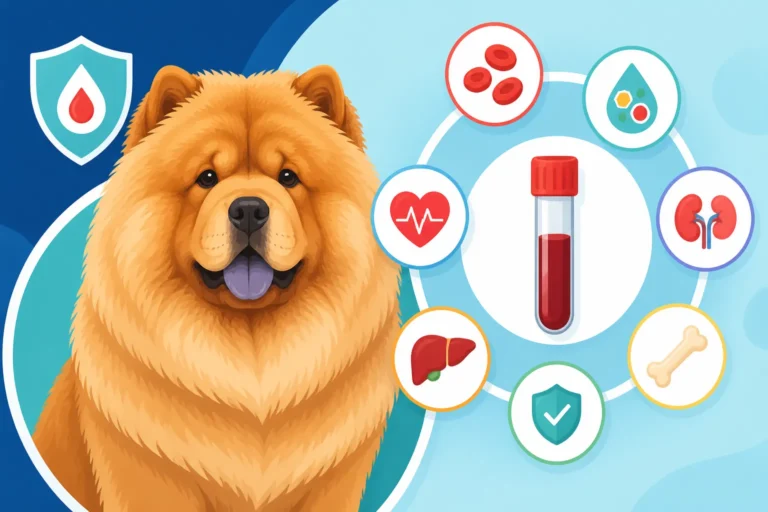
Secondly, if your puppy exhibits any of the subtle signs mentioned earlier – excessive thirst, increased urination, poor appetite, or lethargy – specific kidney bloodwork should be pursued without delay. These are not symptoms to ignore. Your veterinarian will likely recommend a comprehensive blood panel that includes kidney values like Blood Urea Nitrogen (BUN) and Creatinine, along with a Symmetric Dimethylarginine (SDMA) test. SDMA is a more sensitive marker for early kidney disease and can detect issues even before BUN and Creatinine levels rise significantly, sometimes identifying problems when as little as 25% of kidney function has been lost. If your puppy seems unwell, these tests are critical for an accurate diagnosis.
The Role of Urine Analysis Alongside Bloodwork
It’s crucial to understand that kidney bloodwork and urinalysis are not interchangeable; they are complementary tools that provide different, yet equally vital, pieces of the puzzle when assessing kidney health. Bloodwork, as we've discussed, gives us a picture of what toxins are building up in the blood, reflecting how well the kidneys are filtering. However, urinalysis tells us about the kidneys' ability to concentrate urine and whether there are abnormal components being excreted.
For instance, a urine specific gravity (USG) reading, which is part of a urinalysis, indicates how concentrated or dilute your puppy’s urine is. A consistently low USG suggests the kidneys aren't effectively reabsorbing water, a common sign of kidney dysfunction, even if blood values like BUN and Creatinine are still within normal range. Additionally, urinalysis can detect proteinuria (protein in the urine), which can be an early indicator of kidney damage, or even the presence of blood, bacteria, or crystals. Therefore, if your vet recommends kidney bloodwork, they will almost certainly ask for a fresh urine sample as well. Together, these tests provide the most comprehensive assessment of your Chow Chow puppy's kidney function, allowing for a more accurate diagnosis and a better understanding of the severity of any potential issue.
Deciphering Kidney Bloodwork Results
Receiving bloodwork results for your beloved Chow Chow puppy can be daunting, especially when unfamiliar medical terms are involved. Understanding what your veterinarian is looking for and what those numbers mean is key to managing any potential kidney health concerns effectively.
Key Markers to Look For
When your veterinarian runs kidney bloodwork on your Chow Chow puppy, they will be focusing on several key markers. The primary ones you'll hear about are Blood Urea Nitrogen (BUN) and Creatinine. These are waste products that healthy kidneys filter out of the blood. If these levels are elevated, it usually means the kidneys aren't doing their job efficiently, allowing these toxins to build up. However, it's important to remember that BUN can also be affected by hydration levels and diet, so it's rarely looked at in isolation.
A more recent and incredibly valuable marker is Symmetric Dimethylarginine (SDMA). This test is a game-changer because it can detect kidney disease much earlier than BUN and Creatinine. While BUN and Creatinine often don't show significant elevation until about 75% of kidney function is lost, SDMA can pick up a decline when only around 25% of kidney function is compromised. This early detection is particularly critical for conditions like Familial Renal Dysplasia in Chow Chows, where early intervention can make a significant difference. Your vet might also look at phosphorus levels, as impaired kidneys can struggle to regulate this mineral, leading to elevated levels. Understanding these markers helps paint a clearer picture of your puppy's kidney health.
Interpreting Abnormal Results in Young Puppies
Finding abnormal kidney bloodwork results in a young Chow Chow puppy can be incredibly alarming, but it's important to approach the interpretation with your vet carefully. Sometimes, slightly elevated BUN or Creatinine in a puppy can be influenced by factors other than kidney disease, such as dehydration, a high-protein diet, or even certain medications. However, with the Chow Chow's known genetic predisposition to Familial Renal Dysplasia, an abnormal result – especially an elevated SDMA or persistent abnormalities in urinalysis – should always be taken very seriously.
If initial results are concerning, your vet will likely recommend follow-up tests to confirm. This might include retesting the bloodwork, performing repeat urinalyses, or even suggesting more advanced diagnostics such as abdominal ultrasound to visualize the kidneys directly. An ultrasound can reveal if the kidneys are unusually small, misshapen, or have an abnormal internal structure, providing strong evidence for FRD. Remember, a single abnormal test result doesn't always mean a definitive diagnosis of end-stage kidney failure, but it absolutely warrants a thorough investigation. Early detection is about giving your puppy the best possible chance at a good quality of life. For information regarding genetic tests, you might want to look at Whether Renal Dysplasia Has a DNA Test and discuss this with your vet.
Follow-Up and Management Strategies
Once kidney issues are identified in a Chow Chow puppy, the focus immediately shifts to follow-up and management. The specific strategies will depend heavily on the severity of the condition and the puppy's overall health. For puppies with confirmed Familial Renal Dysplasia, the goal is often to slow the progression of the disease and manage symptoms, as there is currently no cure for FRD itself. This typically involves a multi-faceted approach.
Dietary management is paramount. Your vet will likely recommend a prescription renal diet, which is specially formulated with controlled protein levels, reduced phosphorus, and often supplemented with omega-3 fatty acids and antioxidants. These diets help reduce the workload on the kidneys and minimize the buildup of harmful waste products. Medications may also be prescribed to control blood pressure, manage phosphorus levels, or address any secondary issues like nausea or anemia. Regular monitoring of kidney bloodwork and urinalysis will become a routine part of your puppy’s life, often every few months, to track the disease's progression and adjust treatments as needed. Supporting overall health, keeping your puppy well-hydrated, and minimizing stress are also crucial. Having pet insurance, like a plan from Healthy Paws, can significantly ease the financial burden of ongoing treatments and specialized diets, allowing you to focus on your puppy's well-being.
Long-Term Management and Prevention
Living with a Chow Chow puppy diagnosed with kidney issues, or even simply being aware of the breed's predisposition, means understanding that long-term commitment to their health and well-being is essential. It's about proactive care, thoughtful dietary choices, and supporting your furry companion through every stage.
Dietary Considerations for Kidney Health
Diet plays a colossal role in managing kidney health, whether your Chow Chow puppy has been diagnosed with a condition or you're simply aiming for preventative care given the breed's tendencies. For puppies diagnosed with Familial Renal Dysplasia or other kidney diseases, your veterinarian will almost certainly prescribe a specialized renal diet. These diets are specifically formulated to reduce the burden on the kidneys. They typically feature carefully controlled levels of high-quality protein, which minimizes the production of nitrogenous waste products that failing kidneys struggle to filter. They also have restricted phosphorus levels, as excessive phosphorus can further damage kidneys and lead to other health complications. Furthermore, many renal diets are enriched with beneficial omega-3 fatty acids, which have anti-inflammatory properties that can help protect kidney tissue, and often contain antioxidants to combat cellular damage.
For Chow Chows without a diagnosed kidney condition, maintaining a balanced, high-quality diet appropriate for their life stage is important. While not as restrictive as a renal diet, choosing reputable brands with moderate protein and phosphorus levels is a wise choice. Always ensure fresh water is available to encourage good hydration, which is fundamental for kidney function. Avoid feeding excessive treats, especially those high in phosphorus like some dairy products or certain meat-based snacks, without consulting your vet.
Supporting a Chow Chow with Diagnosed Kidney Issues
Supporting a Chow Chow puppy with diagnosed kidney issues involves a comprehensive approach that extends beyond just diet. It's about providing a comfortable, low-stress environment and diligent monitoring. Regular veterinary check-ups are non-negotiable, often scheduled every few months, to monitor blood and urine parameters. Your vet may also recommend blood pressure checks, as hypertension is a common complication of kidney disease. Adhering strictly to any prescribed medications, whether for blood pressure, phosphorus binders, or anti-nausea, is vital.
Hydration is key. Always ensure multiple fresh water sources are available. Some owners even add a little water to their puppy's food to increase fluid intake. Creating a consistent routine, with regular potty breaks, helps manage increased urination. It's also critical to observe your puppy closely for any changes in appetite, energy levels, or behavior, and report them to your vet promptly. Early detection of worsening symptoms can lead to quicker adjustments in treatment, which can be critical for slowing disease progression. Pet insurance, like that offered by Healthy Paws, can be an invaluable resource, covering a significant portion of the ongoing vet visits, specialized foods, and medications needed for a chronically ill puppy. It allows you to make decisions based on what’s best for your Chow Chow without being solely driven by cost.
The Breeder's Role in Preventing Renal Dysplasia
The role of a responsible breeder in preventing hereditary conditions like Familial Renal Dysplasia in Chow Chows cannot be overstated. It is, in fact, the first and most critical line of defense for future generations of these wonderful dogs. A truly ethical breeder will be intimately familiar with the health history of their breeding lines. This means knowing if FRD has appeared in any ancestors, and taking proactive steps to avoid passing it on.
Responsible breeders will engage in thorough health testing of their breeding dogs before they are ever bred. While there isn't a universally accepted DNA test for FRD that flags all potential carriers with 100% certainty (unlike some other genetic diseases), responsible breeders should still be testing the kidney function of their breeding stock. This involves regular urinalysis and comprehensive blood panels, including SDMA, to ensure the parents have healthy, fully functional kidneys. Transparency is also a hallmark of a good breeder. They should be willing to share all health clearances for the parents, including any kidney screening results, and discuss the health history of their lines openly. If a breeder avoids questions about health testing or downplays concerns about genetic diseases, it’s a significant red flag. By choosing a breeder who meticulously screens their dogs and prioritizes health, you are not only getting a healthier puppy but also supporting the long-term well-being of the entire Chow Chow breed. This due diligence can prevent heartbreaking situations later on. For further information, you might look into What a Chow Chow Breeder Should Have Tested.
Understanding Kidney Markers
To help you better understand the bloodwork results your vet might discuss, here's a quick reference for the key kidney markers:
| Marker | What It Measures | What Elevated Levels Can Indicate | Why It's Important for Chow Chows |
|---|---|---|---|
| Blood Urea Nitrogen (BUN) | Waste product from protein metabolism. | Kidney dysfunction, dehydration, high protein diet, gastrointestinal bleeding. | General indicator of kidney function, often elevated with advanced disease. |
| Creatinine | Waste product from muscle metabolism. | Kidney dysfunction, muscle wasting. Less affected by non-kidney factors than BUN. | More reliable than BUN for assessing kidney filtration rate. |
| Symmetric Dimethylarginine (SDMA) | Specific biomarker for kidney function. | Early kidney disease (can detect at 25% loss), more sensitive than BUN/Creatinine. | Crucial for early detection of Familial Renal Dysplasia. |
| Phosphorus | Mineral regulated by kidneys. | Advanced kidney disease (kidneys fail to excrete), dietary excess. | Important to monitor as high levels can further damage kidneys. |
| Urine Specific Gravity (USG) | Concentration of urine (from urinalysis). | Kidneys failing to concentrate urine (dilute), excessive thirst. | Early indicator of kidney dysfunction, even with normal bloodwork. |
| Proteinuria | Presence of protein in urine (from urinalysis). | Kidney damage, inflammation, infection. | Can be an early sign of kidney disease or damage to filtering units. |
Remember, these markers are typically evaluated together, along with a thorough physical examination and consideration of your puppy’s symptoms, to form a complete diagnostic picture.
Disclaimer
The information provided in this article is for educational and informational purposes only, and does not constitute veterinary advice. Always consult with a qualified veterinarian for any health concerns or before making any decisions about your pet’s care.