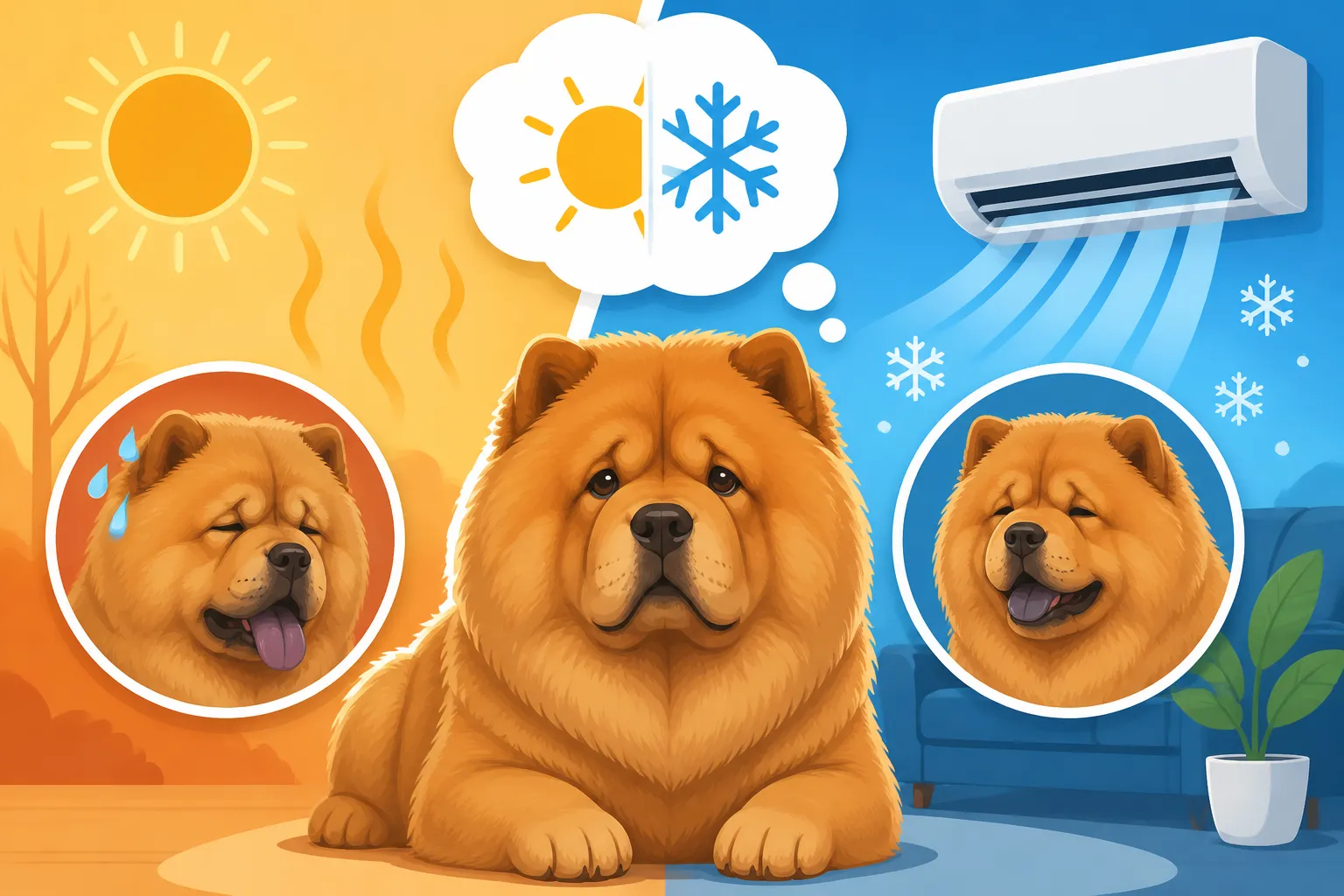
Whether a Chow Chow Needs Air Conditioning
For anyone sharing their life with a magnificent Chow Chow, the summer months, or even just unexpectedly warm days, bring a unique and often stressful challenge: keeping them cool. Their dense double coat and unique physiology mean that what might be a comfortable temperature for us or other breeds can quickly become dangerous for a Chow. This guide will delve deep into why air conditioning isn't merely a comfort for a Chow Chow, but often a critical necessity for their health and well-being, exploring the risks and offering practical solutions to ensure your furry companion stays safe.
Understanding the Chow Chow's Unique Heat Vulnerability
Chow Chows, with their regal bearing and lion-like mane, are undeniably striking. However, the very features that make them so distinctive also make them profoundly susceptible to overheating. It's not just about them being a "fluffy" dog; there's a complex interplay of physical characteristics that makes heat a serious health concern.
The Insulating Double Coat and Its Challenges
Let's talk about that glorious coat. A Chow Chow boasts a dense double coat, consisting of a soft, woolly undercoat and a longer, coarser outer coat. This magnificent insulation was historically a tremendous advantage in their colder native climates, protecting them from harsh winters. However, in warmer temperatures, it becomes a significant liability. The undercoat, in particular, traps a layer of air close to the body, making it incredibly difficult for heat to escape. It's like wearing a heavy winter parka in the middle of July.
While some mistakenly believe shaving a Chow Chow will solve this problem, it actually disrupts their natural thermoregulation and can lead to sunburn or even damage the coat's regrowth. Instead of helping, it often makes things worse. The very design that protects them from cold also prevents heat dissipation. It's crucial to understand that Why a Chow Chow's Double Coat Traps Heat is a fundamental aspect of their breed that requires proactive management from owners, not quick fixes. Without proper management, this coat turns into an oven rather than insulation.
The Brachycephalic Snout and Breathing Difficulties
Beyond their coat, Chow Chows possess another physiological trait that complicates heat management: their brachycephalic (short-nosed) facial structure. While not as extreme as some other brachycephalic breeds like Pugs or Bulldogs, their relatively short muzzle and narrower airways mean they aren't as efficient at cooling themselves through panting.
Panting is a dog's primary method of evaporative cooling. Air passes over the moist surfaces of the tongue and respiratory tract, and as the moisture evaporates, it carries heat away from the body. For a Chow Chow, the shorter distance for air to travel, combined with potentially more constricted airways, means this crucial cooling mechanism is less effective. They have to work much harder to achieve the same cooling effect as a dog with a longer snout. This inherent design means that Why a Chow Chow's Short Muzzle Cools Poorly is a factor that significantly increases their risk of overheating, even when they appear to be doing nothing more strenuous than lying down in a warm room.
Physical Exertion and Internal Heat Generation
Even seemingly mild physical activity can rapidly elevate a Chow Chow's body temperature to dangerous levels. Unlike many other breeds that can run and play for extended periods, a Chow Chow's robust build and aforementioned physiological characteristics mean they generate internal heat quickly and dissipate it slowly. A short walk in warm weather, a brief play session in the yard, or even just excitement can push them over the edge.
Their stoic nature can also mask their discomfort. A Chow Chow might not overtly show signs of distress until they are already in significant trouble, making it even harder for owners to gauge when they've had too much. What might be a moderate effort for a Labrador or a Golden Retriever could be a grueling, dangerous workout for a Chow. Owners need to be acutely aware that their internal heat generation combined with inefficient cooling makes them exceptionally prone to rapid overheating during any form of physical exertion.
Signs Your Chow Chow is Struggling in the Heat
Recognizing the early signs of heat stress is paramount for Chow Chow owners. Because of their dense coat and often aloof demeanor, they can be masters at hiding discomfort until it becomes an emergency. Learning to differentiate between normal panting after a short stroll and signs of genuine distress can be lifesaving.
Subtle Early Warning Signs
Before the full-blown crisis of heatstroke sets in, your Chow Chow will likely display more subtle indicators that they are feeling the heat. These are the cues you need to watch for, acting as your early warning system:
- Excessive Panting: While all dogs pant to cool down, a Chow Chow struggling with heat will pant more rapidly and intensely than usual, often with a wide mouth and tongue hanging out. The panting might seem labored or unusually loud.
- Seeking Cool Spots: You might notice your Chow actively trying to find the coolest part of the house – lying on tile floors, pressing against exterior walls, or trying to get under furniture where it might be slightly cooler. They might even try to dig at carpets as if trying to reach a cooler surface.
- Lethargy or Reduced Activity: A Chow Chow feeling too hot will be noticeably less energetic. They might refuse to play, show reluctance to move, or simply lie down more than usual. This isn't just laziness; it's their body conserving energy to try and stay cool.
- Reduced Appetite or Thirst: While they might drink more water initially, prolonged heat exposure can cause a dog to lose their appetite. If your Chow is turning up their nose at mealtime on a hot day, it could be a sign of discomfort.
- Dull or Glassy Eyes: Their eyes might appear less bright and alert, sometimes even a bit sunken or glassy, indicating a general feeling of unwellness.
- Mild Restlessness: Conversely, some Chows might become restless, unable to settle because they can't find a comfortable, cool spot. They might pace or constantly shift positions.
These signs are a clear signal to immediately move your Chow Chow to a cooler environment, offer fresh water, and monitor them closely. Don't wait for things to escalate.
Critical Symptoms of Heat Stroke
If the early warning signs are missed, or if the heat exposure is severe, your Chow Chow can quickly progress to full-blown heat stroke, which is a life-threatening emergency. Knowing Signs a Chow Chow Is in Heat Stroke is critical, as prompt veterinary intervention is absolutely necessary to save their life.
- Extremely Rapid, Loud, or Labored Panting: This is beyond normal panting; it often sounds like hyperventilation, and the effort of breathing is clearly visible.
- Bright Red Gums and Tongue: Instead of their usual dark purple or black tongue and gums, they might appear unnaturally bright red as their body tries to push blood to the surface to cool.
- Thick, Ropy Saliva or Excessive Drooling: Their saliva might become thick and sticky, and they will likely be drooling profusely, unable to swallow effectively.
- Vomiting and Diarrhea: Gastrointestinal distress is common, often with blood present as internal organs begin to shut down.
- Stumbling, Weakness, or Collapse: Their muscles will weaken, leading to uncoordinated movements, staggering, and eventually collapse.
- Seizures: In severe cases, brain damage from extreme heat can lead to seizures.
- Unconsciousness: The dog may become unresponsive.
- Elevated Body Temperature: While you might not have a rectal thermometer, their body will feel scorching hot to the touch.
If you observe any of these critical symptoms, this is an immediate veterinary emergency. Do not delay. Begin cooling measures (such as applying cool, not cold, water to their paws, ears, and belly) while simultaneously rushing them to the nearest emergency vet clinic. Time is of the essence. Pet insurance providers like Healthy Paws can be a lifesaver in these critical moments, as emergency treatments for heat stroke can be incredibly costly, often running into thousands of dollars for hospitalization and supportive care.
Here’s a quick overview to help distinguish between normal heat response and dangerous heat stress:
| Symptom | Normal Heat Response | Early Heat Stress | Heat Stroke (Emergency) |
|---|---|---|---|
| Panting | Regular, calm, occasional | Increased, more frequent, deep | Extremely rapid, distressed, noisy, labored |
| Energy Level | Playful, active (but mindful of heat) | Lethargic, reluctant to move, seeking rest | Stumbling, collapsing, uncoordinated, unresponsive |
| Gums/Tongue | Normal (dark/purple-black for Chow) | Slightly brighter red, moist | Bright red, brick-like, dry, or pale/blue in collapse |
| Saliva/Drooling | Minimal | Increased drooling, normal consistency | Profuse, thick, ropy, excessive |
| Other Behaviors | Enjoying shade, drinking water | Seeking cool spots, restlessness, reduced appetite | Vomiting, diarrhea (possibly bloody), seizures |
| Body Temperature | Normal to slightly warm | Noticeably warm | Scorching hot to touch, very high internal temp |
Why Air Conditioning Isn't Just a Luxury, It's Essential
Given the Chow Chow's inherent vulnerabilities, it becomes abundantly clear that air conditioning isn't simply a matter of comfort; it's a fundamental requirement for their health and safety in any warm climate. To dismiss it as an extravagance is to put your Chow Chow at severe risk.
Preventing Heatstroke and Organ Damage
The most immediate and critical reason for air conditioning is the prevention of heatstroke. As we discussed, a Chow Chow's body struggles to regulate its temperature, and prolonged exposure to heat can cause their core body temperature to rise to dangerous levels (above 104°F or 40°C). At these temperatures, cellular damage begins to occur throughout the body.
The consequences of heatstroke are devastating and can include:
- Brain Swelling and Damage: Leading to seizures, disorientation, and permanent neurological issues.
- Kidney Failure: The kidneys are highly sensitive to high temperatures and can shut down.
- Liver Damage: The liver's crucial functions can be severely impaired.
- Disseminated Intravascular Coagulation (DIC): A severe bleeding disorder where the blood clots excessively and then fails to clot, leading to internal hemorrhaging.
- Cardiac Arrest: The heart can fail under extreme stress.
Many Chows who survive heatstroke suffer long-term health complications. By providing a consistently cool environment with air conditioning, you effectively remove the primary trigger for this cascade of organ damage, giving your Chow Chow the best chance at a long, healthy life. Emergency vet care for heatstroke is an incredibly trying and expensive ordeal, but proactive prevention with AC can largely mitigate this risk.
Maintaining Quality of Life and Comfort
Beyond preventing life-threatening conditions, air conditioning significantly enhances your Chow Chow's overall quality of life. Imagine trying to sleep, eat, or simply relax when you're constantly feeling uncomfortably hot and struggling to breathe. That's the reality for a Chow Chow in a warm, un-air-conditioned home.
A properly cooled environment allows your Chow to:
- Rest Comfortably: They can stretch out, sleep soundly, and truly relax without the constant effort of trying to cool down.
- Maintain Appetite and Hydration: They are more likely to eat their meals and drink sufficient water when not in heat distress.
- Exhibit Natural Behavior: A comfortable Chow is a happier Chow. They can interact more normally, be more receptive to training, and simply enjoy their home environment without constant anxiety about the heat.
It's about letting them be dogs, free from the relentless stress of overheating. This comfort is not a luxury; it's a basic need for a breed designed for colder climates.
Impact on Daily Routine and Exercise
For many dog owners, daily walks and outdoor playtime are non-negotiable aspects of their routine. However, for a Chow Chow, hot weather severely restricts these activities. Without air conditioning, owners are left with a very narrow window, typically very early morning or late evening, during which it might be safe to take their Chow outside. Even then, the risk remains.
With air conditioning, while you still need to be vigilant about outdoor temperatures, you gain a degree of flexibility. Your Chow Chow can recover properly indoors after a brief, safe outdoor excursion. It allows for a more consistent routine without the constant worry of an unforeseen temperature spike. You can better plan their potty breaks and short walks, knowing that they have a safe, cool sanctuary to return to. When considering When a Chow Chow Should Be Walked in Summer, having a cool home for them to return to is just as important as the timing of the walk itself. This allows for a more balanced and less stressful daily existence for both you and your beloved Chow.
Practical Considerations for Providing a Cooled Environment
Deciding that your Chow Chow needs air conditioning is the first step; implementing it effectively and sustainably is the next. It involves more than just flipping a switch; it's about creating a reliably cool environment, planning for contingencies, and managing the associated costs.
Setting the Right Temperature
Finding the "perfect" temperature for your Chow Chow involves a little observation, but generally, most Chow Chow owners find that keeping their indoor environment between 68°F and 75°F (20°C and 24°C) works best. The lower end of that range is often preferred during the hottest parts of the day or if your Chow is particularly sensitive to heat.
Consider these factors:
- Humidity: High humidity makes it much harder for dogs to cool down through panting. If you live in a humid climate, aiming for the lower end of the temperature range will be more beneficial, or consider a dehumidifier in conjunction with AC.
- Individual Dog: Some Chows are more tolerant of heat than others. Observe your dog closely. Are they still panting excessively at 75°F? Try lowering it a degree or two until they seem comfortable and relaxed.
- Thermostat Placement: Ensure your thermostat isn't in a direct draft or a sun-drenched spot, which could give an inaccurate reading.
- Ventilation: While AC is circulating cool air, ensure good airflow in general to prevent stagnant hot spots in rooms that might not be directly vented.
The goal is to provide a consistent, comfortable temperature where your Chow can lie down without panting or actively seeking cooler surfaces.
Strategies for Power Outages and Emergencies
One of the biggest anxieties for any pet owner relying on AC is the dreaded power outage, especially during a heatwave. Planning for these emergencies is crucial to protect your Chow Chow.
- Emergency Contact List: Have your veterinarian's number, the nearest 24-hour emergency vet clinic, and contact information for friends or family with reliable AC readily available.
- Cooling Mats and Elevated Beds: Invest in pressure-activated cooling mats or elevated dog beds that allow air circulation underneath. These can offer temporary relief. As discussed in Whether a Cooling Mat Actually Helps a Chow Chow, they can be very beneficial in short-term situations or as an added layer of comfort.
- Kiddie Pool or Sprinkler Access: If you have a yard, a small kiddie pool with a few inches of cool water can be a lifesaver. Supervise closely, as some Chows aren't natural swimmers. A gentle sprinkler can also provide relief.
- Frozen Treats and Ice: Prepare a supply of frozen Kongs, ice cubes, or dog-safe frozen treats. Chewing on ice can help cool them from the inside out.
- Evacuation Plan: In extreme, prolonged outages, you may need to evacuate your Chow Chow to a hotel that accepts pets, a friend's house, or a designated cooling center. Always have a go-bag ready with their food, medications, and relevant documents.
- Emergency Fund/Pet Insurance: Heatstroke treatment is incredibly expensive. Having an emergency fund or robust pet insurance like Healthy Paws can alleviate the financial burden during a crisis. Imagine the stress of an emergency vet bill potentially running into thousands for immediate hospitalization, diagnostics, and life-saving treatments. Knowing you have a plan with Healthy Paws covering unexpected illnesses and accidents can make all the difference in focusing on your Chow's recovery. This gives you the peace of mind to make the best decisions for your pet without undue financial pressure.
Remember, How to Cool a Chow Chow Down Fast is information you should have memorized for any sudden emergency.
Managing Energy Costs
Let's be realistic: running air conditioning, especially for extended periods, can significantly impact your electricity bill. This is a common concern for Chow Chow owners, but there are ways to manage these costs without compromising your dog's safety. As detailed in What Air Conditioning Costs a Chow Chow Owner in Summer, it's an investment, but a necessary one.
- Smart Thermostats: Devices like Nest or Ecobee learn your schedule and can be programmed to adjust temperatures when you're not home, saving energy, but maintaining a safe temperature for your Chow. Some even have remote access, allowing you to monitor and adjust from anywhere.
- Proper Insulation: Ensure your home is well-insulated. Check for drafts around windows and doors, and use weatherstripping or door sweeps. Good insulation keeps cool air in and hot air out, reducing the workload on your AC.
- Window Coverings: Close blinds, curtains, or shades during the hottest part of the day, especially on south-facing windows. This prevents solar gain and keeps your home cooler naturally.
- Seal Leaks: Air leaks around electrical outlets, light fixtures, and attic access points can let cool air escape. Sealing these can make a big difference.
- Regular AC Maintenance: Ensure your HVAC system is regularly serviced. Clean or replace filters monthly during peak cooling season. A well-maintained unit runs more efficiently.
- Fans (in conjunction with AC): Ceiling fans or oscillating fans can help circulate the cool air, making the room feel cooler and potentially allowing you to set your thermostat a degree or two higher without sacrificing comfort. However, fans only move air; they don't cool it. They are not a substitute for AC for a Chow Chow.
While the upfront and ongoing costs of AC are a factor, viewing it as an essential health expense for your Chow Chow, much like food or vet care, helps put it into perspective. The alternative — an overheated dog and potential emergency vet bills — is far more costly in every sense.
Beyond Air Conditioning: Holistic Heat Management
While air conditioning is a cornerstone of keeping a Chow Chow safe in warm climates, it's part of a broader strategy for holistic heat management. Combining AC with smart daily practices ensures your Chow remains comfortable and healthy, even when venturing outdoors.
Strategic Outdoor Timing and Activities
Even with a perfectly air-conditioned home, you must be extremely mindful of when and how you take your Chow Chow outside.
- Early Mornings and Late Evenings: These are the golden hours. Aim for walks before 8 AM and after 8 PM, when temperatures are at their lowest and asphalt has had a chance to cool down. Remember, asphalt can be significantly hotter than the ambient air temperature, burning sensitive paw pads. Always do the "seven-second test" – if you can't hold the back of your hand on the pavement for seven seconds, it's too hot for paws.
- Short and Sweet: Keep outdoor excursions brief, focusing on quick potty breaks rather than long strolls or strenuous exercise. Even a few minutes in direct sun on a hot day can be too much.
- Avoid Peak Sun: Never walk your Chow Chow during the midday or early afternoon, even if it feels "only a little warm" to you. The sun's intensity combined with their coat can rapidly lead to overheating.
- Limit Strenuous Play: Active games like fetch or running should be entirely avoided in warm weather. Opt for mental stimulation indoors in the cool AC instead.
The key is caution and constant vigilance.
Hydration and Cooling Aids
Providing easy access to fresh, cool water is fundamental. Your Chow Chow needs to be able to drink whenever they need to.
- Multiple Water Stations: Have water bowls available in several locations throughout your home.
- Add Ice: A few ice cubes in their water bowl can keep the water cool and encourage drinking.
- Travel Bowls: Always carry water for your Chow when you go outside, even for short trips. Collapsible silicone bowls are perfect for this.
- Cooling Vests and Bandanas: These products, soaked in water and worn by your dog, use evaporative cooling to help lower body temperature. Brands like Ruffwear and The Chill Factor offer effective options. Just make sure the vest remains damp and doesn't trap heat once it dries out.
- Cooling Mats: As mentioned before, Whether a Cooling Mat Actually Helps a Chow Chow is a resounding yes for supplemental cooling. These non-toxic gel mats can offer a cool spot for your Chow to lie on, helping to draw heat away from their body.
- Elevated Beds: These allow air to circulate all around your Chow, preventing heat from building up underneath them, which is especially helpful on patios or decks.
- Frozen Treats: Homemade pupsicles made with dog-safe ingredients like diluted broth, peanut butter (xylitol-free!), or plain yogurt can be a delightful and cooling treat.
These aids are excellent complements to air conditioning, providing additional layers of comfort and protection.
Grooming for Heat Management (Without Shaving!)
Proper grooming plays a vital role in helping your Chow Chow manage heat, but it's a specific kind of grooming, not the extreme measure of shaving. As highlighted in Why Shaving Does Not Cool a Chow Chow, shaving can actually harm their ability to regulate temperature and damage their coat.
- Regular and Thorough Brushing: This is paramount. Consistent brushing, ideally daily during shedding seasons and several times a week otherwise, helps remove loose undercoat. This tangled, dead undercoat prevents air from circulating close to the skin, essentially acting as an extra layer of insulation you don't want in summer. Using an undercoat rake can be highly effective for this.
- De-shedding Treatments: Professional de-shedding services can be beneficial, especially during their twice-yearly coat blows. Groomers use specialized tools and high-velocity dryers to remove large amounts of dead undercoat, allowing better airflow.
- Bathing and Drying: While infrequent for Chows, a bath can help remove loose hair. However, it is critical that a Chow Chow's dense coat is dried completely to the skin. Any dampness trapped in the undercoat can lead to skin infections and hot spots, which are extremely uncomfortable and can escalate quickly in warm, humid conditions. A high-velocity dryer is usually necessary for this.
- Paw Pad and Sanitary Trims: Keeping the hair between their paw pads trimmed can help them dissipate heat through their paws, which contain sweat glands. A sanitary trim around their rear can also help with hygiene and prevent matting in an area that can trap heat. These are small trims, not shaving the body.
By consistently maintaining their coat through proper brushing and de-shedding, you help their natural cooling system work as efficiently as possible, allowing air to move through their fur and preventing them from carrying around unnecessary, heat-trapping dead hair. This, combined with air conditioning and other heat management strategies, forms a robust defense against the dangers of hot weather.
Disclaimer
This article is intended for informational purposes only and does not constitute veterinary advice. Always consult with a qualified veterinarian for any health concerns or before making any decisions about your Chow Chow's care.