How a Chow Chow’s Pigmented Mouth Hides Melanoma
One of the hidden challenges of loving a Chow Chow is their unique beauty – that magnificent, dense coat and, of course, their distinctive blue-black tongue and pigmented mouths. While stunning, this pigmentation can unfortunately mask serious health issues, particularly an aggressive form of cancer known as oral melanoma. It's a truly heartbreaking situation for many owners, as the very features we adore can make early detection agonizingly difficult, often leading to a grim prognosis. This guide is here to shed light on this critical concern, helping you understand what to look for and how to protect your beloved companion.
Understanding Normal Chow Chow Oral Pigmentation
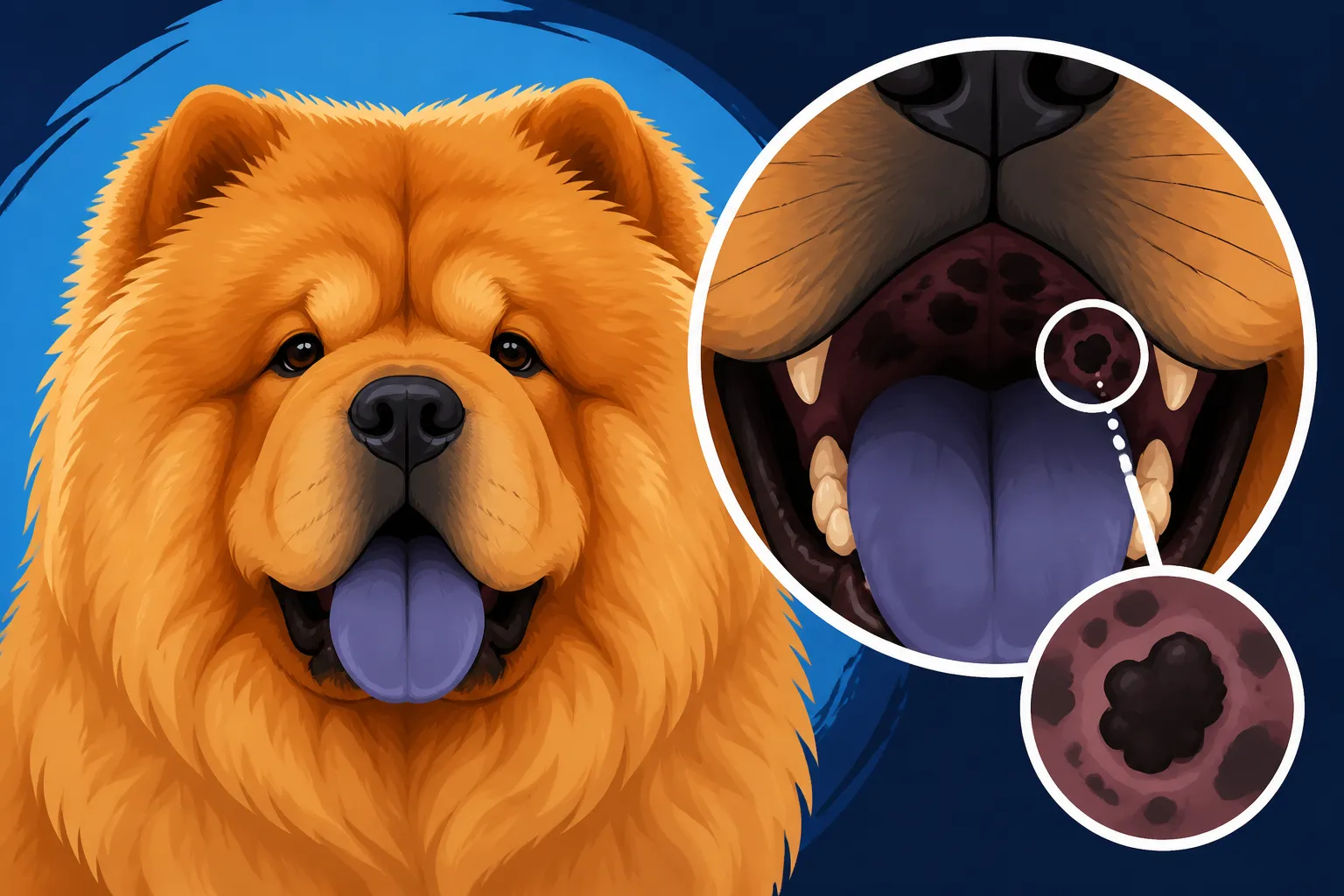
The Chow Chow is renowned for its striking blue-black tongue and deeply pigmented oral tissues, a trait that sets it apart from almost every other dog breed. This isn't a sign of illness; it's a completely normal, genetically determined characteristic that extends beyond just the tongue. You'll often find this rich, dark pigmentation on their gums, the roof of their mouth (palate), and even the inside of their lips and cheeks. It's part of what gives them their unique, almost majestic appearance.
This unique coloring develops due to a high concentration of melanin, the same pigment responsible for skin and hair color. Most Chow Chow puppies are born with pink tongues, which gradually darken to the characteristic blue-black shade by the time they are 8 to 10 weeks old. It's a fascinating process to watch, and a true hallmark of the breed. While most Chows have uniformly dark mouths, it’s not uncommon to see variations, such as patches of pink mixed with the dark pigment. These pink spots are usually normal and just part of an individual dog’s unique pattern. The key is to understand what's normal for your Chow Chow, which forms the baseline for detecting any abnormal changes later on. For more on this fascinating trait, you might want to read Why a Chow Chow's Tongue Is Blue Black.
However, this very beauty, this deep, rich pigmentation, presents a significant challenge when it comes to health. In breeds with naturally pink mouths, any dark spot or lesion immediately raises a red flag, prompting a swift veterinary visit. For us Chow Chow guardians, a new dark spot might easily be dismissed as just another normal part of their already dark oral landscape, making it incredibly difficult to spot something truly sinister lurking within. This is why vigilance is paramount.
The Insidious Nature of Oral Melanoma in Chow Chows
Oral melanoma is a particularly aggressive form of cancer that originates from melanocytes, the pigment-producing cells. Given the abundance of these cells in a Chow Chow's naturally dark mouth, it's tragically a breed that can be predisposed to this type of malignancy. This isn't just a benign lump; oral melanoma is known for its highly metastatic nature, meaning it can spread very rapidly from its primary site in the mouth to nearby lymph nodes, and then quickly to distant organs like the lungs, liver, or kidneys. This aggressive behavior is what makes early detection so incredibly crucial and, simultaneously, so frustratingly difficult in our Chows.
The challenge lies precisely in their distinctive oral pigmentation. Imagine trying to spot a new, abnormal dark mole on a black velvet cloth – it's nearly impossible to distinguish. For a Chow Chow, a cancerous lesion, which often appears as a dark, raised mass, can easily blend in with their naturally blue-black gums or tongue. Owners might overlook a subtle change in color or texture, assuming it's just another part of their dog's unique mouth. This "masking effect" often leads to delayed diagnosis, by which time the cancer may have already advanced or spread, drastically reducing treatment options and prognosis. It's a heartbreaking reality, knowing that the very trait we admire can inadvertently conceal such a serious threat. Understanding Which Cancers a Chow Chow Gets can help you be prepared for other potential health concerns as well.
These tumors commonly develop on the gums (gingiva), lips, hard or soft palate, and even the tongue itself – all areas typically covered in dark pigment in a Chow Chow. Unlike other breeds where a newly pigmented lesion is an obvious red flag, for Chows, we have to look beyond just color. We need to be alert to changes in shape, size, and overall mouth health, which demands a much more diligent and hands-on approach from owners.
What to Look For: Subtle Signs Beyond Pigmentation
Because relying on a change in color is often futile with a Chow Chow's naturally pigmented mouth, we have to become detectives, looking for other, more subtle cues that signal trouble. It's about recognizing deviations from your dog's normal appearance and behavior, rather than waiting for a distinct, contrasting spot to appear. This shift in focus is absolutely critical for early detection, which is the best defense against this aggressive cancer.
One of the most important things to watch for is a change in the texture or shape of the oral tissues. Is there a new bump, a raised area, or a lumpy texture where it was once smooth? Perhaps an existing pigmented spot has started to grow rapidly or has developed irregular borders. Pay close attention to any areas that appear ulcerated or are bleeding, even if it's just a tiny amount. Excessive drooling, especially if tinged with blood, or noticing blood on their toys or in their water bowl, should send immediate alarms ringing. These aren't just minor irritations; they can be significant indicators of an underlying issue, including melanoma.
Beyond visual cues, observe your Chow Chow's eating habits and overall demeanor. A sudden, persistent bad breath (halitosis) that doesn't improve with regular dental care or teeth brushing can often be a sign of an oral tumor, as cancerous tissue can become necrotic and infected. Difficulty or reluctance to eat, dropping food from their mouth, chewing only on one side, or showing signs of pain when opening their mouth are all strong indicators of oral discomfort that warrant immediate investigation. You might also notice a subtle swelling on one side of their face or under their jaw, which could indicate an enlarging tumor or swollen lymph nodes. General signs of illness like lethargy, unexplained weight loss, or a decrease in appetite should always be taken seriously. Remember, Chows are notoriously stoic, so any visible sign of discomfort or change in behavior is usually significant. Learning How to Check a Chow Chow's Mouth for Melanoma properly at home is a skill every Chow owner needs.
Why Regular, Thorough Oral Exams Are Non-Negotiable
Given the challenges presented by their pigmented mouths, proactive and consistent oral examinations are not just good practice – they are absolutely essential for Chow Chow owners. This isn't something you can delegate entirely to your vet during annual check-ups, though those are vital too. You, as their primary caregiver, are on the front lines, and your diligent efforts at home can make all the difference in catching this devastating disease early.
Establishing an At-Home Oral Health Routine
Making oral exams a regular part of your Chow Chow's grooming routine is key. Aim for a quick but thorough check once a week or at least every two weeks. The more you do it, the more comfortable your Chow Chow will become, and the better you’ll get at recognizing what’s normal for them.
Here's a simple guide for your at-home check:
| Area to Inspect | What to Look For | Notes for Chow Chows |
|---|---|---|
| Gums | Swelling, lumps, ulcerations, bleeding, changes in texture. | Lift lips gently. Look for raised areas that aren't usually there, or any pink spots developing dark, irregular edges. |
| Tongue | Lumps, bumps, color changes (if not uniformly dark), texture changes, sores. | Gently pull the tongue forward slightly. Check the top, sides, and especially the underside. |
| Palate (Roof of Mouth) | Masses, bumps, ulcers. | Tilt the head back slightly. Use a flashlight if needed to get a good view. |
| Inner Lips/Cheeks | Swelling, firm areas, ulcers. | Pull the lips out gently to examine the inner surfaces. |
| Breath | Foul odor that persists despite good dental hygiene. | A sudden, strong, unpleasant smell can be a major red flag. |
| Eating Habits | Dropping food, chewing on one side, reluctance to eat hard kibble, excessive drooling. | Observe meal times closely. Any change in how they approach food is important. |
| Facial Symmetry | Swelling on one side of the face or under the jaw. | Stand facing your Chow and look for any asymmetry. |
When performing these checks, always remember to be gentle and patient. Praise and reward your Chow Chow with treats to make it a positive experience. If you find anything suspicious – any new lump, sore, discoloration, or change in existing pigmentation – don't delay. Take a clear photo of it for your records and schedule an appointment with your veterinarian immediately.
The Critical Role of Veterinary Examinations
While your at-home vigilance is paramount, professional veterinary examinations are non-negotiable. Chow Chows can be quite stoic and often reserved, making a thorough oral exam challenging even for experienced veterinarians. Their dense coat can also How a Chow Chow's Coat Hides Weight Loss and other subtle physical changes. Due to their temperament and deep-set eyes, which can limit their peripheral vision, a Chow Chow might not always tolerate a full mouth examination without some assistance. This is where Whether a Chow Chow Needs Sedation for a Checkup often comes into play. A sedated exam allows the vet to fully open your dog's mouth, palpate tissues thoroughly, and examine every nook and cranny for suspicious lesions. Yes, it's an added expense, and it requires careful consideration, but it’s often the only way to get a truly comprehensive look. Remember, a routine What a Chow Chow's Yearly Exam Costs doesn't always include a sedated oral check, so discuss this specific concern with your vet.
If a suspicious lesion is found, the next crucial step is a biopsy. This is the only way to definitively diagnose oral melanoma. Early diagnosis leads to better treatment outcomes, which can range from surgical removal of the tumor, radiation therapy, chemotherapy, or newer immunotherapy options. These treatments can be incredibly costly, and this is where having robust pet insurance, like Healthy Paws, can provide immense peace of mind. Policies with comprehensive coverage can help alleviate the financial burden of cancer diagnosis and treatment, allowing you to focus on your Chow Chow's care rather than worrying about the bills. Understanding What a Chow Chow Costs Over Its Lifetime often reveals that unforeseen medical emergencies can be the biggest expense.
Catching oral melanoma early, before it has a chance to spread, dramatically improves your Chow Chow's prognosis and quality of life. This means that a commitment to regular, thorough oral health checks – both by you at home and by your veterinarian – is one of the greatest gifts you can give your beautiful companion. For aging Chows, these checks become even more important as cancer risk generally increases with age; consider specialized care tips from Caring for a Chow Chow Past Eight.
Disclaimer
The information provided in this guide is for general educational purposes only and should not be considered as professional veterinary advice. Always consult with a qualified veterinarian for any health concerns or before making any decisions related to your Chow Chow's care.