When a Chow Chow’s Weight Gain Is Thyroid
It's incredibly frustrating when you're doing everything right for your Chow Chow – careful with their food, making sure they get their walks – and yet the scale keeps creeping up. You might dismiss it as just them being "lazy" or "loving food too much," but sometimes, persistent weight gain, especially when accompanied by other subtle changes, isn't just about diet and exercise. It could be a sign that something deeper, like their thyroid, isn't quite right, and understanding these signals is crucial for their well-being.
Understanding Weight Gain in Chow Chows
Chow Chows are unique, and that extends to their metabolism and body structure. Unlike a high-energy terrier, a Chow Chow is built for endurance and has a naturally more sedate demeanor. This means their caloric needs might be surprisingly lower than what many first-time owners assume, even if they aren't an overly large dog. Throw in that magnificent, dense coat, and assessing their body condition becomes a real puzzle.
More Than Just "Too Many Treats"
Let's be honest, it's easy to spoil our Chows. Those soulful eyes can melt even the strongest resolve when a treat is on offer. However, attributing every pound gained solely to extra cookies or table scraps might be missing a larger piece of the puzzle. Their thick double coat, whether rough or smooth, is a master of disguise. What looks like a healthy, robust dog can actually be masking an extra five or ten pounds that are putting undue strain on their joints and overall health. You might be feeding them the same amount for years, yet they seem to be steadily gaining weight. This isn't always about "too many treats"; it's about understanding their underlying metabolic rate, which can sometimes slow down unexpectedly.
It's important to remember that a Chow Chow's ancestors were not bred for high-octane activities. Their energy expenditure is naturally lower, and this often translates to needing fewer calories than other breeds of a similar size. If your Chow seems less inclined to play or walk than they used to, it could be a sign of discomfort from extra weight, or it could be a symptom of a deeper metabolic issue.
The Importance of a Body Condition Score
Because their glorious fur can hide so much, relying solely on a visual assessment of your Chow Chow's weight can be deceiving. This is where a proper Body Condition Score (BCS) comes in handy, and it's something you can learn to do at home, though your vet can always give you an expert opinion. The goal is to feel, rather than just see, their body.
To assess your Chow's BCS, you need to get your hands on them, right down to the skin. Gently run your hands along their sides. Can you feel their ribs without pressing hard? You should be able to feel them, like knuckles under a thin blanket, but they shouldn't be visibly prominent. Next, feel along their spine. You should be able to feel the bumps of the vertebrae, again, without them being sharply defined. Lastly, look (and feel) for a waist. While Chows don't have the tucked-up waist of a Greyhound, there should be some definition between their rib cage and their hips when viewed from above. When viewed from the side, their belly should rise slightly from their chest, not hang low or appear flat across the bottom.
If you're struggling to feel their ribs or spine, or if their waist is non-existent, your Chow Chow is likely overweight, even if they don't look "fat" under all that fluff. This assessment is vital because it gives you a baseline and helps you track changes more accurately, which is especially important if you start to suspect a health issue like hypothyroidism.
Here's a simplified guide to help:
| BCS Score | Description (Chow Chow Adapted) | What You Should Feel/See |
|---|---|---|
| 1 (Emaciated) | Severely underweight, ribs, spine, pelvis visibly protruding. Too thin. | Ribs, spine, pelvic bones easily seen and felt with no fat covering. |
| 2 (Underweight) | Ribs, spine, pelvic bones easily felt, some visible. Still too thin. | Ribs, spine easily felt with minimal fat. Obvious waist. |
| 3 (Ideal) | Ribs felt easily, minimal waist, abdomen tucked up. Healthy weight. | Ribs felt without pressing. Visible waist and slight abdominal tuck. |
| 4 (Overweight) | Ribs hard to feel, no obvious waist, some fat over spine. | Ribs difficult to feel under moderate fat. No distinct waist. |
| 5 (Obese) | Ribs very difficult to feel, heavy fat, distended abdomen. Very unhealthy. | Ribs very hard to feel under thick fat. Abdomen distended. No waist at all. |
For most Chow Chows, aiming for a BCS of 3 is ideal. This ensures their joints are not stressed and their organs are functioning optimally.
Recognizing Hypothyroidism in Your Chow Chow
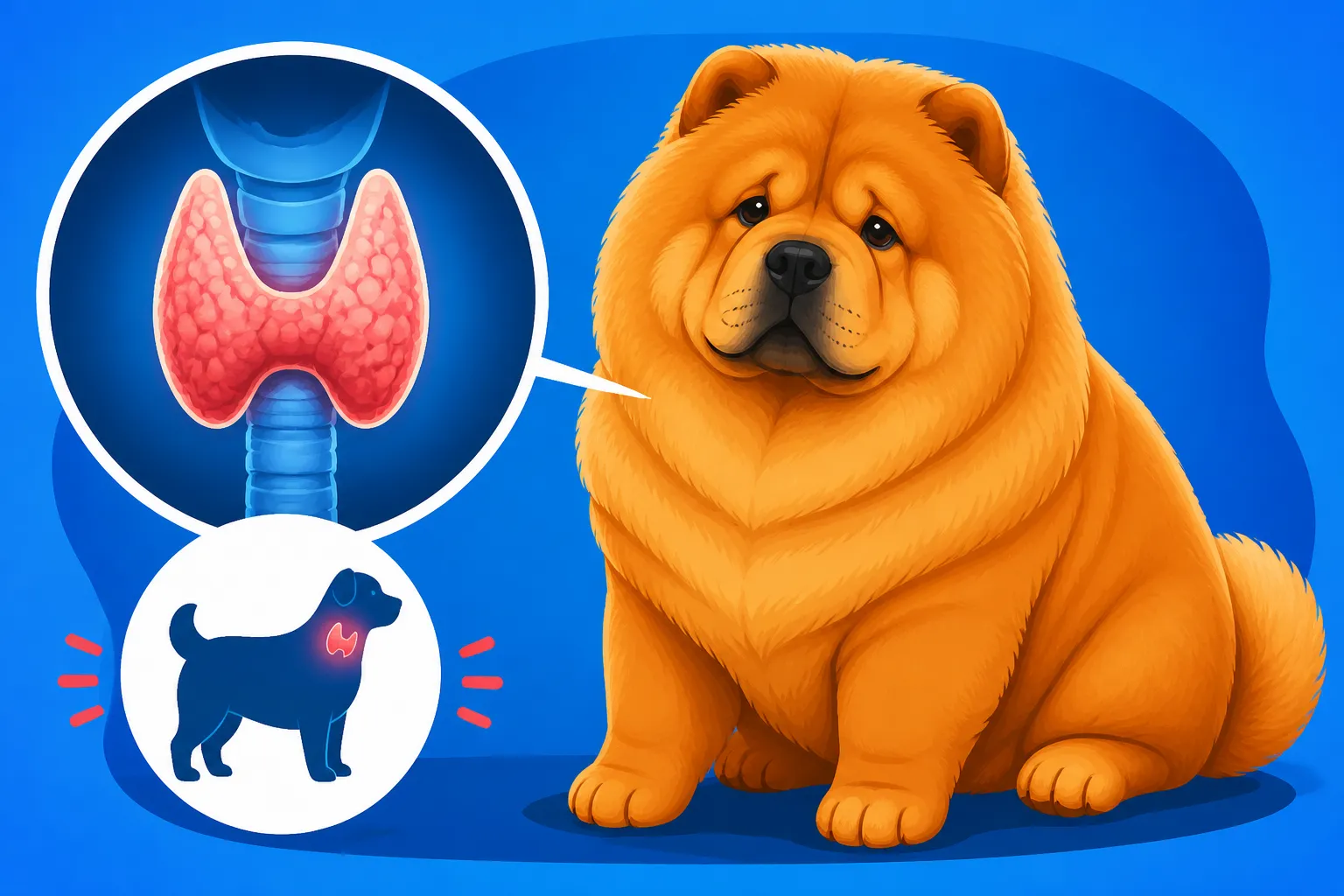
When you notice your Chow Chow gaining weight despite consistent food portions and activity, it's natural to wonder what's going on. One significant culprit can be hypothyroidism, a condition where the thyroid gland doesn't produce enough thyroid hormones. These hormones are essential for regulating metabolism, and a deficiency can slow everything down, leading to a host of symptoms, including that frustrating weight gain.
Beyond Just the Scales: Other Telltale Signs
Hypothyroidism isn't just about weight; it impacts nearly every system in the body because thyroid hormones are so fundamental. If your Chow's weight gain is indeed thyroid-related, you'll often see other signs that, when put together, paint a clearer picture. One of the most common is lethargy or a noticeable decrease in energy. Your usually sedate Chow might become even more so, seeming less interested in walks, play, or even their favorite cuddle spots. They might sleep more or just seem generally sluggish. This is because their metabolism is running at a lower speed, impacting their overall vitality.
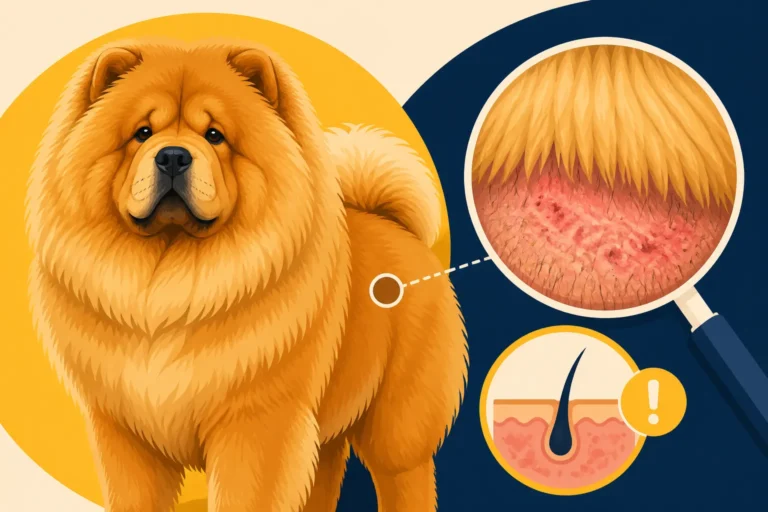
Another classic sign involves their coat and skin. Many Chow Chow owners report a dull, dry, or brittle coat that sheds excessively, even outside of their normal shedding cycles. You might notice areas of thinning hair, particularly on their flanks, tail, or neck. Their skin can become dry, flaky, or even thick and darkened, especially in areas of friction or where hair loss is present. Some Chows might develop recurrent skin infections or "hot spots" that are slow to heal, all due to a compromised skin barrier and immune function from low thyroid levels. You might notice your dog seems to be seeking warmer spots, as Signs a Chow Chow's Thyroid Is Low often include an intolerance to cold due to their slowed metabolism.
Behavioral changes can also occur. Some owners report their hypothyroid Chows becoming more mentally dull, less responsive to commands, or even appearing depressed. It's not uncommon for them to seem less alert or engaged with their surroundings. If you're noticing these changes alongside unexplained weight gain, it's definitely a red flag that warrants investigation. For a deeper understanding of the condition, you might want to read more about What Autoimmune Thyroiditis Does to a Chow Chow, as this is a common cause.
The Subtle Nature of Thyroid-Related Weight Gain
What makes thyroid-related weight gain particularly tricky is its subtlety. It's rarely a sudden, dramatic spike in weight. Instead, it's often a slow, insidious creep upwards, sometimes just a pound or two a year, that accumulates over time. Owners might dismiss it as their dog getting older or needing a bit less food. However, the key differentiator is that this weight gain often persists even when you've been diligently cutting back on calories or increasing their exercise slightly. It feels like an uphill battle, where the effort you're putting in doesn't match the results you're seeing on the scale.
This kind of weight gain, coupled with the other symptoms mentioned, points towards a metabolic slowdown that diet and exercise alone cannot fully correct. It's a fundamental issue with how their body is processing energy, rather than simply an energy imbalance from consuming too many calories. It's crucial to distinguish this from regular weight gain due to overfeeding, as the underlying cause and treatment are entirely different. This is why when a Chow Chow's weight gain is thyroid-related, it's often accompanied by other subtle but persistent changes in their energy, skin, and coat, making the overall picture distinct from simple obesity.
When to Suspect a Thyroid Problem and See Your Vet
If you're observing these persistent, unexplained weight increases in your Chow Chow, particularly when combined with other subtle changes in their behavior, coat, or energy levels, it's time to stop second-guessing yourself and make an appointment with your veterinarian. Don't wait until the symptoms become severe; early detection can lead to a much quicker resolution and improved quality of life for your beloved companion.
The "Normal" Weight Gain vs. The "Red Flag" Weight Gain
It's common for dogs, including Chow Chows, to put on a little extra weight as they age, especially if their activity naturally decreases, or if their food portions aren't adjusted accordingly. Seasonal fluctuations, perhaps a bit more food during colder months or less exercise in bad weather, can also contribute to minor weight shifts. This is what we might consider "normal" weight gain, and it can usually be managed with careful dietary adjustments and a consistent exercise routine.
However, the "red flag" weight gain is different. This is when your Chow is gaining weight, or struggling to lose it, despite your best efforts to control their diet and maintain their activity. If you've measured their food precisely, cut out extra treats, and ensured they're still getting their regular walks, yet the scale continues to climb or remains stubbornly high, that's a significant indicator that something else might be at play. Add to this any of the other hypothyroid symptoms – increased lethargy, a dull coat, excessive shedding, dry skin, or a general lack of enthusiasm – and you have a strong case for investigating a thyroid issue. Remember, Chow Chows are naturally stoic, and they often hide pain or discomfort, so subtle changes can be very telling.
What to Expect at the Vet's Office
When you visit your vet with concerns about your Chow Chow's weight and other symptoms, they'll start with a thorough physical examination. They'll assess your dog's overall body condition, feel for any abnormalities in the neck area where the thyroid gland is located, and check their skin and coat closely. They'll also ask you detailed questions about your Chow's diet, exercise routine, changes in behavior, and the timeline of these symptoms. Be prepared to provide specific information about what and how much your Chow eats, and how much exercise they get daily.
The definitive diagnosis for hypothyroidism is made through blood tests. Your vet will likely recommend a comprehensive thyroid panel. This usually includes measuring total T4 (thyroxine), free T4, and TSH (thyroid-stimulating hormone) levels. Some vets may also test for autoantibodies, which can indicate an autoimmune form of thyroiditis, a common cause of hypothyroidism in dogs. It's good to be aware of What a Chow Chow's Thyroid Panel Costs as part of your vet visit.
Interpreting these results can sometimes be tricky in Chows. Their unique metabolism, and sometimes other non-thyroidal illnesses, can influence thyroid hormone levels. Your vet will consider the full clinical picture – all of your Chow's symptoms combined with the blood test results – to make an accurate diagnosis. It's a good idea to discuss all concerns you have, even if they seem minor, because collectively they can point towards the right answer.
Managing Hypothyroidism and Supporting Your Chow Chow's Health
Receiving a diagnosis of hypothyroidism for your Chow Chow can feel daunting, but the good news is that it's a very manageable condition with a generally excellent prognosis. The key is consistent, lifelong treatment and ongoing monitoring to ensure your Chow maintains optimal health.
Treatment and Prognosis
The treatment for canine hypothyroidism is straightforward: daily thyroid hormone replacement medication, typically in the form of levothyroxine. This medication is a synthetic version of the thyroid hormone your dog's body isn't producing enough of. It's usually given orally, once or twice a day, and most dogs respond remarkably well to it.
Once treatment begins, you should start to see improvements in your Chow Chow's symptoms within a few weeks. Their energy levels often increase, they become more alert and engaged, and that stubborn weight gain often starts to reverse as their metabolism normalizes. Skin and coat issues, such as dullness, dryness, and excessive shedding, will also gradually improve, though a full coat regrowth can take a few months. The prognosis for hypothyroid Chows on appropriate medication is excellent; they can live long, healthy lives with no significant impact on their quality of life, as long as the medication is given consistently.
Long-Term Care and Monitoring
Managing hypothyroidism is a lifelong commitment, but it's not overly complicated. Your vet will schedule follow-up blood tests, usually a few weeks after starting medication and then every 6-12 months, to ensure the dosage is correct and that your Chow's thyroid hormone levels are stable. These regular checks are vital because the optimal dosage can vary between individual dogs and may need slight adjustments over time. You might find that What a Chow Chow's Yearly Bloodwork Should Cover will include these thyroid checks.
Even with medication, diet and exercise remain crucial components of your Chow Chow's overall health. While the thyroid medication helps regulate their metabolism, it doesn't mean they can overeat without consequence. Continue to feed a high-quality, balanced diet in appropriate portions, and maintain a consistent, moderate exercise routine. This holistic approach ensures your Chow Chow not only recovers from hypothyroidism but also thrives long-term.
It's also worth considering pet insurance, especially for breeds like the Chow Chow that can be prone to certain health conditions. Providers like Healthy Paws offer comprehensive coverage that can help mitigate the costs of ongoing medication and veterinary visits for chronic conditions like hypothyroidism, provided the condition isn't pre-existing when you enroll. This can offer significant peace of mind, knowing you can provide the best care without financial strain. For more information, you could look into Whether Insurance Covers a Chow Chow's Autoimmune Disease or What Pet Insurance Costs on a Chow Chow at Eight. Regular grooming is also still essential, and with proper treatment, you'll likely see Whether a Hypothyroid Chow Chow Loses Coat reverses its course, leading to a healthier, fuller mane.
Disclaimer
This article is intended for informational purposes only and does not constitute veterinary advice. Always consult with a qualified veterinarian for any health concerns or before making any decisions about your Chow Chow's care, diet, or treatment.