Signs a Chow Chow’s Stomach Has Turned
Few things strike fear into the heart of a Chow Chow owner like the sudden, terrifying realization that their beloved companion might be experiencing bloat. This isn't just an upset tummy; it's a life-threatening emergency where a Chow Chow's stomach literally twists, cutting off blood flow and trapping gas. Understanding the subtle yet critical signs of this condition, known as Gastric Dilatation-Volvulus (GDV), is paramount because every minute counts in saving your dog's life. This guide is here to walk you through exactly what to look for and why quick action is your Chow Chow's best chance.
Understanding Gastric Dilatation-Volvulus (Bloat) in Chow Chows
When we talk about a Chow Chow's "stomach turning," we're referring to Gastric Dilatation-Volvulus, or GDV. It's a medical emergency that every large breed dog owner dreads, and for good reason. This condition progresses rapidly and can be fatal if not treated immediately. It’s crucial to understand the mechanics of what's happening inside your furry friend.
What Exactly is a "Turned Stomach"?
At its core, bloat involves two main processes: dilatation and volvulus. Dilatation is when the stomach fills with gas, food, or fluid and expands like a balloon. This alone is painful and dangerous, putting pressure on surrounding organs and hindering blood flow. But the truly life-threatening part is the volvulus, which means the distended stomach then twists on its axis. Imagine a balloon tied at both ends and then twisted. This twisting cuts off the stomach's entrance and exit, preventing gas and food from escaping. Even worse, it obstructs major blood vessels, leading to shock and eventually the death of stomach tissue and other organs. The entire process unfolds with frightening speed, turning a seemingly healthy dog into a critical patient in a matter of hours, or even less.
Why Chow Chows Are Particularly at Risk
Chow Chows, with their distinctive build, unfortunately fall into the high-risk category for GDV. Their deep, narrow chests are a significant anatomical factor that veterinarians believe contributes to the likelihood of bloat. While the exact cause isn't fully understood, this body conformation allows the stomach more room to swing and twist when distended. Beyond their unique structure, other breed-specific factors can increase the risk. These can include a history of bloat in their lineage, eating rapidly, consuming one large meal a day, or even high levels of stress or anxiety. It’s not just about their shape; it's a combination of genetics, behavior, and environmental triggers that make it particularly important for Chow Chow owners to be vigilant. Knowing that your Chow Chow is genetically predisposed isn't meant to scare you, but to empower you with the knowledge to be extra cautious and proactive. For further insights into breed-specific health concerns, you might find our article on Whether a Chow Chow Bloats particularly informative.
Recognizing the Early Warning Signs of a Twisted Stomach
The most critical aspect of managing bloat is early detection. Chow Chows are known for their stoic nature and their tendency to hide pain, which can make diagnosing a problem like bloat even more challenging. What starts as subtle unease can escalate into a full-blown crisis rapidly. Learning to interpret their signals, even the faint ones, is literally a matter of life or death.
Subtle Changes to Watch For
Sometimes, the initial signs of bloat are so mild that they can be easily missed or mistaken for a general tummy ache. Your Chow Chow might seem a bit restless, pacing around the house, unable to find a comfortable spot to lie down. They might exhibit unusual anxiety, perhaps looking at their flank, as if something is bothering their side. You might notice repeated attempts to stretch or shift positions, almost like they're trying to relieve an internal pressure. A common, albeit non-specific, sign is drooling, possibly due to nausea or discomfort. They might also appear lethargic or withdrawn, not greeting you with their usual enthusiasm. Any deviation from their normal routine or temperament, especially when combined with mild abdominal discomfort, should raise a red flag. These early signs are your first, crucial opportunity to act before the situation becomes dire.
The Classic Symptoms That Demand Immediate Attention
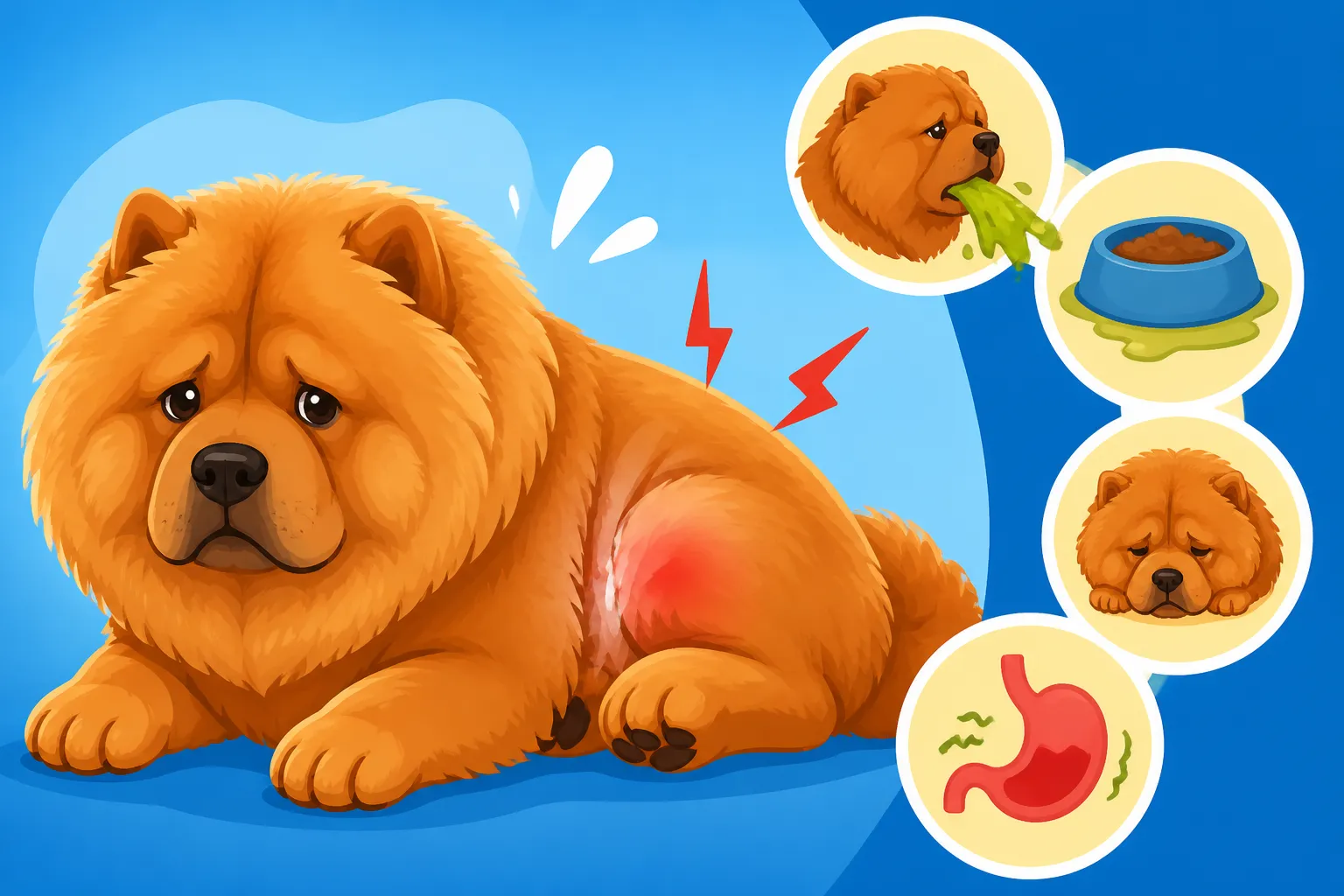
As bloat progresses, the symptoms become more pronounced and unmistakable. This is when you absolutely cannot delay. The most characteristic sign is unproductive retching or dry heaving. Your Chow Chow will be trying desperately to vomit, but nothing or very little (perhaps some foamy saliva) will come up. This is because the twisted stomach has sealed off the exit. Alongside this, you will likely observe a visibly distended abdomen, especially on the left side, which may feel taut or drum-like if you gently tap it. The stomach can swell quickly, making your dog look suddenly "fat" or unusually round.
Other alarming signs include:
- Excessive panting: Even if they haven't been exercising, rapid, shallow breathing indicates pain and distress.
- Weakness or collapse: As their condition worsens, your Chow Chow may become unstable on their feet, stumble, or even collapse due to shock.
- Pale gums: Check their gums; if they are pale, grayish, or bluish, it indicates poor circulation and a severe lack of oxygen, a sign of shock.
- Increased heart rate: Their heart will be working overtime to compensate for the reduced blood flow.
If you observe any of these classic symptoms, particularly the unproductive retching and a distended belly, consider it an immediate, life-threatening emergency. Head straight to the nearest veterinary emergency clinic without hesitation.
Behavioral Shifts and Physical Discomfort
Beyond the more overt physical symptoms, a Chow Chow experiencing bloat will often display significant changes in their behavior. Their stoic nature might temporarily give way to clear signs of distress. They might refuse to lie down comfortably, preferring to stand or sit in an awkward, hunched position as if trying to relieve pressure. You might notice them acting agitated, unable to settle, perhaps even growling or snapping if you try to touch their abdomen, which is highly unusual for their typically reserved temperament. Some dogs will try to eat grass frantically, or continuously lick the air or their lips.
Another concerning sign is an apparent loss of interest in food or water, despite exhibiting signs of thirst or hunger. They might approach their bowl, sniff at it, and then turn away. In later stages, they may become completely unresponsive, their eyes dull, indicating severe pain and shock. Paying close attention to these behavioral nuances can give you critical early clues, especially with a breed as good at masking discomfort as the Chow Chow. It’s why understanding your dog’s baseline behavior is so important for detecting health issues early. Our comprehensive guide on How a Chow Chow Hides Pain further delves into this breed's unique way of coping with discomfort, which can be vital information in emergencies.
| Sign Category | Early/Subtle Signs | Urgent/Advanced Signs |
|---|---|---|
| Behavioral | Restlessness, pacing, anxiety, mild lethargy, looking at flank | Extreme agitation, inability to stand/lie comfortably, collapse |
| Gastrointestinal | Excessive drooling, lip licking, attempts to stretch | Unproductive retching/dry heaving, diarrhea (less common) |
| Abdominal | Mild discomfort, sensitivity to touch | Visibly distended abdomen (drum-like), painful to touch |
| Respiratory | Mild panting | Rapid, shallow panting |
| Circulatory | Normal gums/heart rate | Pale/gray/blue gums, increased heart rate, signs of shock |
Immediate Action: What to Do When You Suspect Bloat
When you suspect your Chow Chow's stomach has turned, there is no time for "wait and see." This is a full-blown veterinary emergency, and your swift, decisive action is the most important factor in a positive outcome. Every minute truly does matter.
The Critical Race Against Time
This is not the moment to call your regular vet for an appointment next week. This is an immediate trip to the emergency veterinary clinic. Call them while you are driving or on your way so they can prepare for your arrival. Tell them you suspect Gastric Dilatation-Volvulus (GDV) in your Chow Chow and describe the symptoms you're seeing. This allows the veterinary team to be ready with the necessary equipment and staff, saving precious minutes once you arrive. Don't offer food or water. Don't try home remedies like antacids. These won't help and can waste crucial time. Just focus on getting your dog to professional medical care as quickly and safely as possible. The urgency cannot be overstated; the success rate of treatment drops significantly with every hour that passes after onset. Many pet insurance providers, like Healthy Paws, recognize the critical nature of these emergencies and can help manage the financial strain of such urgent care.
What to Expect at the Emergency Vet
Once you arrive at the emergency clinic, the veterinary team will immediately assess your Chow Chow. They will likely take X-rays to confirm if the stomach is indeed distended and twisted. This imaging is key to differentiating bloat from other severe abdominal issues. If GDV is confirmed, they will work quickly to stabilize your dog, which includes administering IV fluids to combat shock and pain medication to alleviate suffering. Sometimes, a long needle is inserted into the stomach to release trapped gas (a procedure called trocarization), providing temporary relief.
However, the definitive treatment for a twisted stomach is emergency surgery. During this procedure, the veterinary surgeon will carefully de-rotate the stomach back to its normal position. They will then assess the stomach's health, removing any tissue that has died due to lack of blood flow. A crucial part of this surgery, especially for a Chow Chow, is a gastropexy. This is where the stomach is permanently tacked or sutured to the abdominal wall to prevent it from twisting again in the future. This prophylactic measure significantly reduces the risk of recurrence, which is why it's so important for high-risk breeds. The recovery process will involve careful monitoring, pain management, and a specialized diet for several days. Understanding What a Chow Chow's Surgery Costs More Than Its Size Suggests can help prepare you for the financial aspect of this life-saving intervention.
Proactive Prevention and Risk Factors
While bloat can strike unexpectedly, there are many proactive steps you can take to significantly reduce your Chow Chow's risk. Being a responsible owner means not just reacting to emergencies, but actively working to prevent them.
Feeding Strategies to Minimize Risk
How and what your Chow Chow eats plays a huge role in their bloat risk. Instead of one large meal a day, break their food into two or three smaller meals. This reduces the amount of gas and food in the stomach at any one time. Slow down their eating with specialized bowls or by scattering food, as eating too quickly can lead to gulping air. Some owners also choose to use elevated food bowls, though research on their effectiveness in preventing bloat is mixed, and some studies even suggest they might slightly increase risk in certain breeds. Consult your vet for the best advice for your individual Chow Chow.
Perhaps most importantly, avoid intense exercise or excitement around meal times. Give your Chow Chow at least an hour before and after eating to settle down and digest. Jumping, running, or rough play immediately after a meal can increase the chances of the stomach twisting. Make sure fresh water is always available, but avoid large gulps immediately after exercise or meals. Providing a high-quality diet and monitoring how your dog eats are foundational prevention strategies. Consider discussing these options with your vet to tailor the best feeding plan, especially if your Chow Chow tends to be a fast eater or has a nervous disposition. You might also want to look at our article on Feeding a Chow Chow That Eats Less Than You Expect for additional insights into their dietary habits.
Considering a Gastropexy
For Chow Chows, especially those with a family history of bloat or those who are considered high risk, a prophylactic gastropexy can be a life-saving procedure. As mentioned earlier, this surgery involves permanently attaching the stomach to the abdominal wall, which prevents it from twisting. While it doesn't prevent the stomach from dilating with gas, it eliminates the much deadlier "volvulus" component. Many owners opt to have this procedure done electively, often at the same time as spaying or neutering when the dog is already under anesthesia.
The benefits of a gastropexy are significant: it drastically reduces the lifetime risk of a twisted stomach. Of course, like any surgery, there are risks, and it's an added cost to consider. However, when you weigh the cost and recovery of an elective gastropexy against the emergency surgery and potential fatality of full-blown GDV, it often becomes a clear choice for many Chow Chow owners. It's a discussion worth having with your veterinarian to determine if it's the right preventative measure for your beloved companion, offering peace of mind. Our guide on When a Chow Chow's Stomach Should Be Tacked goes into further detail about this preventive surgery.
Managing Other Contributing Factors
Beyond feeding, several other factors can influence your Chow Chow's susceptibility to bloat. Stress and anxiety are known triggers. A nervous or anxious dog might gulp air more frequently, especially during stressful events like thunderstorms, travel, or changes in their environment. Creating a calm, consistent routine and providing a safe space can help mitigate stress. Regular, moderate exercise is important for overall health, but as noted, avoid intense activity immediately before or after meals. Instead of a strenuous run, opt for a leisurely walk.
Hydration is always important, but ensure your Chow Chow isn't consuming excessive amounts of water in one go, particularly after exercise. Use a bowl that encourages smaller sips. Age can also play a role, with older Chows sometimes having a higher risk. Regularly monitoring their weight and overall health is key, especially as they enter their senior years. Insurance providers like Healthy Paws can offer great support in managing these long-term health considerations, covering routine wellness visits as well as emergencies. Even seemingly small details can contribute to risk, so a holistic approach to your Chow Chow's care is always best. Understanding Caring for an Old Chow Chow can also provide valuable context on age-related health management.
Disclaimer
The information provided in this article is for educational and informational purposes only, and does not constitute veterinary advice. Always consult with a qualified veterinarian for any health concerns or before making any decisions related to your pet's health and treatment. In case of a suspected emergency, seek immediate veterinary attention.