Feeding a Chow Chow That Eats Less Than You Expect
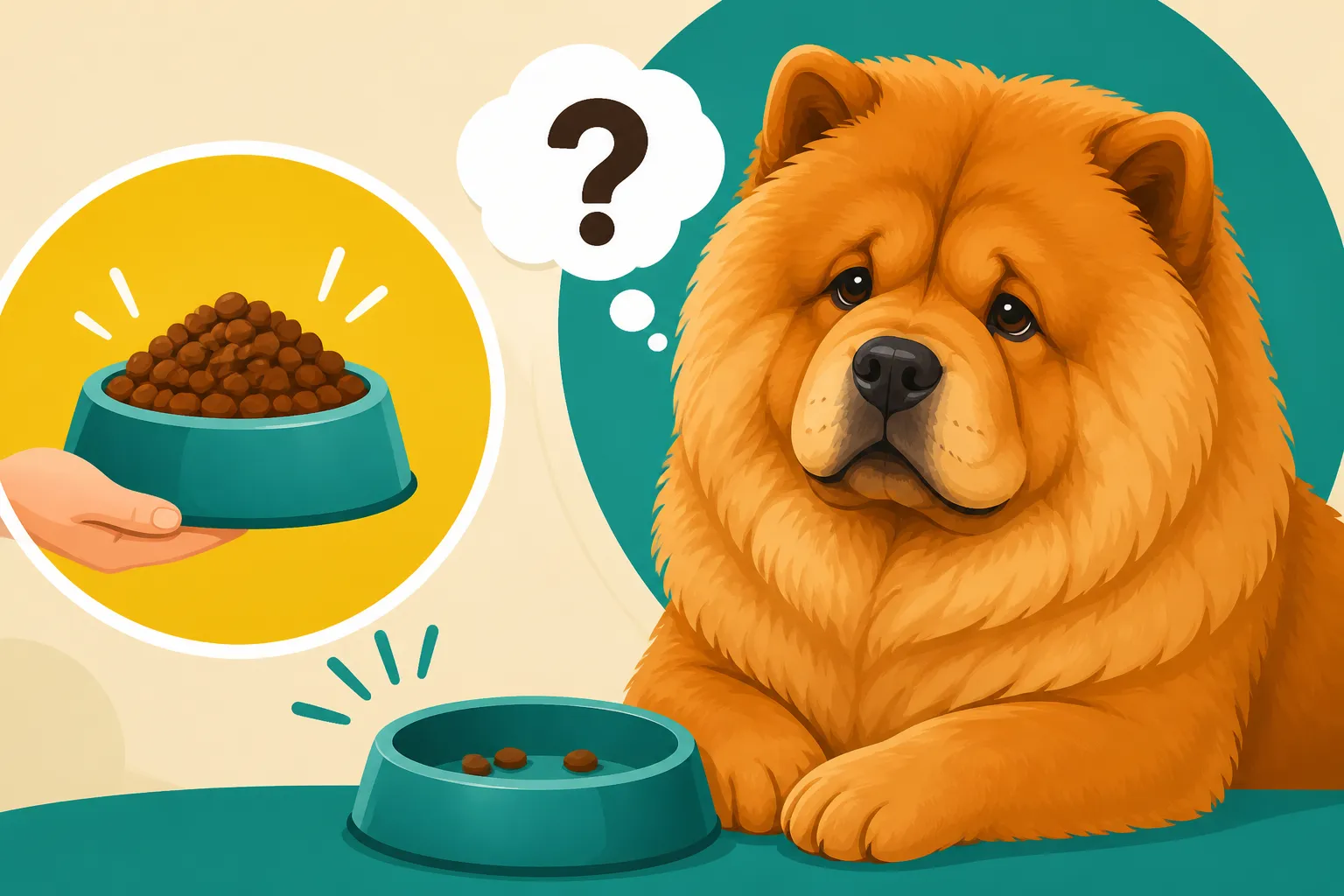
It’s a common and often bewildering experience for many Chow Chow owners: you’ve meticulously selected a high-quality food, perhaps even a premium brand, only to watch your fluffy companion turn up their nose or nibble half-heartedly at their bowl. This can feel incredibly frustrating, making you worry if your beloved Chow is getting enough nutrition, or if something is seriously wrong. This guide aims to demystify why Chow Chows often eat less than you’d expect and provide practical strategies to ensure they remain healthy, happy, and well-fed.
Understanding the Chow Chow's Unique Appetite
Chow Chows are a breed unlike many others, and their eating habits are no exception. If you've ever owned a Labrador or a Beagle, you're probably used to a dog that acts like every meal is their last. Chows, on the other hand, often approach food with a much more reserved, almost discerning attitude. This isn't necessarily a cause for alarm, but it certainly requires a different mindset from their human companions.
Why Chows Often Eat Less Than Expected
One of the biggest reasons your Chow Chow might eat less than you anticipate stems from their ancient heritage and unique physiological makeup. They weren't bred as high-energy working dogs that needed massive calorie intake to sustain intense activity. Instead, they were often guard dogs or companions in less demanding roles, leading to a metabolism that is naturally slower than many other breeds. They simply don't burn through calories at the same rate, and their bodies are incredibly efficient at utilizing what they consume. This means they genuinely require less food to maintain a healthy weight compared to what their size might suggest. It can feel counterintuitive, especially when you're measuring out portions based on general guidelines, but a Chow Chow's "normal" intake can be significantly lower. You'll quickly learn that those generic feeding charts on the back of dog food bags often don't apply neatly to our fluffy, dignified friends.
The "Grazer" Mentality: A Breed Trait
Many Chow Chows are natural grazers rather than enthusiastic gobblers. Unlike breeds that might wolf down their entire meal in sixty seconds flat, a Chow might take several trips to their bowl over an hour or even longer, picking at their food throughout the day. This can be especially pronounced if they're left with food available for extended periods. This grazing behavior is often mistaken for pickiness or a lack of appetite, leading owners to switch foods frequently or add enticing (and sometimes unhealthy) toppers. However, it's often just how they prefer to eat. They're not necessarily rejecting the food; they're simply consuming it at their own unhurried pace. If your Chow is maintaining a good weight, has energy, and healthy stools, then their grazing habit is likely just their individual quirk. It's a testament to their independent nature – they'll eat when they're ready, thank you very much!
How Their Metabolism Differs
As mentioned, a Chow Chow’s metabolism is typically on the slower side. This isn't just about their activity levels; it's also a genetic predisposition. Their bodies are built for efficiency, meaning they don't need a huge caloric surplus to thrive. Overfeeding a Chow Chow, even with what seems like a standard amount for a dog of their size, can quickly lead to weight gain because their bodies are so good at storing excess calories. This slower metabolism also contributes to why they can be susceptible to conditions like autoimmune thyroiditis (What Autoimmune Thyroiditis Does to a Chow Chow), which can further slow their metabolic rate. It’s a delicate balance to strike, and often, less truly is more when it comes to their food bowl. Understanding this fundamental difference can help alleviate anxiety about their seemingly small appetite. You might find that the recommended serving size for a 60-pound dog on a bag of kibble is far too much for your 60-pound Chow, who might only need two-thirds or even half of that to maintain their ideal condition.
Factors Influencing a Chow Chow's Food Intake
While a naturally lower appetite is common for Chow Chows, several environmental, behavioral, and health factors can further influence how much they eat. Recognizing these can help you distinguish between normal Chow eating habits and potential issues.
Impact of Activity Levels and Environment
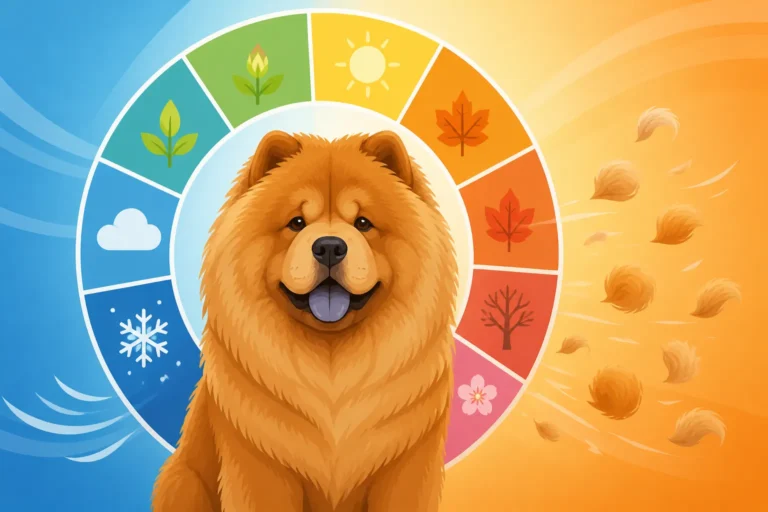
It probably goes without saying, but a Chow Chow's activity level plays a huge role in their hunger. Chows aren't typically high-energy dogs. They're not usually the breed you see enthusiastically retrieving balls for hours on end or joining you for a 10-mile hike. Their exercise needs are moderate, often consisting of a couple of leisurely walks a day. How Much Exercise a Chow Chow Actually Needs is far less than many assume. If your Chow has had a particularly lazy day, perhaps due to hot weather, they're simply not going to be as hungry as a dog that's been more active. Consider the impact of the seasons too; a Chow Chow in summer, especially in a warmer climate, might eat even less due to the heat. Their dense double coat makes them prone to overheating, and naturally, their bodies will conserve energy and reduce their desire for food that generates metabolic heat. Keeping them cool is paramount, and sometimes, a reduced appetite is their way of coping with uncomfortable temperatures. Providing ample fresh water, especially during warmer months, is crucial, even if their food intake dips slightly.
Stress, Anxiety, and Changes in Routine
Chow Chows are creatures of habit and can be quite sensitive to changes in their environment or routine. A new pet, visitors, moving to a different house, or even just a change in your work schedule can cause stress or anxiety, which often manifests as a reduced appetite. They might become withdrawn or just generally "off," and food refusal can be one of the first signs something is bothering them. For instance, if you've recently brought home a new puppy or cat, your Chow might feel their established routine is disrupted, leading to them skipping meals. Even something as subtle as a change in their feeding location or a different type of bowl can throw off a sensitive Chow. Their independent and often reserved nature means they might not outwardly show distress in the same way a more demonstrative breed would, making their food intake a key indicator of their emotional state. Creating a predictable and calm environment can go a long way in encouraging consistent eating habits.
Medical Conditions That Affect Appetite
While a naturally low appetite is typical, a sudden or prolonged refusal to eat is always a red flag that warrants veterinary attention. Many underlying medical conditions can cause a loss of appetite, from dental pain to more serious internal issues. A Chow Chow with Cataracts in a Chow Chow or Glaucoma Can Blind a Chow Chow in Days might be experiencing discomfort that impacts their willingness to eat. Digestive upsets, infections, organ dysfunction (such as kidney or liver issues), and even certain types of cancer can all lead to a decrease in hunger. Chows are known for their stoic nature and can be masters at How a Chow Chow Hides Pain, making appetite changes one of the few outward indicators of discomfort. If your Chow Chow, who typically grazes, suddenly stops eating entirely for more than 24 hours, or shows other symptoms like lethargy, vomiting, diarrhea, or difficulty breathing, it's an emergency. Don't assume it's just their "Chow-ness" – always consult your veterinarian immediately to rule out serious health problems. It's better to be overly cautious than to miss a critical warning sign.
Choosing the Right Food for Your Chow Chow
Selecting the best food for your Chow Chow is paramount, especially given their unique appetite and potential sensitivities. It’s not just about what they will eat, but what will provide optimal nutrition for their specific needs.
Prioritizing Quality Ingredients and Digestibility
With a Chow Chow's often delicate constitution and sometimes picky palate, the quality of their food truly matters. Look for foods with whole, identifiable ingredients at the top of the list, such as real meat (chicken, beef, lamb, salmon) as the primary protein source. Avoid foods filled with vague "meat meals" or excessive fillers like corn, wheat, or soy, which can be harder for some dogs to digest and offer less nutritional value. High-quality fats, like those from fish oil or flaxseed, are also important for their skin and famously dense coat. When a food is highly digestible, it means your Chow can absorb more nutrients from a smaller amount of food, which is ideal for a dog that might not eat large quantities. This also often translates to smaller, firmer stools, which is a good indicator of digestive health. Think of it this way: if they're eating less, every bite needs to count nutritionally. You might find a wide selection of premium options on platforms like Chewy, making it easier to compare ingredients and find something that suits your Chow's needs.
Considering Kibble, Wet, Raw, and Fresh Options
The world of dog food offers a dizzying array of choices, and what works for one Chow Chow might not work for another.
- Kibble (Dry Food): This is the most common and convenient option. Good quality kibble can be nutritionally complete and help keep teeth clean. However, some Chows might find it less appealing due to its dry texture and lower aroma. If you opt for kibble, consider adding a little warm water or low-sodium broth to enhance palatability.
- Wet Food (Canned): Often more palatable due to its higher moisture content and stronger scent, wet food can be a great way to entice a picky eater or add extra hydration. It's usually more expensive and less calorie-dense than kibble, so it might not be a primary food source for all Chows, but it can be an excellent topper.
- Raw Food (BARF or PMR diets): Raw feeding has gained popularity, with proponents citing benefits like better digestion, healthier coats, and improved energy. However, it requires careful handling and balancing to ensure nutritional completeness and safety. It's crucial to consult with a veterinary nutritionist if you consider a raw diet.
- Fresh Food (Cooked, human-grade): Services like Ollie deliver freshly prepared, human-grade meals that can be highly appealing to picky dogs. These diets are often easy to digest and can make a big difference for Chows who turn their noses up at traditional kibble. They tend to be on the pricier side, but for a dog with a persistently low appetite, the assurance of them eating well can be worth the investment.
Ultimately, the "best" food is the one your Chow Chow thrives on, eats consistently, and that meets all their nutritional requirements. Don't be afraid to try different formats, perhaps even rotating them, to keep meal times interesting.
Navigating Food Sensitivities and Allergies
Chow Chows can be prone to food sensitivities and allergies, which can manifest as skin issues (itchiness, hot spots), digestive upset (vomiting, diarrhea, gas), or a general reluctance to eat. If your Chow shows any of these signs, their low appetite might be more than just pickiness; it could be a reaction to an ingredient in their food. Common culprits include chicken, beef, dairy, wheat, and soy.
An elimination diet, conducted under veterinary guidance, is often the best way to identify triggers. This involves feeding a novel protein (one your dog hasn't eaten before, like duck, venison, or rabbit) and a single carbohydrate source for several weeks, then slowly reintroducing ingredients. Many limited ingredient diets (LIDs) are available that can simplify this process. Look for brands that clearly state their protein and carbohydrate sources. Even minor digestive discomfort can significantly reduce a Chow's interest in food, so resolving any sensitivities can make a huge difference to their eating habits and overall well-being. Keeping a food diary can be incredibly helpful in tracking what your Chow eats and any subsequent reactions, helping you pinpoint potential problems.
Establishing a Healthy Feeding Routine
Consistency is key when it comes to feeding a Chow Chow. They thrive on routine, and a predictable schedule can help minimize stress and encourage regular eating, even for those with a naturally smaller appetite.
Consistent Schedules and Portion Control
Establishing a consistent feeding schedule is one of the most important things you can do. Most adult Chows do well with two meals a day, roughly 10-12 hours apart. Feeding at the same time each day helps regulate their digestive system and sets expectations. Rather than free-feeding, which can lead to overeating or grazing all day (making it hard to track intake), offer the meal and then pick up the bowl after 15-20 minutes, even if they haven't finished it. This teaches them that food is available at specific times and encourages them to eat what they need within that window.
Portion control is equally critical for a breed that doesn't need excessive calories and is prone to weight gain. Start with the lower end of the recommended feeding guidelines for their ideal adult weight, not their current weight, and adjust as needed. Regularly assessing their body condition is more important than rigidly sticking to a specific cup measurement. You should be able to feel their ribs easily without seeing them, and they should have a discernible waist when viewed from above. Remember that Why a Chow Chow Eats Less Than Its Size Suggests means their caloric needs are often overestimated by generic guidelines.
Creating a Calm Eating Environment
Chow Chows are often sensitive and appreciate a peaceful environment, especially around meal times. A busy, noisy household can be distracting or even stressful, causing them to turn away from their food. Choose a quiet, low-traffic area for their feeding station, away from doorbells, loud conversations, or other pets. If you have multiple pets, feed them separately to prevent resource guarding or anxiety. Some Chows prefer to eat in their crate, feeling safe and secure there.
Ensure their bowls are clean and comfortable. Some dogs prefer raised bowls, particularly if they are older or have joint issues like Elbow Dysplasia Ranks the Chow Chow Near the Top. Others might prefer ceramic or stainless steel over plastic. Pay attention to any subtle cues your Chow gives you about their comfort level during meals. A dog that is constantly looking around or seems hesitant to approach their bowl might be telling you something about their environment. A serene mealtime can make a significant difference to their willingness to eat.
The Importance of Fresh Water
While we're focusing on food, it's impossible to overstate the importance of fresh, clean water for your Chow Chow. Adequate hydration is crucial for overall health, digestion, and appetite. A dog that is even mildly dehydrated might feel less inclined to eat. Always provide multiple bowls of fresh water throughout your home, especially if you have a large house or multiple floors. Change the water at least twice a day, and clean the bowls regularly to prevent bacterial buildup.
Some Chows are finicky about their water. They might prefer running water from a fountain, or they might only drink from specific bowls. Pay attention to their preferences. During warmer months, How Much Water a Chow Chow Drinks in Summer can significantly increase, so make sure water is always readily available and cool. If your Chow has a tendency to eat less, ensuring they are well-hydrated helps their body process the nutrients they do consume efficiently and supports all their bodily functions. Never underestimate the simple power of a perpetually full and clean water bowl.
Addressing Picky Eating and Food Refusal
It's tempting to panic when your Chow Chow isn't eating, but understanding the difference between genuine disinterest and a temporary dip in appetite is important. Many Chows are simply not as food-motivated as other breeds.
Strategies for Encouraging Reluctant Eaters
When faced with a reluctant eater, your first instinct might be to pull out all the stops – cooking fresh chicken, adding gravy, buying expensive toppers. While a little enticement can sometimes help, a consistent strategy is usually more effective.
- Warm It Up: Gently warming wet food or adding warm water to kibble can release aromas, making it more appealing. Just be sure it's not hot.
- Add a Little Something: A small amount of low-sodium broth, plain yogurt, cooked pumpkin, or even a tiny bit of cooked, unseasoned meat can sometimes spark interest. The key is a small amount to avoid unbalancing their diet or making them hold out for "better" food.
- Rotate Proteins: If you're feeding kibble or wet food, occasionally switching to a different protein source (e.g., from chicken to lamb) within the same brand can sometimes re-ignite their interest. Many Chow owners find success in rotating through a few different flavors their dog enjoys, offering variety without constantly changing brands. You can explore different options from reputable pet retailers like Chewy or Amazon to see what appeals most to your Chow.
- Make Mealtime Fun: For some Chows, particularly those who get bored easily, using a puzzle feeder or a snuffle mat can turn eating into an engaging activity. This makes them "work" for their food, which can stimulate their appetite.
- Exercise Before Meals: A short, gentle walk before mealtime can sometimes stimulate their appetite, making them more ready to eat when the bowl is presented. Remember that How Much Exercise a Chow Chow Actually Needs is moderate, so don't overdo it, especially in heat.
The "Tough Love" Approach vs. Accommodating Pickiness
This is a classic dilemma for Chow Chow owners. Do you constantly cater to their pickiness, or do you take a firmer stance?
- The "Tough Love" Approach: This involves putting down the food for a limited time (e.g., 15-20 minutes) and then picking it up, with no other food offered until the next scheduled meal. The idea is that a healthy dog will eventually eat when truly hungry. This approach can be effective for Chows who are simply holding out for something better or are being truly picky, rather than having an underlying issue. It teaches them that the food offered is what's available, and they need to eat it within the designated window. This doesn't mean starving your dog; it means teaching them routine.
- Accommodating Pickiness: Continuously switching foods, adding many high-value toppers, or hand-feeding can create a cycle where your Chow learns that if they refuse enough, something better will come along. This can lead to an increasingly finicky eater and can make it difficult to ensure they're getting a balanced diet. However, if your Chow genuinely struggles to maintain weight or has a history of medical issues impacting appetite, a more accommodating approach might be necessary under veterinary guidance.
The balance lies in being firm but also understanding your individual Chow. If they are otherwise healthy and energetic, the "tough love" approach for a few days can often reset their eating habits. If they continue to refuse food or show signs of illness, it’s time to seek professional advice.
When to Consult a Vet or Nutritionist
Knowing when to stop experimenting and seek professional help is crucial. If your Chow Chow:
- Suddenly stops eating entirely for more than 24 hours.
- Shows a significant and persistent decrease in appetite for several days.
- Is losing weight despite your best efforts to entice them to eat.
- Exhibits other symptoms like vomiting, diarrhea, lethargy, fever, increased thirst, or pain.
- Has a history of medical issues, such as those discussed in What Most Chow Chows Die Of.
These are all signs that a trip to the veterinarian is necessary. A vet can rule out underlying medical conditions through examination, bloodwork (which a Chow may need What a Chow Chow's Anesthesia Panel Costs to get due to temperament), and other diagnostics. If medical issues are ruled out, a veterinary nutritionist can provide tailored advice on diet, portioning, and strategies for encouraging a healthy appetite, helping you navigate complex food sensitivities or picky eating behaviors that generic advice can't solve. Don't hesitate to reach out to a professional; their expertise can be invaluable in keeping your Chow healthy.
When "Eating Less" Becomes a Concern: Red Flags
It's one thing for a Chow Chow to be a casual grazer, taking their time with meals. It's quite another for them to genuinely refuse food or show a significant, sustained drop in appetite. Knowing the difference can literally be life-saving.
Distinguishing Normal Grazing from True Anorexia
Normal grazing, as we’ve discussed, means your Chow Chow takes their time, perhaps eating a portion of their meal now and coming back to finish it later. They might not eat with the gusto of a Golden Retriever, but they do eventually consume their appropriate daily caloric intake, maintain a healthy weight, and show normal energy levels and enthusiasm for walks or play. Their stools are firm, their eyes are bright, and their coat is healthy. You might observe What to Do When a Chow Chow Skips a Meal for a single meal, but they make up for it later.
True anorexia, on the other hand, is a sustained and significant loss of appetite or complete refusal of food. This isn't just picking at their bowl; it's actively turning away, showing no interest, or barely consuming anything for an extended period. This can rapidly lead to weight loss, lethargy, and other signs of illness. If your Chow, who usually grazes, suddenly goes 24 hours without eating anything at all, that's a serious shift from their baseline and a clear red flag. Always remember, your Chow Chow might not act "sick" until they are very sick; they are masters of stoicism.
Accompanying Symptoms That Warrant Immediate Attention
A decreased appetite becomes much more concerning when it's accompanied by other symptoms. These are signs that something serious might be going on, and you need to contact your vet right away:
- Lethargy or weakness: If your Chow is unusually tired, sluggish, or has difficulty moving around, especially coupled with not eating.
- Vomiting or diarrhea: Any gastrointestinal upset paired with appetite loss is a major concern. This could indicate anything from a severe food sensitivity to a blockage or systemic illness.
- Changes in thirst or urination: Drinking significantly more or less water, or changes in the frequency or volume of urination, could point to kidney problems (Familial Renal Dysplasia Kills Young Chow Chows) or other organ issues.
- Pain or discomfort: Whining, restlessness, guarding their abdomen, difficulty getting up, or reluctance to be touched could indicate pain, which commonly suppresses appetite. How a Chow Chow Hides Pain makes these subtle signs even more critical to observe.
- Fever: Elevated body temperature is a sign of infection or inflammation.
- Pale gums: This can indicate anemia or shock.
- Swollen abdomen: Particularly concerning if combined with unproductive retching, as this can be a sign of bloat, a life-threatening emergency (Whether a Chow Chow Bloats).
Any combination of these symptoms with a loss of appetite means it's time for an urgent veterinary visit.
The Dangers of Sudden, Prolonged Food Refusal
Sudden and prolonged food refusal in dogs, especially larger breeds, can quickly lead to serious health complications.
- Dehydration: Without food, dogs often reduce their water intake too, leading to dehydration which exacerbates any underlying illness.
- Nutritional Deficiencies: Even a few days without adequate nutrition can deplete vital nutrients, weaken the immune system, and hinder healing.
- Hepatic Lipidosis: In some dogs, particularly those who are overweight, prolonged starvation can lead to a dangerous liver condition called hepatic lipidosis.
- Worsening of Underlying Conditions: If the anorexia is a symptom of another illness, the lack of food intake can quickly make that illness much worse.
For a Chow Chow, who might already have a reserved appetite, distinguishing between their "normal" and truly problematic food refusal requires a keen eye and proactive thinking. When in doubt, always err on the side of caution and consult your veterinarian. They can help you determine if your Chow is simply being their usual discerning self or if there's a serious issue lurking beneath the surface. How Often a Chow Chow Needs a Wellness Exam is so important for catching these issues early.
Managing Weight and Nutritional Balance in Chow Chows
Given their predisposition to a slower metabolism and their often reserved appetites, maintaining an ideal weight and ensuring nutritional balance for your Chow Chow is a constant, attentive process. It's not always about more food; it's about the right food, in the right amount, at the right time.
Monitoring Body Condition and Ideal Weight
Forget what the back of the kibble bag says about portion sizes based solely on weight; for a Chow Chow, a hands-on approach to monitoring their body condition is far more accurate and important. Their dense coat can easily hide both weight loss and, more commonly, weight gain, making it incredibly difficult to tell just by looking. You might think your Chow looks perfectly fine, only to discover a layer of padding when you put your hands on them.
The goal is to feel, not necessarily see, their ribs with slight pressure. Their waist should be evident when viewed from above, and they should have an abdominal tuck when viewed from the side. If you're struggling to feel their ribs without significant pressure, or if they look like a fluffy barrel, they're likely overweight. Regular weigh-ins at home or at your vet's office can help track trends. An ideal adult Chow Chow typically weighs between 45 to 70 pounds, but individual variations are significant. You can find more details on What an Adult Chow Chow Should Weigh in our other articles. Preventing obesity is critical, as excess weight puts undue strain on their joints, especially with conditions like elbow dysplasia (What Elbow Dysplasia Does to a Chow Chow), and can shorten their overall lifespan.
Supplementation: When It's Necessary and When It's Not
The allure of supplements can be strong, especially when you're worried your Chow isn't eating enough or getting all their nutrients. However, for a Chow Chow eating a high-quality, nutritionally complete dog food, additional vitamin and mineral supplements are usually unnecessary and can even be harmful. Over-supplementation, particularly with fat-soluble vitamins (A, D, E, K), can lead to toxicity.
- Joint Supplements: Given their predisposition to hip and elbow dysplasia, many Chow Chow owners wisely consider joint supplements containing glucosamine, chondroitin, and MSM, especially as they age. This is one area where supplementation can be highly beneficial, often recommended by vets to support cartilage health. You might find a good selection of these on Amazon.
- Omega-3 Fatty Acids: Fish oil, rich in Omega-3s, can support skin and coat health, reduce inflammation, and even benefit cognitive function. This is generally a safe and beneficial supplement for many Chows, especially if they have dry skin or a dull coat.
- Probiotics: For Chows with sensitive stomachs or a history of digestive upset, a probiotic can help support a healthy gut microbiome.
Always consult your veterinarian before adding any supplements to your Chow's diet. They can advise on the appropriate type, dosage, and whether a supplement is truly necessary based on your dog's individual health needs and existing diet. Over-the-counter supplements are not always regulated, so your vet can guide you towards reputable brands. Whether a Chow Chow Needs Joint Supplements is a common question, and it's best answered by a professional.
Treats and Chews: Part of the Diet, Not the Whole Diet
We all love to spoil our Chows with treats – it's part of the joy of dog ownership! But for a breed with a sensitive appetite and a tendency to gain weight, treats need to be factored into their overall caloric intake. What seems like a small biscuit can actually be a significant calorie bomb for a Chow who doesn't eat much at their regular meals.
- Choose Wisely: Opt for low-calorie, healthy treats. Small pieces of plain cooked chicken, carrots, green beans, or commercially available low-calorie dog treats can be excellent choices. Avoid treats with high sugar content, artificial flavors, or excessive fat.
- Portion Control: Break treats into smaller pieces. A pea-sized morsel is often just as rewarding as a whole biscuit, especially for training.
- Account for Calories: If you're using treats frequently, reduce the amount of food in their main meals accordingly. This is where keeping an eye on Signs a Chow Chow Is Overweight is so important.
- Dental Chews: Some dental chews can be beneficial for oral health, but again, remember to check their caloric content. Always supervise your Chow with chews to prevent choking.
Remember, treats are meant to be an occasional reward or a training aid, not a substantial part of their daily diet. If your Chow has a low appetite for their regular food but goes crazy for treats, it's a sign that you might be overdoing the treats or that their main food isn't appealing enough. It’s a delicate balance to strike, but crucial for their long-term health.
Long-Term Dietary Considerations for an Aging Chow Chow
As our beloved Chow Chows move into their senior years, typically around age 8, their nutritional needs shift. What worked for them as a younger adult might not be appropriate anymore, and adjusting their diet becomes crucial for supporting their health and comfort. The Age a Chow Chow Is Considered Senior is a good benchmark, but individual aging varies.
Adjusting Diet for Senior Needs
Aging Chows often experience a decrease in activity levels, a slower metabolism, and sometimes, a further reduction in appetite. This means their caloric needs might decrease, and continuing to feed them the same amount of food can lead to weight gain, which is particularly detrimental for older joints.
- Lower Calorie, High-Quality Protein: Look for senior-specific dog foods, which are typically lower in calories but still provide high-quality protein to maintain muscle mass. Some Chows, however, might benefit from slightly higher protein levels if they're experiencing muscle wasting, so consult your vet.
- Increased Digestibility: Older dogs sometimes have less efficient digestive systems, so foods with easily digestible ingredients can be beneficial.
- Softness and Palatability: If your senior Chow develops dental issues or a diminished sense of smell, they might prefer softer foods or those with a stronger aroma. Wet food or kibble moistened with warm water can be more enticing. Caring for a Chow Chow Past Eight often involves making these small adjustments to improve their quality of life.
Supporting Joint Health and Mobility Through Nutrition
Joint health becomes a paramount concern for an aging Chow Chow. Years of carrying their sturdy build can take a toll, often exacerbated by a predisposition to conditions like elbow or hip dysplasia. Nutrition plays a vital role in managing this.
- Weight Management: Keeping your senior Chow at a lean, healthy weight is the single most important thing you can do for their joints. Even a few extra pounds can significantly worsen arthritis pain and progression.
- Joint-Supporting Nutrients: Senior dog foods are often fortified with glucosamine and chondroitin, or you might consider adding these as supplements under veterinary guidance. Omega-3 fatty acids, from sources like fish oil, are also excellent for reducing inflammation associated with arthritis.
- Antioxidants: Foods rich in antioxidants (from fruits and vegetables) can help combat cellular damage, supporting overall health and reducing inflammation.
Tailoring their diet to support their aging body can help maintain their mobility and comfort for as long as possible.
Maintaining Hydration and Kidney Function
As Chows age, their kidneys can become less efficient, making proper hydration even more critical. Older dogs might also not drink as much water voluntarily, or they might have trouble getting to their water bowl if mobility is an issue.
- Ample Fresh Water: Ensure multiple, easily accessible water bowls are always available and clean. Consider a pet fountain if your Chow prefers running water, or add an extra bowl in their favorite resting spot.
- Moisture-Rich Foods: Incorporating wet food into their diet, either as a full meal or mixed with kibble, can significantly increase their daily water intake.
- Monitor Water Intake: Pay attention to how much your senior Chow is drinking. Any sudden changes (either much more or much less) warrant a vet visit, as they could indicate kidney disease or other underlying health issues.
- Kidney-Specific Diets: If your senior Chow is diagnosed with early kidney disease, your veterinarian may recommend a prescription diet specifically formulated to support kidney function. These diets typically have controlled protein and phosphorus levels.
It can be challenging to watch our Chows slow down and face new health challenges, but thoughtful dietary adjustments can make a profound difference in their comfort, health, and overall longevity during their golden years.
Here's a quick comparison of common reasons a Chow Chow might eat less than expected:
| Reason | Description | Common Age Group | Action to Take | When to Call Vet |
|---|---|---|---|---|
| Breed Trait/Low Metabolism | Chows naturally need fewer calories; they are efficient eaters. | All ages | Monitor body condition, feed high-quality food, don't overfeed. | If losing weight or showing other symptoms. |
| Grazing Behavior | Prefers to eat small amounts throughout the day rather than a single large meal. | All ages | Offer food for 15-20 mins, then remove. Offer again at next mealtime. | If total daily intake is consistently low, leading to weight loss. |
| Environmental Stress | Changes in routine, new pets, visitors, loud noises, or an uncomfortable feeding location. | All ages | Create a calm, consistent feeding environment. Maintain routine. | If stress is prolonged or accompanied by other signs of distress. |
| Hot Weather | Reduced appetite is a natural way for Chows to conserve energy and avoid overheating. | All ages | Ensure access to fresh, cool water; keep cool; walk during cooler parts of day. | If appetite loss is severe or Chow shows signs of heatstroke (Signs a Chow Chow Is in Heat Stroke). |
| Picky Eating | Disinterest in current food, holding out for "better" options. | All ages | Try warming food, adding small healthy toppers; "tough love" approach for a few days. | If pickiness leads to weight loss or prolonged refusal. |
| Dental Pain | Sore teeth or gums make eating uncomfortable, leading to refusal. | Older dogs | Check mouth for redness, broken teeth. Offer softer foods. | Immediately, if suspected. Dental issues can be very painful. |
| Underlying Illness | Any medical condition (GI upset, organ disease, infection, pain, cancer) can suppress appetite. | All ages | Observe for additional symptoms (lethargy, vomiting, diarrhea, pain). | Immediately, especially if sudden and accompanied by other symptoms. |
| Aging Changes | Decreased activity, slower metabolism, less efficient digestion in senior Chows. | Senior (8+ yrs) | Adjust to lower-calorie, high-quality senior food; monitor weight closely. | If appetite loss is sudden, severe, or causes rapid weight loss. |
Disclaimer
This article is for general informational purposes only and does not constitute professional advice. Laws, prices and regulations vary by location and change over time. Consult a qualified professional for guidance on your specific situation.