Whether a Smooth Coated Chow Chow Is Healthier
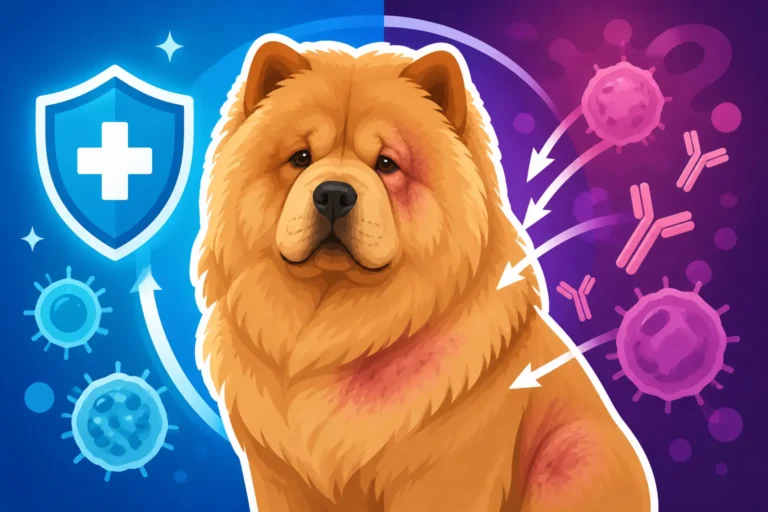
It's a really common thought process: "If I choose a smooth-coated Chow Chow, will I be getting a healthier dog?" Many prospective owners wonder if the rough, dense coat of a typical Chow Chow, with its majestic mane, is a magnet for health problems, making the less fluffy smooth coat a safer bet. This guide will dive deep into whether a smooth-coated Chow Chow genuinely offers a health advantage over its rough-coated counterpart, or if their health is more fundamentally tied to the breed itself and responsible breeding practices, regardless of how much fur they carry.
Understanding the Two Chow Chow Coat Types
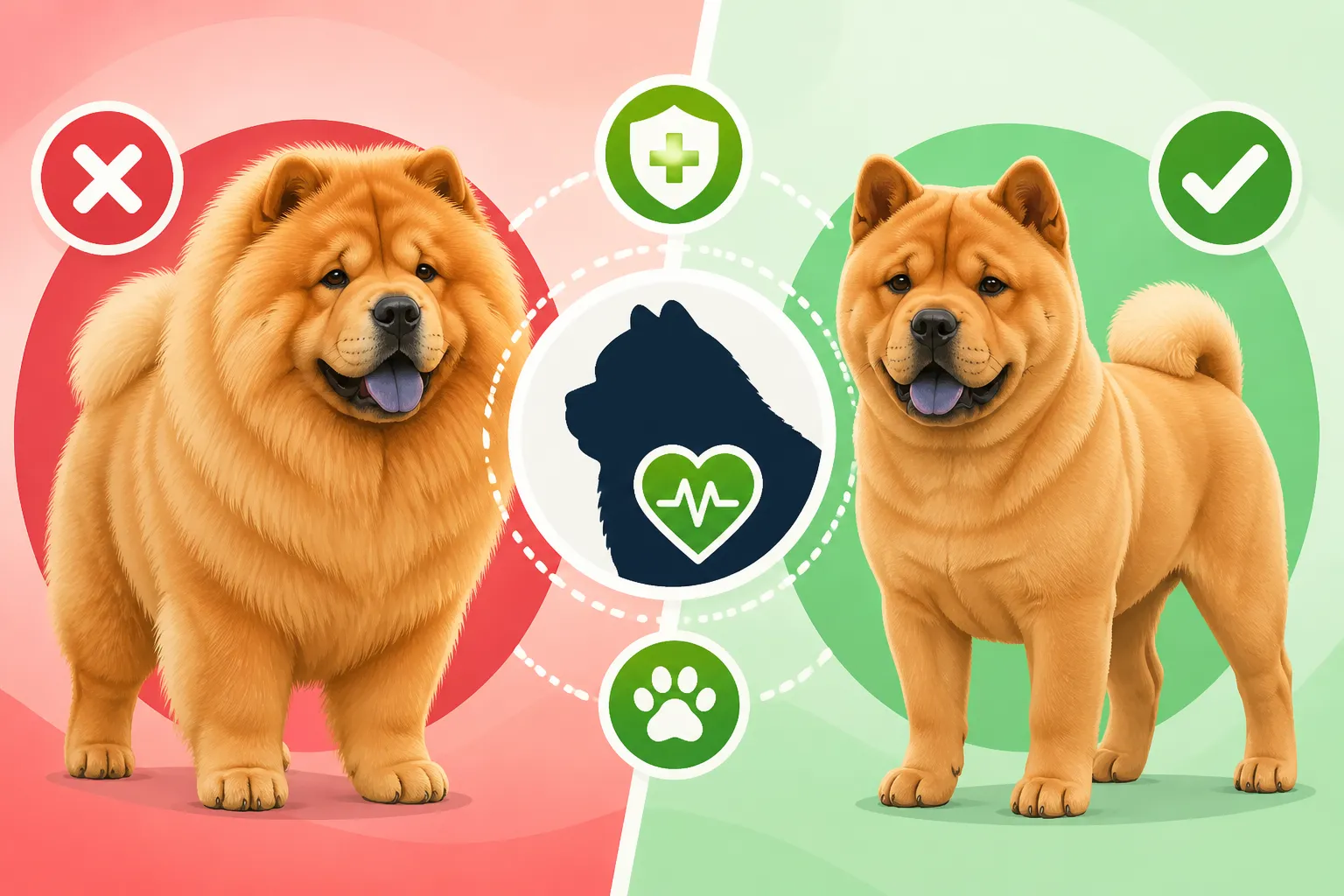
When you picture a Chow Chow, you likely envision that iconic lion-like mane and a luxurious, dense coat. But did you know there are actually two recognized coat types? Both rough and smooth coats are equally purebred, and each comes with its own set of characteristics and grooming needs. Understanding these differences is the first step in addressing any health-related assumptions.
The Distinctive Rough Coat
The rough coat is what most people associate with the Chow Chow breed. It's a magnificent double coat, featuring a harsh, abundant outer coat that stands off the body, and a soft, dense, woolly undercoat. This combination creates that characteristic ruff or mane around the head and shoulders, feathering on the legs, and a heavily plumed tail. It’s undeniably beautiful, giving the dog an imposing and dignified presence.
However, this impressive coat also demands significant attention. The sheer volume and density mean it's prone to matting, especially behind the ears, in the armpits, and around the "britches" on the rear legs. If not meticulously brushed right down to the skin, mats can form close to the body, trapping moisture and debris. This trapped moisture can lead to skin irritations, hot spots, or even bacterial and fungal infections if left unchecked. Owners of rough-coated Chows often feel like they're constantly battling the coat, and it's easy to see how one might assume this constant battle directly equates to more health problems. The truth is, many perceived "health issues" are often simply grooming issues that, if neglected, can escalate into genuine skin problems.
The Sleek Smooth Coat
The smooth-coated Chow Chow, while less common, possesses a equally beautiful, albeit different, double coat. It's still dense, but much shorter, harsher, and significantly less abundant than the rough coat. You won't find the dramatic ruff or extensive feathering. Instead, the dog presents a more compact, tidy silhouette. It's sometimes described as having a "plush" or "velvety" feel, especially in puppies.
Many people are drawn to the smooth coat precisely because it appears to be lower maintenance. Without the long flowing hair, there's less visible matting, less dander flying around, and potentially quicker drying times after a bath. This can lead to the assumption that a smooth-coated Chow Chow will inherently face fewer skin issues or general health challenges. While it's true that the grooming routine might be less labor-intensive in terms of brushing out mats, it's crucial to understand that "less maintenance" doesn't automatically translate to "healthier." A smooth coat still has a dense undercoat and requires regular care to keep the skin healthy and prevent other potential issues from hiding beneath the surface.
Genetic Health Predispositions Across Both Coat Types
It's a common misconception that coat type dictates a breed's overall health. When it comes to Chow Chows, the primary health concerns are deeply rooted in their genetics and breed conformation, affecting both rough and smooth coats equally. The length or density of the fur simply doesn't change these fundamental predispositions.
Common Health Concerns in All Chow Chows
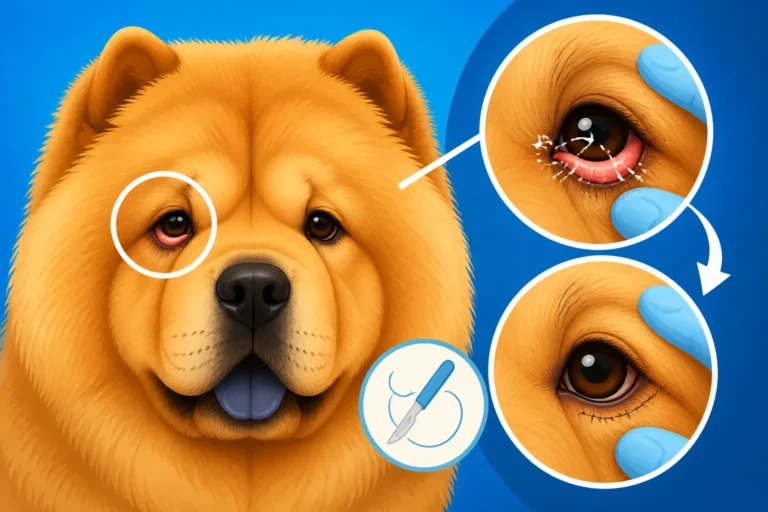
Chow Chows, regardless of whether they sport a voluminous rough coat or a sleek smooth one, are prone to certain breed-specific health conditions. These issues stem from their genetic lineage and unique physical characteristics, not from their hair length. For example, entropion, a condition where the eyelid rolls inward, causing eyelashes to rub against the cornea, is a hallmark problem for the breed. This condition is directly related to the Chow Chow's deep-set eyes and facial structure, which are consistent across both coat varieties. If you've spent any time looking into the breed, you've likely heard about Entropion Is the Chow Chow's Signature Problem and the discomfort it can cause. It's not the amount of fur that makes an eye roll inward; it's the underlying bone structure.
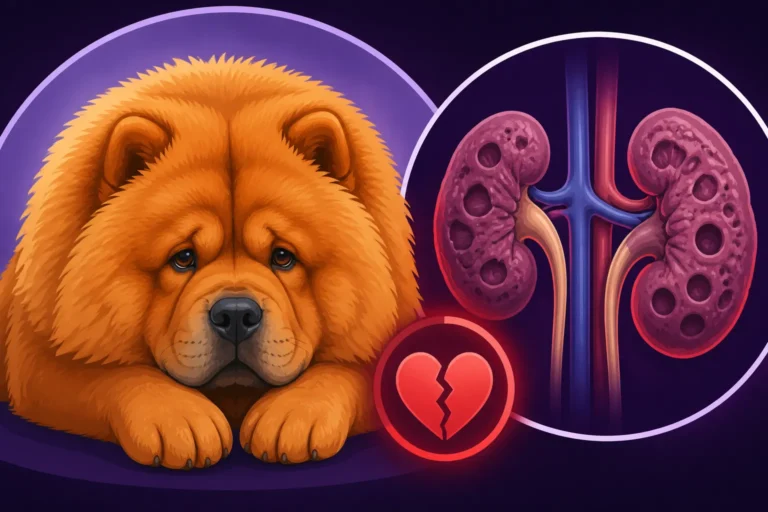
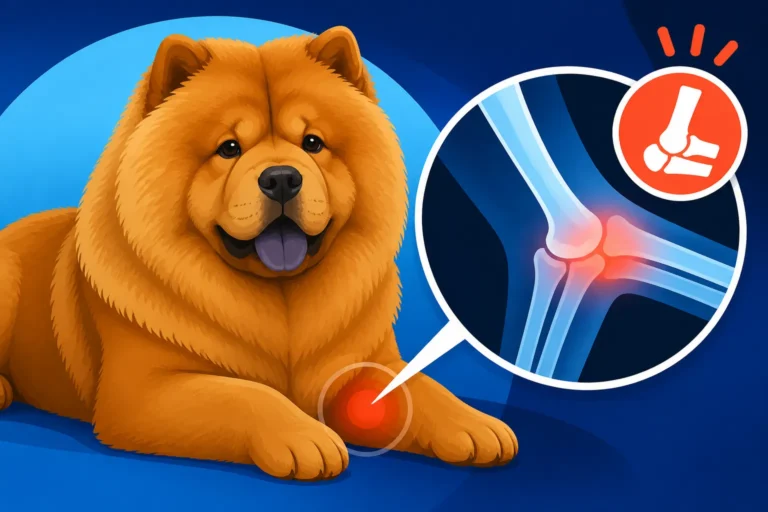
Similarly, orthopedic issues such as hip and elbow dysplasia are significant concerns for Chow Chows. These are developmental conditions affecting the joints, caused by a combination of genetics and environmental factors during growth. A long-haired Chow Chow is no more or less likely to develop these conditions than a smooth-haired one. These are structural issues. Another common concern is autoimmune thyroiditis, leading to hypothyroidism. This is a systemic issue affecting hormone production, and again, entirely unrelated to coat length. Potential owners often wonder about Elbow Dysplasia Ranks the Chow Chow Near the Top among breeds afflicted by it, and it's vital to remember that a smooth coat offers no shield against such genetic vulnerabilities. These are just a few examples that highlight how core health challenges are breed-wide.
The Role of Responsible Breeding, Not Coat Type
Given that many of the Chow Chow's health predispositions are genetic, the single most critical factor in acquiring a healthy puppy of either coat type is finding a responsible, ethical breeder. A breeder who truly prioritizes the health and well-being of their dogs will conduct comprehensive health screenings on their breeding stock, regardless of whether those dogs carry the gene for a rough or smooth coat.
This means extensive testing for conditions like hip and elbow dysplasia through organizations like the Orthopedic Foundation for Animals (OFA) and regular eye examinations by a board-certified veterinary ophthalmologist to check for issues like entropion and glaucoma. They will also screen for thyroid problems. These health clearances are essential because they help ensure that parents are free of, or minimally affected by, heritable conditions, thereby reducing the likelihood of passing these traits on to their offspring. A breeder's commitment to these practices is far more indicative of a puppy's potential health than its coat length. If you're looking for a Chow Chow, you should always ask about What a Chow Chow Breeder Should Have Tested and expect transparent, verifiable results. Choosing a smooth coat to avoid health issues is like choosing a car based on its paint color while ignoring the engine; it misses the fundamental indicators of quality and reliability.
Coat-Related Health Considerations (and Misconceptions)
While the fundamental health predispositions of Chow Chows are independent of their coat type, there are certain considerations where the coat can play a role, or where misconceptions arise. These often relate to skin health and managing environmental factors.
Skin Health and Coat Density
It's tempting to think that a shorter, less dense smooth coat means fewer skin problems. In some ways, it might reduce the visible signs or the frequency of certain issues, but it certainly doesn't eliminate them. Both rough and smooth Chow Chows possess a double coat with a dense undercoat, which means air circulation to the skin can still be limited if not properly managed.
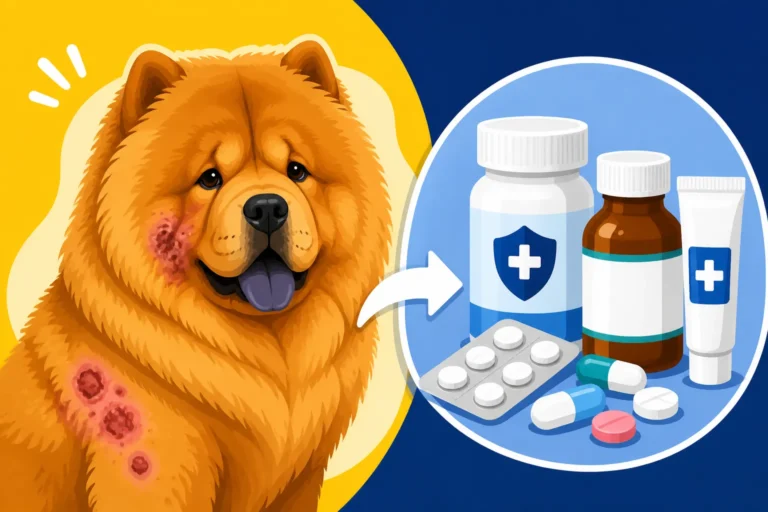
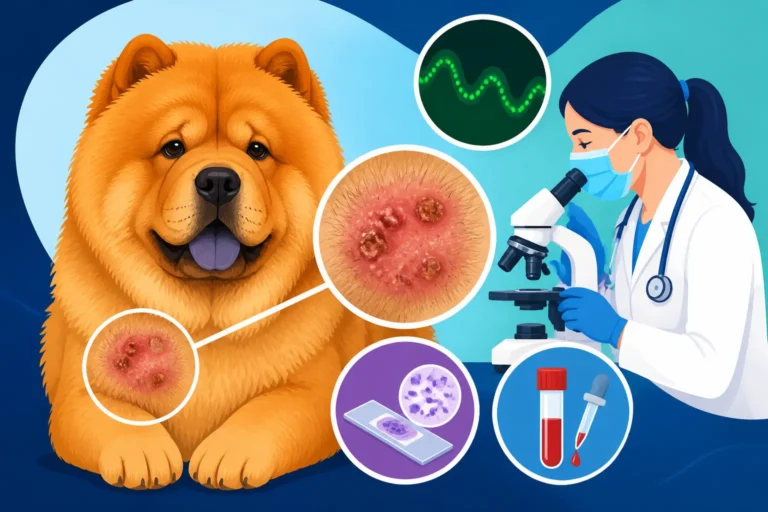
For rough-coated Chows, matting is the primary culprit, as described earlier. Mats pull on the skin, create warm, moist environments perfect for bacteria, and make it incredibly difficult to see or treat underlying skin issues. However, smooth-coated Chows are not immune to skin problems. Their dense undercoat can still trap moisture after a bath if not dried thoroughly, leading to dampness against the skin. They can also develop hot spots, allergies, or other dermatological conditions. The key difference is often one of detection. In a rough coat, a growing hot spot or patch of irritated skin might be hidden for longer and be harder to access for cleaning and treatment. In a smooth coat, such issues might be more readily apparent, but the underlying cause—be it environmental, allergic, or genetic—is rarely tied to the coat length itself. It's less about the coat being the cause, and more about how the coat can conceal or exacerbate an existing issue. This is why knowing Why a Chow Chow's Dense Coat Hides Skin Disease is so important for all Chow Chow owners.
Heat Tolerance and Coat Type
Another common assumption is that a smooth-coated Chow Chow will be significantly cooler and less susceptible to heatstroke than a rough-coated one. While it might seem logical that less fur equals less heat retention, the reality is more nuanced, and frankly, both coat types are equally vulnerable to overheating. The Chow Chow breed as a whole has a diminished capacity to handle heat. This is due to their brachycephalic (short-nosed) head structure, which makes panting less efficient for cooling, and their incredibly dense double coat.
Even the smooth coat features that thick undercoat which is designed to insulate the dog from both cold and heat. It works by trapping a layer of air close to the body, keeping them warm in winter and helping to regulate body temperature in summer. However, in extreme heat or humidity, this insulation can work against them if they don't have adequate ways to cool down. The differences in temperature regulation between a rough and smooth coat in high heat are often negligible compared to the overall breed predisposition to overheating. Both require strict management in warm weather, including limiting exercise during peak heat, providing access to shade and cool water, and being vigilant for signs of heat stress. Understanding Heat Is the Chow Chow's Most Immediate Danger is paramount, regardless of your Chow Chow's coat type. Relying on a smooth coat to make your dog impervious to heat is a dangerous misconception.
Practical Implications for Owners
Choosing a Chow Chow based on coat type for health reasons might not be the golden ticket many hope for, but understanding the practical implications for ownership is still valuable. It helps you prepare for the realities of living with either a rough or smooth-coated Chow.
Grooming Differences and Their Impact
There’s no getting around it: grooming a Chow Chow is a commitment, no matter the coat type. However, the nature of that commitment does differ. A rough-coated Chow Chow requires diligent, frequent brushing, often several times a week, to prevent matting and keep the skin healthy. This isn't just a quick surface brush; it's a deep line-brushing session that reaches all the way to the skin to remove loose undercoat and prevent tangles from forming at the roots. Ignoring this can quickly lead to painful mats that require professional dematting or even shaving, which comes with its own set of risks. Owners must also be adept at drying their rough-coated Chow thoroughly after baths, which can take a considerable amount of time and effort to penetrate the dense undercoat. Our article, Rough or Smooth: the Two Chow Chow Coats and What Each Needs, goes into much greater detail on these requirements.
A smooth-coated Chow Chow still needs regular brushing, perhaps not as frequently as its rough-coated cousin, but consistently to remove shedding undercoat and keep the skin stimulated. While matting is less of an issue, shedding can still be quite pronounced, especially during seasonal "coat blows." You still need to ensure thorough drying after a bath to prevent skin issues beneath the dense undercoat. The key takeaway here is that proper grooming, tailored to the specific coat, is essential for skin health in both types. Neglect of either coat can lead to skin infections, discomfort, and vet visits. It's not that one coat is inherently healthier; it's that consistent, appropriate care makes all the difference.
Choosing a Healthy Chow Chow: Beyond the Coat
Ultimately, if your goal is to bring home the healthiest Chow Chow possible, your focus should extend far beyond the length of its fur. The coat type is a cosmetic preference, not a health determinant. The real markers of a potentially healthy Chow Chow are found in the practices of the breeder and the lineage of the dog.
When you're looking for a puppy, dedicate your energy to finding a reputable breeder who conducts all recommended health clearances on their breeding dogs. Ask to see proof of OFA certifications for hips and elbows, eye certifications from a veterinary ophthalmologist, and thyroid panels. A good breeder will be transparent, willing to answer all your questions, and focused on producing healthy, well-socialized puppies. They'll also be an invaluable resource throughout your dog's life. We encourage you to research Which Health Tests a Chow Chow Breeder Should Run thoroughly.
Beyond breeders, consider adopting a Chow Chow from a rescue organization. Rescue groups often have a wealth of knowledge about their dogs' health histories and temperaments. While a rescue dog might come with unknown genetics, they are typically vet-checked, spayed/neutered, and their current health status is known. You might find a wonderful smooth-coated Chow or a magnificent rough-coated one, both deserving of a loving home. Regardless of where your Chow Chow comes from or what type of coat they have, remember that health care costs can be significant. Planning for the unexpected with pet insurance from a provider like Healthy Paws can provide peace of mind and help ensure you can afford the best care for your furry family member, no matter their coat or genetic predispositions.
| Feature | Rough Coated Chow Chow | Smooth Coated Chow Chow | Health Implications (Reality) |
|---|---|---|---|
| Appearance | Lion-like mane, abundant, long, stand-off coat | Shorter, harsher, less abundant, "plush" coat | Primarily cosmetic; no inherent health advantage in either. |
| Matting Risk | High, especially behind ears, armpits, britches | Low, due to shorter length | Rough coats require more diligent grooming to prevent skin issues from mats. Smooth coats can still get skin issues if undercoat is neglected. |
| Grooming Effort | High: frequent, deep line-brushing, lengthy drying | Moderate: regular brushing, quicker drying | Proper grooming is crucial for skin health in both types. Neglect is detrimental to both. |
| Shedding | Significant, especially during seasonal "coat blows" | Significant, especially during seasonal "coat blows" | Both shed a lot. Smooth may appear to shed less due to shorter hair, but the volume of loose undercoat is still high. |
| Heat Sensitivity | High: dense double coat can trap heat | High: still has a dense double undercoat | Both coats insulate, making both types equally vulnerable to overheating. Brachycephalic structure is the primary factor. |
| Visibility of Skin Issues | Can be hidden by dense fur, harder to detect early | More easily visible due to shorter fur | Easier detection in smooth coats doesn't mean fewer issues; it means earlier diagnosis for owner. |
| Genetic Health Risks | Prone to entropion, dysplasia, thyroid issues | Prone to entropion, dysplasia, thyroid issues | Identical genetic predispositions. Coat type has no bearing on these breed-specific health concerns. |
Disclaimer
This article is for general informational purposes only and does not constitute professional advice. Laws, prices and regulations vary by location and change over time. Consult a qualified professional for guidance on your specific situation.