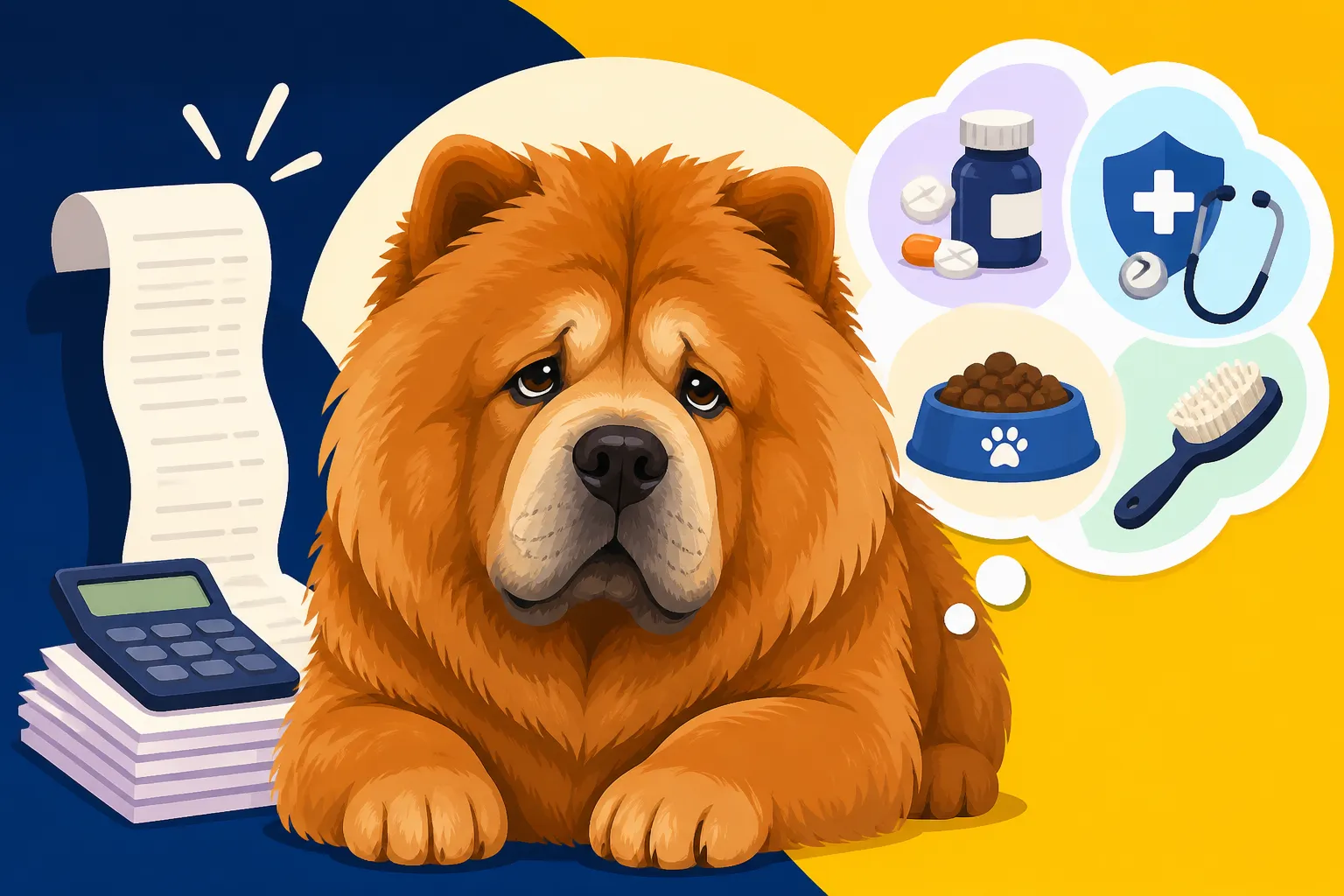
What an Aging Chow Chow’s Bills Look Like
As your cherished Chow Chow reaches their golden years, the shift in their needs often brings a parallel shift in your budget. It's a deeply felt truth that while their companionship grows richer with age, managing the associated costs, particularly for their health and comfort, can feel overwhelming. Many of us grapple with the anxiety of unknown veterinary bills and specialized care. This guide aims to demystify what an aging Chow Chow's bills truly look like, helping you prepare for these expenses with clarity and confidence.
The Inevitable Rise of Senior Veterinary Care
It’s a natural part of life that as our beloved Chows age, their visits to the vet become more frequent, and the conversations often shift from routine preventative care to managing age-related conditions. This isn't just about more appointments; it often involves a deeper dive into diagnostics and, sometimes, ongoing medical treatments that can significantly impact your wallet.
More Frequent Check-ups and Diagnostics
Gone are the days when a single annual check-up felt sufficient. For a senior Chow Chow, typically considered senior around eight years of age, bi-annual (twice a year) veterinary visits become highly recommended. These aren't just quick weigh-ins and vaccinations; they are comprehensive exams designed to catch subtle changes early. Your vet will pay close attention to organ function, mobility, and any shifts in behavior or appetite.
During these visits, you can expect discussions about senior blood panels and urinalysis. These diagnostic tests are critical because they help your vet monitor kidney and liver function, check for underlying infections, assess thyroid levels (a common concern in Chows), and screen for other metabolic diseases that can creep up silently. Early detection of issues like autoimmune thyroiditis (What Autoimmune Thyroiditis Does to a Chow Chow) or early kidney decline, which you might not even notice yet, can make a world of difference in managing the condition and extending your Chow's quality of life. Sometimes, due to the Chow Chow's notoriously reserved nature and dense coat, a vet might even suggest a sedated exam to get an accurate assessment without causing undue stress or risking a defensive snap. This, of course, adds another layer to the cost.
Managing Chronic Conditions
Unfortunately, with age often come chronic conditions that require ongoing management. Arthritis and joint issues are extremely common in Chows, partly due to their unique The Straight Rear Leg No Other Breed Has and heavy build. You might find yourself budgeting for daily pain medication, anti-inflammatory drugs, or joint supplements containing glucosamine and chondroitin. Some vets might even recommend therapeutic laser treatments or physical therapy, which, while beneficial, do add up over time. How an Aging Chow Chow Stiffens is a common concern that can be eased with proactive management.
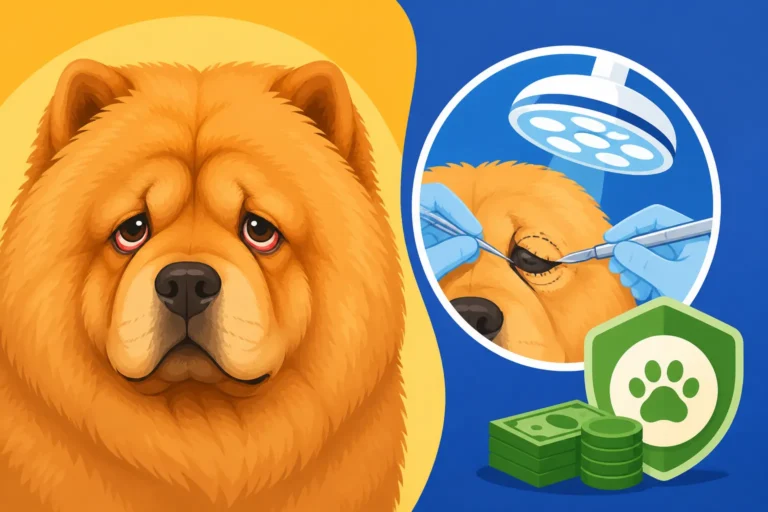
Eye conditions are another frequent concern for the breed. While issues like entropion might have been corrected in their youth, senior Chows can develop cataracts, or be at increased risk for conditions like glaucoma. Regular eye pressure checks and specialized eye drops, if prescribed, become a permanent fixture in your monthly expenses. Even for a condition like entropion that was previously repaired, sometimes secondary issues or recurrences can arise that require further veterinary attention, adding to costs. You might even notice Whether an Aging Chow Chow's Eyes Cloud, which could indicate cataracts or other changes. Furthermore, age can bring a decline in organ function. This could mean prescription diets and medications for conditions like early-stage kidney disease, heart conditions, or diabetes. Each of these diagnoses requires consistent veterinary oversight and ongoing medication, turning a simple vet bill into a recurring expenditure.
Supporting Mobility and Comfort at Home
As your Chow Chow ages, you’ll likely notice a decrease in their agility and overall enthusiasm for physical activities. This isn't just about slowing down; it can mean real pain and discomfort. Investing in ways to support their mobility and ensure their comfort at home becomes paramount, and these adjustments, while invaluable, do contribute to the overall costs.
Joint Support and Pain Management
One of the most common challenges for an aging Chow Chow is navigating their environment when their joints start to ache. Many Chows, especially those with a history of Elbow Dysplasia Ranks the Chow Chow Near the Top or hip dysplasia, will experience increased discomfort. This often necessitates practical changes around the house. Orthopedic beds, designed to cushion pressure points and provide better support than standard dog beds, become essential. These aren't cheap, but they are crucial for a good night's sleep and reducing stiffness.
You might also consider ramps or steps to help your Chow access furniture or climb into a car without straining their joints. Imagine your typically stoic Chow struggling to jump onto the sofa they've always shared with you; a ramp suddenly becomes less of a luxury and more of a necessity. Beyond physical aids, managing their pain involves ongoing expenses for medications like NSAIDs (non-steroidal anti-inflammatory drugs) or other pain relievers prescribed by your vet. These medications are a recurring cost, and while they significantly improve your Chow's quality of life, they need to be factored into your long-term budget. Whether an Aging Chow Chow Needs Help Getting Up is a sign that these aids are becoming critical.
Mobility Aids and Assisted Living
For Chows experiencing more significant mobility issues, you might need to explore specialized aids. Support harnesses that help you lift or stabilize their hindquarters can be incredibly useful, especially for walks or getting up from a lying position. These harnesses are designed to distribute weight evenly and protect your back while assisting your dog. They are an investment but can provide both you and your Chow with much-needed assistance.
Additionally, simple home modifications can make a big difference. Placing non-slip mats or rugs on slippery floor surfaces, especially where your Chow frequently walks, can prevent falls and further injury. For Chows with severe hindquarter weakness or neurological issues, a dog wheelchair might even become an option, offering them a renewed sense of independence and mobility. While these are substantial investments, they allow your Chow to continue enjoying walks and interacting with the world. Brands like Chewy offer a range of orthopedic beds, ramps, and mobility harnesses, giving you options to find what works best for your senior companion.
Dietary Shifts and Nutritional Necessities
What your Chow Chow eats plays a huge role in their health and well-being at any age, but it becomes especially critical as they get older. An aging metabolism, potential health conditions, and changes in appetite mean their diet often needs a complete overhaul, translating into different food bills.
Senior-Specific Diets
As Chows age, their metabolism slows down, and their activity levels typically decrease. This means they often require fewer calories to maintain a healthy weight. Continuing to feed them a high-calorie adult formula can lead to unwanted weight gain, which puts extra strain on already aging joints. Many veterinary nutritionists recommend transitioning to senior-specific dog foods. These formulas are generally lower in calories, higher in fiber to aid digestion, and often fortified with joint-supporting ingredients like glucosamine and chondroitin.
Beyond calorie content, some senior Chows develop health conditions that necessitate specific dietary changes. For example, if your Chow is diagnosed with early kidney disease, they might need a prescription diet that is lower in phosphorus and protein. Dental issues, common in older dogs, can make it difficult for them to chew hard kibble. In such cases, you might need to switch to wet food, softened kibble, or even a fresh-food diet. Companies like Ollie offer customized meal plans that can be tailored to your senior Chow's specific health needs, including softer textures and specialized nutrients. This focus on specific nutritional profiles means senior food often comes with a higher price tag than standard adult kibble, but it’s an investment in their continued health. Whether an Aging Chow Chow Needs Softer Food is a question many owners face.
Supplements and Medication
Beyond specialized diets, many senior Chows benefit from a range of supplements designed to support their aging bodies. Joint supplements, as mentioned earlier, are almost universally recommended to help manage arthritis and maintain cartilage health. Omega-3 fatty acids, often found in fish oil supplements, can help reduce inflammation, support skin and coat health (especially as What Changes in an Aging Chow Chow's Coat can occur), and boost cognitive function. Antioxidants are also frequently recommended to combat cellular aging.
Administering these supplements and any prescribed medications can also add to your costs. Some Chows are particular about pills, requiring you to purchase pill pockets or other treats to disguise their medication. For Chows on multiple medications or those that need very precise dosing, your vet might recommend a compounding pharmacy to create flavored liquids or chews, which can be more expensive than standard pills but significantly reduce the stress of medication time for both you and your dog. These ongoing costs for supplements and medications can easily become a significant monthly expense.
Maintaining Grooming and Hygiene
A Chow Chow's magnificent coat is one of its most defining features, but as they age, maintaining it can become more challenging, and therefore, more costly. Their hygiene needs also tend to increase, often requiring more specialized or frequent attention than in their younger years.
Specialized Grooming Needs
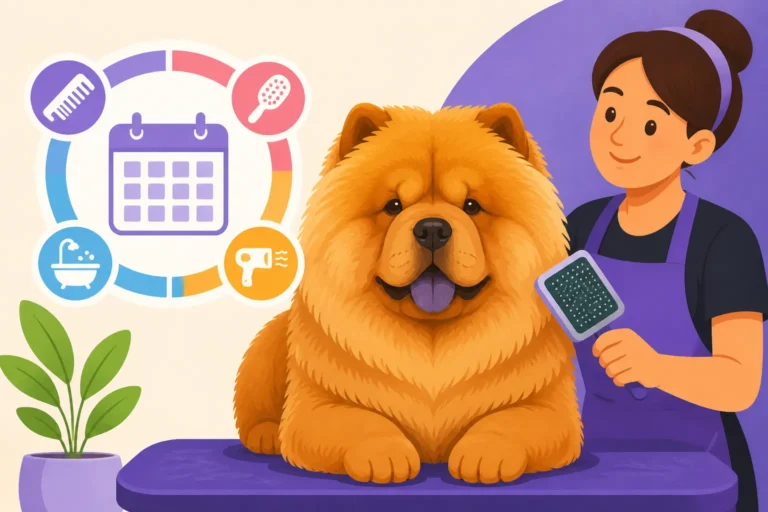
An aging Chow Chow might become less tolerant of long brushing sessions or struggle to stand still for extended periods. Yet, their dense double coat remains prone to matting, especially in areas like behind the ears, armpits, and britches. Mats can be incredibly painful, pulling at the skin, restricting movement, and creating a breeding ground for skin infections. As your Chow slows down, they may also lie down more, increasing the risk of matting.
This often means more frequent, shorter grooming sessions at home, or, increasingly, relying on professional groomers. A professional groomer experienced with Chows can efficiently and gently work through their coat, ensuring it’s free of mats and knots, especially during their twice-yearly "coat blow" when they shed heavily. Expect to pay a premium for experienced groomers who understand the breed's temperament and coat needs. They may also charge extra for de-matting or for Chows that require more time and patience. Finding a Groomer Who Will Take a Chow Chow can sometimes be a challenge, and those who do often have higher rates for the breed. How Long Home Grooming a Chow Chow Takes Weekly might become impractical for some owners, making professional services a necessity.
Dental Care and Ear Health
Dental health is a frequently overlooked, yet critical, aspect of senior dog care. As Chows age, they are more prone to plaque buildup, tartar, gum disease, and even tooth loss. These issues can cause significant pain, make eating difficult, and even lead to systemic infections if bacteria from the mouth enter the bloodstream. Routine professional dental cleanings under anesthesia become essential, and these are not inexpensive procedures, often requiring pre-anesthetic bloodwork and careful monitoring.
The Chow Chow's thick ruff and folded skin around their face can also create areas where moisture and debris can get trapped, leading to skin folds and potential infections if not kept clean. Regularly wiping around their deep-set eyes and face folds becomes important to prevent irritation and staining. While their ears are generally less prone to infection due to their smaller, rounded shape, regular checks for wax buildup and signs of irritation are still prudent. If your senior Chow develops an ear infection, it will require veterinary consultation, medication, and possibly special cleaning solutions, all adding to your expenses.
Preparing for the Unexpected: Insurance and End-of-Life Planning
While we all hope for our Chows to live long, healthy lives, planning for potential health issues and eventual end-of-life care is a responsible, though difficult, part of senior pet ownership. Understanding pet insurance and budgeting for these final stages can alleviate significant stress during an already emotional time.
Pet Insurance Considerations
Pet insurance can be a lifeline for managing the often-high costs of senior veterinary care. However, it's a double-edged sword: while it’s invaluable, obtaining a new policy for a senior Chow Chow can be challenging. Many insurance providers have age limits for new enrollments, and almost all policies exclude pre-existing conditions. This means if your Chow develops arthritis at age nine, and you try to get insurance then, it likely won't cover that condition.
If you already have a policy, say with Healthy Paws or a similar provider, it's crucial to understand your coverage as your Chow ages. Premiums typically increase with age, and you'll want to review your deductible, reimbursement rate, and annual limits. Pet insurance is most beneficial when started when your dog is young and healthy, as it then covers conditions that develop later in life. For those without existing insurance, you’ll need to be prepared to cover all veterinary costs out-of-pocket, which can quickly spiral into thousands of dollars for chronic disease management or emergency situations. It's a sobering thought, but one that needs careful consideration to prevent financial strain during an already difficult time. What Pet Insurance Costs on a Chow Chow at Eight is a clear indication that it's an investment.
Budgeting for End-of-Life Care
This is perhaps the hardest conversation to have, but it’s a necessary one. As your Chow Chow reaches the very end of their life, there might be a period of palliative care or hospice care, where the focus shifts from curing to comforting. This can involve pain management, medications to ease symptoms, and potentially even specialized in-home care. These services, while incredibly compassionate, come with costs.
When the time comes for humane euthanasia, there are associated fees for the procedure itself, often with options for in-home services which, while comforting, are usually more expensive than at the vet's office. Beyond that, many owners choose cremation – either communal or private – and memorialization options like urns, paw prints, or keepsakes. These expenses, while emotional, need to be considered. Knowing What a Chow Chow's Final Illness Costs or what cremation services entail ahead of time can help you make decisions with a clear head when your heart is undoubtedly heavy. It's about being able to give your loyal companion a peaceful and dignified farewell without added financial stress.
Common Senior Chow Chow Expenses at a Glance
To help you visualize the potential costs, here’s a breakdown of common expenses you might encounter as your Chow Chow ages.
| Expense Category | Typical Senior Chow Chow Needs | Frequency | Estimated Impact on Bills |
|---|---|---|---|
| Veterinary Exams | Bi-annual general exams, geriatric blood panels, urinalysis | Every 6 months | Significantly higher; chronic condition management is key |
| Medications | Pain relievers (NSAIDs), joint supplements, thyroid meds, eye drops, heart meds | Daily/Monthly | Regular, ongoing expense; can increase with new diagnoses |
| Specialized Diet | Senior formulas, prescription diets (e.g., kidney, joint) | Monthly | Moderate increase over adult food, especially for prescription |
| Grooming | More frequent professional grooming, de-matting | Every 4-8 weeks | Moderate to high, depending on coat condition and frequency |
| Dental Care | Sedated dental cleanings, extractions | Every 1-3 years | Potentially high, especially if multiple extractions are needed |
| Comfort Items | Orthopedic beds, ramps, non-slip mats, support harnesses, cooling mats | One-time/Occasional | Initial investment, then occasional replacements |
| Pet Insurance | Premiums for existing policies | Monthly | Monthly premium; crucial for managing large unexpected costs |
| Mobility Aids | Slings, carts (if severe mobility issues) | One-time | Potentially high initial cost for specialized equipment |
| Emergency Care | Unforeseen illness, injury, organ failure | As needed | Highly variable, can be very substantial |
| End-of-Life Care | Palliative care, euthanasia, cremation | One-time | Significant expense during an emotional time |
The costs associated with caring for an aging Chow Chow are multifaceted and can be substantial. From increased veterinary visits and managing chronic conditions to specialized diets and ensuring their comfort at home, each aspect requires careful consideration and budgeting. However, with proactive planning and a deep understanding of what to expect, you can ensure your beloved Chow Chow enjoys their senior years with comfort, dignity, and the best possible care. This journey is a testament to the enduring bond you share, and preparing for it allows you to focus on the love, rather than the unexpected financial strains. Caring for an Old Chow Chow is a profound commitment, and understanding the financial landscape is a crucial part of that journey.
Disclaimer
This article is for general informational purposes only and does not constitute professional advice. Laws, prices and regulations vary by location and change over time. Consult a qualified professional for guidance on your specific situation.