Whether Both of a Chow Chow’s Eyes Are Done at Once
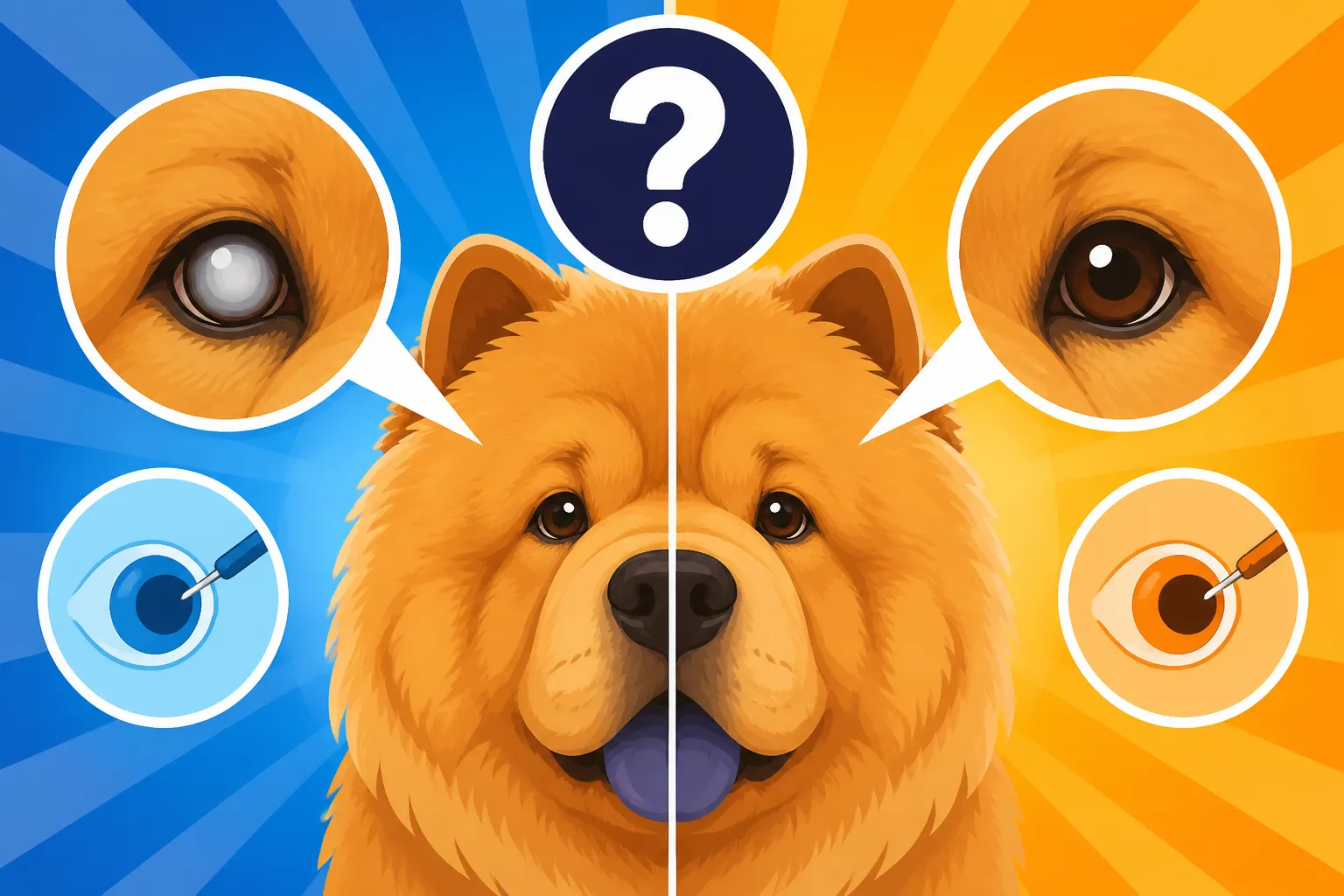
It's incredibly frustrating when your beloved Chow Chow is squinting, tearing, and clearly uncomfortable because their eyelids are rolling inward. Once you've navigated the diagnosis of entropion, the next big question that often keeps owners up at night is whether both of your dog's eyes can be fixed at the same time. This guide will walk you through the factors veterinarians consider when deciding on simultaneous or staged entropion surgery for your Chow Chow, helping you understand the complexities and what to expect.
The Nature of Entropion in Chow Chows
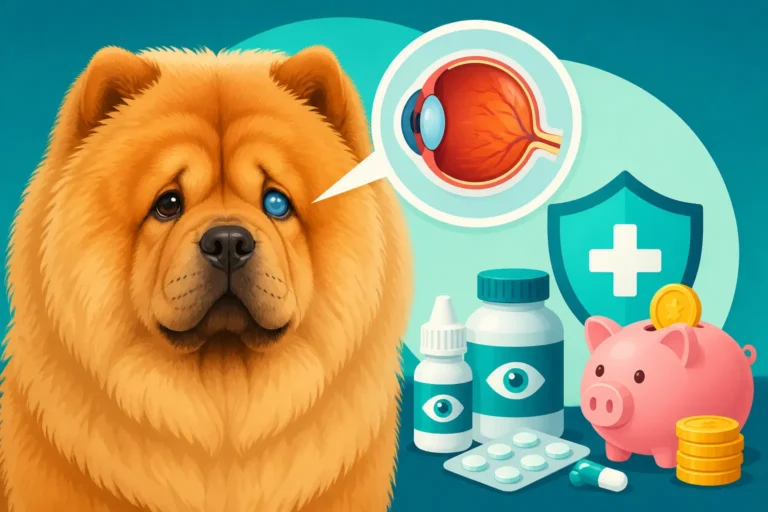
Chow Chows, with their distinct facial structure and deep-set eyes, are unfortunately predisposed to entropion. It's not just a minor irritation; the eyelid margin, and often the lashes, literally rub against the delicate surface of the cornea, causing constant pain, irritation, and potentially serious damage. This condition can affect one eye or both, and the severity can vary greatly.
Why Entropion Is So Common in Our Chows
If you've ever looked closely at a Chow Chow's adorable, scowling expression, you'll notice their characteristic facial folds and thick fur around their eyes. While these traits contribute to their unique charm, they are also primary culprits in the development of entropion. The skin and fat around their eyes can be quite heavy, pushing the eyelid margin inward. Sometimes, it's not even the skin folding in, but rather the way the eyelid itself is structured, causing the margin to invert. It’s truly a breed-specific challenge that many owners face. Entropion Is the Chow Chow's Signature Problem delves deeper into this.
What makes it even more complex is that sometimes puppies might show signs, and then it seems to resolve, only to return later, or it might manifest as they grow and their facial structure fully develops. It's a journey, not a single snapshot in time. The Age Entropion Shows in a Chow Chow Puppy discusses this further.
The Real Risks of Untreated Entropion
Ignoring entropion isn't an option. The constant friction of hair on the cornea is like having a tiny, irritating brush rubbing your own eye every second of every day. This leads to chronic inflammation, excessive tearing, and squinting. More seriously, it can cause corneal ulcers, which are open sores on the eye's surface. A severe ulcer can lead to infection, scarring, and even rupture of the eyeball, resulting in permanent vision loss or requiring removal of the eye. What a Corneal Ulcer Does to a Chow Chow explains these dangers in detail. It's a painful condition that needs addressing, not just for comfort but for your dog's long-term eye health and vision.
Deciding on One Eye or Both: Veterinary Considerations
When it comes to entropion surgery, there isn't a one-size-fits-all answer for whether both eyes are operated on simultaneously. The decision is a complex one, made in close consultation with your veterinary ophthalmologist or experienced surgeon. They'll weigh several crucial factors, always prioritizing your Chow Chow's safety and successful recovery.
Severity and Presentation in Each Eye
The first thing your vet will assess is the severity of the entropion in each eye. Is one eye significantly worse than the other? Does one eye have a corneal ulcer that requires immediate attention, while the other is merely irritated?
Consider a scenario where your Chow Chow, Barnaby, has a deep, painful ulcer on his left eye, but his right eye only shows mild tearing. In this case, your vet will almost certainly recommend addressing the severely affected left eye first. The priority is to relieve the acute pain and prevent further damage to the left eye. The right eye can then be monitored, and surgery can be planned for a later date if needed. On the other hand, if both of Barnaby's eyes are equally and severely affected, with significant corneal irritation in both, then bilateral surgery might be considered more strongly, provided other factors align. This balancing act is crucial for successful outcomes.
Anesthesia Time and Patient Safety
Anesthesia is always a concern with any surgery, and the longer a dog is under anesthesia, the greater the potential risk, especially for a breed like the Chow Chow which can sometimes be a bit more sensitive. Performing surgery on both eyes doubles the surgical time, and thus, the anesthesia time.
Veterinarians are meticulous about patient safety during anesthesia. They monitor heart rate, respiration, blood pressure, and oxygen saturation continuously. For a longer procedure, the body is under stress for an extended period. If your Chow Chow has any underlying health concerns – perhaps a heart murmur, kidney issues, or is on the older side – your vet might strongly advise against a prolonged anesthetic event. They might suggest splitting the surgeries to minimize risk, allowing your dog to fully recover from one procedure before undergoing another. Your vet will often recommend pre-anesthetic bloodwork to catch any potential issues. Whether a Chow Chow Tolerates Anesthesia goes into more depth about this.
Post-Operative Care Challenges
Imagine trying to keep one eye protected and medicated after surgery. Now imagine doing that for both eyes simultaneously. This is where the practicalities of post-operative care come into play, and it's a significant factor in the decision-making process.
- Cone of Shame: Your Chow Chow will absolutely need to wear an Elizabethan collar (the infamous "cone of shame") to prevent them from rubbing or scratching their surgical sites. With both eyes operated on, the cone becomes even more critical, and your dog will be completely dependent on you for guidance around the house. Their vision will be severely compromised, making navigation difficult and stressful.
- Medication Administration: You’ll likely be administering multiple eye drops or ointments to the surgical sites several times a day. Juggling two eyes, especially with a typically stoic and sometimes resistant Chow Chow, can be challenging. Many Chows are not thrilled about having their faces handled.
- Activity Restriction: Your dog will need strict rest and restricted activity to prevent stitches from tearing. With limited vision from both eyes, preventing them from bumping into things or running too much becomes a full-time job.
- Pain and Discomfort: While pain management is excellent, bilateral surgery means more overall discomfort, which can make your dog more agitated or difficult to manage during recovery.
Many vets and owners find that staging the surgeries, perhaps a few weeks or months apart, makes the recovery period much more manageable for both the dog and the human. It means enduring two recovery periods, but each one is less intense. For recovery supplies, you might find some great options, like comfortable recovery collars or specialized feeding bowls, on sites like Chewy.
The Staged Approach: Advantages and Disadvantages
Opting for staged surgery – addressing one eye at a time – is a common recommendation for entropion in Chow Chows. It offers several benefits, but it also comes with its own set of considerations.
Advantages of Staged Surgery
When your vet suggests treating one eye at a time, they’re usually thinking about maximizing success and minimizing stress for everyone involved.
- Reduced Anesthetic Risk: This is perhaps the biggest advantage. By splitting the surgeries, your Chow Chow spends less time under general anesthesia during each procedure. This is particularly beneficial for older Chows or those with any underlying health conditions. Less time under means a quicker, safer recovery from the anesthetic itself.
- Easier Post-Operative Care: Trying to manage a dog with limited vision in both eyes, especially a powerful and sometimes stubborn Chow Chow, is incredibly difficult. With only one eye operated on, your dog still has some functional vision, making it easier for them to navigate their environment, eat, drink, and move around more comfortably. Administering eye drops to one eye is also significantly less stressful than trying to treat both eyes multiple times a day. You can focus all your attention on healing that single surgical site.
- Improved Surgical Precision: While highly skilled, even the best veterinary ophthalmologists might benefit from having a well-rested, fully recovered patient for the second procedure. It allows them to fine-tune the technique if needed, based on the initial outcome, ensuring the best possible result for the second eye.
- Observing the First Eye's Outcome: Sometimes, the exact amount of eyelid tissue to remove or adjust is a delicate balance. Performing one eye first allows the surgeon to see how that eye heals and determine if any slight adjustments in technique might be beneficial for the second eye, ensuring a more optimal long-term result. This is especially true given that How Entropion Surgery Changes a Chow Chow's Face is something owners are often curious about.
Disadvantages of Staged Surgery
Of course, staging the procedures isn't without its downsides, and these are important to discuss with your vet before making a decision.
- Two Anesthetic Events: While each individual anesthetic event is shorter and potentially safer, your Chow Chow will still need to undergo general anesthesia twice. This means two separate periods of fasting, two separate recoveries from sedation, and twice the stress of going to the clinic.
- Increased Overall Cost: This is a major factor for many owners. You're essentially paying for two separate surgeries, which includes two anesthetic inductions, two sets of medications, and two distinct hospital stays. While the cost per procedure might be the same, the total financial outlay will be higher. This is where pet insurance, like Healthy Paws, can be a real lifesaver, though it's important to understand their coverage for pre-existing conditions and staged procedures.
- Extended Recovery Time: Instead of one intense recovery period, you'll have two shorter, but still significant, recovery periods. This means two stretches of strict rest, two rounds of medication, and two periods where your Chow Chow is wearing a cone. It can feel like a longer overall process for the owner, even if it's easier on the dog in the short term.
- Continued Discomfort in the Second Eye: If both eyes are affected, choosing to do one at a time means the untreated eye continues to cause discomfort until its turn comes. This can be hard for owners to witness, knowing their dog is still experiencing irritation, even if it's less severe than the treated eye.
It's a balance of risks, benefits, and practical considerations. Discussing these thoroughly with your veterinary team is essential to make the best decision for your specific Chow Chow and your family’s capacity for care.
Specific Cases: Puppy Tacking vs. Adult Surgery
The discussion around single versus bilateral surgery often takes on different nuances depending on the age of your Chow Chow and the type of procedure being considered.
Puppy Eyelid Tacking
For Chow Chow puppies showing early signs of entropion, especially if they are very young, a temporary procedure called eyelid tacking is often recommended. This isn't a permanent surgical correction but rather a way to evert the eyelid margin using sutures to relieve the immediate irritation and allow the puppy to grow without constant corneal damage.
- Why Tacking is Done: The idea here is to give the puppy's face a chance to grow and develop. Sometimes, as they mature, the entropion lessens or even resolves as their facial structure changes. It's a less invasive procedure with shorter anesthesia time.
- Simultaneous Tacking: With tacking, it's far more common for both eyes to be tacked at the same time if both are affected. The procedure is much quicker and less traumatic than full corrective surgery. The stitches are temporary and usually removed after a few weeks, or they dissolve on their own. The aim is simply to provide relief during a crucial developmental period. The recovery is generally less intense, and since it's temporary, the visual obstruction post-op is less of a long-term concern. What Eyelid Tacking Does for a Chow Chow Puppy goes into more detail.
- Follow-Up: Even after tacking, many Chow Chows will still require permanent corrective surgery later in life once their adult facial structure is established. Tacking merely buys them time.
Adult Corrective Surgery
For adult Chow Chows, the definitive entropion surgery is a permanent correction, involving the removal of a small crescent-shaped piece of skin and muscle from below the eyelid (for lower lid entropion) to pull the lid margin outward.
- Complexity: This is a more complex surgical procedure than tacking, requiring precise measurements and careful suturing to achieve the correct tension and eversion of the eyelid. The goal is a permanent fix, so precision is paramount.
- The Bilateral Question: As discussed earlier, for this type of permanent surgery, the decision to do one or both eyes at once is much more heavily debated due to the increased anesthesia time, more intense post-operative care, and greater discomfort for the dog. While it's possible for both to be done at once, many veterinary ophthalmologists lean towards a staged approach for adult Chows, especially if the entropion is severe or if the dog's temperament makes post-op handling challenging.
- Individual Assessment: Ultimately, the decision for adult surgery will hinge on the individual Chow Chow's overall health, the severity of the entropion in each eye, the presence of corneal damage, and the owner's ability to provide diligent post-operative care.
It's a marathon, not a sprint, when it comes to managing entropion in our Chows. The journey often starts with understanding the problem and progresses through careful veterinary consultation to ensure the best possible outcome for their comfort and vision.
Preparing for Entropion Surgery and Recovery
No matter if your Chow Chow is undergoing surgery on one eye or both, preparation is key. A smooth recovery often depends on how well you've prepared your home and your mindset for the days and weeks following the procedure.
Before the Surgery
Preparation begins long before you head to the vet clinic.
- Vet Consultations: Have a thorough discussion with your veterinary ophthalmologist. Ask every question you can think of. Understand the exact procedure, the potential risks, the expected recovery timeline, and the specific aftercare instructions. Make sure you understand why they are recommending a single-eye or bilateral approach.
- Pre-Anesthetic Workup: Your vet will likely require blood tests and possibly other diagnostics to ensure your Chow Chow is a good candidate for anesthesia. This might include a full physical exam and checking for conditions like Autoimmune Disease in a Chow Chow or other systemic issues that could complicate surgery.
- Home Preparation:
- "Cone-Friendly" Space: Clear pathways in your home. Your Chow Chow will be wearing a cone, which restricts their peripheral vision and makes navigating tight spaces difficult. Move anything they might bump into.
- Food and Water Bowls: Consider elevated bowls or wider, shallower bowls that your Chow Chow can access while wearing the cone. Brands like Chewy often carry a variety of specialized bowls for post-operative pets.
- Resting Area: Set up a comfortable, quiet, and easily accessible resting area. This might be a crate if your dog is crate-trained, or a designated bed in a low-traffic area.
- Medication Pick-Up: Ensure you pick up all prescribed medications before your Chow Chow comes home. This might include eye drops, oral pain medication, and anti-inflammatories.
- Practice with the Cone (if possible): If your dog isn't used to a cone, try to introduce it for short periods beforehand, making it a positive experience with treats. This can reduce stress post-surgery.
During Recovery
The recovery period is critical for ensuring the surgery is successful and your Chow Chow heals properly. It demands patience and diligence.
- Strict Cone Protocol: This is non-negotiable. Your Chow Chow must wear the Elizabethan collar at all times until your vet says otherwise. Even a moment of rubbing or scratching can tear stitches or cause infection, undoing all the good the surgery did. It's tough to watch them struggle, but it's for their own good.
- Medication Administration: Follow your vet's instructions for eye drops and oral medications precisely. Set reminders on your phone if needed. If your Chow Chow is particularly resistant to eye drops, ask your vet for tips or demonstration. Sometimes a high-value treat, perhaps from a brand like Ollie, can help distract them.
- Activity Restriction: Keep your Chow Chow calm and quiet. No running, jumping, roughhousing, or long walks. Leash walks for potty breaks only, and always supervise. Prevent them from climbing stairs or jumping on furniture if possible. This restriction helps prevent swelling and damage to the surgical site. How Long a Chow Chow Recovers From Eye Surgery is a good resource for understanding recovery timelines.
- Monitoring the Eyes: Watch for any signs of complications: excessive swelling, redness, discharge, foul odor, or if your Chow Chow seems to be in increased pain despite medication. Report anything unusual to your vet immediately.
- Follow-Up Appointments: Attend all scheduled follow-up appointments. These are crucial for your vet to check the healing, remove stitches if necessary, and ensure everything is progressing as it should.
Remember, you are your Chow Chow’s advocate. Don't hesitate to call your vet if you have any concerns during the recovery period, no matter how small they may seem. Your proactive care makes all the difference in their healing journey.
Long-Term Outlook After Entropion Surgery
Once the initial recovery period is over, most Chow Chows experience significant relief and a much-improved quality of life after successful entropion surgery. However, it's important to understand the potential for recurrence and the need for ongoing eye care.
Success Rates and Potential for Recurrence
The good news is that entropion surgery generally has a very high success rate, especially when performed by an experienced veterinary ophthalmologist. The goal is to permanently correct the eyelid inversion, preventing the painful rubbing against the cornea. Most Chow Chows go on to live comfortable lives without further issues related to that specific surgical site.
However, it’s not a 100% guarantee, and sometimes recurrence can happen.
- Under-correction or Over-correction: Very rarely, the initial surgery might result in under-correction (the eyelid still rolls in slightly) or over-correction (the eyelid rolls out, a condition called ectropion). Both might require a second, minor corrective procedure.
- Changes with Age: As your Chow Chow ages, their skin elasticity can change. While rare for a fully corrected eyelid to re-invert significantly, subtle changes can occur.
- Breed Predisposition: Because Chow Chows are genetically predisposed to entropion, even if one area is corrected, other parts of the eyelid might develop issues, or the same area could be problematic again years down the line. This isn't a failure of the surgery but rather a characteristic of the breed's anatomy. It’s why some Chows may need Whether a Chow Chow Needs Entropion Surgery Twice.
Your vet will discuss these possibilities with you. Often, if a recurrence does happen, it's much milder and may not always require another full surgical intervention, but rather careful monitoring or less invasive treatments.
Ongoing Eye Care and Monitoring
Even after successful surgery, maintaining good eye health for your Chow Chow is essential.
- Regular Vet Check-ups: Continue with routine veterinary check-ups. Your vet can monitor their eyes during these visits and catch any subtle changes early. This is especially true given that Whether a Chow Chow Needs a Yearly Eye Exam is a good idea.
- Daily Eye Checks: Make it a habit to quickly check your Chow Chow's eyes daily. Look for:
- Excessive tearing or discharge
- Squinting or holding an eye closed
- Redness or inflammation
- Cloudiness or changes to the corneal surface
- Any hair visibly touching the eye
- Cleaning Face Folds: With their beautiful but deep face folds, Chows can accumulate moisture and debris, which can sometimes impact eye health or irritate the skin around the eyes. Gently wiping their face folds with a clean, damp cloth can help keep this area clean and dry. How Often a Chow Chow's Face Folds Need Cleaning discusses this further.
- Prompt Veterinary Attention: If you ever notice any of the warning signs above, don't delay in contacting your veterinarian. Early intervention can prevent minor issues from becoming major problems.
Entropion surgery is a significant step towards ensuring your Chow Chow lives a comfortable, pain-free life. By understanding the surgical options, committing to thorough post-operative care, and providing ongoing monitoring, you can help your beloved companion maintain excellent eye health for years to come.
Disclaimer
This article is for general informational purposes only and does not constitute professional advice. Laws, prices and regulations vary by location and change over time. Consult a qualified professional for guidance on your specific situation.