What Glaucoma Treatment Costs a Chow Chow Owner
One of the most heart-wrenching realities of sharing your life with a Chow Chow is confronting unexpected health challenges, and few can hit as hard, both emotionally and financially, as glaucoma. When your beloved companion's vision is at stake, and every second counts, the last thing you want to be worrying about is the looming veterinary bill. This guide is here to walk you through the various financial aspects of diagnosing, treating, and managing glaucoma in your Chow Chow, helping you understand what to expect during this incredibly stressful time.
Understanding Glaucoma in Chow Chows and Its Urgency
Glaucoma is not just a general eye issue; it's a rapidly progressing, incredibly painful condition that can steal your Chow Chow's eyesight in a matter of days, sometimes even hours. For Chow Chow owners, understanding this urgency isn't just about saving vision, it's about alleviating intense suffering. The financial implications are directly tied to how quickly you recognize the problem and seek intervention.
Why Glaucoma is a Critical Issue for Chow Chows
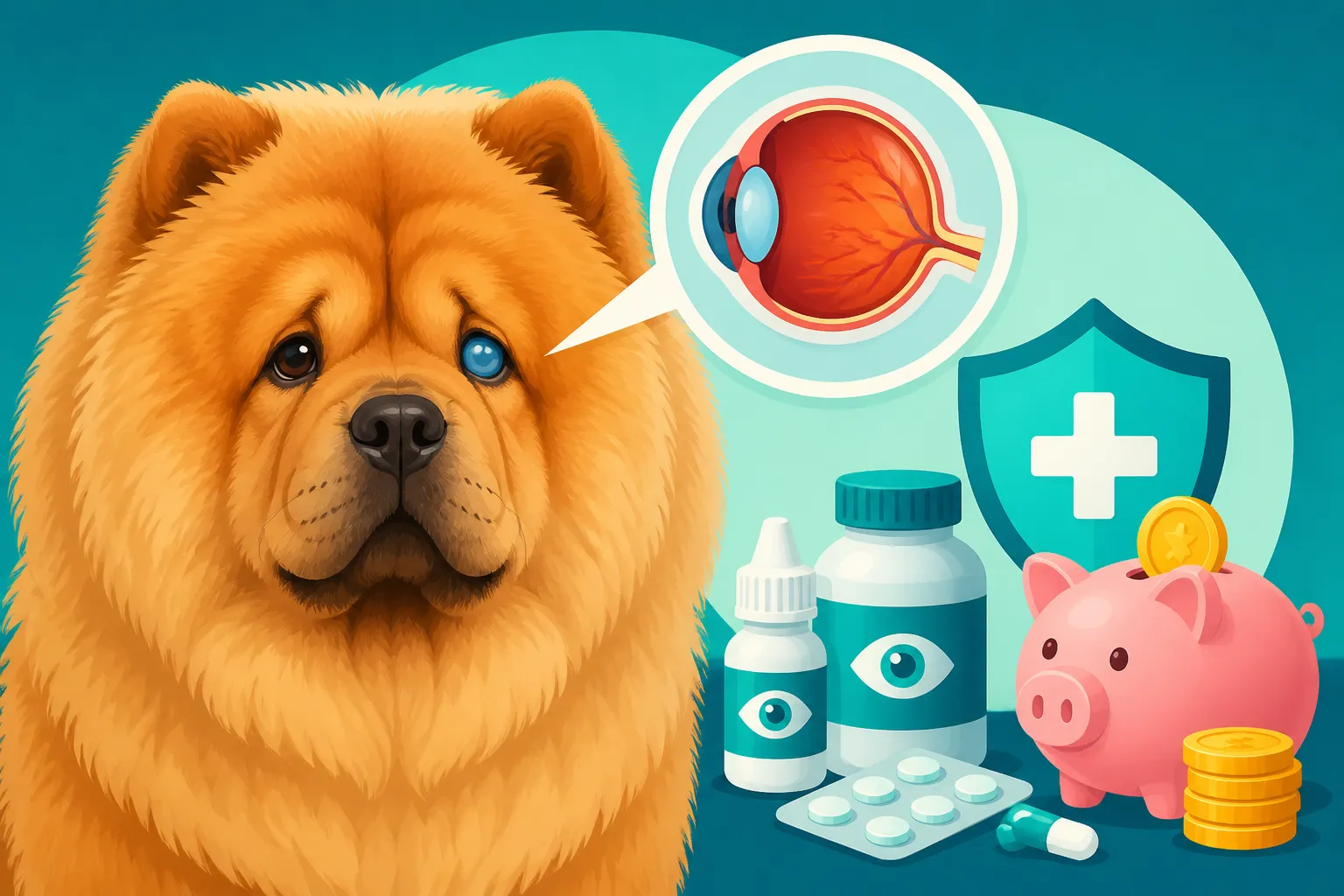
Chow Chows are unfortunately predisposed to a particularly aggressive form of glaucoma known as primary closed-angle glaucoma. This isn't just bad luck; it's often due to their unique eye structure. Imagine the intricate drainage system in your sink getting suddenly blocked – that's essentially what happens in a Chow Chow's eye. The fluid inside the eye, called aqueous humor, can't drain properly because the angle where it's supposed to exit becomes very narrow or even completely occluded. This leads to a rapid build-up of pressure, which then mercilessly damages the optic nerve and the retina. Because of this anatomical predisposition, knowing Why a Chow Chow's Drainage Angle Is Narrow is key to understanding their elevated risk. This isn't just a minor discomfort; it’s a severe emergency that causes blinding pain and, without swift action, permanent blindness.
Recognizing the Signs and the Need for Immediate Action
Spotting the signs of glaucoma early can make a critical difference, both for your dog's prognosis and for your wallet. Often, owners might initially notice their Chow Chow squinting, rubbing at their eye, or appearing withdrawn. The affected eye might look cloudy or hazy, and the pupil might be dilated. The white of the eye can become very red, and sometimes the eye itself appears larger or more prominent. This pain is excruciating, and your stoic Chow Chow might hide it until it's advanced. You might notice they're suddenly bumping into things on one side, or reluctant to go down stairs. It's vital to recognize Signs a Chow Chow Has Glaucoma because every hour that passes with elevated eye pressure means more irreversible damage. Delaying treatment by even a day or two can mean the difference between saving some vision and losing the eye entirely, which then limits treatment options and changes the financial outlay considerably.
Initial Diagnostic Costs for Glaucoma
Before any treatment plan can begin, your veterinarian needs to confirm the diagnosis and assess the severity of the glaucoma. These initial diagnostic steps are crucial and come with their own set of costs, laying the groundwork for all subsequent decisions.
General Veterinary Exam and Initial Pressure Checks
Your first step will undoubtedly be an emergency visit to your regular veterinarian. During this visit, your vet will perform a thorough physical examination, including a careful inspection of your Chow Chow's eyes. The most important diagnostic tool for glaucoma is tonometry, which measures the intraocular pressure (IOP) within the eye. This is usually a quick, relatively non-invasive procedure where a small probe gently touches the surface of the eye after a numbing drop has been applied. While the initial exam and tonometry might seem straightforward, they are vital in determining the immediate next steps. The cost for an emergency visit, combined with pressure checks, will be a starting point in understanding your financial commitment. It's also worth noting that if your Chow Chow is particularly anxious or uncooperative due to pain, mild sedation might be necessary, adding a modest but important increment to this initial bill. Your vet needs to know How a Chow Chow's Eye Pressure Is Measured accurately.
Specialist Consultation with a Veterinary Ophthalmologist
If glaucoma is suspected or confirmed, your veterinarian will almost certainly recommend a consultation with a board-certified veterinary ophthalmologist. This specialist has advanced training and equipment specifically for eye conditions. This referral is not just a suggestion; it's often essential due to the complex nature and rapid progression of the disease in breeds like the Chow Chow. The ophthalmologist will conduct an even more detailed examination, often involving sophisticated tools that a general practice might not have. They can get a clearer picture of the extent of the damage and formulate the most appropriate, aggressive treatment plan. A specialist consultation represents a significant financial step, typically involving a separate consultation fee on top of any diagnostic tests they deem necessary. This expertise is invaluable, but it’s an investment in your dog’s sight.
Advanced Diagnostics: Gonioscopy and Ultrasound
Beyond basic pressure checks, the veterinary ophthalmologist might perform further specialized tests. Gonioscopy involves using a special lens to directly visualize the drainage angle of the eye. This helps determine if the glaucoma is indeed "closed-angle," which is particularly relevant for Chow Chows. An ocular ultrasound might also be necessary, especially if the internal structures of the eye are obscured by severe cloudiness or hemorrhage. This allows the specialist to assess the retina and optic nerve directly and look for other underlying issues, giving a better prognosis for vision retention. These advanced diagnostic tools are critical for tailoring an effective treatment plan, but each comes with its own cost, contributing to the overall initial outlay.
Medical Management: Long-Term Costs of Eye Drops and Medications
For many Chow Chows with glaucoma, medical management, primarily through eye drops, is the first line of defense, especially in the very early stages or to stabilize the eye before surgery. However, what starts as a hopeful solution quickly becomes a significant, ongoing financial commitment.
Types of Medications and Their Purpose
Glaucoma medications work in different ways to reduce intraocular pressure. Some, like prostaglandin analogs, increase the outflow of aqueous humor, essentially trying to unblock that clogged drain. Others, such as carbonic anhydrase inhibitors and beta-blockers, work to decrease the production of fluid within the eye. Often, a combination of these drops is required to achieve adequate pressure control. In addition to pressure-lowering medications, anti-inflammatory drops might be prescribed to reduce the inflammation that often accompanies glaucoma, and pain medication is crucial to keep your Chow Chow comfortable. Understanding What Glaucoma Does to a Chow Chow's Eye helps grasp why multiple medications might be needed. The complexity means you're not just buying one bottle of eye drops; you're likely investing in a carefully orchestrated regimen of several different medications, each with its own cost.
The Ongoing Financial Burden of Daily Eye Drops
This is where many Chow Chow owners encounter a surprising and often relentless expense. Glaucoma eye drops are not a one-time purchase. They are typically prescribed for daily, sometimes multiple times a day, application, for the rest of your dog's life if vision is to be maintained or comfort managed. A single small bottle of specialized eye drops can have a considerable price tag, and if your Chow Chow needs two or three different types of drops, administered two or three times a day, those bottles can empty surprisingly fast. Imagine needing to replace these expensive prescriptions every few weeks. This adds up to a substantial monthly expenditure that continues indefinitely. Ordering through online veterinary pharmacies, like Chewy's pet pharmacy service, can sometimes offer a slight reduction in cost or the convenience of auto-shipments, but the fundamental expense remains significant. This ongoing cost is truly one of the most challenging aspects of living with a Chow Chow with glaucoma.
Potential Need for Multiple Medications and Adjustments
It's not uncommon for the initial medication protocol to need adjustments over time. A Chow Chow's eye might respond well initially, but then pressure could start to creep up again, necessitating a change in dosage, the addition of another type of drop, or switching to a completely different medication. Each adjustment usually requires another veterinary visit and another set of prescriptions. This iterative process means the costs can fluctuate, and you might find yourself juggling several different medications and their refill schedules. It’s a constant management game, and each move on the chessboard of treatment involves a financial play. For instance, if glaucoma is affecting both eyes, Whether a Chow Chow's Entropion Affects Both Eyes can serve as a parallel for a bilateral condition requiring double the medication.
Surgical Interventions and Associated Costs
When medical management alone can't control the eye pressure, or if the glaucoma is too advanced from the start, surgical intervention becomes the next, often unavoidable, step. These procedures represent some of the highest single-event costs a Chow Chow owner might face.
Laser Cyclophotocoagulation (LCP) and Drainage Shunts
For Chow Chows where some vision still exists and the goal is to preserve it, specialized surgeries like laser cyclophotocoagulation (LCP) or the implantation of drainage shunts (like a gonioimplant) are options. LCP uses a laser to selectively destroy parts of the ciliary body, which is the tissue responsible for producing aqueous humor, thereby reducing fluid production. Drainage shunts involve implanting a tiny device that creates an alternative pathway for fluid to drain from the eye. These are delicate procedures requiring highly specialized equipment and a skilled veterinary ophthalmologist. They are not curative but aim to control the pressure. Both options come with a very substantial price tag, reflecting the complexity of the surgery, the specialized equipment, the surgical team's expertise, and the necessity of general anesthesia. It's a significant financial outlay, but one that offers the best hope for maintaining vision and comfort in the affected eye.
Enucleation: The Cost of Removing a Blind Eye
Sometimes, despite best efforts, glaucoma progresses to a point where the eye is permanently blind and relentlessly painful. In such cases, the kindest and most humane option is often enucleation – the surgical removal of the affected eye. While this sounds drastic, it brings immediate relief from chronic pain and can dramatically improve your Chow Chow's quality of life. The cost of enucleation, while generally less than vision-saving surgeries, is still substantial. It includes the surgeon's fees, anesthesia, post-operative medications, and follow-up care. Many owners struggle with the idea of eye removal, but it's important to understand that a blind, painful eye serves no purpose and causes immense suffering. Knowing What Removing a Chow Chow's Eye Costs can help you prepare for this difficult decision.
Anesthesia and Pre-Surgical Screening
Any surgical procedure, whether it's laser treatment, a shunt, or enucleation, requires general anesthesia. Chow Chows can sometimes be more sensitive to anesthesia, and careful monitoring is always essential. Before anesthesia, your Chow Chow will need pre-surgical bloodwork to ensure their organs are functioning properly and they can safely undergo the procedure. This blood panel assesses kidney and liver function, red and white blood cell counts, and clotting ability. These pre-surgical screenings, along with the sophisticated anesthetic drugs, monitoring equipment, and dedicated veterinary staff, all contribute significantly to the total cost of any surgical intervention. They are non-negotiable safety measures, and rightly so, but they are an integral part of the financial picture.
Post-Treatment Care and Follow-Up Expenses
The journey doesn't end once your Chow Chow has had surgery or started on a medication regimen. The post-treatment phase is critical for healing, monitoring, and adapting to any changes in vision or lifestyle. These follow-up expenses are an integral part of the overall cost of managing glaucoma.
Regular Recheck Appointments and Pressure Monitoring
Following any glaucoma treatment, whether medical or surgical, your Chow Chow will need frequent recheck appointments with the veterinary ophthalmologist. Initially, these might be weekly or bi-weekly, gradually decreasing to monthly or quarterly depending on the stability of the eye pressure and the dog's comfort. During these visits, the specialist will measure eye pressure, assess healing, and make any necessary adjustments to medication. These recheck appointments, each with its own consultation fee, are essential for long-term management and can be a steady expense for weeks and months after initial treatment. It's a critical part of ensuring the treatment is effective and catching any recurrence or complications early. These visits are also crucial for determining Whether a Chow Chow Needs a Yearly Eye Exam even when healthy, given their predisposition.
Managing Pain and Post-Operative Medications
After surgery, your Chow Chow will require a course of pain medication, antibiotics, and anti-inflammatory drugs to aid healing and manage discomfort. These might include oral medications as well as a new regimen of eye drops. The cost of these post-operative medications, along with any necessary Elizabethan collars (e-collars) to prevent your dog from rubbing their eyes, will add to the immediate post-surgical expenses. While typically for a limited duration, these drugs are vital for a smooth recovery and preventing complications, and their cost should be factored into your budget planning. Comfort and compliance are key for successful outcomes.
The Risk and Cost of Glaucoma in the Second Eye
This is perhaps one of the most devastating and financially impactful aspects of primary closed-angle glaucoma in Chow Chows. It is almost always bilateral, meaning that if one eye develops glaucoma, the other eye has a very high probability of developing it as well, often within a relatively short period. This means that even after treating the first eye, you'll need to vigilant for signs in the other, and often preventative measures (like daily eye drops) will be recommended for the 'healthy' eye. This essentially doubles the potential cost of ongoing medications and diagnostic monitoring. If the second eye also succumbs to the disease, you could be facing another round of expensive surgeries and treatments. Understanding How Fast Glaucoma Blinds a Chow Chow applies to both eyes, making early detection and intervention in the second eye just as critical as the first. This potential for bilateral involvement makes glaucoma an even more significant long-term financial commitment.
The Role of Pet Insurance and Financial Planning
Facing the potential costs of glaucoma treatment can be overwhelming. This is where strategic financial planning, particularly through pet insurance, can offer a lifeline, turning a potentially catastrophic bill into a manageable expense.
How Pet Insurance Can Mitigate Glaucoma Costs
Pet insurance can be an absolute game-changer when dealing with a condition like glaucoma. Many comprehensive pet insurance policies, such as those offered by Healthy Paws, can cover a significant percentage of veterinary bills for unexpected illnesses and accidents, including diagnostic tests, medications, and surgeries for glaucoma. However, it's crucial to understand the nuances. Most policies have waiting periods before coverage kicks in, and more importantly, they typically exclude pre-existing conditions. This means if your Chow Chow has already shown signs of glaucoma or been diagnosed before you enroll in a policy, that specific condition will likely not be covered. Therefore, the best time to insure your Chow Chow is when they are young and healthy, ideally before any signs of eye trouble emerge. If you're wondering Whether Pet Insurance Excludes a Chow Chow's Eyes, the answer usually depends on when the policy was taken out relative to the onset of symptoms.
Alternative Financial Strategies for Unexpected Veterinary Bills
If pet insurance isn't an option, or if your Chow Chow's glaucoma is considered a pre-existing condition, you'll need alternative strategies. Many veterinary clinics offer payment plans through third-party credit services, allowing you to pay off large bills over time, often with deferred interest options. Setting aside an emergency fund specifically for your pet's health can also provide peace of mind. Some breed-specific rescues and foundations occasionally offer financial aid for specific conditions, so it's worth exploring those avenues. Discussing options with your veterinary team early on is crucial; they can often provide guidance on cost estimates and available resources.
Choosing a Healthy Chow Chow from the Start
While glaucoma can strike unexpectedly, being proactive from the very beginning can help reduce the risk of inheriting predispositions to certain conditions. When considering a Chow Chow puppy, it's paramount to choose a reputable breeder who prioritizes health testing. Responsible breeders will perform eye examinations on their breeding stock by a board-certified veterinary ophthalmologist to screen for hereditary eye conditions, including those that might predispose to glaucoma. They should be transparent about their dogs' health histories and be able to provide documentation, such as OFA (Orthopedic Foundation for Animals) Eye Certification Registry results. This due diligence, while not a guarantee against all health issues, can significantly increase your chances of bringing home a healthier puppy and potentially reduce future costly veterinary interventions. Asking Which Health Tests a Chow Chow Breeder Should Run is a critical question for any prospective owner.
Summary of Glaucoma Treatment Cost Categories
To help visualize the various financial components, here's a table outlining the common cost categories associated with glaucoma treatment in Chow Chows. Please remember these are general descriptions of cost shapes and not specific figures, which can vary widely based on location, specialist fees, and the severity of the condition.
| Treatment Stage/Type | Description | Cost Category (Estimate Shape) |
|---|---|---|
| Emergency Exam & Diagnosis | Initial vet visit, tonometry (eye pressure check), pain assessment, urgent referral. Specialist consult, gonioscopy, ocular ultrasound. | Moderate to High initial outlay. Can be several hundred dollars just for diagnosis. |
| Medical Management (Eye Drops) | Daily eye drops (pressure reducers, anti-inflammatories, antibiotics). Can include multiple types of drops, 2-3 times/day. | Ongoing, Moderate to High monthly cost. Easily hundreds of dollars per month, indefinitely. |
| Vision-Sparing Surgery | Laser cyclophotocoagulation (LCP) or drainage shunt implantation. Highly specialized procedures. | Very High, one-time (per eye). Often several thousands of dollars per eye. |
| Enucleation (Eye Removal) | Surgical removal of a blind, painful eye. A humane option when vision is lost. | High, one-time (per eye). Typically a few thousand dollars per eye. |
| Post-Operative Care | Medications (oral pain relief, antibiotics, anti-inflammatories), Elizabethan collar. Initial recheck exams. | Moderate for several weeks/months post-surgery. |
| Long-term Monitoring | Regular recheck appointments with ophthalmologist, ongoing eye pressure checks, preventative care for the second eye. | Low to Moderate ongoing annual or quarterly costs for exams. |
Dealing with glaucoma in your Chow Chow is never easy, on any front. The emotional toll of watching your dog suffer or lose their sight is immense, and the financial burden can add a layer of stress that feels impossible to bear. By understanding the potential costs involved, from initial diagnosis to long-term management and potential surgical interventions, you can better prepare yourself and make informed decisions for your cherished companion. This proactive approach can make all the difference in navigating this challenging journey with grace and confidence, ensuring your Chow Chow receives the best possible care for The Eight to Twelve Years a Chow Chow Gets.
Disclaimer
This article is for general informational purposes only and does not constitute professional advice. Laws, prices and regulations vary by location and change over time. Consult a qualified professional for guidance on your specific situation.