Teaching a Chow Chow a Reliable Recall
One of the most hair-raising moments for any Chow Chow owner is when you call your beloved, fluffy companion, and they simply… don't come. Whether it's the allure of a distant squirrel, an interesting scent on the wind, or simply your Chow deciding your request isn't worth their immediate attention, an unreliable recall can be frustrating, embarrassing, and downright dangerous. This guide is here to help you navigate the unique challenges of teaching a Chow Chow a rock-solid recall, turning that crucial "Come!" command into something your independent furry friend will actually listen to.
The Unique Challenges of Teaching Recall to a Chow Chow
Let's be real: Chow Chows aren't like your typical Golden Retriever who lives to please. They're ancient, independent, and often possess a healthy dose of stubbornness. This isn't a flaw; it's part of their magnificent character, but it certainly adds a layer of complexity when you're trying to instill a reliable recall.
Why "Come!" Isn't Always a Priority for a Chow
Your Chow Chow isn't being deliberately defiant, though it might feel that way sometimes! Their independence is deeply ingrained. Historically, they were guard dogs and hunters in ancient China, roles that required them to think for themselves, assess situations, and act without constant human direction. This means that when you call them, their internal monologue might go something like, "Hmm, that sounds mildly interesting, but this smell over here is way more fascinating," or "I'm busy supervising my kingdom, I'll get to you when I'm ready."
Unlike many other breeds, a Chow Chow typically doesn't have an overwhelming desire to please you just for the sake of it. They might love you fiercely, but their motivation often needs to be stronger than a simple pat on the head or a generic "good dog." They're not wired to instantly drop everything and sprint to your side simply because you asked politely. This is why you might feel like your Chow is ignoring you, and honestly, they probably are, at least partially. It's not personal, it's just Chow! This characteristic often leads to the common frustration of Why a Chow Chow Ignores a Cue It Knows. Their world is full of stimulating sights, sounds, and smells, and if you're not the most enticing thing in that moment, you're going to lose their attention.
The Safety Net Recall Provides
While their independent streak is charming indoors, it can become a serious safety issue when outside. A strong, reliable recall isn't just a party trick; it's a lifeline. Imagine your Chow slipping their leash, or you accidentally drop it during a walk. If they bolt, they could be heading straight into a busy street, unaware of the dangers of oncoming traffic. Their dense coats and often obscured vision (due to their deep-set eyes and facial structure) can make them less aware of fast-moving objects than other breeds.
Beyond traffic, an unleashed Chow Chow might encounter other dogs or people. Given their often reserved and sometimes wary nature towards strangers, an uncontrolled greeting can quickly turn sour. A reliable recall allows you to avert potentially confrontational situations before they escalate, protecting both your Chow and others. Furthermore, some Chow Chows, despite their compact build, still possess a surprising amount of prey drive. That darting squirrel or rabbit can trigger an instinct to chase, and a strong recall is your only hope of bringing them back before they disappear over the horizon or into an unsafe area. This is why knowing How Far a Chow Chow Can Be Trusted Off Leash is so critical – for most Chows, the answer is "not very far without a rock-solid recall."
Laying the Foundation: Building a Positive Recall Association
The key to a reliable recall with a Chow Chow is making the "Come!" command the absolute best thing that could possibly happen to them. This isn't about dominance or force; it's about building an irresistible positive association.
Making "Come!" the Best Word Ever
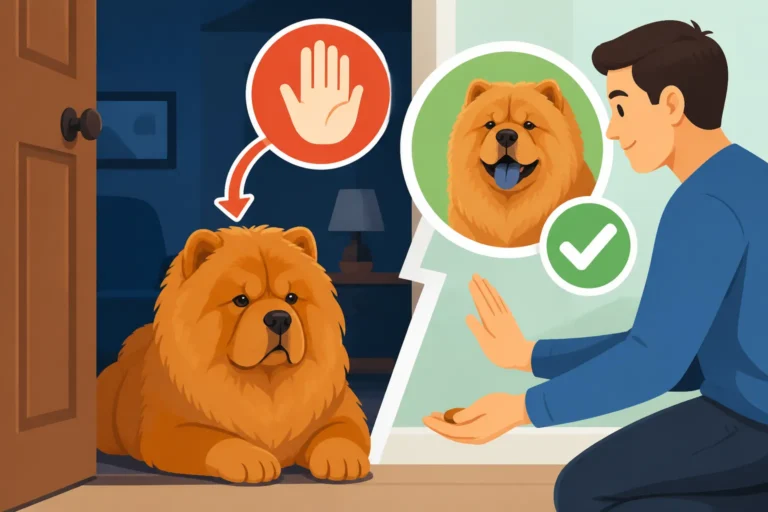
You've got to make coming to you more rewarding than anything else in their environment. Start this training in a completely distraction-free zone, like your living room or a securely fenced yard. Begin by using a cheerful, enthusiastic tone, say your recall word (e.g., "Come!" or "Here!"), and immediately offer an incredibly high-value treat the moment your Chow turns towards you or takes a step. Don't wait until they're right at your feet; reward the intent to come. Think about what your Chow absolutely goes crazy for. Is it freeze-dried liver? Tiny pieces of cheese? Cooked chicken? Whatever it is, save it only for recall training. This isn't the time for regular kibble. You might even find a great selection of high-value training treats on Amazon that your Chow goes wild for.
Make it a game. Run away from your Chow a few steps, call them excitedly, and when they reach you, throw a party! Lots of praise, pets (if they enjoy them, which not all Chows do, so know your dog!), and that super special treat. The goal is to build such a strong positive emotional response that the word "Come!" literally makes your Chow's ears perk up and their tail wag, anticipating something wonderful. Remember, the rule of thumb is: never call your Chow for something unpleasant. If "Come!" means bath time, nail trims, or leaving the dog park when they're having fun, they'll quickly learn to associate it with negative experiences and ignore you.
The "Puppy Ping-Pong" and Emergency Recall Method
The "Puppy Ping-Pong" game is fantastic for building a fun, positive recall foundation, especially with a young Chow Chow. Get a friend or family member, stand about 10-15 feet apart, and take turns calling your Chow. Each time your Chow goes to one person, that person praises lavishly and offers a high-value treat. Then the other person calls them. Keep it upbeat and short. This teaches your Chow that coming to a person is always a good thing, and it helps generalize the command so they'll come to anyone, not just you.
Beyond your regular "Come!" command, it's a wise strategy to establish an "emergency recall" word. This should be a distinct, unique word or phrase you never use otherwise. This word is reserved for genuine emergencies – situations where your Chow's safety is truly at risk. Introduce this word with the absolute highest-value reward imaginable (think steak, salmon, or a favorite toy they only get during these special training sessions). Practice it periodically in a safe, quiet environment, but don't overuse it. You want it to retain its "special" status. When you use it in a real emergency, be prepared to deliver that unparalleled reward immediately. Consistency across all family members is crucial: everyone must use the same words, tones, and reward systems to avoid confusing your intelligent but independent Chow.
Increasing Distractions and Proofing Your Recall
Once your Chow Chow is reliably coming to you in a distraction-free environment, it's time to slowly and systematically introduce more challenges. This is where the real work of "proofing" your recall begins.
Gradually Introducing Real-World Scenarios
The first step outside the house should be in a controlled environment, such as a securely fenced yard or a quiet, empty park with a long training line attached. A long line, often 15 to 30 feet in length, is your best friend during this stage. It allows your Chow to explore and feel a sense of freedom while still giving you the safety net of control. Let them wander, sniff, and enjoy being a dog. Then, when they're momentarily distracted but not overly engaged, use your cheerful recall word.
If they come, reward heavily! If they hesitate or ignore you, gently reel them in with the long line while repeating your recall word in a pleasant tone. The line isn't for punishment; it's a physical prompt to remind them that "Come!" means coming to you, no matter what. Never yank or scold them for ignoring you. That will only make them associate "Come!" with negative feelings. Practice these sessions frequently but keep them short and positive. Gradually, you can introduce more distractions: a family member walking by, another dog at a safe distance, or gentle background noises. Remember, success at this stage means lots of little wins, not expecting perfection right away. Short, frequent sessions are often more effective for Chows who can become bored with repetition. How Long a Chow Chow's Training Session Should Be is usually a better indicator of success than how many times you repeat a cue.
Tools and Techniques for Success
Beyond the trusty long line, there are other tools and techniques that can aid your recall training journey. A dog whistle, for instance, can be incredibly effective. Its consistent sound cuts through environmental noise better than your voice, and it carries further. Introduce the whistle initially by pairing it with your recall word and treats in a low-distraction environment, just like you did with the verbal cue. Soon, your Chow will associate the whistle with the high-value reward and your presence.
For a more structured approach, consider enrolling in positive reinforcement training programs. While some Chows aren't thrilled with group classes due to their reserved nature, online courses or one-on-one training can be invaluable. Platforms like BAXTER & Bella offer comprehensive online puppy and dog training programs that can provide step-by-step guidance, which might be a perfect fit for a Chow Chow owner looking for detailed instruction from home. These programs often emphasize positive reinforcement and fun, engaging exercises that can motivate even the most independent Chow. Remember, the golden rule of recall training with a Chow Chow is never to punish them for coming slowly, or for eventually coming after ignoring you. Doing so will teach them that coming to you after a delay is met with displeasure, and they will simply stop coming at all.
Common Pitfalls and Troubleshooting Your Chow Chow's Recall
Even with the best intentions and the right methods, teaching a Chow Chow a reliable recall can still present challenges. Understanding common pitfalls can help you avoid them, and knowing when to seek additional help is crucial.
Why Your Chow Might Be Ignoring You
It's easy to get discouraged when your Chow Chow looks at you, then slowly turns their head back to whatever has captivated them. One of the most common reasons for recall failure is over-repetition without sufficient reward. If you constantly call your Chow's name or the recall word without following through with a high-value treat or praise, the word loses its meaning. It becomes background noise. Each time you say "Come!" and they don't, and you don't enforce it (gently, with a long line), you're essentially teaching them that the word is optional.
Another major factor is the value of your reward. Is your regular training treat truly competing with a rabbit, a stranger's dropped sandwich, or another dog? For Chows, who often aren't as food-motivated as some breeds for just any food, your reward needs to be exceptional. If what you're offering isn't enticing enough, they simply won't bother. Lastly, punishment association is a huge recall killer. If your Chow finally comes to you after a chase, and you scold them for running off, you've just taught them that coming to you leads to a negative consequence. This is a surefire way to destroy any future reliability. Your Chow might be aloof, but they are also sensitive, and harsh corrections will likely make them Why a Chow Chow Shuts Down Under Pressure rather than comply. They'll learn to avoid you when called.
When to Seek Professional Help
There are times when even the most dedicated owner needs an extra hand. If you've been diligently working on recall and aren't seeing significant progress, or if your Chow Chow's behavior makes off-leash excursions genuinely dangerous, it's time to consult a professional.
Here are some scenarios where professional help is highly recommended:
- Safety Concerns: If your Chow is a consistent flight risk, has a strong prey drive that overrides all commands, or exhibits aggression towards other dogs or people when not immediately recalled, professional intervention is vital. A trainer can assess the root cause of these behaviors and develop a targeted plan.
- Lack of Progress: You're putting in the time, using high-value rewards, and practicing consistently, but your Chow Chow still acts like you're speaking a foreign language when outside. A professional trainer can observe your interactions, identify subtle cues you might be missing, and offer tailored strategies that resonate with your individual Chow's personality. This might be a sign Whether a Chow Chow Needs a Professional Trainer or a behaviorist who specializes in independent breeds.
- Specific Behavioral Issues: If your Chow's recall issues are intertwined with other complex behaviors like resource guarding, fear-based reactivity, or severe anxiety when separated from you, a certified professional dog trainer or veterinary behaviorist can provide a comprehensive approach. These issues often require more than just recall drills; they need a holistic plan that addresses the underlying emotional state of your dog. Early intervention can prevent these issues from becoming ingrained habits, and can also help you understand how to best How to Introduce a Chow Chow to a Stranger should an unexpected encounter occur.
Remember, a professional isn't a sign of failure; it's an investment in your Chow Chow's safety, your peace of mind, and the strength of your bond.
| Recall Training Stage | Environment | Primary Goal | Key Tools/Techniques | Reward Type |
|---|---|---|---|---|
| Foundation (Indoor) | Low-distraction home | Build strong positive association with "Come!" | Happy voice, short distances, "Ping-Pong" | EXTREMELY high-value (e.g., chicken, cheese) |
| Transition (Outdoor) | Fenced yard, quiet park | Introduce mild distractions, ensure compliance | Long line, consistent cue, gentle reeling | High-value, but slightly less urgent |
| Proofing (Real World) | Parks, trails, varied settings | Reliability amidst significant distractions | Long line (initially), whistle, varied cues | Mixed high-value and verbal praise |
Disclaimer
This article is for general informational purposes only and does not constitute professional advice. Laws, prices and regulations vary by location and change over time. Consult a qualified professional for guidance on your specific situation.