Whether a Chow Chow Needs a Professional Trainer
It’s a common misconception that Chow Chows are untrainable, aloof, and simply "stubborn." Owners often face frustration when traditional obedience methods seem to bounce right off their furry lion-dog. This guide will delve into the unique temperament of the Chow Chow, exploring why standard training approaches might not work, and critically examine when a professional trainer can be an invaluable partner in building a strong, understanding relationship with your independent companion.
Understanding the Unique Chow Chow Training Philosophy
Many people approach dog training with the expectation of eager-to-please cooperation, a desire to perform tricks, or a dog that lives to follow every command. While admirable, this isn't the Chow Chow's natural inclination. Their ancient heritage as independent working dogs means they operate on a different wavelength than, say, a retriever or a border collie.
Why Conventional Methods Often Fall Flat for a Chow Chow
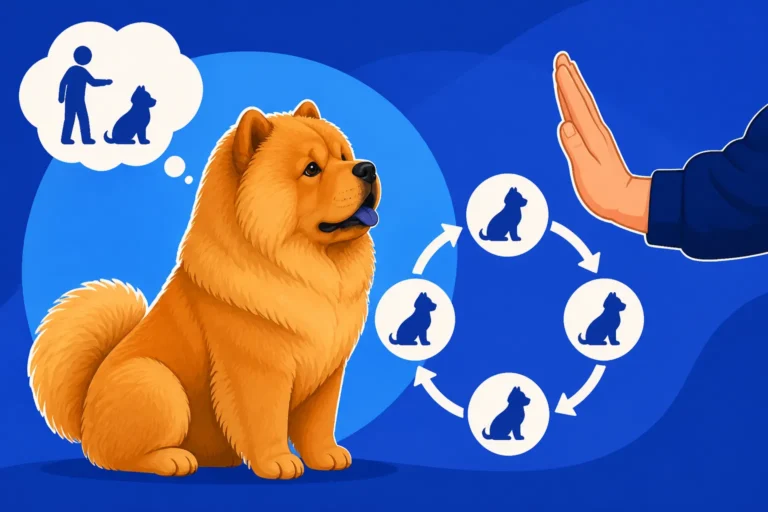
The typical "sit, stay, come" routine, especially when taught with heavy repetition and a drill-sergeant approach, often feels like a chore to a Chow Chow. They aren't inherently driven by pleasing their human for its own sake. Instead, they are thinkers, weighing the request against their own perceived benefit. If there's no clear, immediate payoff, or if they simply don't see the point, they might just stare at you with that classic "Chow scowl" and walk away. This isn't defiance; it's pragmatism. They are intelligent dogs, but their intelligence is paired with a strong will and an independent spirit. Expecting a Chow to be a robot performing tricks on command is setting both of you up for disappointment. Instead, think of it as building a partnership, a mutual understanding where both parties benefit. This is why A Chow Chow Trains by Agreement, Not Obedience is such a crucial concept for these magnificent dogs. If you try to force them, they will simply shut down, and that can damage your bond.
The Critical Role of Early Socialization and Positive Reinforcement
Despite their independent nature, Chow Chows thrive on clear communication and positive reinforcement. This means rewarding the behaviors you do want to see, rather than punishing those you don't. Early socialization, especially during puppyhood, is absolutely non-negotiable for a Chow Chow. Their natural wariness means that without careful, positive exposure to a wide variety of sights, sounds, people, and other well-behaved dogs, they can quickly become overly suspicious or reactive.
Think of it this way: The Weeks That Matter Most for a Chow Chow Puppy are a short, precious window to build a foundation of confidence and good manners. Expose them to different textures underfoot, the sounds of traffic or children playing, people of various ages and appearances, and gentle interactions with other calm, vaccinated dogs. Each positive experience helps them build a robust understanding of the world, reducing the likelihood of fear-based reactions later on. It’s not about forcing interactions, but about creating positive associations in a controlled, safe manner. Remember, Why Early Socialization Decides What a Chow Chow Becomes because it shapes their entire view of the world around them. Consistent positive reinforcement, using high-value treats and praise, builds trust and makes them more willing to engage with you.
When a Professional Trainer Becomes a Valuable Ally
While you are undeniably the most important trainer for your Chow Chow, there are many situations where bringing in a professional can make all the difference. It’s not a sign of failure; it’s a smart investment in your dog's future and your peace of mind.
Identifying Training Challenges Beyond the Basics
Sometimes, despite your best efforts, you might encounter specific behavioral challenges that feel overwhelming or dangerous. These are often the times when a professional trainer can provide crucial insights and strategies.
Common issues where expert help is invaluable include:
- Resource Guarding: If your Chow Chow growls or snaps when someone approaches their food bowl, toys, or even you, it’s a serious issue that needs professional intervention. What a Chow Chow Guards and Why can be complex, stemming from their inherent protective nature. A professional can help you safely manage and modify this behavior before it escalates.
- Leash Reactivity or Dog-on-Dog Aggression: Walking a Chow Chow who lunges and barks at other dogs can be incredibly stressful and embarrassing. This isn't uncommon, as A Chow Chow With Other Dogs can be a nuanced relationship for them. A trainer can teach you techniques to desensitize your dog and redirect their focus, making walks enjoyable again.
- Fear-Based Aggression or Excessive Timidity: If your Chow Chow is excessively fearful of strangers, new environments, or specific situations, leading to snapping or retreating, a trainer can help build their confidence and teach them appropriate coping mechanisms.
- Generalized Anxiety or Destructive Behaviors: While less common for the calm Chow, if your dog is exhibiting signs of severe anxiety, separation distress, or persistent destructive behaviors, a professional can help identify the root cause and implement a comprehensive behavior modification plan.
It's also perfectly valid to seek professional help simply because you feel stuck or unsure how to progress. A good trainer acts as a coach, guiding you to become a more effective leader and communicator for your dog.
The Benefits of Expert Guidance for Specific Chow Chow Traits
Chow Chows come with a few quirks that even experienced dog owners might find challenging without specific knowledge of the breed. A professional trainer who understands these traits can offer tailored solutions.
- Working with Aloofness: While charming, How Aloof a Chow Chow Really Is can sometimes be misinterpreted as disinterest in training. A trainer can show you how to leverage their intelligence and food motivation, making training engaging and rewarding, even for a dog that won't give you constant eye contact. They'll teach you to recognize the subtle cues of engagement that are unique to the Chow Chow.
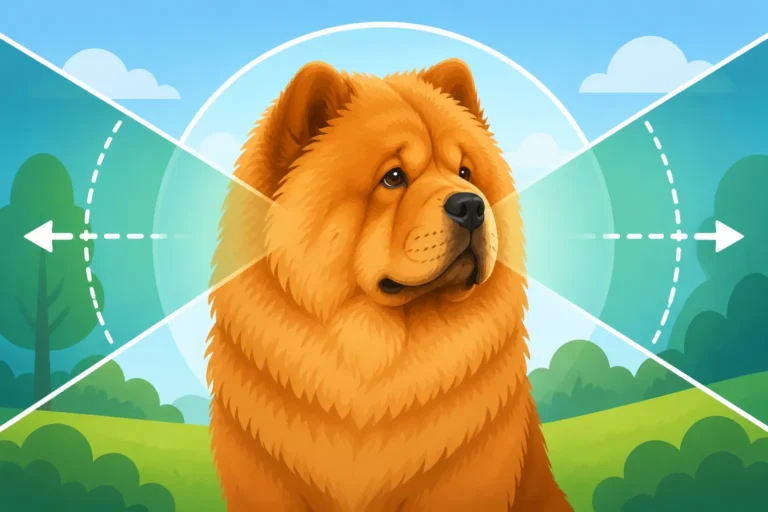
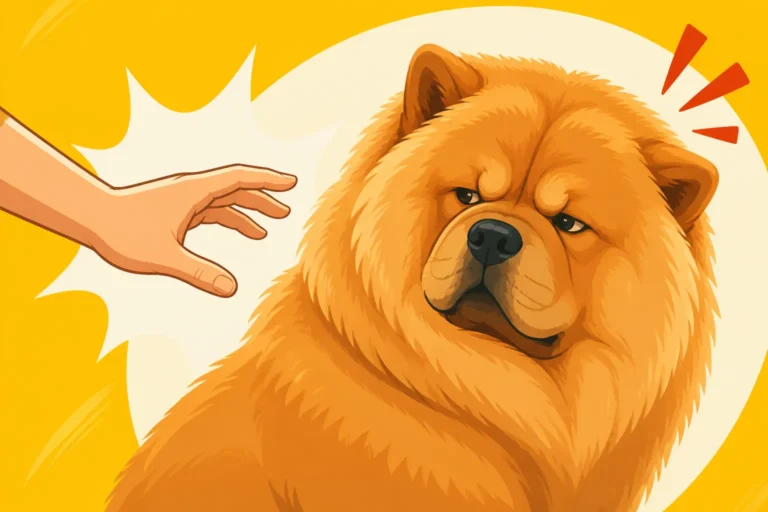
- Managing Limited Peripheral Vision: Chow Chows have deeply set eyes and a broad head, which significantly limits their peripheral vision. This means they can be easily startled by unexpected approaches from the side or behind. This is a crucial factor in understanding Why a Chow Chow Snaps at Someone It Did Not See. A trainer can help you teach your Chow to be more aware of their surroundings in a positive way and show you how to approach them safely and predictably, preventing startling incidents.
- Grooming Desensitization: Their dense double coat requires regular grooming, which some Chows intensely dislike. This is not just about aesthetics; it's about health. Learning techniques for Teaching a Chow Chow to Accept Being Groomed from a professional can save you a lot of stress and potential bites, making grooming a positive experience rather than a battle. They can show you how to introduce tools like brushes and high-velocity dryers slowly and positively.
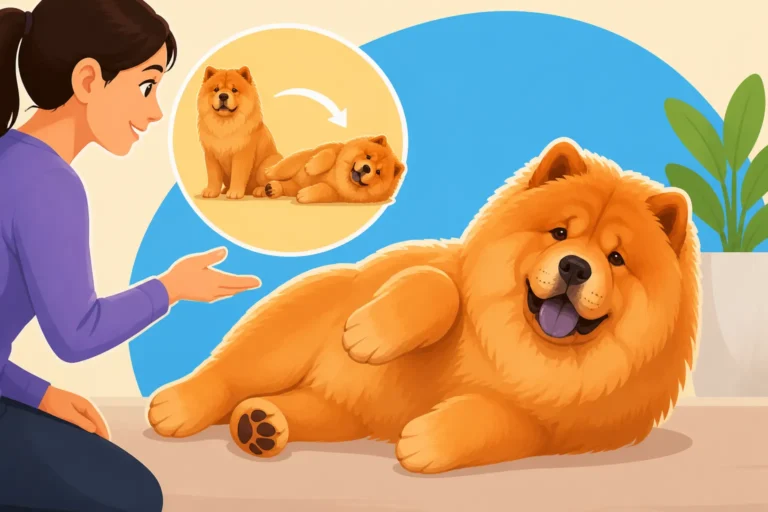
- General Handling: Many Chow Chows are sensitive about being touched, particularly their feet or rear. This can make vet visits, nail trims, or even a simple check for ticks incredibly difficult. A trainer can guide you through desensitization exercises to help your Chow accept handling, turning potentially stressful situations into manageable ones.
Choosing the Right Professional Trainer for Your Chow Chow
Deciding to hire a professional trainer is a significant step. Choosing the right one, especially for a breed like the Chow Chow, is paramount. Not all trainers are created equal, and some methods can be detrimental to a Chow's sensitive and independent nature.
What to Look for in a Chow Chow-Savvy Trainer
When interviewing potential trainers, focus on their philosophy and experience, particularly with independent or "stubborn" breeds.
Here’s a checklist of what to seek:
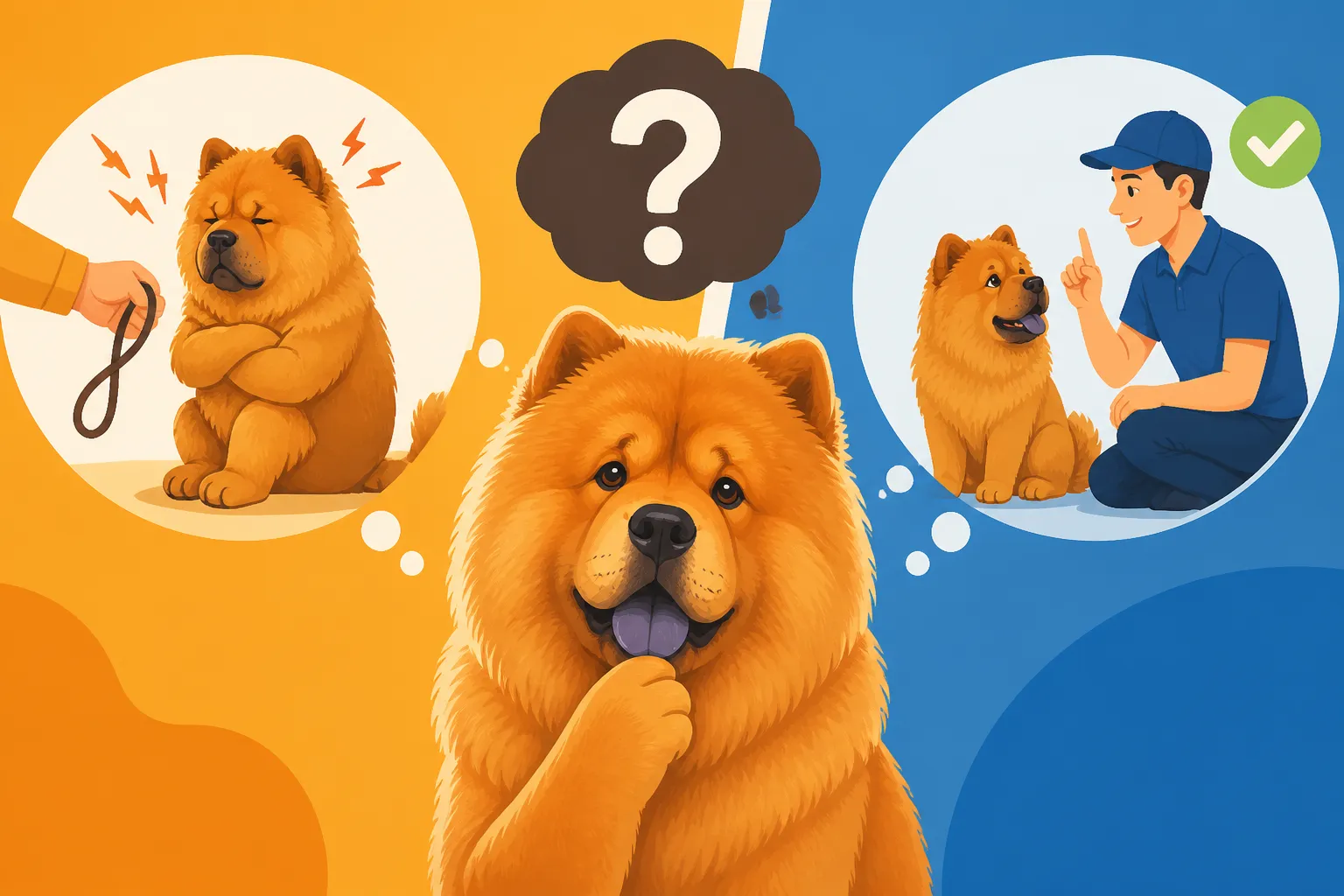
- Positive Reinforcement, Force-Free Methods: This is non-negotiable for a Chow Chow. Avoid anyone who suggests harsh corrections, choke chains, prong collars, or e-collars. These methods can damage trust, create fear, and exacerbate behavioral issues in a Chow, who will simply shut down or become defensive. Look for trainers who use rewards (treats, praise, toys) to encourage desired behaviors. Why Harsh Correction Backfires on a Chow Chow is a lesson learned by many frustrated owners.
- Experience with Primitive or Independent Breeds: Ask specifically if they have experience with Chows, Akitas, Shar Peis, or other breeds known for their independence. A trainer who understands the subtle cues of these dogs, and who appreciates their unique learning style, will be far more effective. They should be able to explain How to Read a Chow Chow's Face and understand their nuanced body language.
- Certifications and Continuing Education: Look for trainers certified by reputable organizations such as the Certification Council for Professional Dog Trainers (CCPDT-KA, CPDT-KSA), Karen Pryor Academy Certified Training Partners (KPA-CTP), or the Academy for Dog Trainers. These certifications indicate a commitment to science-based, ethical training practices.
- Client Communication and Transparency: A good trainer will be an excellent communicator, explaining their methods clearly, providing ongoing support, and being transparent about their techniques. They should welcome questions and be willing to work with your specific goals.
- In-Home or Private Sessions for Initial Assessments: Given a Chow Chow's potential wariness of strangers and new environments, a trainer willing to do an initial assessment in your home or a quiet, neutral space can be incredibly beneficial. This allows your dog to be more relaxed and the trainer to observe natural behaviors.
Different Training Formats: From Group Classes to Private Consults
The best training format depends heavily on your individual Chow Chow's temperament and your specific training goals.
| Training Format | Pros | Cons | Best For Chow Chows |
|---|---|---|---|
| Group Classes | Cost-effective; builds distraction tolerance; socialization opportunity. | Can be overstimulating; less personalized attention; not suitable for reactive dogs. | Well-socialized puppies; adult Chows with no reactivity. |
| Private Sessions | Highly personalized; allows focus on specific issues; adaptable to your schedule/home. | More expensive; less opportunity for diverse socialization in a structured setting. | Reactive or fearful Chows; specific behavior modification; owner convenience. |
| Online Programs | Flexible scheduling; self-paced; often more affordable; accessible from anywhere. | Requires high self-discipline; no direct feedback from a trainer; less effective for complex issues. | Foundation training; supplementing other training; new owners. |
For many Chow Chow puppies, especially those with good early socialization, a carefully chosen puppy class can be beneficial for exposure and basic manners. However, if your puppy is already showing signs of shyness or reactivity, or if they just get overwhelmed easily, Whether Puppy Class Suits a Chow Chow might be a "no" for them, and private lessons would be a better starting point.
For new Chow Chow owners, or those looking to brush up on their skills, online puppy programs can be a fantastic supplemental resource. Many excellent programs, like those offered by BAXTER & Bella, provide structured, video-based lessons that you can follow at your own pace from the comfort of your home. They cover everything from house-training to basic cues and can be a great way to learn positive reinforcement techniques. You can find these types of online resources, as well as specific training tools like clickers and high-value treats, readily available on platforms like Amazon.
Private consultations are often the gold standard for Chow Chows, allowing a trainer to observe your dog in their comfort zone and develop a highly individualized plan. This can be particularly helpful for managing issues like resource guarding or fear-aggression. While they might seem more expensive initially, the targeted intervention can often save money and stress in the long run. The cost of these specialized classes or private sessions can vary, so it's always good to budget for them if you're considering a professional. What Puppy Socialization Classes Cost a Chow Chow Owner is just one piece of the puzzle; advanced behavior help will naturally be more.
Empowering Yourself as Your Chow Chow's Primary Trainer
Even with professional help, you are the most consistent presence in your Chow Chow's life. The goal of a good trainer isn't to fix your dog for you, but to empower you with the knowledge and skills to continue the training journey.
Leveraging Tools and Resources for At-Home Success
Your home is your Chow Chow's primary learning environment, and it’s where consistency truly pays off.
- High-Value Rewards: Chow Chows are often highly food-motivated, but not for just any old kibble. Experiment to find what your dog considers "high-value." Small pieces of cooked chicken, cheese, or specialized training treats are often far more enticing than dry biscuits. You can find a huge variety of options, from freeze-dried liver to jerky, on Amazon. These powerful motivators can make a huge difference, especially when you encounter situations where Why a Chow Chow Ignores a Cue It Knows becomes apparent – it often means your reward isn't exciting enough!
- Short, Engaging Sessions: Chow Chows have relatively short attention spans for repetitive tasks. Keep training sessions brief – 5 to 10 minutes at most – and end on a positive note. This prevents boredom and frustration for both of you. How Long a Chow Chow's Training Session Should Be is always shorter than you think!
- Puzzle Toys and Enrichment: These can engage your Chow's mind and provide an outlet for their intelligence. Food-dispensing toys or snuffle mats can turn mealtime into a mental exercise, building confidence and reducing boredom.
- Consistency is Key: Everyone in the household needs to be on the same page with commands and expectations. Inconsistency will only confuse your Chow Chow and make training more difficult.
Remember, every interaction is a training opportunity. Reward calm behavior, polite greetings, and anything else you want to see more of.
Ongoing Education and a Lifelong Commitment to Training
Training is not a one-and-done event; it's a lifelong journey with your Chow Chow. As they age, their needs and behaviors might change. An aging Chow might become stiffer, making certain movements uncomfortable, or their eyesight might diminish, requiring adjustments to how you approach them. Caring for an Old Chow Chow often means adapting routines and expectations.
Continue to educate yourself about dog behavior and training. Read books, attend seminars (even online ones), and stay in touch with your professional trainer if new challenges arise. The more you understand about canine learning and Chow Chow specific traits, the better equipped you'll be to navigate any bumps in the road. Building a strong, respectful relationship with your Chow Chow through consistent, positive training will lead to a truly rewarding companionship, proving that these incredible dogs are indeed highly trainable when approached with understanding and patience.
Disclaimer
This article is for general informational purposes only and does not constitute professional advice. Laws, prices and regulations vary by location and change over time. Consult a qualified professional for guidance on your specific situation.