Whether a Chow Chow Puppy Should Meet Strange Dogs
It’s a common dilemma for new Chow Chow puppy parents: you want your furry little fluffball to be well-adjusted and friendly, but the thought of just letting them interact with any strange dog can be really daunting. You’ve probably heard all about the importance of socialization, but with a breed as unique and sometimes reserved as the Chow Chow, figuring out how to do that safely and effectively, especially concerning unknown dogs, feels like walking a tightrope. This guide is here to help you navigate those waters, understanding the Chow Chow's specific needs and providing strategies for positive, controlled interactions.
Understanding the Chow Chow's Social Landscape
The Chow Chow is a magnificent, ancient breed, known for its regal appearance, discerning nature, and often, a strong independent streak. Unlike some effusively friendly breeds, a Chow Chow isn't typically one to greet every stranger, human or canine, with tail-wagging enthusiasm. This isn't a flaw; it's just part of their inherent personality, which makes early socialization incredibly important, but also requires a thoughtful approach, particularly when it comes to meeting strange dogs.
The Importance of Early Socialization
Socialization isn't about turning your Chow Chow into a party animal; it's about exposing them to a wide variety of sights, sounds, people, and appropriate dogs in a positive and controlled manner. The goal is to build a confident, resilient dog who isn't fearful or reactive in new situations, rather than one who is outgoing with everyone. The window for crucial socialization experiences is often considered to be between 3 and 16 weeks of age – this is The Weeks That Matter Most for a Chow Chow Puppy. During this time, every positive experience helps shape their worldview. Without adequate, thoughtful socialization, a Chow Chow can become overly wary, fearful, or even defensive, which can lead to behavioral challenges down the road. It’s not just about preventing aggression; it’s about fostering a sense of security and calm.
Why "Meet and Greet" Isn't Always Simple for a Chow Chow
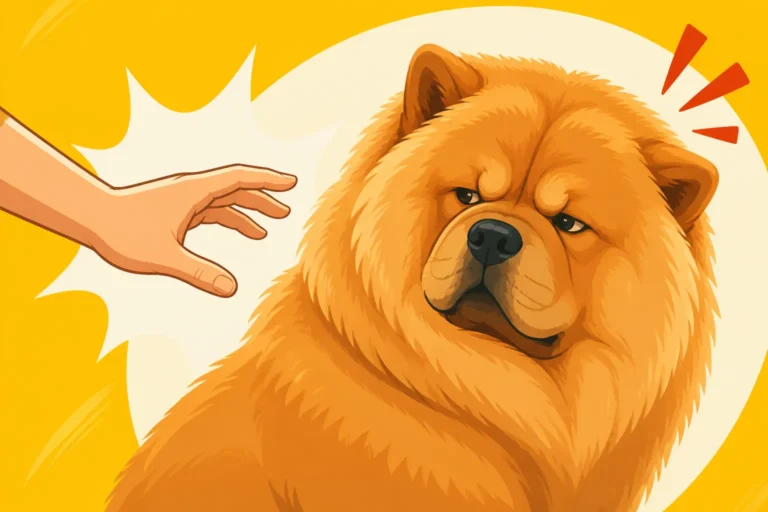
For many breeds, a casual "meet and greet" at the park with a new dog might seem harmless. For a Chow Chow, however, this can be a recipe for disaster if not managed correctly. Their deep-set eyes give them limited peripheral vision, meaning they might not see another dog approaching from the side or behind, leading to startling and potential reactivity. This is part of Why a Chow Chow Snaps at Someone It Did Not See. Furthermore, their natural reserved demeanor means they don't appreciate being rushed or having their personal space invaded by boisterous, unknown dogs. A pushy interaction could easily create a negative association that takes a long time to undo, making future dog introductions even harder. It's not that your Chow Chow is anti-social; they are often simply selective and prefer to observe before engaging, if they engage at all.
The Hazards of Haphazard Introductions with Strange Dogs
Just letting your Chow Chow puppy "figure it out" with random dogs at the park or on a walk can have serious, lasting repercussions. While the intention might be good – you want them to be friendly! – the reality can be quite different for a sensitive, discerning breed like the Chow Chow. These casual encounters are often uncontrolled, unpredictable, and can inadvertently teach your puppy all the wrong lessons about other dogs.
Overwhelm and Negative Associations
Imagine being a small, fluffy Chow Chow puppy, with limited vision due to those wonderful, characteristic deep-set eyes, and suddenly a large, rambunctious dog rushes up to you. Even if the other dog means no harm, the sheer energy and unexpectedness can be terrifying. This kind of overwhelming experience can lead to fear, anxiety, and a lifelong negative association with other dogs. Your puppy might learn that other dogs are scary, unpredictable, and to be avoided at all costs. This can manifest as barking, lunging, growling, or trying to hide – all defensive behaviors stemming from fear. This is particularly concerning because What an Undersocialized Chow Chow Becomes can be a dog that struggles with even polite dog interactions later in life.
It's tempting to think that "they'll just play it out," but for a Chow Chow, being forced into uncomfortable social situations can do more harm than good. They need to feel safe and in control, or at least that their person is in control, during any new experience. A bad interaction can quickly erase weeks of careful, positive training and set back their confidence significantly. You might observe Signs a Chow Chow Puppy Is Already Wary after such an encounter, like cowering, tail tucked, or trying to put you between themselves and the other dog.
Protecting Your Puppy's Confidence
A confident puppy is one that can navigate the world calmly. Constantly being put in situations where they feel threatened or overwhelmed erodes that confidence. If your Chow Chow puppy learns that you, their trusted guardian, aren't protecting them from scary or pushy dogs, their trust in you can also diminish. This makes training and future handling much more difficult. It's crucial to be your puppy's advocate and shield them from inappropriate interactions, even if another dog owner insists their dog is "friendly." Friendly doesn't always mean polite, and a dog that is too boisterous or forward can be just as damaging as one that is aggressive.
Think about it this way: you wouldn't throw a child into a challenging social situation and expect them to thrive without guidance. Your Chow Chow puppy needs the same thoughtful protection and curated experiences. Ignoring their discomfort or pushing them past their limits by allowing unsupervised, random meetings with strange dogs is a disservice to their developing emotional well-being.
Crafting Positive Dog-to-Dog Experiences for Your Chow Chow Puppy
Given the Chow Chow's unique temperament and needs, a strategic and controlled approach to dog-to-dog introductions is absolutely essential. The goal isn't constant interaction with every dog they see, but rather fostering confidence and neutrality so they can calmly exist in a world with other canines without fear or reactivity. This means quality over quantity, always.
Controlled Puppy Classes and Known, Calm Adults
One of the best ways to provide positive dog-to-dog exposure for your Chow Chow puppy is through structured puppy classes. Look for classes that emphasize positive reinforcement, safe play, and professional supervision. A good puppy class will separate puppies by size and play style, ensuring that your Chow Chow isn't overwhelmed by larger, more boisterous breeds. They'll also teach you how to read canine body language, so you can intervene before an interaction becomes negative. This kind of environment is invaluable and answers the question of Whether Puppy Class Suits a Chow Chow with a resounding "yes," provided it's the right class. Many such classes can also be found virtually, through programs like BAXTER & Bella, offering structured learning from the comfort and safety of your home, which is particularly useful before all vaccinations are complete.
Beyond formal classes, seek out opportunities for your puppy to interact with known, vaccinated, and calm adult dogs. These could be friends' or family members' dogs who have a stable temperament and are good at politely correcting a puppy without being harsh. An older, calm dog can teach your puppy appropriate social cues and boundaries far better than a free-for-all at a dog park. These interactions should always be supervised closely, kept short, and end on a positive note. Remember, for a Chow Chow, brief, positive exposure is much better than prolonged, potentially stressful interaction.
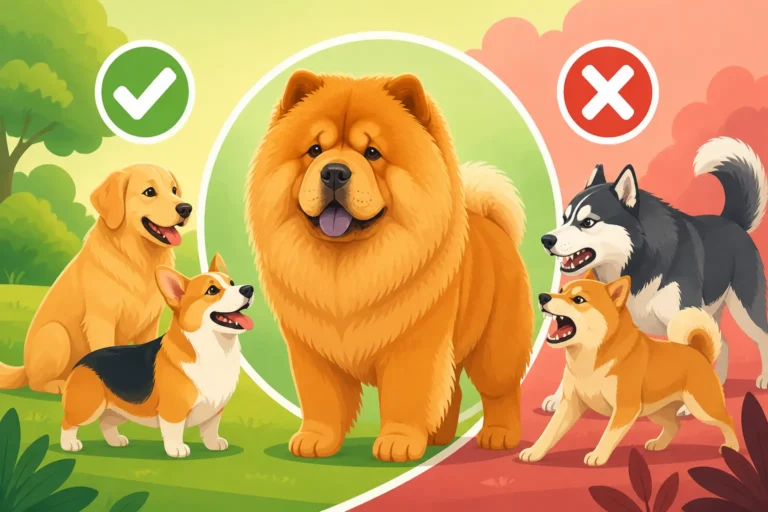
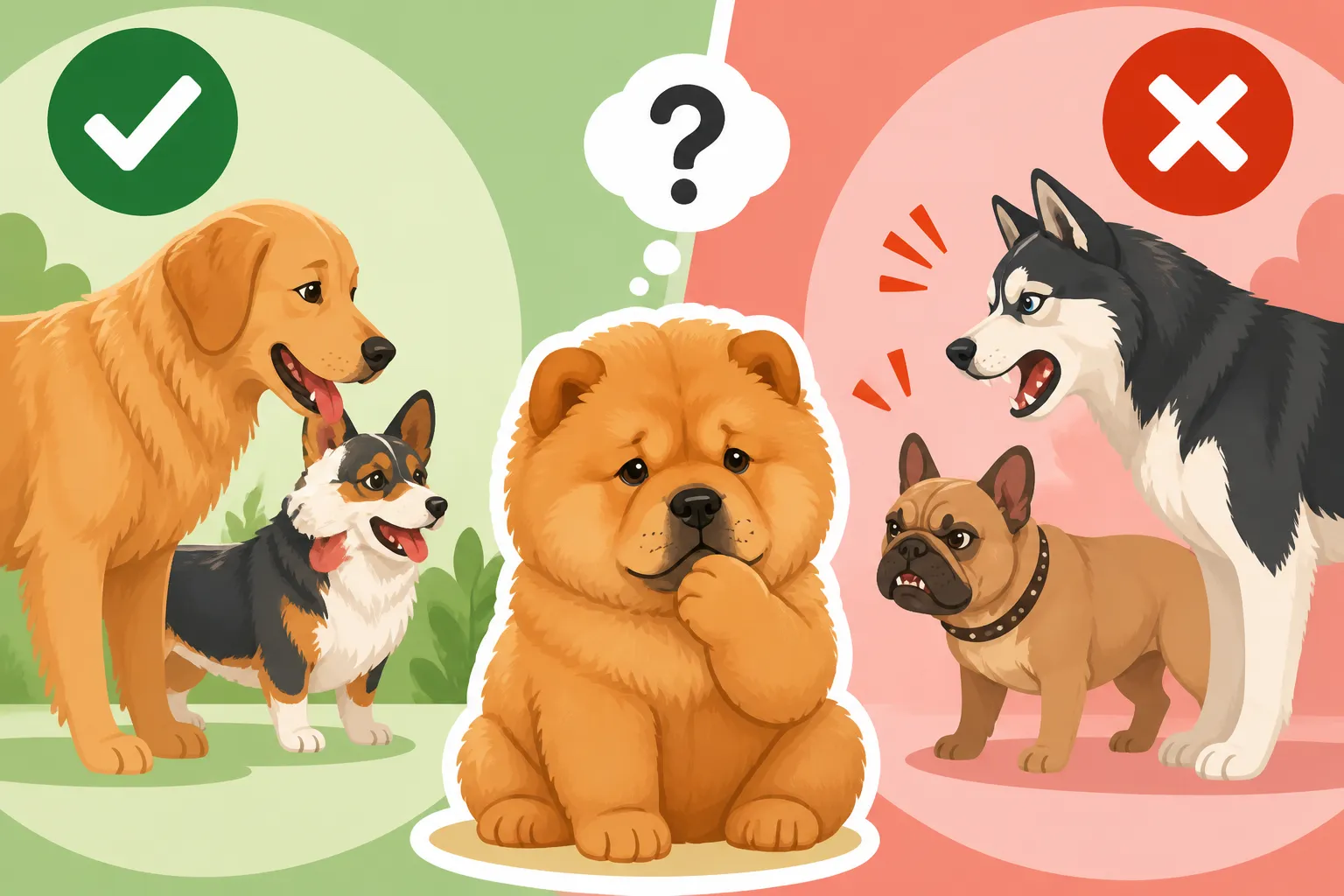
Here's a quick comparison of good versus risky socialization opportunities:
| Good Socialization Opportunities | Risky Socialization Opportunities |
|---|---|
| Structured puppy classes with professional trainers | Unsupervised dog park free-for-alls |
| Playdates with known, calm, adult dogs | Random leash greetings with unknown dogs |
| Observing other dogs from a safe distance | Forcing interaction with an uncomfortable puppy |
| Controlled interactions on neutral territory | Encounters with overly boisterous or fearful dogs |
| Positive reinforcement for calm behavior | Ignoring signs of stress or fear in your puppy |
The Role of Observation and Positive Reinforcement
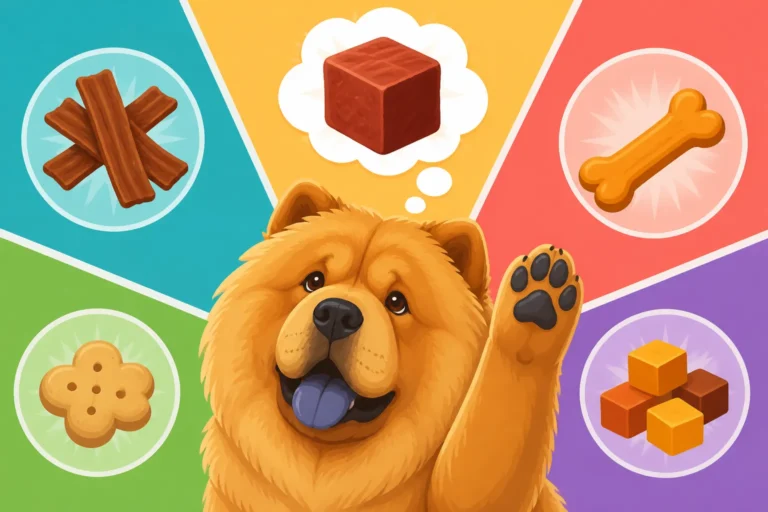
Instead of forcing interactions, focus on letting your Chow Chow puppy observe other dogs from a distance they are comfortable with. This might be across the street, from inside your car, or from the edge of a park. When they see another dog and react calmly – perhaps a curious glance, a relaxed posture – mark that moment with praise and a high-value treat. This positive reinforcement teaches them that seeing other dogs can be a good, rewarding experience, without the pressure of direct interaction. You can find excellent quality training treats and comfortable harnesses for these observation outings on platforms like Amazon.
Gradually, as your puppy builds confidence, you can decrease the distance, always staying within their comfort zone. If they show any signs of stress – lip licking, yawning, tail tucking, or trying to move away – you've gone too far too fast. Retreat to a comfortable distance and try again later. The goal is to build a positive emotional response, not just physical proximity. Remember, for a Chow Chow, it’s not about how many dogs they "play" with, but how many positive, neutral, or non-threatening experiences they have around other canines. This careful approach helps avoid creating a dog that Reacts to Dogs on Leash out of fear or frustration.
When to Call in the Pros
Even with the best intentions and careful planning, raising a well-adjusted Chow Chow puppy can present challenges. There will be times when your instincts tell you that you need more than just general advice, especially if your puppy is showing signs of fear or reactivity around other dogs. Recognizing these signals early and seeking professional help is a sign of responsible pet ownership, not failure.
Recognizing Signs of Fear or Reactivity
Sometimes, despite all your efforts, a Chow Chow puppy might still struggle with interacting with or even observing other dogs. It's crucial to be able to identify the subtle (and not so subtle) signs that your puppy is not coping well. These can include:
- Freezing or becoming stiff: This is often a precursor to a more intense reaction.
- Excessive lip licking or yawning: These are common canine calming signals, indicating stress.
- Tail tucked low or clamped between legs: A clear sign of fear or insecurity.
- Avoiding eye contact or actively turning away: Your puppy wants to disengage.
- Low growling or soft snarls: These are warnings, telling you they are uncomfortable.
- Lunging, barking, or pulling on the leash excessively: These are reactive behaviors, often rooted in fear or frustration.
If you consistently see these Signs a Chow Chow Puppy's Eyes Are Sore from stress, or other indicators of distress, especially after an introduction, it's a clear signal that the current approach isn't working for your pup. It's important to remember that for a Chow Chow, their guarded nature can mean they give very little warning before reacting, so paying close attention to these subtle signs is paramount.
Enlisting Expert Help for Social Development
If you're observing consistent fear, anxiety, or reactivity in your Chow Chow puppy regarding other dogs, it's time to bring in a professional. Look for a certified professional dog trainer (CPDT-KA) or a veterinary behaviorist who has experience with guardian breeds and understands the nuances of Chow Chow temperament. Avoid trainers who advocate for harsh corrections or force, as this can severely damage a Chow Chow's trust and exacerbate fear-based behaviors. Instead, seek out those who use positive reinforcement and force-free methods.
A professional can help you develop a tailored socialization plan, identify triggers, and teach you advanced techniques for counter-conditioning and desensitization. They can also help evaluate if there are any underlying medical issues contributing to the behavior. Investing in a knowledgeable trainer is a wise choice for a Chow Chow, as Whether a Chow Chow Needs a Professional Trainer Early is often a resounding yes for many owners. They can guide you through exercises that build your puppy's confidence around other dogs in a safe, controlled way, potentially saving you from much larger behavioral problems down the road. Some trainers offer virtual consultations, which can be an excellent way to get expert advice from home, much like accessing online learning platforms such as BAXTER & Bella.
Remember, the goal for your Chow Chow isn't necessarily to have them be exuberantly friendly with every dog they meet, but rather to be a calm, confident, and well-adjusted companion who can navigate the world without undue stress or fear. With patience, understanding, and the right guidance, you can help your Chow Chow puppy develop into a well-mannered dog who is comfortable and secure in their environment, even when other dogs are present.
Disclaimer
This article is for general informational purposes only and does not constitute professional advice. Laws, prices and regulations vary by location and change over time. Consult a qualified professional for guidance on your specific situation.