Whether a Chow Chow’s Scowl Means Anything
If you're a Chow Chow owner, or even just an admirer, you’ve undoubtedly seen that distinctive, often perceived "scowl" on their face. It’s a look that can be intimidating to strangers and sometimes even misunderstood by owners. This guide will dive deep into what truly lies behind that furrowed brow, separating myth from reality, and equipping you with the knowledge to understand your Chow Chow's communication far beyond their resting facial expression.
The Anatomy of the Chow Chow's Distinctive Expression
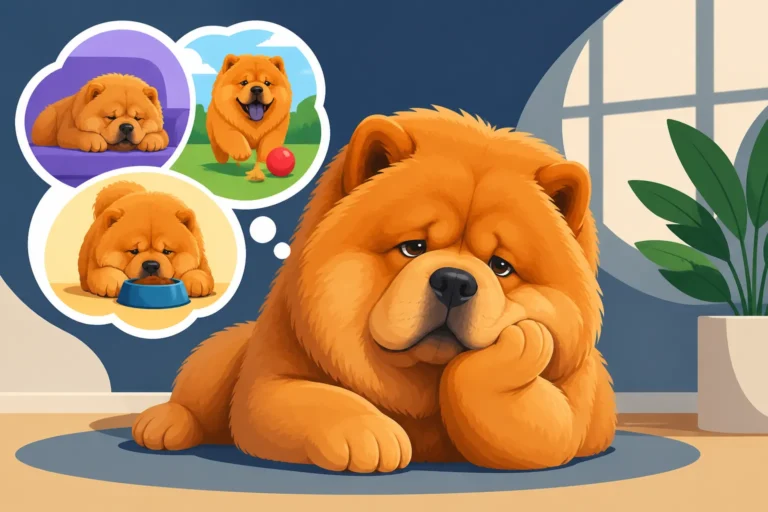
That perpetual "scowl" isn't a sign of anger, boredom, or judgment from your Chow Chow; it's simply how their unique facial structure is built. Their breed standard calls for specific features that, when combined, create this iconic look. Understanding these anatomical quirks is the first step to truly appreciating your Chow Chow's face.
Deep-Set Eyes and Prominent Brow
One of the most defining characteristics contributing to the Chow Chow's scowl is their deep-set eyes. Unlike many breeds where the eyes are more forward and open, a Chow Chow's eyes are tucked away, almost recessed into their skull. This gives the impression of them squinting or looking out from under a heavy brow. Coupled with a prominent brow ridge, this facial architecture creates shadows and angles that naturally make them appear more serious, perhaps even a bit grumpy, even when they're perfectly content.
Think of it like someone with naturally heavy eyelids – they might look tired even when they've had a full night's sleep. For a Chow Chow, this deep-set eye characteristic is a fundamental part of their breed. It’s also important to note that this deep-set nature can sometimes limit their peripheral vision. They might not see objects or people approaching from the side as easily as other dogs, which can sometimes lead to startling. Why a Chow Chow's Deep Set Eye Limits What It Sees is a topic many Chow owners find themselves researching, and it directly relates to how their face is structured. This isn't a behavioral trait, but a physical one that shapes their perception of the world and how the world perceives them.
Facial Folds and Wrinkles
Beyond the eyes, the Chow Chow's dense fur and skin conformation play a significant role. They often have natural wrinkles and folds around their muzzle and forehead, especially as puppies and adolescents. These folds can create subtle lines and creases that further enhance the "scowling" effect. Imagine a heavy velvet curtain draped around their face; the way it falls creates contours that appear almost permanent.
These folds aren't just for show, either. They are a natural part of the Chow Chow's ancient lineage, possibly serving to protect their eyes from brush and elements in their historical roles. However, in modern life, these folds require a bit of care. Moisture can get trapped, and if not regularly cleaned, skin issues can arise. It’s a small price to pay for that magnificent look, but it highlights that their facial structure is more than just an aesthetic – it has practical implications for their well-being. Keeping these areas clean is part of Caring for a Chow Chow Past Eight or even a young Chow.
The Lion's Mane and Coat Structure
Finally, the Chow Chow's famous ruff or "lion's mane" frames their face, adding to the overall impression. This thick, abundant fur around their head and neck gives them a regal, almost formidable appearance. The way the fur lays can further emphasize the angles of their brow and muzzle, making the "scowl" seem even more pronounced. This isn't just about the face itself, but how the entire head and neck are presented by their glorious double coat. Rough or Smooth: the Two Chow Chow Coats and What Each Needs goes into detail about these magnificent coats and what kind of care they demand.
When you put all these elements together – deep-set eyes, prominent brow, facial folds, and a voluminous ruff – you get the distinctive Chow Chow expression. It's not an emotion; it's a masterpiece of canine anatomy. So next time someone asks why your Chow Chow looks so angry, you can confidently explain that it's just their face!
Why the "Scowl" Is Often Misinterpreted
Because of their unique facial features, Chow Chows are frequently misunderstood. People, especially those unfamiliar with the breed, tend to project human emotions onto that seemingly stern expression. This misinterpretation can lead to awkward encounters, unwarranted fear, or even incorrect assumptions about your dog's temperament.
The Human Tendency to Anthropomorphize
It's a natural human trait to see human-like qualities in animals, especially our beloved pets. We look at a dog's face and instinctively try to read their emotions based on our own facial cues. For most breeds, this works reasonably well; a dog with wide, soft eyes and a relaxed mouth often signals friendliness. But with a Chow Chow, their natural "scowl" bucks this trend entirely. Their deep-set eyes can appear guarded, and their facial folds can make their brow seem perpetually furrowed. This isn't them being aloof or grumpy; it's simply their default setting.
Consider a moment when you’ve taken your Chow Chow for a walk. A stranger might approach, see that distinctive expression, and immediately assume your dog is unfriendly or aggressive. They might recoil, speak in a nervous tone, or even make comments about your dog's "mean" look. This can be incredibly frustrating for Chow Chow owners who know their dog's true gentle nature. The reality is, your Chow Chow could be perfectly happy, perhaps even hoping for a friendly sniff, but their appearance tells a different story to the uninitiated. This phenomenon is why understanding How to Read a Chow Chow's Face is so vital for owners. It's about learning to look past the superficial and into the actual cues your dog is sending.
Impact on Social Interactions
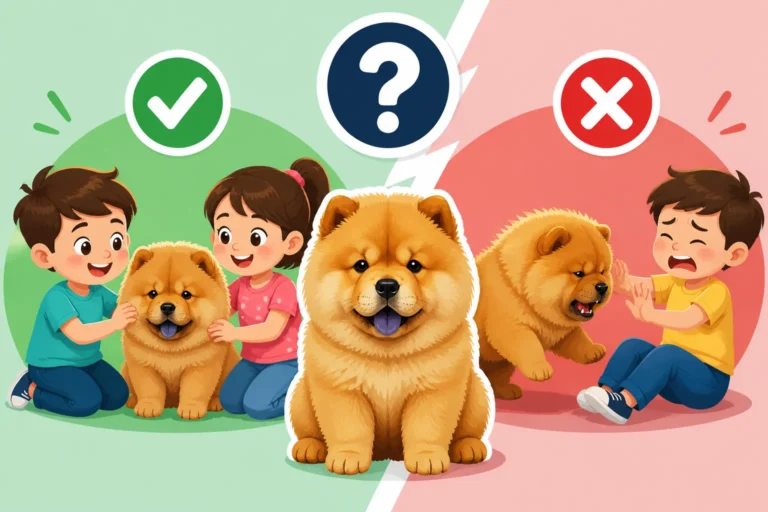
This misinterpretation profoundly affects how Chow Chows are perceived and interacted with in public. Children, in particular, may struggle to understand a Chow Chow's neutral expression. A dog that looks "grumpy" might be seen as unapproachable or even scary, leading to hesitant or inappropriate interactions. Why Children Misread a Chow Chow highlights this issue, explaining how their facial structure doesn't offer the clear, open signals many other breeds do. This can put both the child and the dog in an uncomfortable position if not managed carefully by the owner.
Because of this, it's often up to us, as Chow Chow guardians, to advocate for our dogs and educate those around us. When people interpret the scowl as aggression, they might fail to see the more subtle, actual signs of discomfort or happiness your dog is exhibiting. This can lead to missed cues and potential problems if someone pushes past your dog’s genuine warning signals because they were too focused on the "face." This breed often needs a little extra help navigating a world that doesn't always understand them.
Actual Signs of Discomfort or Aggression in a Chow Chow
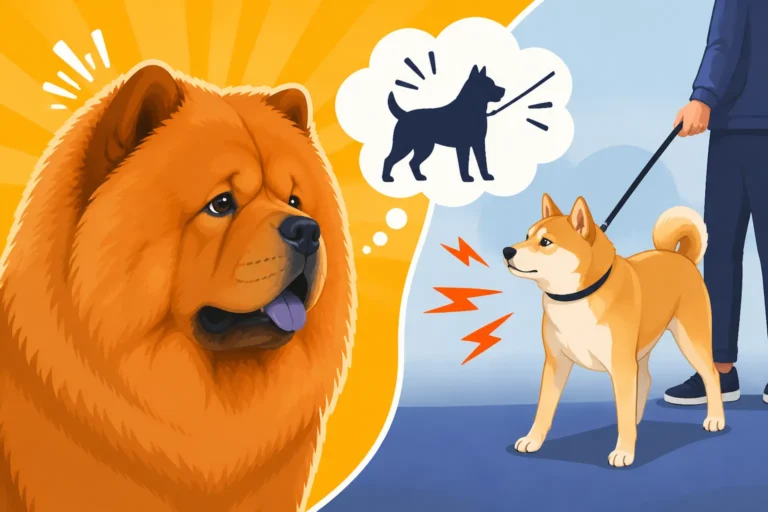
Since their "scowl" is a constant and doesn't actually convey emotion, how do you know if your Chow Chow is genuinely uncomfortable, stressed, or showing signs of aggression? The key lies in reading their entire body, not just their face. Chow Chows, like many ancient breeds, tend to be less overtly expressive than some other dogs, making it even more crucial for owners to be vigilant for subtle cues.
Body Language Beyond the Face
A Chow Chow communicates through its entire body, from the tip of its tail to the set of its ears. If your Chow Chow is truly feeling uneasy or threatened, you'll see a collection of signals that are far more telling than its natural facial expression.
Here are some common signs to look for:
- Tail position: While a Chow Chow's tail usually curls over its back, a stiff tail held tightly against the body, or rapid, short wags (not loose, happy wags) can indicate tension.
- Ear position: Flattened ears, pulled back against the head, are a clear sign of fear or discomfort. Ears held stiffly forward can indicate focus or alertness that might lead to an unfavorable reaction.
- Body stance: A rigid body, leaning away from interaction, or a lowered head can signal submission or a desire to retreat. Conversely, a stiff, forward-leaning posture with hackles raised could be a sign of aggression.
- Whale Eye: This is when you can see the whites of your dog's eyes, usually on the sides. It indicates stress, fear, or anxiety.
- Lip Licking/Yawning: These are common "calming signals" dogs use to de-escalate tension or show they are uncomfortable. They're often subtle but very important.
- Mouth and Teeth: A tightly closed mouth, a wrinkled muzzle (beyond the normal folds), a growl, or a visible flash of teeth are unequivocal warnings.
- Piloerection (Raised Hackles): The hair standing up along their spine is a classic sign of arousal, which can be fear, excitement, or aggression.
It’s often a combination of these signals that paints the clearest picture. One sign in isolation might not mean much, but several together indicate a definite shift in mood. Many owners attest that Signs a Chow Chow Is Uncomfortable are often missed if you're not paying close attention. It's a deep dive into subtle cues that are so vital for this breed.
The Subtle Nature of Chow Chow Warnings
One challenging aspect of Chow Chow behavior is their tendency to give less overt warning signals compared to some other breeds. While a Golden Retriever might give a full-blown growl, a snarl, or a bared-teeth warning, a Chow Chow might go from appearing neutral to acting out with fewer intermediary signals. This is partly why their socialization is so critical. An undersocialized Chow Chow might react more quickly and with less obvious prelude. This characteristic is precisely why articles like Why a Chow Chow Gives Little Warning are essential reading for anyone living with or considering a Chow.
This doesn't mean Chow Chows are inherently aggressive, but it does mean their owners must be highly attuned to their subtle cues and respect their boundaries. It emphasizes the need for consistent, positive reinforcement training and careful socialization from a young age. Using resources like BAXTER & Bella online puppy school can be invaluable for owners, as they often focus on comprehensive socialization and communication, helping you recognize those subtle shifts in your dog's demeanor from the very beginning. Early exposure to various sights, sounds, people, and other well-behaved dogs in a controlled manner helps them build confidence and tolerance, reducing the likelihood of unexpected reactions later in life.
Table of Chow Chow Facial vs. Body Language Cues
To help clarify the difference, here's a quick reference table:
| Facial "Scowl" (Physical Trait) | Body Language (Emotional/Behavioral Cues) |
|---|---|
| Deep-set eyes, prominent brow | Ears flattened or stiffly forward |
| Natural facial folds/wrinkles | Tail stiff, tucked, or rapid short wags |
| Full ruff/mane | Rigid body, leaning away/forward |
| Always present (resting face) | Whale eye (whites of eyes showing) |
| Does NOT indicate mood | Lip licking, yawning (calming signals) |
| Growling, snarl, bared teeth | |
| Piloerection (raised hackles) | |
| Indicates mood/discomfort/aggression |
Managing Interactions and Educating Others
Living with a Chow Chow means you'll inevitably encounter people who misinterpret their appearance. Part of being a responsible Chow Chow owner is managing these interactions and, when appropriate, educating others about your dog's true nature. This not only protects your dog but also helps challenge common misconceptions about the breed.
Setting Your Chow Chow Up for Success
The best way to prevent misunderstandings is through proactive management and continued socialization. Even well-socialized Chows benefit from clear boundaries and controlled introductions. When you're out and about, be mindful of your Chow Chow's comfort level. If they seem hesitant or give off subtle signals of discomfort, it's perfectly fine to create space or decline an interaction. Remember, it's your job to be their advocate.
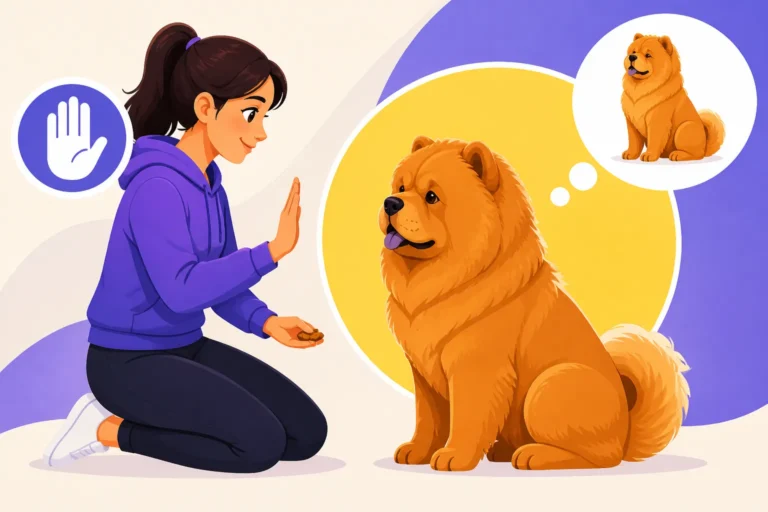
For planned interactions, such as meeting new people at your home, consider what How to Introduce a Chow Chow to a Stranger advises. A calm, structured introduction can make all the difference. Keep your Chow on a leash initially, allow them to approach at their own pace, and ensure the stranger understands not to loom over them or initiate forceful petting. Rewarding calm, positive interactions with high-value treats can help your Chow Chow associate new people with good experiences. You can find excellent training treats on Amazon to help reinforce these positive experiences.
For owners with puppies, the importance of socialization cannot be overstated. Puppy classes, like those offered by BAXTER & Bella, provide a structured and safe environment for your Chow Chow to meet other dogs and people, learning appropriate social skills under expert guidance. This early foundation is key to developing a confident, well-adjusted adult dog who is less likely to react negatively to novel situations or people.
Educating the Public (When Appropriate)
While you don't need to give a lecture to every curious passerby, there are moments when a brief explanation can be incredibly helpful. When someone comments on your Chow Chow's "mean" look, you can gently offer a correction. "Oh, that's just his breed's natural expression! His eyes are deep-set, and that's just how his face is made. He's actually quite a softie once you get to know him."
Sometimes, just smiling and being friendly yourself can do wonders to put people at ease. Your calm demeanor will reflect on your dog. If someone seems genuinely interested in learning more, you can explain that Chow Chows communicate with their whole body, not just their face, and point out a relaxed tail wag or a soft eye glance. This helps shift their focus from the perceived scowl to the actual signs of a happy, well-adjusted dog. It’s an ongoing process, but every positive interaction and informed conversation helps chip away at the misconceptions surrounding this magnificent breed.
Disclaimer
This article is for general informational purposes only and does not constitute professional advice. Laws, prices and regulations vary by location and change over time. Consult a qualified professional for guidance on your specific situation.