Why a Chow Chow Reacts to Dogs on Leash
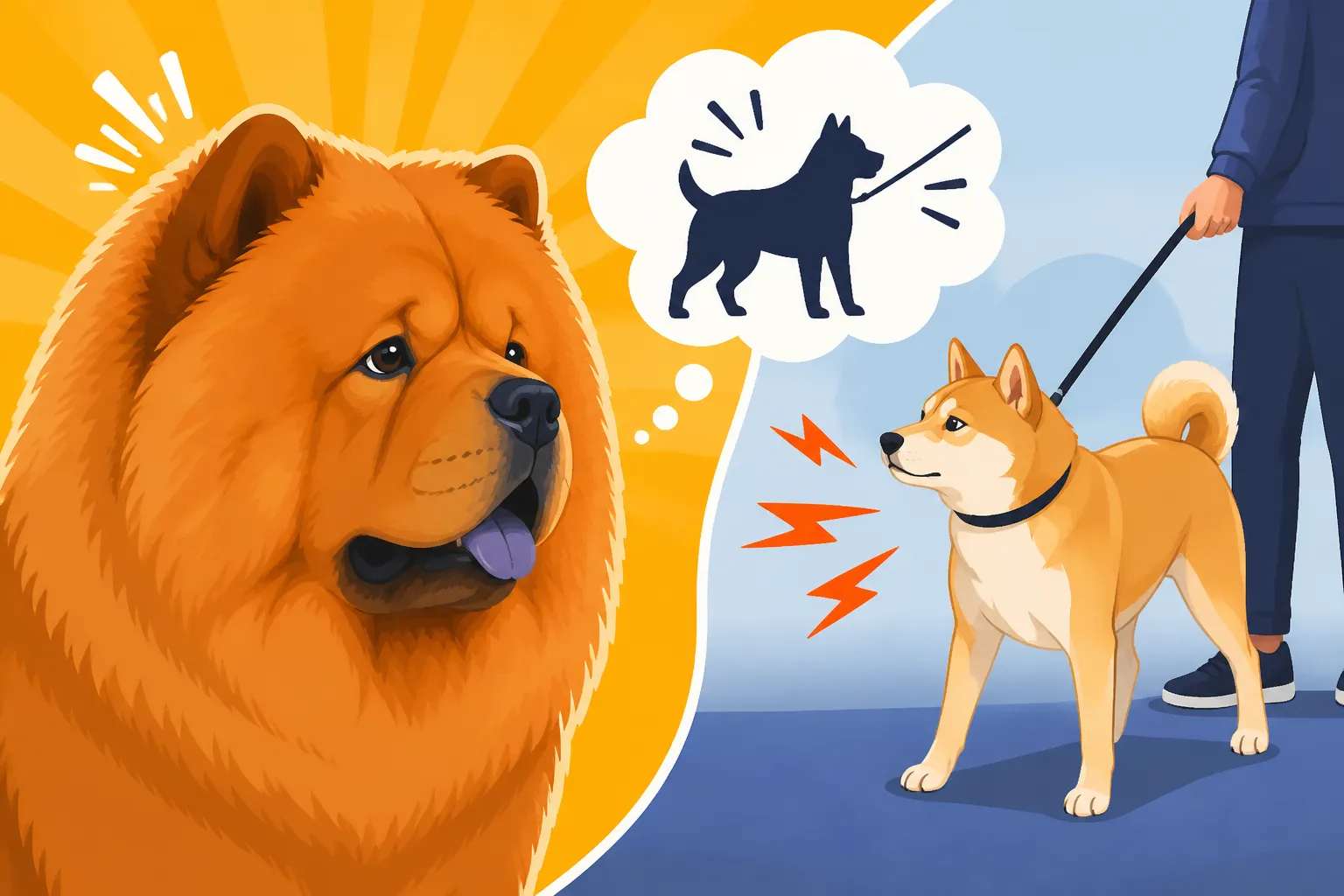
It can be incredibly frustrating, not to mention embarrassing, when your dignified Chow Chow transforms into a barking, lunging furball the moment another dog appears on your peaceful walk. You just want to enjoy a stroll with your companion, but instead, every outing feels like navigating a minefield, leaving you stressed and your arm sore. This guide dives deep into why Chow Chows often react to other dogs on leash, exploring their unique breed traits and offering actionable strategies to help you and your Chow Chow enjoy calmer, more predictable walks.
The Chow Chow's Unique Worldview and Leash Reactivity
Chow Chows aren't your typical golden retrievers who want to greet every passerby with a wagging tail. Their ancient heritage and distinctive personality play a huge role in how they perceive and react to the world, especially when it comes to other dogs on leash. Understanding this fundamental difference is the first step in addressing their reactivity.
An Independent Spirit in a Modern World
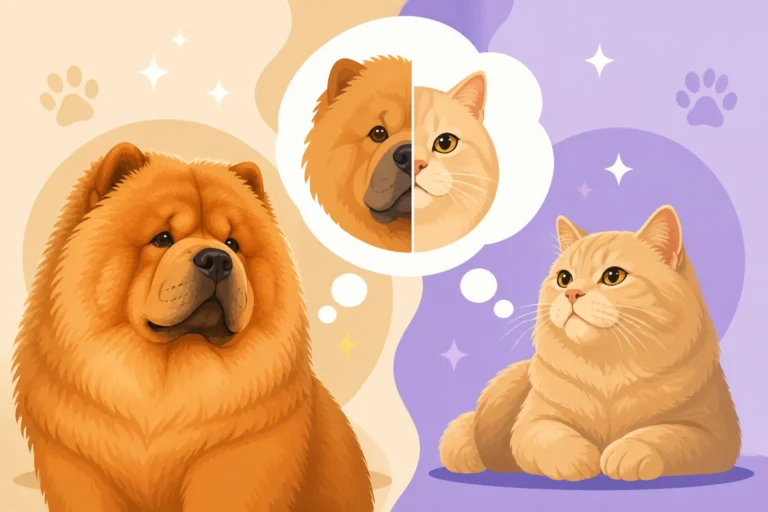
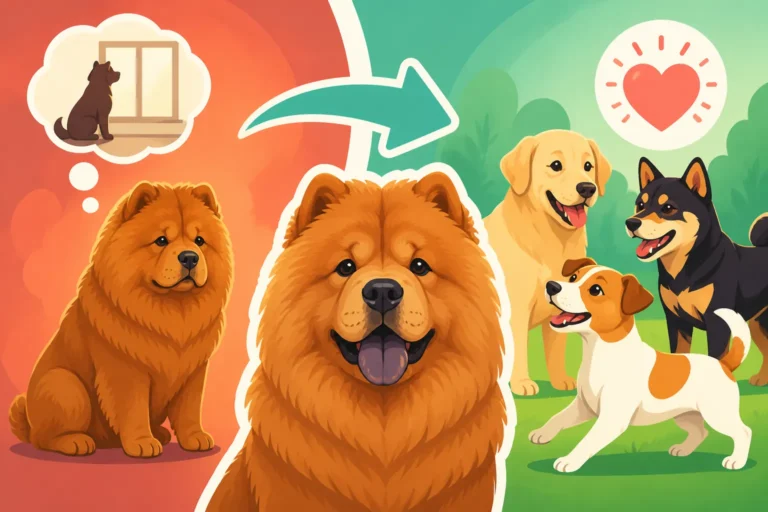
The Chow Chow is a breed steeped in history, originally bred for guarding, hunting, and working in various capacities across ancient China. This isn't a "velcro dog" by nature. They are independent thinkers, often described as cat-like in their demeanor—choosing their moments for affection and preferring to observe rather than enthusiastically participate in every social interaction. This independence means they often don't feel the inherent need or desire to "make friends" with every dog they encounter. In fact, many Chows prefer to simply ignore other dogs unless they are truly part of their inner circle.
When on leash, this independent nature can translate into a lack of tolerance for unsolicited advances from other dogs. They don't appreciate dogs bounding up to them, sniffing them, or invading their personal space. Their reaction isn't usually born of aggression, but rather a strong desire for personal boundaries and a clear signal to "back off." If they feel cornered or unable to escape, their initial stiffness or growl can quickly escalate to barking and lunging, simply because they are trying to communicate their discomfort. This can be a tough pill to swallow for owners who wish for a more social dog, but accepting and respecting their boundaries is key.
Limited Peripheral Vision and Startle Response
One of the most defining physical characteristics of a Chow Chow is their deep-set eyes, often nestled within their distinctive facial wrinkles and thick ruff. While undeniably charming, these deep-set eyes severely limit their peripheral vision. Imagine walking through the world with blinders on, only able to see what's directly in front of you. Why a Chow Chow's Deep Set Eyes Limit What It Sees is a common challenge for the breed, and it significantly impacts their interactions with other dogs.
A dog approaching from the side or behind can easily startle a Chow Chow. They simply don't see the approaching threat (or perceived threat) until it's much closer, leading to a sudden, defensive reaction. This isn't aggression; it's often a fear-based response to being surprised. A quick, unexpected movement from another dog, or even a child, entering their limited field of vision can trigger an immediate bark or lunge. Over time, if these startle responses are frequent, a Chow Chow can begin to associate the presence of other dogs with that jarring, unpleasant feeling of being surprised, leading to anticipatory reactivity even when the other dog is far away. Their natural scowl, a result of their facial structure, can also make it harder for other dogs (and people!) to read their subtle signals of discomfort, potentially leading to misunderstandings.
Territoriality and Guarding Instincts
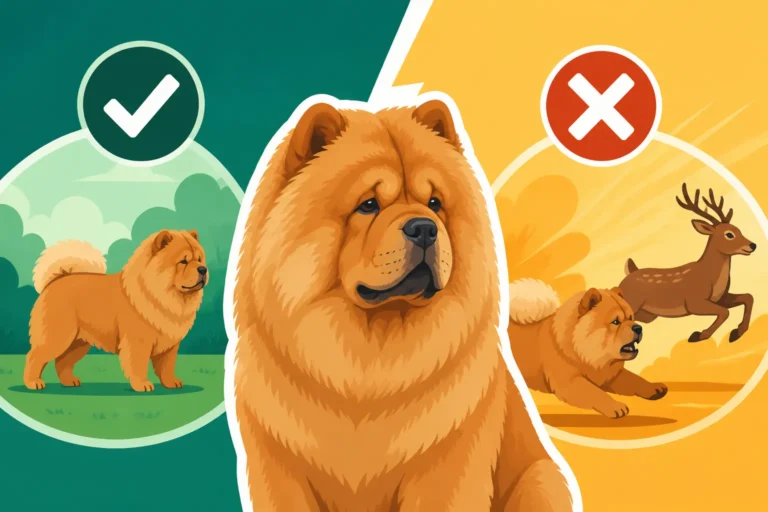
Given their history as guardians and hunters, Chow Chows possess a strong territorial instinct. While they might not be actively "guarding" your home during a walk, this inherent trait can extend to their immediate surroundings and even to you, their primary person. What a Chow Chow Guards and Why is a foundational aspect of their temperament.
When another dog approaches, especially if they perceive it as overly boisterous or threatening, a Chow Chow might react defensively, seeing it as an intrusion into their space or a challenge to their bond with you. This can be amplified if you're holding something they value, like a favorite toy or a high-value treat, though usually, it's just about their perceived personal bubble. They are essentially communicating, "This is our space, and you need to keep your distance." This isn't necessarily a desire to engage in a fight, but rather a clear, assertive warning. For many Chow Chow owners, this means walks are a constant vigilance game, trying to spot other dogs before their Chow does to manage the situation proactively.
Recognizing the Triggers and Early Warning Signs
Before we dive into solutions, it's crucial to identify what specifically triggers your Chow Chow's reactivity and, just as importantly, to learn to read their subtle communication signals before they erupt into a full-blown display.
Common Triggers Beyond Just "Another Dog"
While "another dog" is the overarching trigger, the specifics matter immensely. It's rarely just any dog, but often a combination of factors. Understanding these nuances can help you anticipate and manage situations more effectively.
- Proximity: How close does another dog have to be before your Chow reacts? For some, it's only when a dog is within sniffing distance. For others, just seeing a dog across the street is enough. Your Chow Chow's threshold for proximity is critical. If your dog reacts at 50 feet but tolerates dogs at 100 feet, you have a management distance you can work with. If they react to dogs that are very far away, their fear or anxiety might be more generalized.
- Energy Level and Demeanor of the Other Dog: A calm, quiet dog passing by might elicit less of a reaction than a bouncy, vocal puppy. High-energy dogs, especially those that stare or pull towards your Chow, are often major triggers. This ties back to their need for personal space and dislike of over-exuberance from strangers. They might also react differently to dogs of different sizes or breeds.
- Surprise Element: As mentioned, their limited peripheral vision means sudden appearances are highly unsettling. A dog turning a corner unexpectedly, or popping out from behind a parked car, can cause an immediate, strong reaction. This is where vigilance on your part becomes a superpower.
- Frustration-Based Reactivity: Sometimes, a Chow Chow wants to get closer or investigate, but the leash prevents them. This can lead to frustration, which manifests as barking and lunging. This is often seen in dogs who are generally curious but become agitated when their movement is restricted. It’s not necessarily fear or aggression, but thwarted desire.
- Your Own Stress: Dogs are incredibly adept at picking up on our emotions. If you tense up every time you see another dog, your Chow Chow will feel that tension through the leash and your body language. They might interpret your anxiety as confirmation that there is something to be worried about, reinforcing their reactive behavior. Learning to manage your own stress is a significant part of managing theirs.
Decoding Your Chow Chow's Pre-Reacting Body Language
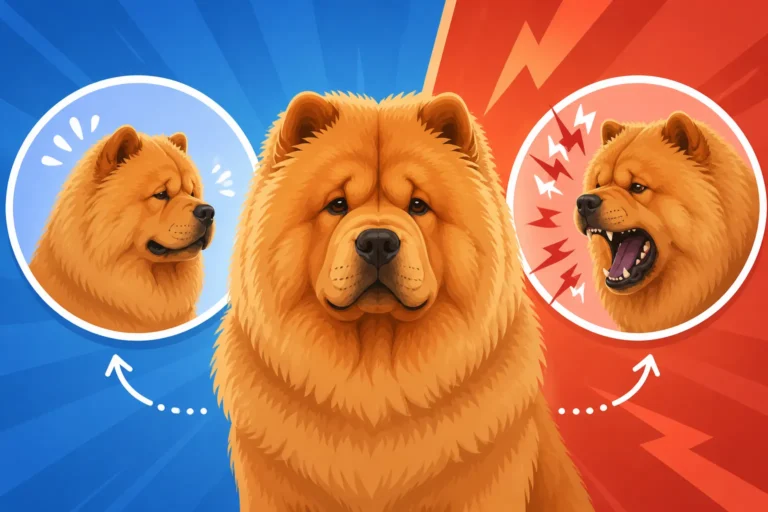
Chow Chows, with their profuse coats, unique facial structure, and often curled tails, can be notoriously difficult to read compared to other breeds. How to Read a Chow Chow's Face is a skill every owner needs to develop. Their "scowl" is their natural expression, not necessarily a sign of anger. However, they do give off signals, often subtle, before a full reaction. Learning these can give you precious seconds to intervene.
- Stiffening: This is one of the earliest and most common signs. Your Chow Chow might suddenly stop, their body becoming rigid, their tail stiffening (even if still curled). This indicates they've spotted something and are assessing it.
- Head Turn/Eye Contact: A direct, hard stare at the approaching dog, often with their ears rotated forward, is a warning sign. Conversely, a sudden turn away from the trigger, trying to avoid eye contact, can also indicate stress or a desire to disengage, which, if ignored, can lead to a reaction.
- Lip Licks or Yawns (out of context): These are often displacement behaviors, signs of stress or anxiety. If your Chow licks its lips or yawns repeatedly when another dog is in the vicinity, they are likely uncomfortable.
- Tail Wag (misinterpreted): A wagging tail does not always mean happiness. A stiff, rapid, high-set tail wag can indicate arousal, anxiety, or even a warning. Pay attention to the entire body, not just the tail. Whether a Chow Chow's Tail Tells You Anything is more complex than with many other breeds.
- Whale Eye: You might see the whites of their eyes, particularly if they are turning their head but still trying to keep an eye on the trigger. This is a clear sign of stress.
- Low Growl: A very low, rumbling growl that you might barely hear can precede a louder bark or lunge. This is their way of giving a final warning before escalating. Never punish a growl, as it's a vital communication tool that tells you your dog is uncomfortable.
By observing these signs, you can often gauge your Chow Chow's comfort level and intervene before they feel the need to react explosively.
Strategies for Managing and Reducing Leash Reactivity
Addressing leash reactivity in a Chow Chow requires patience, consistency, and a multi-faceted approach. There's no magic bullet, but with dedication, you can significantly improve your dog's comfort and your walking experience.
Proactive Management: Prevention is Key
The easiest way to prevent a reaction is to avoid the trigger in the first place. This isn't a long-term solution to change their underlying feelings, but it's essential for keeping everyone safe and for stopping the reactive behavior from becoming a deeply ingrained habit. Every time your Chow Chow reacts, the neural pathways for that behavior are strengthened, making it harder to change.
- Avoidance and Distance: If you see another dog approaching, cross the street, turn around, or step behind a car or bush. Increase the distance until your Chow Chow is below their reaction threshold. This might mean walking at less busy times, choosing less popular routes, or sticking to areas where you have good visibility to spot other dogs far in advance.
- Observation and Awareness: Be vigilant. Keep your head up, scan your environment constantly, and try to spot other dogs before your Chow does. This gives you time to react calmly and move away.
- High-Value Treats: Carry truly irresistible treats—think cooked chicken, cheese, or hot dogs. These aren't for bribing; they're for creating positive associations and redirecting attention.
- Specialized Equipment:
- Front-Clip Harness: A well-fitting front-clip harness, easily found on platforms like Amazon, can help redirect your Chow Chow when they try to lunge, turning them gently to the side instead of allowing them to pull forward with full force. This gives you more control and prevents choking. Look for brands known for durability and comfort for heavily coated breeds.
- Muzzle Training: For Chows with a history of snapping or biting, or for those whose reactions are particularly intense, muzzle training is a responsible safety measure. A basket muzzle allows them to pant and drink, and can be purchased from various pet retailers, including Amazon. Introducing it positively, with treats, makes it a comfortable tool, not a punishment. Teaching a Chow Chow to Wear a Muzzle is an excellent skill to teach any Chow Chow, regardless of reactivity, for vet visits or emergencies.
- Manage Your Own Stress: Take a deep breath. Loosen your grip on the leash. Your calm energy will transmit to your Chow Chow. Practice relaxation techniques before and during walks.
Counter-Conditioning and Desensitization
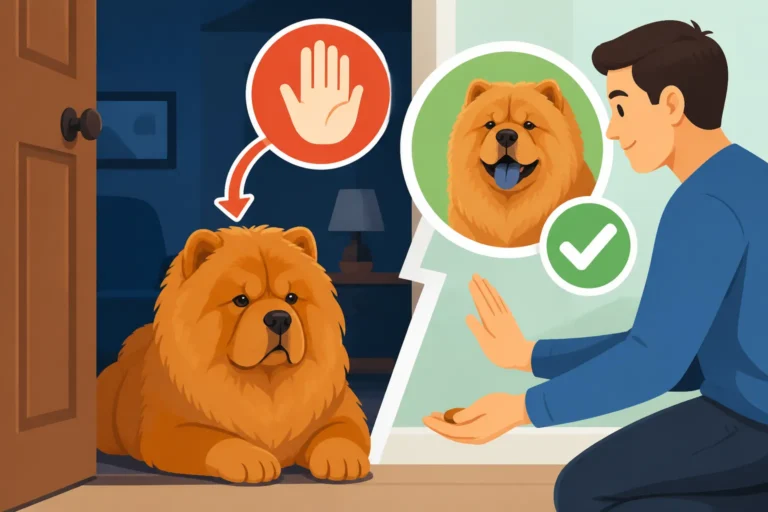
This is the core of changing your Chow Chow's emotional response to other dogs. It's about changing their negative association ("other dog = scary/unpleasant") to a positive one ("other dog = yummy treats").
- Find Their Threshold: Determine the distance at which your Chow Chow notices another dog but doesn't react. This is their "threshold." This might be 100 feet, 50 feet, or even further.
- "Look at That" Game (LAT): When your Chow Chow sees another dog (at or below their threshold), immediately say "Yes!" or click a clicker, and give them a high-value treat. Repeat. The goal is that when they see another dog, they automatically look at you for a treat, rather than reacting to the other dog. The other dog becomes a predictor of good things.
- Gradual Exposure: Start with short durations and long distances. Gradually, over weeks and months, you can slowly decrease the distance or increase the exposure time, always staying below their threshold. If your Chow Chow reacts, you've gone too far, too fast. Go back to a greater distance and try again.
- Controlled Set-Ups: If possible, enlist a friend with a calm, well-behaved dog. Practice at a distance, with both dogs on leash, gradually decreasing the space as your Chow Chow remains calm and accepts treats. This structured environment is far less overwhelming than random street encounters.
Professional Guidance and Training Resources
Sometimes, tackling leash reactivity alone can feel overwhelming. Don't be afraid to seek professional help. A certified professional dog trainer (CPDT-KA) or a veterinary behaviorist can provide tailored strategies and hands-on guidance.
- Individual Training Sessions: A trainer experienced in positive reinforcement and fear-free methods can assess your Chow Chow's specific triggers and develop a personalized training plan. They can help you refine your timing, leash handling, and observation skills. Whether a Chow Chow Needs a Professional Trainer Early is often a resounding yes, especially for complex behavioral issues like reactivity.
- Online Resources: Programs like BAXTER & Bella, while often geared toward puppies, also offer excellent resources and structured lessons that can be adapted for adult dogs with reactivity. Their emphasis on positive reinforcement and building a strong foundation of trust and communication can be very beneficial for a Chow Chow's independent temperament. You can often find modules or lessons on leash manners, focus work, and impulse control that directly apply to reactivity.
- Focus on Foundational Skills: A reliable "watch me" cue, a strong recall, and a solid "leave it" command are invaluable when dealing with reactivity. These skills, practiced in low-distraction environments, empower you to redirect your Chow Chow's attention away from triggers. Teaching a Chow Chow a Reliable Recall is a vital safety skill, allowing you to create distance quickly if needed.
The Journey to Calmer Walks
Remember, changing deeply ingrained behavior takes time. You'll have good days and bad days, and that's perfectly normal. Celebrate the small victories—a moment of calm observation, a walk where you successfully avoided every trigger, or a quicker recovery from a reaction. Your Chow Chow isn't being "naughty"; they are reacting out of their instincts, fear, or frustration. With understanding, patience, consistent positive reinforcement, and the right strategies, you can help your majestic Chow Chow navigate the world more comfortably and transform your walks from stressful encounters into enjoyable adventures.
Disclaimer
This article is for general informational purposes only and does not constitute professional advice. Laws, prices and regulations vary by location and change over time. Consult a qualified professional for guidance on your specific situation.