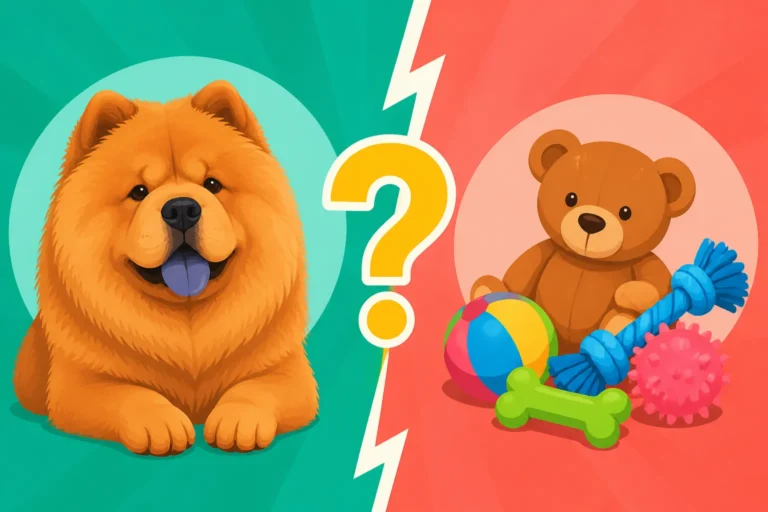
Whether Two Chow Chows Can Live Together
Bringing a second dog into your home is a huge decision, but when that dog is another Chow Chow, the stakes feel even higher. Many Chow Chow owners worry about how their stoic, independent, and sometimes particular furry family member will react to sharing their space, their people, and their toys. It's a completely valid concern because Chows aren't typically known for their boundless enthusiasm for canine companionship. This guide will help you understand the dynamics of introducing and maintaining a harmonious multi-Chow household, exploring what works best and what challenges you might face.
Understanding the Chow Chow's Social Landscape
Let's be honest: the Chow Chow isn't your average Golden Retriever who wants to be best friends with everyone, canine or human. They have a unique personality that sets them apart, and understanding this is the first step in deciding if a second Chow Chow is a good idea for your family.
The Myth of the "One-Person Dog" and Its Nuances
You've probably heard the term "one-person dog" associated with Chows, and there's a good reason for it. While they can tolerate and even be affectionate with other family members, their primary bond is often intense and singular. This deep connection means they tend to be less interested in forming strong bonds with other dogs, especially within their own home. It’s not that they dislike other dogs inherently, but rather that their emotional capacity for attachment is often fulfilled by their chosen human.
Think about it from their perspective: they have their person, their routine, and their space. Introducing another dog, even another Chow, means disrupting that established order. This isn't necessarily a bad thing, but it requires careful consideration and a lot of patience. Their independence means they don't necessarily crave canine playmates in the same way some other breeds do. They might prefer a quiet nap on the couch over a boisterous wrestle, especially as they get older. If you're hoping for two Chows who are constantly romping together, you might need to adjust your expectations.
Territorial Instincts and Resource Guarding
Chow Chows were historically guard dogs, and those instincts run deep. This means they can be highly territorial about their home, their yard, their food, their toys, and, yes, even their favorite human. When you introduce another Chow, you're essentially asking them to share these valuable resources. This can lead to tension, especially if not managed properly.
Resource guarding can manifest in subtle ways, like a stiff body posture when another dog approaches their chew toy, or in more overt ways, like growling or snapping over a food bowl. It’s crucial to recognize these signs early and intervene with management strategies rather than allowing conflict to escalate. For example, feeding Chows in separate rooms or crates, and ensuring high-value treats are given when they are apart, can prevent many issues. Even small things, like a favorite sleeping spot, can become a point of contention. Understanding What a Chow Chow Guards and Why is vital before bringing another one into the fold.
The Best Pairing: Opposite Sex Dynamics
When it comes to multi-Chow households, the consensus among experienced owners and breeders is almost universal: an opposite-sex pairing offers the highest chance of success and the lowest risk of conflict. This isn't unique to Chow Chows; it's often true for many breeds with strong personalities and territorial tendencies.
Why Two Males (Neutered or Intact) Are a Challenge
Bringing two male Chow Chows together, especially if both are intact, is generally not recommended. Male-male aggression, particularly in breeds with guarding instincts, can be intense and dangerous. Intact males have strong hormonal drives that can lead to constant posturing, dominance displays, and outright fights. These aren't minor squabbles; they can result in serious injury to both dogs and, potentially, to humans trying to break them up.
Even if both males are neutered, the inherent challenges remain, though often significantly reduced. Neutering helps, but it doesn't erase years of ingrained behavior or personality. Two neutered male Chows might still engage in stiff body language, stare-downs, and a general unease around each other. You might find yourself constantly managing their interactions, keeping them separate when unsupervised, and living with a low level of tension in the home. It’s a lot of work, and often, the dogs themselves are not truly happy sharing space. It's often said that Why Two Same Sex Chow Chows Fight is a battle of wills that few owners want to arbitrate.
The Complexities of Two Female Chow Chows
While female-female aggression might not be as widely publicized as male-male, it can be just as, if not more, ferocious and unrelenting. Female Chows, like many females of strong-willed breeds, can engage in "silent" aggression, where conflicts build slowly over time with subtle cues, eventually erupting into vicious fights. These fights are often harder to break up and can be relentless.
Two intact female Chows are particularly problematic due to hormonal cycles. The presence of one female in heat can trigger aggression in another, even if they normally coexist peacefully. Spaying both females helps immensely by removing the hormonal component, but again, it doesn't guarantee harmony. You might find that one female consistently bullies the other, or that they engage in constant low-level disagreements over resources, attention, or prime sleeping spots. It can create a stressful environment for both dogs and their human family.
The Most Harmonious Arrangement: A Male and a Female
If you're truly set on having two Chow Chows, the most successful combination is typically a male and a female. There's a natural dynamic here that often leads to less conflict. Males and females generally don't feel the need to compete for dominance in the same way two dogs of the same sex might. They often establish a hierarchy more easily, or simply coexist without constantly challenging each other.
However, even with a male and female pair, responsible ownership is paramount. If either dog is intact, you're opening yourself up to the possibility of accidental litters, which adds a whole new layer of responsibility and ethical considerations. Most veterinarians and reputable breeders would strongly recommend spaying the female and neutering the male, especially if they are housemates, to prevent unwanted pregnancies and reduce hormone-driven behaviors that can still cause friction. Even with this ideal pairing, individual personalities play a huge role. Some Chows are simply not cut out for sharing their home with another dog, regardless of sex.
| Pairing Type | General Recommendation | Potential Challenges | Key Mitigation Strategies |
|---|---|---|---|
| Two Intact Males | Not Recommended | High risk of severe, dangerous aggression; constant tension | Separation, neutering, professional behaviorist. |
| Two Neutered Males | Challenging | Persistent low-level tension, potential for conflict, guarding | Separate resources, individual attention, careful supervision. |
| Two Intact Females | Highly Risky | Intense, relentless fights; hormonal triggers | Spaying, strict management, professional intervention. |
| Two Spayed Females | Challenging | Subtle bullying, resource guarding, difficult to manage fights | Separate resources, professional behaviorist, proactive management. |
| Intact Male & Female | Risky | Unwanted litters, potential for hormone-driven aggression | Spaying/neutering is strongly recommended. |
| Neutered Male & Spayed Female | Most Recommended | Still requires management, but generally lower conflict risk | Gradual introductions, separate resources, positive reinforcement. |
Introducing a Second Chow Chow Safely
So, you've decided a second Chow Chow is for you, and you're opting for the statistically more successful male/female pairing. Now what? The introduction phase is critical and cannot be rushed. A bad first impression can set the tone for a lifetime of uneasy coexistence.
Gradual Introductions in Neutral Territory
Never just throw two Chows together and hope for the best. That's a recipe for disaster. Introductions must be gradual and in neutral territory, where neither dog feels the need to defend its space. This could be a park, a quiet field, or a friend's large, fenced yard that neither dog considers their domain.
Start with parallel walks on leash, keeping a safe distance between them. The goal is for them to become aware of each other's presence without direct interaction. Watch their body language closely. Are they stiff? Staring? Growling? Or are they relatively relaxed, sniffing the ground, and occasionally glancing at the other dog? Keep these sessions short and positive. Praise and reward calm behavior. Over several days or weeks, gradually decrease the distance. Only when both dogs show consistent calm and relaxed body language should you consider a brief, supervised, on-leash sniff-and-greet.
It’s often beneficial to rotate them through your home separately for a few days before they meet inside. Let the new Chow explore, then take them out and let your resident Chow come in to sniff the new smells. This allows them to get used to each other's scent without the pressure of a physical presence. The guidance in How to Introduce a Chow Chow to a Stranger can be adapted for introducing a new canine family member.
Managing Resources and Preventing Guarding
Once the dogs are coexisting indoors, resource guarding is your next big hurdle. Chow Chows are inherently prone to guarding, so you need to be proactive.
- Feeding: This is often the biggest flashpoint. Feed your Chows in separate rooms or secure crates. Do not allow them to eat near each other, and pick up bowls as soon as they are finished.
- High-Value Chews and Toys: Any item a Chow values highly should only be given when the dogs are separated. This includes bones, long-lasting chews, and favorite squeaky toys. When they are together, only offer low-value toys that neither is likely to guard aggressively.
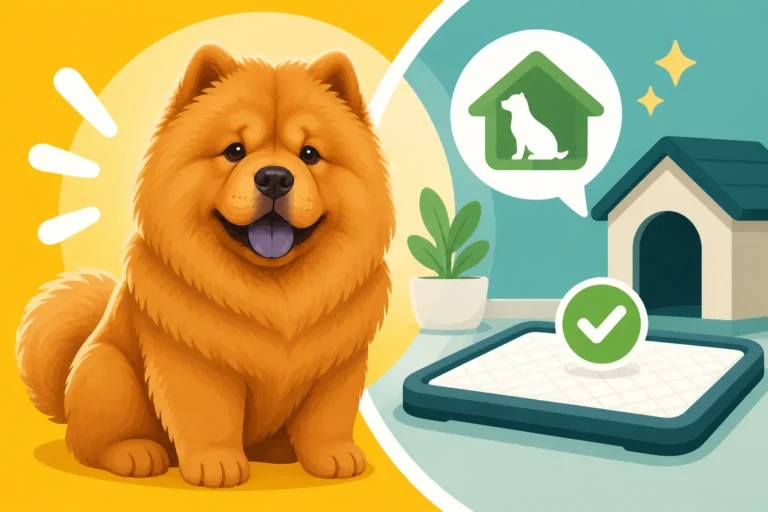
- Sleeping Spots: Provide multiple comfortable beds and resting areas throughout the house, ensuring there's no competition for prime spots. You might even consider separate crates or designated "safe spaces" where each dog can retreat and not be bothered. Many owners find a well-chosen crate, perhaps from a brand like AmazonBasics, offers a secure den for individual space.
- Human Attention: This is a tough one. Chows bond deeply with their person, and competition for your attention can arise. Make sure you dedicate individual time to each dog, away from the other. This could be a separate walk, a one-on-one cuddle session, or a training moment.
The Role of Consistent Training and Professional Guidance
Training isn't just for puppies; it's an ongoing process, especially in a multi-dog home. Both Chows need to understand basic obedience cues like "sit," "stay," "come," and "leave it." This allows you to manage situations before they escalate.
Positive reinforcement is key with Chows. They are intelligent but can be stubborn, and harsh corrections will only backfire. Use high-value treats and praise to reward desired behaviors. Companies like BAXTER & Bella offer excellent online training programs that focus on positive methods, which can be invaluable when managing multiple dogs with strong personalities. If you notice any signs of aggression, severe guarding, or constant tension despite your best efforts, don't hesitate to seek professional help. A certified professional dog trainer or veterinary behaviorist specializing in breeds like the Chow Chow can offer tailored strategies and help you interpret subtle canine communication. Trying to navigate these issues alone can be overwhelming and dangerous.
Factors Beyond Sex: Age, Temperament, and History
While sex pairing is a major consideration, it's not the only one. Many other factors influence whether two Chow Chows can successfully live together.
The Age Dynamic: Puppy vs. Adult
Bringing a puppy into a home with an adult Chow Chow can sometimes be easier than introducing two adults. A young puppy often poses less of a perceived threat to an established adult Chow, and the adult might tolerate the puppy's antics more readily. However, this is not a guarantee. Some adult Chows have very low tolerance for puppy energy and will quickly correct or even become aggressive with an overly pushy youngster.
It’s crucial to supervise all interactions, especially when the puppy is very young and hasn't learned proper canine manners. The adult Chow might teach the puppy boundaries, which is natural, but you need to step in if corrections become too harsh or frequent. As the puppy matures, usually around 6-18 months, their confidence grows, and they may start challenging the older dog. This is a critical period where established boundaries and management strategies become even more important. Understanding The Age a Chow Chow Puppy's Entropion Is Repaired or other health issues in a young dog can also impact their comfort level and behavior.
Individual Temperament and Personality
This is arguably the most crucial factor. Not all Chow Chows are created equal. Some are naturally more tolerant and laid-back, while others are more assertive, territorial, or independent. Even within the same litter, personalities can vary wildly. A Chow with a naturally more amenable temperament might be more open to sharing its home than one that is intensely private and guarding.
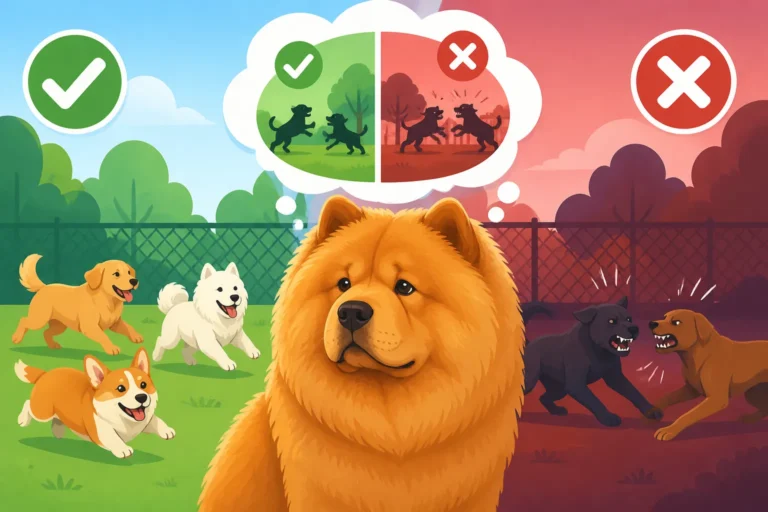
If your resident Chow has a history of dog aggression, severe resource guarding, or an extremely low tolerance for other dogs, bringing in a second Chow Chow is likely to be a stressful and potentially dangerous endeavor. Be honest with yourself about your current Chow's personality. Don't try to force a situation that isn't fair to either dog. Observing how your Chow reacts to other dogs on walks or in carefully controlled social settings can give you clues, but remember that interactions outside the home are different from constant cohabitation. Sometimes, How Aloof a Chow Chow Really Is or how they How a Chow Chow Gets Along With Other Dogs truly matters.
The Impact of Past Experiences and Socialization
For rescue Chows, their past experiences can heavily influence their ability to live with another dog. A Chow who has been undersocialized or had negative encounters with other dogs might be more fearful or reactive. Conversely, a Chow who grew up in a multi-dog household might be more accustomed to sharing space.
When considering a second Chow, especially from a rescue, try to get as much information as possible about their background and how they interact with other dogs. Many rescues perform temperament tests and foster their dogs in homes to assess their compatibility with other animals. An adult rescue Chow, if properly vetted for temperament and history, can sometimes adapt well, especially if paired with a stable, confident resident Chow of the opposite sex. However, it requires a significant commitment to patient introduction and ongoing management. Whether an Adult Rescue Chow Chow Can Change is a common question, and while some can, it often requires a great deal of effort and professional guidance.
In summary, while it is possible for two Chow Chows to live together, it's not a decision to be taken lightly. It requires extensive planning, careful management, and a deep understanding of the breed's unique temperament. The most successful scenarios often involve a neutered male and a spayed female, with both dogs having stable temperaments and owners committed to creating a harmonious environment through consistent training and proactive resource management.
Disclaimer
This article is for general informational purposes only and does not constitute professional advice. Laws, prices and regulations vary by location and change over time. Consult a qualified professional for guidance on your specific situation.