Whether a Chow Chow Makes a Good Guard Dog
Many people considering a Chow Chow for their home often wonder if these majestic, lion-maned dogs will naturally step into the role of a guard dog. It’s a common misconception, given their imposing appearance and often reserved demeanor, but the reality is far more nuanced. While a Chow Chow possesses certain traits that make them excellent deterrents and alarm systems, the true definition of a "guard dog" involves specific training and a temperament that doesn't always align with the Chow's independent spirit. This guide will meticulously break down what makes a Chow Chow seem like a formidable protector and where their natural instincts truly lie, helping you understand if this ancient breed is the right choice for your security needs.
Understanding the Chow Chow's Natural Instincts
When you look at a Chow Chow, with their dense ruff, deep-set eyes, and purposeful stride, it's easy to imagine them as fearsome guardians. Their appearance alone often deters unwelcome visitors, and for good reason. However, their guarding tendencies stem from a very specific place within their breed history and personality, rather than an inherent drive to be a protection dog in the modern sense.
The Aloof and Independent Nature
Chow Chows are famously aloof. They're not the type of dog to greet every stranger with a wagging tail or crave constant physical attention from anyone beyond their chosen few. This inherent independence means they're not looking for approval or direction from everyone. Instead, they form an incredibly deep, singular bond with one primary person, and often, a close connection with a few other family members. The Chow Chow Bonds to One Person and Tolerates the Rest details this unique characteristic. To outsiders, this comes across as indifference, suspicion, or even unfriendliness, which can be a powerful deterrent.
This aloofness isn't a flaw; it's simply how a Chow Chow is wired. They don't typically seek out conflict, but they also won't back down if they perceive a threat to their person or their territory. Their calm, watchful nature can be deceptive. They might appear completely unbothered by someone entering their space, but their senses are often hyper-aware, processing every detail. It's a quiet confidence that emanates from them, making people think twice before crossing boundaries. This reserved attitude makes them less prone to unnecessary barking at every passerby, but highly attentive to unusual activity.
Territoriality and Personal Space
One of the most defining characteristics of a Chow Chow that contributes to its "guard dog" image is its strong sense of territoriality. This isn't necessarily a trained behavior; it's a deeply ingrained instinct. They see their home, their yard, and their immediate family as theirs to oversee. This instinct made them valuable as temple guardians and watchdogs in ancient China, roles where they were expected to keep a watchful eye and sound the alarm.
Their territoriality means they are highly attuned to changes in their environment. A new car on the street, a delivery driver approaching the door, or someone lingering near the fence – these things will not go unnoticed. They are quick to alert their family to anything they deem out of the ordinary, often with a deep, resonant bark that carries authority. This isn't an aggressive bark in every instance, but a clear "I see you, and I'm letting my people know" warning. This natural inclination to guard their space and family is a major reason why many owners feel secure with a Chow Chow around.
Limited Peripheral Vision
An important physical trait to consider is the Chow Chow's deep-set eyes. While contributing to their characteristic "scowl" and lion-like appearance, these deep-set eyes actually restrict their peripheral vision. This isn't just an aesthetic detail; it has significant implications for how they perceive and react to their environment, especially when it comes to unexpected movements. Why a Chow Chow's Deep Set Eyes Limit What It Sees explains this in more detail.
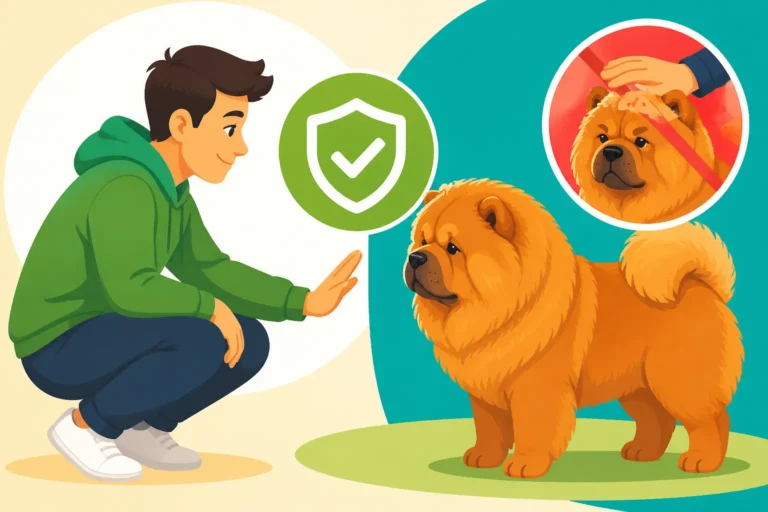
Because they have a more limited field of vision to the sides, a Chow Chow can be startled more easily by someone approaching them from the side or behind. This isn't due to fear, but simply surprise. A sudden, unannounced approach can trigger a quick, defensive reaction, which can sometimes be mistaken for aggression. This is why it's crucial for owners to understand their dog's visual limitations and teach visitors how to approach a Chow Chow safely. It's not that they're inherently aggressive, but their physical structure means they require careful consideration of their personal space and how others interact with it.
Chow Chow Behavior in a Guard Dog Role
So, how do these natural instincts translate into actual behavior when a Chow Chow encounters a potential threat? It's important to differentiate between an actual protection dog and a deterrent or alarm system, as a Chow Chow typically falls into the latter categories.
The Deterrent Effect
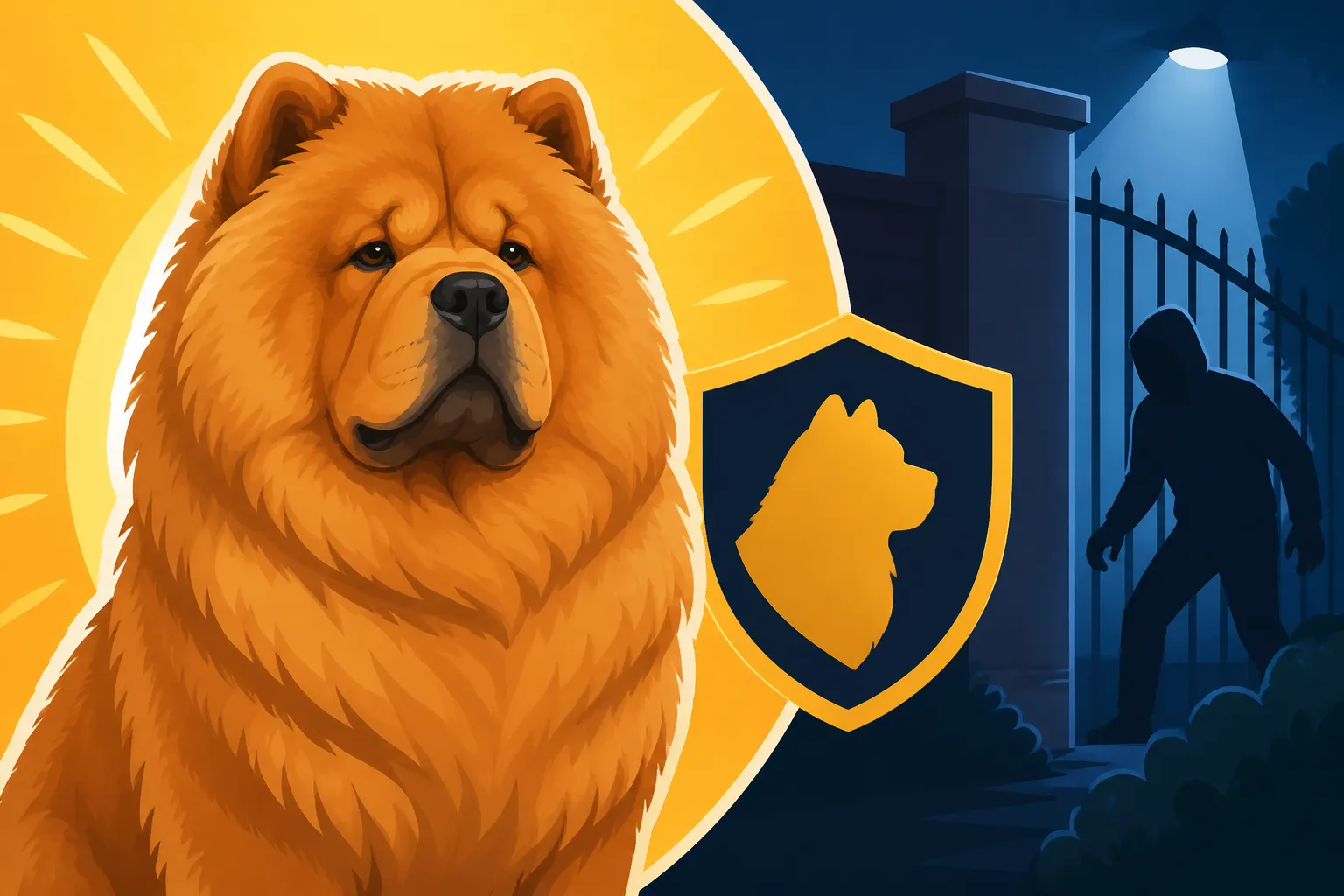
Simply put, a Chow Chow often doesn't need to do anything to deter an intruder. Their sheer presence, coupled with their reputation for being formidable and independent, is often enough. Imagine a potential intruder casing a home and seeing a Chow Chow calmly observing them from a window or through a fence. That imposing figure, with its serious expression and powerful build, often sends a clear message: "This isn't an easy target." This visual deterrent is incredibly effective, perhaps more so than any specific trained behavior.
They carry themselves with a certain gravitas. Even when they're not actively barking or lunging, their stance, their direct gaze, and their sheer physical presence communicate a sense of untouchable authority. This passive guarding is where a Chow Chow truly shines. They might not be the dog to chase down and apprehend, but they are certainly the dog to make a would-be intruder think twice about even attempting to enter your property. This quality makes them an excellent choice for a family looking for a home protector that naturally discourages trouble.
Warning Signs and Barking
When a Chow Chow perceives a genuine threat, they are not subtle about sounding the alarm. Their bark is deep, resonant, and commands attention. It's not the yappy, incessant bark of some smaller breeds, but a deliberate, powerful sound intended to alert their family and warn off the perceived threat. This type of bark often means "Stop, I see you, and you're not welcome." What a Chow Chow Barks At elaborates on the situations that typically trigger their vocalizations.
Beyond barking, a Chow Chow will often display clear body language as a warning. Their stance might stiffen, their tail (which usually curls over their back) might become rigid, and their eyes will be fixed on the perceived intruder. They might not growl or bare teeth immediately, but their entire demeanor will shift to one of heightened alert and readiness. This is their way of saying, "Further approach will not be tolerated." It's a clear, unmistakable warning that often precedes any more direct action. They don't typically give many warnings, so recognizing these subtle shifts in their posture is crucial for owners. Why a Chow Chow Warns Before It Acts can provide more insight into their communication style.
Engagement with Strangers
While a Chow Chow is fiercely loyal to its own family, its engagement with strangers is minimal and often guarded. They are not naturally sociable with people they don't know, and they certainly don't typically enjoy being petted or approached by strangers. This aloofness is a double-edged sword: it means they aren't easily distracted or charmed by an outsider, making them less susceptible to a friendly lure, but it also means introductions require careful management.
When a stranger does approach, especially one not invited into the home, a Chow Chow will typically remain watchful and reserved. They might stand between their person and the stranger, or position themselves to observe without direct interaction. They are not necessarily looking for a fight, but they are absolutely prepared to defend if they perceive an imminent threat to their beloved family. This reserved nature means they won't accidentally "befriend" an intruder. However, their reluctance to be handled by strangers also means that professional services, like a veterinary visit or a groomer, might require specific handling techniques. How to Introduce a Chow Chow to a Stranger offers guidance on managing these interactions.
The Differences Between a Guard Dog and an Alarm Dog
It's crucial to understand the distinction between a "guard dog" and an "alarm dog" (or watchdog) when considering a Chow Chow. People often use these terms interchangeably, but they refer to very different roles and temperaments.
The Watchdog/Alarm Dog Role
A Chow Chow excels as a watchdog or alarm dog. This means their primary function is to alert their family to the presence of strangers or unusual activity. They are the first line of defense, signaling that something is amiss. Their powerful bark, intimidating presence, and keen awareness of their surroundings make them outstanding at this job. They will let you know if someone is at the door, if a car is pulling up that shouldn't be there, or if a squirrel dares to trespass on their lawn.
This role is incredibly valuable for home security. Knowing that your dog will reliably alert you to potential threats gives you precious time to assess the situation and take appropriate action. They are excellent at making noise and making themselves seen, which is often enough to send a casual intruder packing. They act as a living, breathing security system that deters by presence and warns by sound. For many families, this is precisely the level of protection they desire – a dog that makes them feel safe without necessarily engaging in aggressive confrontation.
The True Protection/Guard Dog Role
A true "guard dog" or "protection dog" goes beyond simply alerting. These dogs are specifically trained to confront, restrain, or even neutralize a threat on command, or in specific dangerous situations. This involves advanced obedience, bite work, and a temperament that allows them to be assertive and aggressive when necessary, yet remain under handler control at all times. Breeds often chosen for this role include German Shepherds, Rottweilers, and Belgian Malinois, dogs that are typically eager to please and highly trainable.
While a Chow Chow can be protective, their independent nature and stubborn streak make them less suitable for the rigorous, precise training required of a formal protection dog. They are not typically eager to please in the same way, and their instinct is more often to deter or defend rather than to attack on command. Attempting to train a Chow Chow for formal protection work without a deep understanding of their unique temperament and expert guidance can be risky, potentially leading to an unpredictable or overly aggressive dog. Their guarded nature means they might Why a Chow Chow Backs Away From a Hand that isn't their chosen person, highlighting their selective trust.
Why the Chow Chow is Better Suited as a Deterrent
Considering their traits, the Chow Chow is best described as a natural deterrent and an effective alarm system, rather than a trainable guard dog. Their imposing look, reserved nature, and strong territorial instincts mean they naturally discourage unwanted visitors. They are an excellent visual and auditory deterrent. They will make sure you know if someone is there, but they are not typically the kind of dog that you would send to "apprehend" an intruder.
Their natural inclination to protect their family and territory means they will respond if pushed, but this response is usually reactive and defensive, not a controlled, trained aggression. For a family looking for a watchful companion who adds a significant layer of security through their presence and alert system, a Chow Chow is an excellent choice. But if you envision a dog that performs complex protection routines on command, a Chow Chow may not be the ideal breed.
Training and Socialization for a Chow Chow's Protective Instincts
Given the Chow Chow's inherent protective instincts, proper training and socialization are absolutely paramount. This isn't about training them to be guard dogs, but rather managing and channeling their natural tendencies to ensure they are well-adjusted, confident, and safe family members.
Early and Consistent Socialization
Socialization is perhaps the single most important aspect of raising any Chow Chow, especially one with strong territorial instincts. Their inherent aloofness can easily tip into wariness or fear if they aren't exposed to a wide variety of sights, sounds, people, and other dogs from a young age. Early socialization teaches them what is normal and safe in the world, helping them differentiate between a genuine threat and an everyday occurrence. When a Chow Chow's Socialization Window Closes emphasizes the critical timeframe for this development.
This means regularly and positively exposing your Chow Chow puppy to new environments, gentle strangers, and calm, vaccinated dogs. Puppy classes are an excellent way to do this in a controlled setting. While they might not be the life of the party, these experiences teach them to tolerate new things without fear or aggression. Without proper socialization, their natural suspicion can escalate, making them unpredictable and potentially dangerous in unfamiliar situations. BAXTER & Bella offers online puppy training and socialization programs that can be incredibly helpful for owners navigating this crucial period, especially for breeds like the Chow Chow that benefit from a structured, positive approach in their own environment.
Managing Territorial Behavior
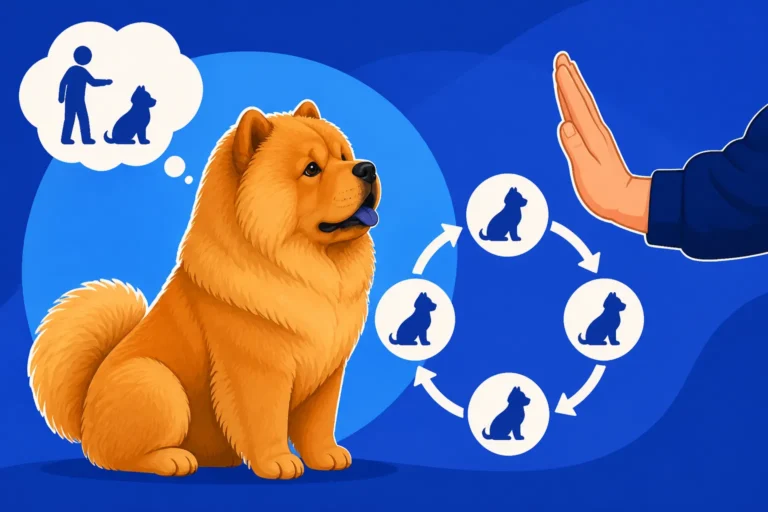
A Chow Chow's territorial instincts are strong, but they need to be managed, not encouraged for aggression. You want a dog that alerts you, not one that attacks every mail carrier. This involves teaching them boundaries and appropriate responses. For example, if they bark at someone approaching the door, acknowledge their alert, then confidently take over the situation. This reinforces that you are in charge of security, not them.
Management might also include using baby gates or crating when guests arrive, especially during initial introductions or if you have a busy household. This gives your Chow Chow a safe, quiet space and prevents them from feeling overwhelmed or needing to "defend" their territory excessively. Tools from Amazon like sturdy crates or playpens can be invaluable for creating these safe zones. Training a "place" command where they go to a designated spot when guests arrive can also be highly effective. How Territorial a Chow Chow Is further explores this behavior.
Handling and Desensitization
Because Chow Chows can be sensitive about being touched by strangers, especially in vulnerable areas, desensitization to handling is crucial. This is particularly important for vet visits or professional grooming. Start early with positive reinforcement, gently handling their paws, ears, tail, and muzzle. Make it a positive experience with treats and praise. This teaches them to tolerate examination and handling, even from people they don't know well.
Consider muzzle training from a young age, not because your Chow Chow is aggressive, but as a responsible safety measure. A well-conditioned dog views a muzzle as a normal part of life, like a collar, and it can be invaluable for vet visits, emergencies, or if you ever need a professional groomer who adds a handling fee for a difficult dog. It’s about being prepared and ensuring both your dog’s safety and the safety of those interacting with them.
The Importance of a Secure Environment
Finally, a Chow Chow's protective instincts mean they need a secure environment. A well-fenced yard is non-negotiable. They are not typically wanderers, but their territorial nature means they will guard their property. If they can get out, they might extend their guarding perimeter to the neighborhood, which can lead to negative encounters. A solid, visible fence prevents them from chasing perceived threats and keeps them safely contained. Whether a Chow Chow Needs a Fenced Yard provides more details on this essential requirement.
It’s also important to understand their sensitivity to unexpected approaches due to their limited vision. Signs on your property that say "Do Not Pet" or "Dog On Premises" can alert visitors to exercise caution. It’s about setting up both your home and your dog for success, preventing misunderstandings that can arise from their unique traits and protective nature.
In conclusion, while a Chow Chow might not be the traditional "guard dog" that performs complex protection routines, they are undoubtedly natural protectors and excellent deterrents. Their imposing appearance, aloof nature, powerful bark, and strong territorial instincts combine to make them highly effective at discouraging intruders and alerting their families to anything out of the ordinary. With proper socialization and thoughtful management of their natural tendencies, a Chow Chow provides a significant sense of security and a loyal, watchful presence in the home.
Disclaimer
This article is for general informational purposes only and does not constitute professional advice. Laws, prices and regulations vary by location and change over time. Consult a qualified professional for guidance on your specific situation.