Whether a Chow Chow Warns Before It Acts
One of the most concerning questions many Chow Chow owners, or those considering bringing one into their home, grapple with is whether these magnificent dogs provide adequate warning before reacting strongly to a situation. The truth is, Chow Chows often get a reputation for being stoic, independent, and sometimes unpredictable, which can lead to heartbreaking misunderstandings. This guide will delve into the nuances of Chow Chow communication, helping you understand their subtle signals and proactive steps to ensure a safe and harmonious relationship.
Understanding the Chow Chow's Unique Communication Style
Chow Chows are a breed unlike many others, stemming from their ancient origins and distinct temperament. They aren't your typical effusive Golden Retriever, eager to please and broadcasting every emotion with a wagging tail and bouncy body language. This difference in expressive style is precisely why the question of their "warnings" is so vital. Many new owners, accustomed to more outwardly communicative breeds, can easily miss the subtle cues a Chow Chow offers, leading to situations where the dog's reaction seems to come out of nowhere.
They are often described as having a "cat-like" personality, which speaks volumes about their reserved nature. Unlike dogs that might bark incessantly, pace, or whine when distressed, a Chow Chow might simply stand still, stiffen, or offer a hard stare. This quiet dignity can be misinterpreted as indifference or calm, when in reality, it could be a significant indicator of escalating discomfort. How Aloof a Chow Chow Really Is explores this characteristic in depth, highlighting that their aloofness isn't a lack of feeling, but a different way of expressing it. Learning to interpret these understated signals is paramount for anyone living with, or planning to live with, a Chow Chow.
The Myth of the "Unpredictable" Chow Chow
It's a common misconception that Chow Chows are inherently unpredictable. While their independent and protective nature means they aren't for everyone, and they do require specific handling and socialization, their reactions rarely come without some precursor. The problem isn't that they don't warn; it's that their warnings are often so subtle, so brief, or so contrary to what we expect from a dog, that they go unnoticed. This can be especially true for a dog that feels cornered, startled, or threatened. If you hear stories of a Chow Chow "snapping out of nowhere," it's almost always a case where the human simply missed the nuanced signals the dog was sending.
Their deep-set eyes, often hidden behind a magnificent mane, further complicate matters. Why a Chow Chow's Deep Set Eyes Limit What It Sees details how their unique facial structure can reduce their peripheral vision. This means they can be easily startled if approached from behind or the side, especially by someone they don't know well. What might seem like an unprovoked reaction could actually be a defensive one from a dog that didn't see you coming, didn't hear you over background noise, or perceived an immediate threat. Understanding these physical limitations is crucial to appreciating why their warning signs might be missed even by well-intentioned owners.
Decoding the Subtle Signals: What to Look For
Since Chow Chows aren't always big on obvious, boisterous warnings, it's up to us, their human companions, to become adept at reading their nuanced body language. This means paying attention to their entire body, not just their tail, and recognizing that stillness can be just as significant as a growl. Their signals are often fleeting, requiring careful observation and a deep understanding of what constitutes a "Chow Chow warning."
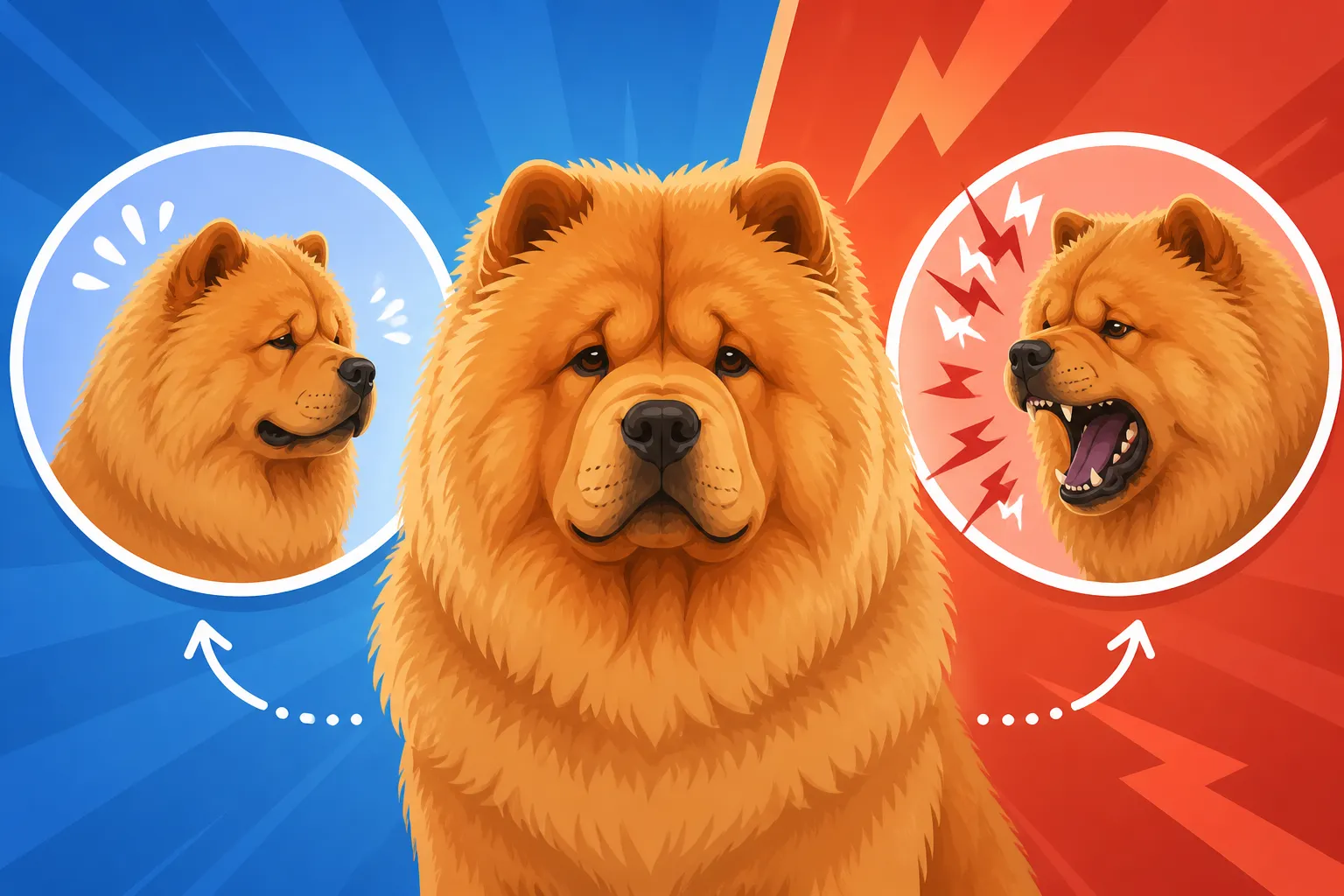
One of the most critical things to learn is Signs a Chow Chow Is Uncomfortable. These signs are rarely dramatic. They might include a slight stiffening of the body, a lowering of the head, a direct and unblinking stare, or a quick flick of the ears back. They may also yawn excessively, lip-lick, or turn their head away in an attempt to disengage. These are all appeasement signals or signs of stress, and if ignored, they can quickly escalate. A Chow Chow that feels unheard or disrespected in its warning attempts might then move to more pronounced displays of discomfort, which can unfortunately sometimes include a snap or a bite.
Reading the Chow Chow's Face and Body Language
Given their dense coats and profound expressions, it can be challenging to How to Read a Chow Chow's Face effectively. However, it’s not impossible. Look closely at their eyes: are they wide, showing the whites (whale eye), or narrowed? Is there a tension in their brow, deepening their natural "scowl?" Their ears, though small, can also be indicators. Pinning them back against their head, or holding them very stiffly forward, can convey stress or focus. Unlike many dogs whose tails are a clear indicator of mood, a Chow Chow's tail is often curled tightly over its back. While a relaxed tail might have a slight sway, a stiffly held or quickly tucked tail can indicate fear or extreme discomfort.
Beyond the face, observe their posture. A Chow Chow that is feeling uncomfortable might stand very still, almost frozen, rather than trying to move away. This "freeze" response is a warning in itself, indicating that the dog is highly stressed and might be preparing to defend itself if the perceived threat doesn't retreat. Conversely, some Chow Chows might show a more subtle avoidance, turning their body away slightly, attempting to create distance. Ignoring these attempts at disengagement is akin to pushing a button on a machine that has already displayed multiple "warning lights."
Here's a quick comparison of common dog warning signs versus typical Chow Chow signals:
| Common Dog Warning Signs | Chow Chow Subtle Signals |
|---|---|
| Loud, insistent barking | Low, guttural growl or no vocalization |
| Obvious growling and snarling | Stiff body posture, "frozen" stance |
| Raised hackles (visible) | Hard stare, narrowed eyes, showing whites of eyes |
| Direct lunge or snap without prior warning | Head turn, lip lick, excessive yawning, averted gaze |
| Ears flattened, tail tucked between legs | Ears stiffly held, tail tightly curled or slightly tucked |
| Retreating or cowering | Refusal to move, subtle shift of weight, turning head |
Why Warnings Can Be Missed or Misinterpreted
There are several inherent traits and physical characteristics that contribute to why a Chow Chow’s warning signals are so frequently missed or misunderstood by humans. It’s not necessarily a flaw in the dog, but rather a challenge in interspecies communication that requires humans to adjust their expectations and observation skills. Recognizing these factors helps us to be more patient and vigilant observers.
One of the most significant factors is their dense, often lion-like coat. This magnificent fur can obscure many of the subtle bodily cues that are obvious in shorter-haired breeds. For instance, it can be difficult to see if their hackles are raised, a classic sign of arousal or fear in many dogs. The sheer volume of fur can also make it harder to discern muscle tension or subtle shifts in weight that would otherwise be clear indicators of stress or discomfort. Furthermore, their deep-set eyes, while giving them their signature scowl, can make eye contact difficult to interpret, as the eyes themselves are often shadowed.
The Impact of Physical Traits and Breed Temperament
The Chow Chow's inherent temperament also plays a huge role. They are naturally reserved and independent, often described as serious dogs. This means they aren't inclined to overly dramatic displays. Instead of a boisterous bark or a frantic dash, they might opt for a silent, watchful stance. Their historical role as guardians and companions, rather than gregarious workers, has reinforced this reserved disposition. This breed was not developed to be overly communicative with strangers or even other dogs; their purpose was often to stand watch, observe, and protect with quiet authority.
This reserved nature means they give little warning compared to some other breeds that might use a wide array of vocalizations, barks, or prolonged body displays to communicate their unease. A Chow Chow might move from a subtle freeze or stare directly to a more significant reaction if they feel their initial, understated warnings are being ignored. This is particularly true in situations where they feel their personal space is invaded, or they are startled. Why a Chow Chow Snaps at Someone It Did Not See highlights the importance of understanding how their limited peripheral vision combined with their independent nature can contribute to sudden reactions if they are caught off guard.
Proactive Steps to Foster Clearer Communication and Safety
Living safely and happily with a Chow Chow isn't about hoping they'll suddenly become more expressive; it's about us becoming better at understanding them. This requires a commitment to proactive training, socialization, and constant observation. By taking these steps, you can create an environment where your Chow Chow feels safe enough to offer its subtle warnings, and you are skilled enough to interpret them correctly.
Early and ongoing socialization is absolutely critical for a Chow Chow. When a Chow Chow's Socialization Window Closes explains how crucial those early weeks and months are. A well-socialized Chow Chow is not necessarily an outgoing one, but rather one that has been exposed to a wide variety of sights, sounds, people, and appropriate dog interactions in a positive and controlled manner. This helps them develop confidence and resilience, making them less likely to react defensively to novel situations. How Much Socialization a Chow Chow Puppy Needs is a comprehensive guide to ensuring your Chow Chow puppy gets the right start. Without this foundation, What an Undersocialized Chow Chow Becomes can be a dog prone to fear-based aggression and reactivity.
Effective Training and Management Strategies
Positive reinforcement training is the cornerstone of building a strong bond and clear communication with your Chow Chow. They respond best to fair, consistent, and reward-based methods. Harsh corrections or force will only cause them to shut down or become more defensive, potentially leading them to suppress even their subtle warning signals. Consider enrolling in a well-regarded online puppy program like BAXTER & Bella, which emphasizes positive training techniques and helps owners understand canine body language. Even if your Chow Chow isn't a puppy, a good trainer can help you refine your communication. Whether a Chow Chow Needs a Professional Trainer Early often depends on the individual dog and owner's experience, but for a breed like the Chow Chow, professional guidance can be invaluable.
Learning How to Introduce a Chow Chow to a Stranger is also a crucial skill. Always give your Chow Chow space and control the introductions. Advocate for your dog, and don't allow strangers to rush in, pet them on the head, or invade their personal bubble. A simple, calm approach, allowing the Chow Chow to initiate contact if it chooses, is always best. Using tools like a cooling mat, a comfortable leash and harness, or engaging toys (easily found on Amazon) can also help manage their environment and provide comfort, reducing overall stress that might lead to a sudden reaction. Remember, a Chow Chow that is comfortable and confident is far more likely to offer discernible warnings than one that lives in a state of chronic stress or fear.
Disclaimer
This article is for general informational purposes only and does not constitute professional advice. Laws, prices and regulations vary by location and change over time. Consult a qualified professional for guidance on your specific situation.