Why a Chow Chow’s Face Folds Need Wiping
One of the most endearing characteristics of a Chow Chow is that magnificent, lion-like ruff and those deeply set eyes, but these very features create unique challenges for their well-being. Many Chow Chow owners find themselves battling persistent dampness, redness, or even foul odors emanating from their beloved dog's facial folds, often without fully understanding why these issues crop up and how best to tackle them. This comprehensive guide is dedicated to demystifying the specific needs of your Chow Chow's facial anatomy, providing clear, actionable steps for routine care, and empowering you to prevent uncomfortable and potentially serious skin infections that can arise from neglected wrinkles.
Understanding the Chow Chow's Unique Facial Anatomy
The Chow Chow is a breed with distinct physical traits that contribute to its majestic appearance, but also demand specific care. Those charming deep-set eyes and the characteristic "scowl" are not just cosmetic; they create folds and wrinkles that can become problematic if not properly maintained. It's not just about aesthetics; it's about understanding the intricate design of your dog's face and how it impacts their health.
The Deep-Set Eyes and Prominent Brow
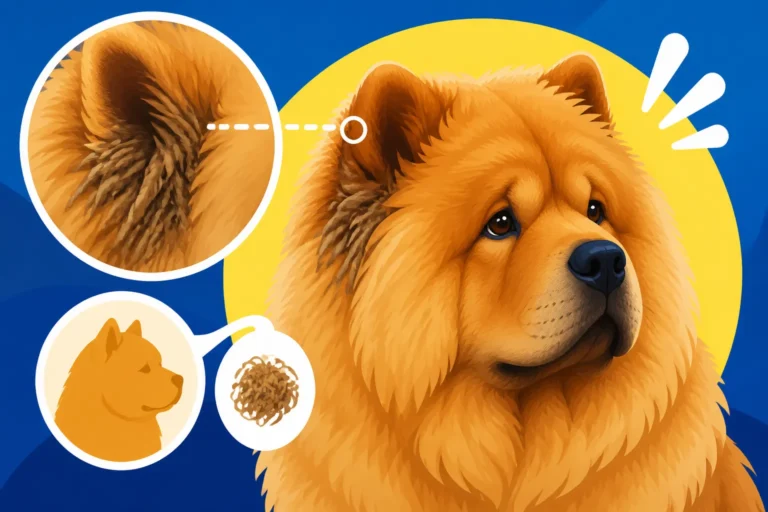
A Chow Chow's eyes are often described as deep-set, almost almond-shaped, peering out from beneath a furrowed brow. This deep setting, while contributing to their unique and sometimes aloof expression, also creates pockets of skin around the eyes and along the bridge of the nose. These areas can easily trap moisture from tears, drool, or even just humidity in the air. When you think about it, a human with deeply set eyes might notice more moisture in those areas after crying or splashing water on their face, but we can easily wipe it away. A dog, especially one with a dense coat and prominent brow, doesn't have that luxury.
The structure of the brow itself can push down on the eyelids, sometimes contributing to a condition where the eyelid rolls inward, known as entropion. Even without entropion, the deep folds and furrows created by the brow can rub against the underlying skin. Imagine wearing a piece of clothing that constantly bunches and rubs against your skin in a warm, moist area – that’s a pretty good analogy for what can happen in these facial folds. This constant friction, combined with trapped moisture, creates an ideal breeding ground for bacteria and yeast, leading to irritation and infection. We delve into these eye-related challenges more in articles like Why a Chow Chow's Deep Set Eye Causes Trouble.
The Natural Folds and Wrinkles Around the Muzzle
Beyond the eyes, Chow Chows typically possess a well-developed muzzle with natural folds and wrinkles, especially around the mouth and nose. These folds are a hallmark of the breed and add to their distinctive look. However, these areas are constantly exposed to food particles, water, and saliva. Every time your Chow Chow takes a drink, some water invariably gets trapped in these folds. When they eat, especially if they are enthusiastic eaters, food can become lodged in the creases. Think about the crumbs that collect in the corner of your own mouth after a meal – now imagine those crumbs staying there, mixing with saliva and moisture, and then being covered by another layer of skin and dense fur.
These deep wrinkles create an enclosed, warm, and often moist environment that's perfect for microbial growth. Unlike a smooth-faced dog, where such debris would simply fall away or dry quickly, the Chow Chow's unique facial structure holds onto it. This is why neglecting these seemingly innocent wrinkles can quickly escalate into uncomfortable skin conditions for your furry friend. Consistent, gentle care is the only way to counteract the natural predisposition their beautiful faces have towards these issues.
The Hidden Dangers of Uncleaned Face Folds
Ignoring your Chow Chow's face folds can lead to a host of uncomfortable and even painful issues. It's not just about a little dampness; it's about creating an environment ripe for infection and chronic skin problems. Many owners don't realize the severity of these potential issues until their dog is already showing clear signs of distress.
Moisture Trapping and Bacterial Growth
The deep creases in a Chow Chow's face act like miniature ecosystems, perfectly designed to trap moisture. This moisture can come from a myriad of sources: tears that naturally drain, slobber from drinking or panting, and even humidity in the air. Once trapped, this warmth and moisture create an ideal incubator for bacteria. Think of a damp sponge left out on a warm counter – it doesn't take long for it to start smelling and growing unpleasant things. The same principle applies to your Chow Chow's face folds.
Bacteria thrive in such anaerobic environments, multiplying rapidly and leading to a condition known as skin fold dermatitis or pyoderma. This bacterial overgrowth results in redness, inflammation, and often an unpleasant smell. If left unchecked, the infection can deepen, causing open sores, pain, and itching that can severely impact your dog's quality of life. It’s a vicious cycle: the irritation leads to scratching or rubbing, which further breaks the skin barrier, allowing more bacteria to enter and worsen the infection. This is a common issue for many Chow Chows and is a primary reason why Why a Chow Chow's Face Folds Need Wiping is so crucial to their routine care.
Yeast Infections and Their Distinctive Odor
Beyond bacteria, yeast is another common culprit found lurking in uncleaned face folds. Malassezia pachydermatis is a type of yeast that naturally lives on a dog's skin, but when conditions are right – specifically warm, moist, and dark – it can overgrow and cause an infection. This is particularly prevalent in the Chow Chow's facial folds, ears, and paw pads. The moisture-rich environment is simply too inviting for these opportunistic organisms.
A yeast infection often manifests with a very distinctive, pungent odor that many describe as yeasty, cheesy, or even like stale corn chips. It's an unmistakable smell that signals something is amiss. You might also notice a greasy texture to the skin within the folds, or a reddish-brown discoloration, especially of the fur around the affected areas. This discoloration is often due to porphyrins in the tears and saliva, which turn reddish-brown when exposed to yeast. Treating yeast infections often requires specific antifungal medications, which means a trip to the vet, but regular cleaning can largely prevent them from taking hold in the first place.
Skin Irritation and Dermatitis
Even before a full-blown infection takes hold, the constant moisture and friction in the face folds can lead to general skin irritation and dermatitis. Imagine having damp skin that is constantly rubbing against itself; it quickly becomes raw, chafed, and tender. For a Chow Chow, this can manifest as redness, mild swelling, and sensitivity to touch within the folds. The skin might become scaly or thickened over time, a process known as lichenification, as a chronic response to irritation.
This persistent irritation is not only uncomfortable for your dog but also makes them more prone to secondary infections. The skin's natural barrier is compromised, making it easier for bacteria and yeast to penetrate and cause more severe problems. A dog in constant discomfort might try to rub their face on furniture or the carpet, further irritating the area. It’s a silent suffering that can be entirely avoided with consistent and proper care. Understanding these risks highlights precisely Why a Chow Chow's Face Folds Need Wiping to maintain their comfort and health.
Recognizing the Signs of Trouble in Your Chow Chow's Folds
As devoted Chow Chow parents, it’s essential to be vigilant about the subtle cues your dog might be giving you that indicate a problem in their facial folds. They can’t simply point to an uncomfortable spot, and their dense fur can easily obscure early signs. Developing a keen eye and a sensitive nose will be your best tools in catching issues before they escalate.
Redness, Swelling, and Inflammation
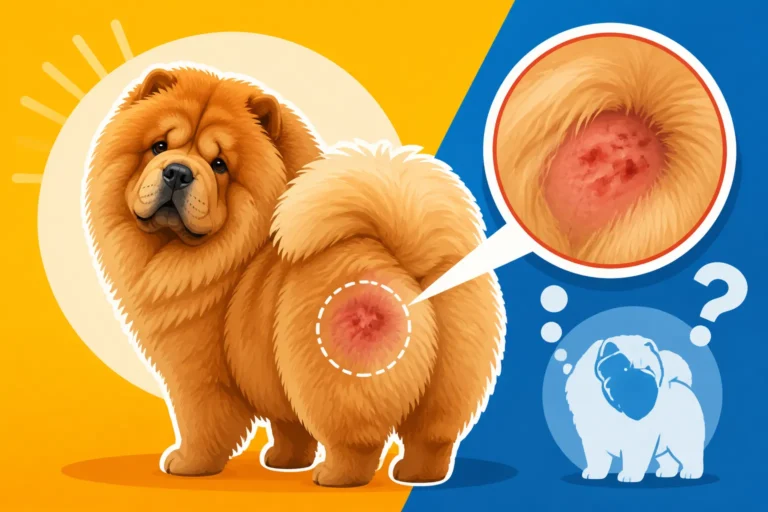
One of the most immediate visual indicators that something is wrong within your Chow Chow's face folds is redness or inflammation. Gently lift the folds and look closely at the skin underneath. Healthy skin should be a pale pink color. If you notice any areas that are distinctly red, inflamed, or even appear swollen, it's a clear signal that irritation or infection is present. This redness can sometimes be subtle, especially if your dog has darker skin pigmentation, so good lighting is key.
You might also observe that the skin feels warmer to the touch in these areas. This increased warmth is another classic sign of inflammation. Your Chow Chow might flinch or pull away when you try to examine these spots, indicating tenderness or pain. Sometimes, a severe infection can even cause pus to accumulate, which will appear as a thick, yellowish or greenish discharge. These visual cues are critical for early intervention, often preventing the need for more intensive veterinary care later on. Early identification and action can prevent a simple irritation from turning into a full-blown What a Chow Chow's Corneal Ulcer Costs to Treat if left unchecked near the eyes, for example.
Unpleasant Odor and Discoloration
Perhaps the most common and often the first sign owners notice is an unpleasant odor emanating from the face folds. As discussed, this can range from a "yeasty" smell to something distinctly sour, musky, or even putrid if bacterial infection is severe. Don't dismiss this as simply "dog smell." A healthy Chow Chow, even with their dense coat, shouldn't have a strong, offensive odor coming from their face. A quick sniff test during your regular interactions can be incredibly informative.
Alongside the odor, look for discoloration of the fur or skin. Moisture and yeast can cause the fur in the folds to take on a reddish-brown tint. This staining is particularly noticeable on lighter-colored Chows but can also appear as a dulling or rust-like discoloration on darker coats. The skin itself might appear darker or thickened in chronic cases. This staining isn't just cosmetic; it's a visual cue that there's an active microbial party happening in those folds. Pay attention to any discharge as well; clear, watery discharge can indicate simple irritation, while thick, colored discharge points strongly towards infection. For more on what to watch for, check out When a Chow Chow's Eye Discharge Means Entropion.
Excessive Itching, Rubbing, or Pawing
A Chow Chow experiencing discomfort in their face folds will often try to alleviate it themselves, though not always effectively. You might observe your dog frequently pawing at their face, rubbing their muzzle on carpets, furniture, or even your leg. They might also shake their head more than usual, particularly after eating or drinking, as if trying to dislodge something. Some Chows will scoot their face along the ground, a clear indication of irritation.
While Chows are known for being quite stoic and good at hiding pain, persistent scratching or rubbing is a strong indicator of an issue. If you notice them doing this, especially targeting the areas around their eyes, nose, or mouth, it's time for a thorough inspection of their facial folds. Left unchecked, this self-trauma can break the skin, creating open wounds that are even more susceptible to infection and leading to a more painful situation for your dog. For more general skin issues, you might find Signs a Chow Chow Has an Autoimmune Skin Disease helpful, but for folds, these specific signs are key.
Your Step-by-Step Guide to Cleaning Chow Chow Face Folds
Cleaning your Chow Chow's face folds doesn't have to be a daunting task, and with a bit of practice and patience, it can become a routine part of your bonding time. The key is to be consistent, gentle, and prepared. Developing a positive association with this process is crucial, especially for a breed known for its independent nature.
Gathering Your Essential Cleaning Supplies
Before you even call your Chow Chow over, make sure you have everything you need within arm's reach. This minimizes fuss and makes the process smoother for both of you. You'll want to create a dedicated little kit for face fold care.
First, you'll need soft, lint-free cloths or cotton pads. Some owners prefer sterile gauze pads, which you can find at any pharmacy or on sites like Chewy. The goal is to avoid anything abrasive that could further irritate the delicate skin. Next, you'll need a gentle, veterinarian-approved skin fold cleanser or wipe. Many brands offer wipes specifically formulated for skin folds, often containing ingredients like chlorhexidine or witch hazel which have antiseptic properties. Alternatively, a dilute solution of pet-safe antiseptic wash (check with your vet for recommendations) or even just warm water can suffice for daily cleaning if the folds are not actively infected. Avoid human baby wipes as they often contain perfumes or chemicals that can be irritating. For particularly moist areas, you might also consider a very fine drying powder (like cornstarch, or a medicated powder recommended by your vet) to apply after cleaning and drying. Finally, treats! High-value treats are your best friend to make this a positive experience.
Having all these supplies ready before you start ensures a seamless process, keeping your Chow Chow calm and less likely to become agitated. Remember, the right tools make all the difference in making this a positive experience for your dog.
The Gentle and Thorough Cleaning Technique
Now for the hands-on part. Find a quiet time when your Chow Chow is relaxed. You might want to do this after a walk or playtime when they are naturally a bit more mellow. Start by speaking to them in a calm, reassuring voice.
Gently part the fur to expose the skin folds around their eyes and muzzle. With a clean, damp cloth or medicated wipe, carefully clean inside each fold. The key here is gentleness. Don't rub harshly; instead, use a soft wiping motion to remove any debris, moisture, or discharge. Make sure you get deep into the creases. You might need to use several cloths or wipes to get each fold thoroughly clean, replacing them as they become soiled. Pay particular attention to the areas around the tear ducts, where moisture tends to accumulate. For more specific guidance on cleaning around the eyes, refer to How to Wipe a Chow Chow's Eye Folds. If your dog resists, take a break, offer a treat, and try again. Short, positive sessions are far more effective than long, frustrating ones.
Once you've cleaned the folds, use a separate, clean, dry cloth or cotton pad to thoroughly dry the area. This step is critical! Leaving any moisture behind can defeat the entire purpose of cleaning and actually encourage further bacterial or yeast growth. Ensure the skin is completely dry before moving on. This entire process should be done with a light touch, keeping your dog's comfort as your top priority.
Post-Cleaning Drying and Protective Measures
The drying process is arguably as important as the cleaning itself. As mentioned, trapped moisture is the enemy. After wiping the folds clean, use a soft, absorbent cloth or cotton pad to gently blot the area until it is completely dry. You can even use a cool setting on a hairdryer, held at a safe distance, if your dog tolerates it, to ensure every last bit of dampness is gone. The dense coat of a Chow Chow can easily trap moisture, making thorough drying crucial for preventing problems like Why a Damp Chow Chow Gets Skin Trouble.
Once dry, some owners find it beneficial to apply a thin layer of protective barrier cream or a very light, veterinary-approved drying powder. Products containing zinc oxide or calendula can provide a soothing barrier, but always consult your vet before applying any new product to ensure it's safe for your Chow Chow and won't cause further irritation. The goal of these protective measures is to create a less hospitable environment for bacteria and yeast, essentially adding an extra layer of defense against moisture and microbes. For example, a dusting of cornstarch (ensure it's pure, unscented cornstarch) can absorb residual moisture, or a medicated powder from your vet can help. Remember, the aim is to keep the folds dry and healthy, minimizing the need for extensive treatment later. Brands like Amazon often carry a variety of pet-safe skin care products that your vet might recommend.
Preventing Future Face Fold Issues
Preventative care is always superior to reactive treatment, especially when it comes to the sensitive skin folds of a Chow Chow. By integrating thoughtful practices into your daily routine and being mindful of their overall health, you can significantly reduce the likelihood of your beloved companion developing uncomfortable and recurring skin issues. It's about being proactive, not just responsive.
Establishing a Consistent Cleaning Routine
The single most effective way to prevent face fold issues is to establish a consistent, regular cleaning routine. For most Chow Chows, daily wiping and drying of the facial folds is ideal. In some cases, if your dog is particularly prone to moisture or has very deep folds, you might even need to do it twice a day – perhaps after their morning meal and again before bed. Think of it like brushing your teeth; it's a non-negotiable part of daily hygiene.
Consistency helps remove debris, food particles, and moisture before they have a chance to create a breeding ground for bacteria and yeast. It also allows you to closely monitor the condition of the skin within the folds, enabling you to catch any signs of redness, irritation, or odor at their earliest stages. Make it a positive experience by associating it with treats and praise, turning it into a pleasant bonding ritual rather than a chore. Even if your Chow Chow seems perfectly healthy, maintaining this routine is crucial. Just as you wouldn't wait for dental problems to appear before brushing your teeth, you shouldn't wait for skin fold infections to start cleaning. This regular attention helps ensure their comfort and prevents the often-costly veterinary visits associated with treating infections.
Diet, Allergies, and Their Impact on Skin Health
While direct cleaning is vital, it’s also important to consider internal factors that can contribute to skin problems, particularly diet and allergies. Many skin irritations, including those in the face folds, can be exacerbated or even caused by underlying allergies – whether environmental or food-related. If your Chow Chow suffers from recurrent skin fold infections despite diligent cleaning, it might be time to investigate potential allergens.
Food allergies can manifest as skin issues, including redness, itchiness, and inflammation. Common culprits in dog food include certain proteins like chicken, beef, dairy, or grains like wheat and corn. Working with your veterinarian to conduct an elimination diet trial can help identify if a specific food ingredient is triggering your dog's skin problems. Environmental allergies, such as pollen, dust mites, or molds, can also cause generalized itching and inflammation, which then makes the moist skin folds even more susceptible to secondary infections. Addressing these root causes can significantly improve overall skin health and reduce the burden on your cleaning routine. Brands like Ollie offer specialized dog food that might be suitable for sensitive dogs, though always consult your vet before making significant dietary changes.
Regular Veterinary Checks and Professional Guidance
Even with the most diligent home care, regular veterinary check-ups are indispensable for your Chow Chow's overall health, including their skin fold care. Your vet can provide professional guidance, diagnose any issues you might miss, and recommend specific treatments or preventative measures. During routine exams, your vet will likely inspect your dog's skin folds, ears, and eyes, looking for any signs of trouble.
If you notice persistent redness, a foul odor, or any discharge despite your cleaning efforts, don't hesitate to contact your vet. They can accurately diagnose whether it's a bacterial infection, a yeast infection, or another underlying issue. They might prescribe medicated wipes, topical creams, or even oral antibiotics or antifungals if the infection is severe. They can also advise on specific products safe for your dog, or offer advice on What a Chow Chow's Yearly Bloodwork Should Cover to catch any systemic issues. Sometimes, certain anatomical quirks might require more frequent or specific intervention, and only a professional can assess this accurately. Think of your vet as your partner in keeping your Chow Chow healthy and comfortable, especially when tackling their unique breed-specific needs.
Common Misconceptions and Best Practices
When it comes to caring for a Chow Chow's unique features, particularly those charming but challenging face folds, there are a lot of ideas floating around. Not all of them are helpful, and some can even be detrimental. Separating fact from fiction and adopting best practices will ensure your Chow Chow remains healthy and happy.
Why Shaving the Folds Isn't the Answer
It might seem logical: if the fur is trapping moisture and causing problems, why not just shave it off? While shaving might provide temporary relief from matting or make cleaning easier in the short term, it is generally not recommended for a Chow Chow's double coat, and especially not as a solution for face fold issues. Shaving a Chow Chow’s coat can have several negative consequences.
Firstly, a Chow Chow’s double coat provides insulation, protecting them from both heat and cold. Shaving can disrupt this natural thermal regulation, potentially making them more susceptible to overheating in summer and chills in winter. We explore more on this in Why Shaving Does Not Cool a Chow Chow. Secondly, shaving can damage the undercoat, leading to a condition known as "post-clipping alopecia," where the coat may grow back patchy, uneven, or with an altered texture, sometimes never fully returning to its original glory. More specifically for face folds, shaving can lead to clipper irritation or "razor burn" on the sensitive skin, which can actually exacerbate inflammation and provide new entry points for bacteria. The fur, when it grows back, can be stiff and coarse, potentially causing more friction in the folds than before. Instead of shaving, the focus should always be on diligent, gentle cleaning and drying within the existing folds.
When to Seek Professional Veterinary Attention
Knowing when to transition from home care to professional veterinary intervention is critical for your Chow Chow's well-being. While your daily cleaning routine is your first line of defense, there are clear signs that warrant a trip to the vet. Do not delay seeking professional advice if you observe any of the following:
If the redness, swelling, or odor in the folds worsens or persists despite consistent daily cleaning for a few days, it's time to call the vet. If you see any discharge that is thick, yellowish, greenish, or bloody, this almost certainly indicates a significant infection that requires medical treatment. Your Chow Chow showing signs of pain – such as excessive flinching, yelping, or actively avoiding having their face touched – also means immediate veterinary attention is needed. Deep fissures, open sores, or ulcers within the folds are serious and require prompt treatment to prevent deeper infections or scarring. Finally, if your dog becomes lethargic, loses appetite, or develops a fever in conjunction with facial fold issues, these are systemic signs of a more severe problem. Early veterinary intervention can prevent a minor infection from becoming a complicated, painful, and potentially more expensive problem to treat. This is often the case when dealing with sensitive areas like eyes, as discussed in What a Chow Chow's Corneal Ulcer Costs to Treat.
Incorporating Face Fold Care into Overall Grooming
Face fold care isn't an isolated task; it's an integral part of your Chow Chow's overall grooming regimen. Thinking of it this way helps ensure it doesn't get overlooked. Just as you routinely brush their magnificent coat, trim their nails, and clean their ears, inspecting and cleaning their face folds should be a natural step in their hygiene routine.
Ideally, you can incorporate face fold cleaning into your regular brushing sessions. After a good brush, when your Chow Chow is already accustomed to your handling, you can gently wipe their face folds. This also reinforces a positive association with handling their head and face, which is beneficial for vet visits and other grooming needs. If you use a professional groomer, ensure they are aware of the specific needs of your Chow Chow's face folds. A good groomer, especially one experienced with Chows (which can sometimes be hard to find, as explored in Finding a Groomer Who Will Take a Chow Chow), will typically include this as part of their service. However, home care remains essential between professional grooming appointments, as daily maintenance is key. Consistent integration of this task into your routine ensures that these vulnerable areas receive the attention they deserve, contributing to your Chow Chow's overall health and happiness.
The Long-Term Benefits of Diligent Face Fold Care
Investing time and effort into the consistent cleaning and care of your Chow Chow's face folds yields significant long-term benefits. This isn't just about preventing immediate problems; it's about contributing to their overall well-being, comfort, and even strengthening the bond you share. It's a fundamental aspect of responsible Chow Chow ownership that pays dividends for years to come.
Enhanced Comfort and Quality of Life
Imagine having a constant itch, or raw, irritated skin on your face. It would be incredibly uncomfortable and distracting, making it hard to relax or enjoy daily activities. For a Chow Chow, neglected face folds can mean precisely that kind of persistent discomfort. Diligent face fold care, therefore, directly translates into enhanced comfort and an improved quality of life for your furry companion.
When their folds are clean, dry, and free from irritation, your Chow Chow can simply be a dog, free from the nagging itch, pain, or smell that can plague them. They can eat, drink, sleep, and play without the distraction of an irritated face. This comfort allows their true personality to shine through. You'll likely notice they are more relaxed, less prone to rubbing their face, and generally happier. Preventing the chronic pain of skin infections means they can age more gracefully and enjoy their golden years without unnecessary suffering. This proactive approach supports their physical comfort in every way, ensuring they are not bothered by preventable issues around their sensitive facial areas.
Preventing Costly and Painful Infections
Beyond comfort, consistent face fold care is a powerful preventative measure against costly and painful infections. Left unchecked, a minor irritation in the folds can quickly escalate into a severe bacterial or yeast infection, sometimes requiring extensive veterinary treatment. These treatments often involve not just medicated wipes or creams, but potentially oral antibiotics, antifungals, pain medication, and even follow-up visits. The financial burden of treating recurring or severe infections can add up quickly, not to mention the stress and worry for you, and the discomfort for your dog. For example, a single serious infection can be as costly as treating a What a Chow Chow's Corneal Ulcer Costs to Treat if the eye is involved.
By regularly cleaning and drying the folds, you proactively remove the conditions necessary for these infections to take hold. You save yourself the expense and hassle of frequent vet visits for preventable skin issues, and more importantly, you spare your Chow Chow the pain and stress of dealing with a nasty infection. It’s an investment in prevention that ultimately saves both money and suffering, highlighting Why a Chow Chow's Face Folds Need Wiping as a non-negotiable part of their care.
Strengthening Your Bond Through Gentle Handling
Finally, the act of regularly cleaning your Chow Chow's face folds can actually strengthen the bond between you and your dog. It’s a moment of gentle, focused attention that requires trust and cooperation. By approaching this task calmly, gently, and with positive reinforcement (those high-value treats!), you teach your Chow Chow that your touch is safe, comforting, and associated with good things.
This regular, gentle handling, particularly of sensitive areas like the face, also makes other necessary procedures much easier. Whether it's a vet exam, administering eye drops (if needed), or even just general grooming, a Chow Chow that is accustomed to and trusts your touch will be more cooperative. This builds a foundation of trust and respect that extends to all aspects of your relationship. You become not just their provider, but a source of comfort and care, understanding their unique needs and addressing them with love and dedication. It's a quiet testament to your commitment to their well-being, reinforcing that strong, unique connection that Chow Chow owners cherish. Remember, for a breed that can be sensitive to handling, learning Teaching a Chow Chow to Have Its Eyes Wiped can be a game changer.
Here is a quick overview of potential issues and care methods:
| Issue Type | Common Signs | Best Prevention Method | Treatment (Vet Recommended) |
|---|---|---|---|
| Bacterial Growth | Redness, inflammation, foul odor, discharge | Daily cleaning & drying | Topical antibiotics, oral antibiotics |
| Yeast Infection | Yeasty odor, greasy skin, reddish-brown fur | Daily cleaning & thorough drying | Topical antifungals, oral antifungals |
| Skin Irritation | Redness, tenderness, rubbing, sensitivity | Consistent hygiene, address allergies | Soothing creams, anti-inflammatory meds |
| Allergy Flare-up | Generalized itch, redness, recurring fold issues | Dietary changes, environmental control | Antihistamines, steroids, specific therapy |
Remember, this table is for general information. Always consult your veterinarian for specific diagnoses and treatment plans for your Chow Chow.
Disclaimer
This article is for general informational purposes only and does not constitute professional advice. Laws, prices and regulations vary by location and change over time. Consult a qualified professional for guidance on your specific situation.