What a Chow Chow’s Double Coat Is Made Of
If you've ever found yourself marveling at a Chow Chow's majestic, seemingly boundless fur, you're not alone. Many new Chow Chow parents, and even some seasoned ones, struggle to truly grasp the incredible complexity of this breed's coat beyond just its sheer volume. This guide is here to unravel the mystery of what a Chow Chow's double coat is truly made of, helping you understand its unique structure and the vital role each layer plays in your furry companion's health and comfort.
Understanding the Chow Chow's Signature Double Coat
The Chow Chow’s coat isn't just a thick layer of fur; it's a meticulously designed natural system, a testament to centuries of adaptation to harsh climates. It’s what gives them that distinctive, lion-like appearance, a look that makes them instantly recognizable. But beyond aesthetics, this coat serves critical functions that directly impact their well-being, making it imperative for owners to understand its composition.
The Basic Anatomy of a Double Coat
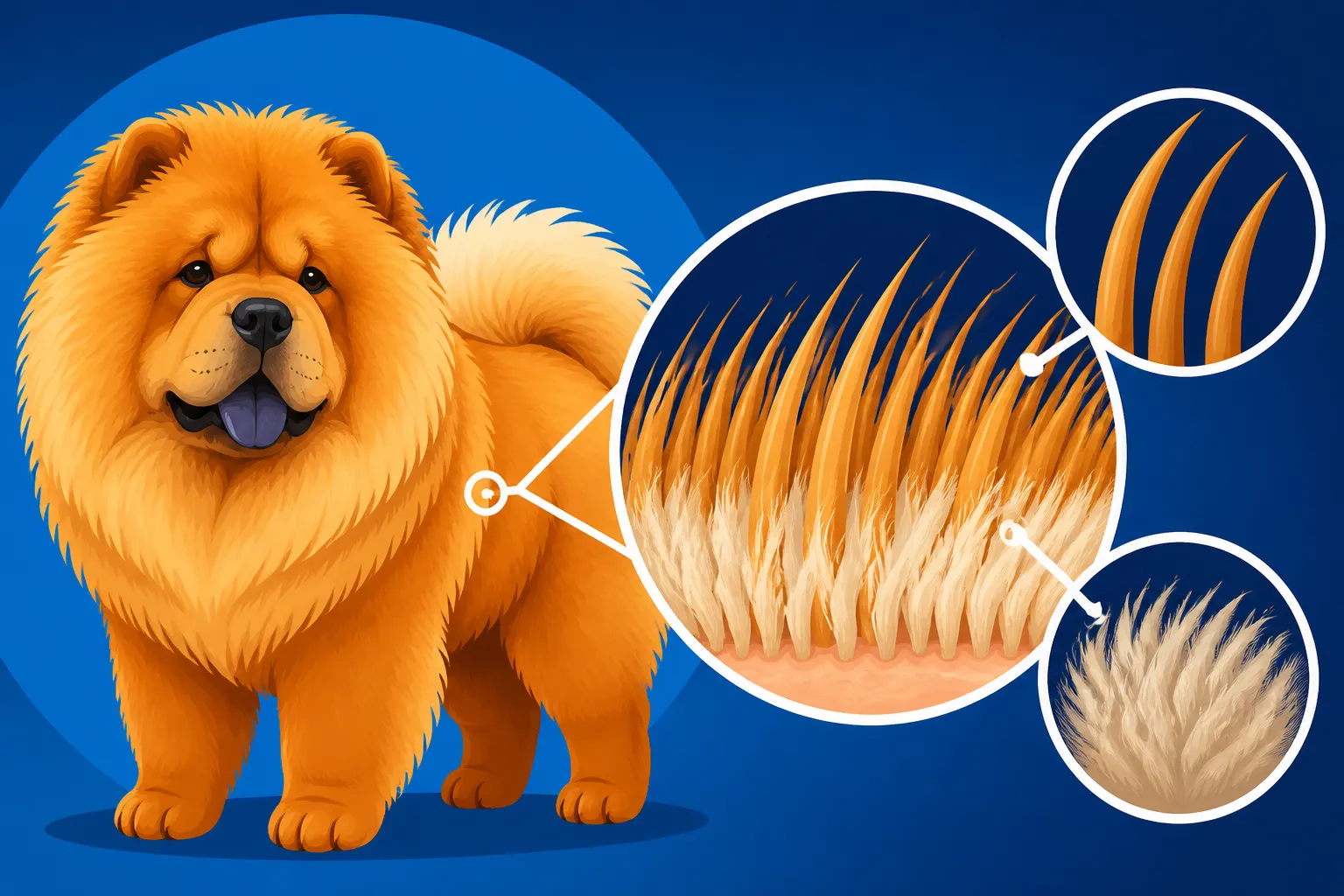
At its core, a double coat, as the name suggests, is comprised of two distinct layers: an inner layer known as the undercoat and an outer layer called the guard coat or topcoat. These two layers work in concert, each performing specialized tasks that contribute to the dog's overall protection and comfort. It's not just hair; it's an intricate biological design.
Think of it like a highly efficient winter jacket system. You have your soft, warm inner fleece (the undercoat) and a durable, weather-resistant outer shell (the guard coat). Without both pieces, the system isn't nearly as effective. This understanding is the first step in appreciating the Chow Chow's unique needs.
Why a Double Coat is More Than Just "Lots of Fur"
For a breed originating in the cold, mountainous regions of northern China, "lots of fur" was a matter of survival, not just appearance. The double coat allowed their ancestors to withstand extreme temperatures, from biting winter winds to surprisingly warm summers. This isn't just about insulation; it's about thermoregulation, repelling moisture, and protecting the skin from physical abrasions.
Many people look at a Chow Chow and think, "Wow, that's a lot of hair to brush!" While true, it’s far more than a grooming challenge. It’s a sophisticated biological marvel that protects them from the elements, helps regulate their body temperature, and even offers a degree of physical defense against minor scrapes and bites. Dismissing it as mere fluff misses the point entirely. The Chow Chow Is One of the Oldest Breeds in the World and its coat is a key part of that ancient legacy.
Delving into the Dense Undercoat: Nature's Insulation Layer
The undercoat is often the layer that gives Chow Chows their incredible puffiness and is largely responsible for the misconception that they are "hot" dogs in warm weather. While it certainly provides warmth, its role in temperature regulation is more nuanced than simply trapping heat. This layer is crucial for both warmth and cooling, making it a year-round asset rather than just a winter essential.
The Texture and Density of the Undercoat
Imagine the softest, most luxurious cashmere wool, but incredibly thick and dense. That's essentially the Chow Chow's undercoat. It's composed of fine, crimped, and relatively short hairs that grow in abundance, packed tightly together close to the skin. This density is paramount to its function. When you run your fingers against the grain, you can feel the resistance and the sheer volume of this plush layer.
This dense, woolly texture is what creates a buffer of air pockets next to the dog's skin. These air pockets are vital for insulation, whether it's holding warmth in cold weather or acting as a barrier against external heat when the weather is warm. Without this thick, fluffy layer, the Chow Chow would be far more susceptible to environmental extremes.
The Crucial Role of the Undercoat in Temperature Regulation
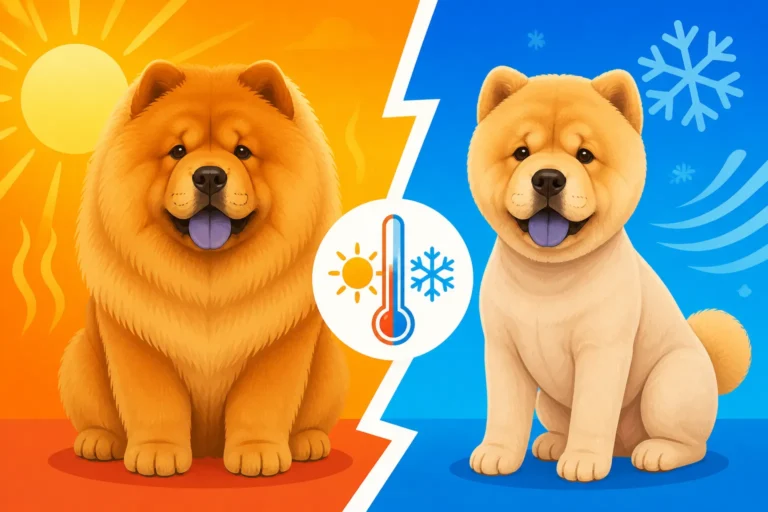
It sounds counterintuitive, doesn't it? A thick, dense coat helps keep a dog cool. But it's true! In cold weather, the trapped air within the undercoat acts as a thermal blanket, preventing body heat from escaping. In warm weather, the same principle applies, but in reverse: it slows the penetration of external heat to the skin. It essentially creates a microclimate for the dog.
When managed correctly with proper grooming, the undercoat allows for airflow while still providing protection. Think of desert animals with thick fur – their coats help protect them from the scorching sun. However, if this undercoat becomes matted or shed fur isn't removed, it can become an impenetrable, air-blocking barrier, leading to overheating. This is why brushing out that undercoat during a The Twice a Year a Chow Chow Blows Its Coat is so vital.
The Undercoat's Contribution to Shedding Cycles
Ah, the infamous "coat blow"! If you own a Chow Chow, you know exactly what I'm talking about. The undercoat is the primary contributor to the massive shedding events that typically occur twice a year, usually in spring and fall. During these periods, your Chow Chow will shed vast quantities of this soft, woolly hair to prepare for the upcoming season.
This seasonal shedding is a natural process where the dog's body adjusts its thermal insulation. In spring, they shed the thick winter undercoat to make way for a lighter summer layer, and in fall, they shed the summer layer to grow a denser winter coat. It’s a remarkable example of adaptation, but for owners, it means a significant increase in grooming demands. During these times, you'll feel like you're brushing out another dog every day! Using a good undercoat rake and a high-velocity dryer can make all the difference, and you can find many highly-rated options on platforms like Chewy or Amazon.
The Outer Coat: The Chow Chow's Protective Barrier
While the undercoat is all about insulation, the outer coat, often called the guard coat or topcoat, is the first line of defense against the outside world. It's the layer that gives the Chow Chow its distinct texture and helps define whether they have a "rough" or "smooth" coat type. This protective shell is surprisingly robust and designed to withstand a lot of wear and tear.
Characteristics of the Outer or Guard Hairs
The outer coat is made up of longer, coarser, and generally straighter hairs compared to the soft undercoat. These hairs are much stiffer and lie more smoothly over the undercoat, creating a protective layer. In a rough-coated Chow Chow, these hairs are much longer, especially around the neck forming that magnificent ruff, on the tail, and down the backs of the legs. In a smooth-coated Chow Chow, these guard hairs are shorter, but still possess that characteristic stiffness and protective quality.
The texture of these guard hairs can feel quite different from the soft undercoat. They are designed for durability, not softness, and they stand slightly away from the body, providing an extra buffer. This distinct texture is part of why Rough or Smooth: the Two Chow Chow Coats and What Each Needs differ in grooming.
How the Outer Coat Protects Against Elements
The guard hairs act like a natural raincoat and sunscreen for your Chow Chow. Their coarse texture and slight stiffness help them shed water, preventing rain or melting snow from soaking through to the delicate undercoat and skin. This water-repellent quality is invaluable, especially if your Chow Chow enjoys a romp in damp conditions.
Beyond moisture, the outer coat also offers protection from UV rays, preventing sunburn on their skin, which can be particularly sensitive. It also provides a physical barrier against minor scrapes, thorns, and insect bites. When your Chow Chow ventures through bushes, the guard hairs take the brunt of it, shielding the softer skin and undercoat beneath. It’s truly a multi-functional layer.
The Visual Impact of the Outer Coat
The outer coat is what we predominantly see and admire on a Chow Chow. It's responsible for the breed's impressive silhouette, particularly the pronounced "mane" or ruff around the head and shoulders, which gives the rough-coated variety its famous lion-like appearance. The way these guard hairs lie or stand contributes significantly to their overall regal and dignified look.
The richness and depth of their coat colors, from deep reds and blacks to creams and blues, are also primarily showcased by the outer coat. While the undercoat contributes to the overall volume, it's the outer layer that truly displays the breed's beauty and majesty. When grooming, you're not just maintaining health, but also preserving this iconic visual appeal.
| Feature | Undercoat | Outer Coat (Guard Hairs) |
|---|---|---|
| Texture | Fine, soft, woolly, crimped | Coarse, stiff, generally straight |
| Length | Shorter than guard hairs | Longer, especially on rough coats |
| Density | Extremely dense, packed close to the skin | Less dense than undercoat, lays over it |
| Primary Role | Insulation (warmth & cooling), air trapping | Protection (water, UV, physical abrasion), shedding |
| Appearance | Adds volume, fluffiness, softness | Defines silhouette, displays color, gives "lion's mane" |
| Shedding | Major contributor to seasonal "coat blow" | Sheds continuously, less dramatically than undercoat |
The Interplay: How the Double Coat Works as a System
Understanding each layer individually is important, but the true genius of the Chow Chow's coat lies in how these two distinct layers work together. It's a cohesive system, where the strengths of one layer complement the other, creating a highly efficient natural defense against various environmental challenges.
The Layered Defense Against the Environment
Imagine a carefully constructed building with multiple layers of insulation and a durable exterior. The undercoat of a Chow Chow acts like the building's internal insulation, trapping a layer of air that acts as a buffer against both extreme cold and heat. This stagnant air pocket is crucial for maintaining a stable body temperature for the dog, regardless of the outside conditions.
Then, the coarser, water-resistant outer coat functions as the building's exterior siding and roofing. It sheds rain, blocks wind, and deflects harmful UV rays, preventing them from penetrating to the insulating undercoat and the sensitive skin beneath. Without the guard hairs, the undercoat would quickly become wet and lose its insulating properties, or worse, expose the skin to damage. This synergistic relationship is why removing one layer dramatically compromises the entire system.
The Risks of Damaging the Double Coat
This incredible system, however, is surprisingly delicate when it comes to human intervention. Shaving a Chow Chow, for example, is one of the most detrimental things an owner can do to this meticulously designed coat. When you shave off both the guard hairs and much of the undercoat, you remove their primary defense mechanism. The shaved dog is then exposed to sunburn, insect bites, and is actually less able to regulate its temperature.
The undercoat, once shaved, often grows back unevenly, sometimes coarser and thicker, making future grooming more difficult and increasing the risk of matting. It also eliminates the air pocket critical for cooling. Why Shaving Does Not Cool a Chow Chow is a common misconception that can lead to serious health issues. Similarly, severe matting, especially in the undercoat, prevents air circulation, trapping heat and moisture, which can lead to painful skin infections and hot spots, even in cooler weather.
The Difference Between Rough and Smooth Coats
While we've been discussing the Chow Chow's double coat in general terms, it's worth noting that the breed comes in two distinct coat types: rough and smooth. Both are double-coated, meaning they both have an undercoat and an outer coat, but the length and density of the guard hairs differ significantly.
The rough coat is what most people picture when they think of a Chow Chow – a dense, profuse outer coat that forms a magnificent ruff around the head and neck, feathering on the legs, and a heavily plumed tail. This coat type requires substantial grooming to prevent matting and maintain its health. The smooth coat, while still double-coated, has a much shorter, harder outer coat with no significant ruff or feathering. It still provides excellent protection and insulation but requires less intensive grooming than its rough-coated counterpart. Despite the visual differences, the fundamental two-layer system remains the same, performing the same vital functions.
Maintaining the Integrity of a Chow Chow's Double Coat
Understanding what a Chow Chow's double coat is made of naturally leads to the next crucial question: how do you properly care for it? This isn't just about making your Chow Chow look good; it's about preserving their health and comfort. Neglecting this unique coat can lead to serious problems, from skin issues to overheating.
Essential Grooming Tools for Each Layer
Caring for a Chow Chow's double coat requires the right arsenal of tools. You can't just grab any old brush and expect to do the job effectively. For the dense undercoat, an undercoat rake or a wide-toothed comb is essential. These tools reach down through the guard hairs to gently pull out loose undercoat without damaging the healthy hair. A slicker brush can be useful for general fluffing and surface tangles, but it won't penetrate deeply enough on its own.
For the outer coat, a pin brush or a bristle brush can help smooth the guard hairs and distribute natural oils. A high-velocity dryer, often available from retailers like Chewy or Amazon, is also a game-changer, especially during coat blow season or after baths, to ensure the undercoat is completely dry and to help blast out loose fur. These specialized tools are an investment, but they make grooming sessions much more effective and less stressful for both you and your Chow Chow. Brushing a Chow Chow's Mane Down to the Skin is a task that requires dedication and the right equipment.
The Importance of Regular and Thorough Grooming
Regular grooming is non-negotiable for a Chow Chow. For rough coats, daily or every-other-day brushing is ideal to prevent mats and tangles, which can quickly become painful and lead to skin problems. Even smooth coats benefit from weekly brushing to remove shed hair and keep the skin healthy. During the seasonal "coat blow," grooming needs can escalate dramatically, often requiring daily, thorough sessions to remove the massive amounts of shedding undercoat.
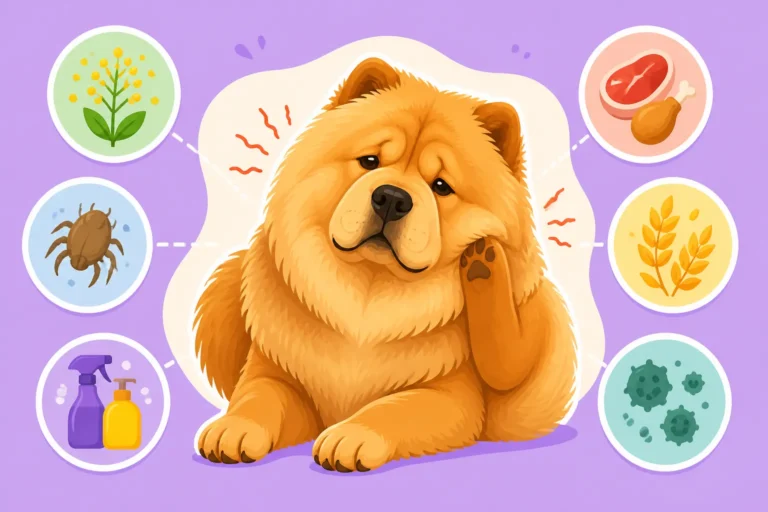
Failing to groom regularly allows shed undercoat to become trapped, forming dense mats that pull on the skin and inhibit air circulation. These mats can harbor moisture, leading to bacterial or fungal infections. They also compromise the coat's ability to insulate, making the dog either too hot or too cold. Consider establishing a routine early with your Chow Chow puppy to make grooming a positive experience throughout their life.
Nutrition's Role in Coat Health
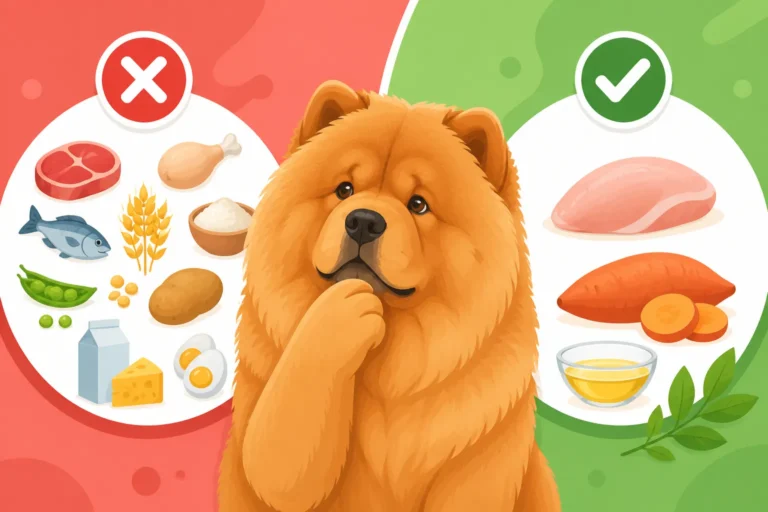
While good grooming techniques are paramount, what goes into your Chow Chow can also significantly impact the health and quality of their double coat. A high-quality diet rich in protein, essential fatty acids (like Omega-3 and Omega-6), and vitamins is crucial for strong, healthy hair growth and skin integrity. Think about it: hair is primarily protein, so a protein-deficient diet will inevitably lead to a dull, brittle coat.
Many premium dog food brands, such as Ollie, formulate their diets with optimal levels of these nutrients. If your Chow Chow's coat seems dry, brittle, or excessively flaky, it might be worth discussing their diet with your veterinarian. Sometimes, adding a fish oil supplement can also provide a boost of omega fatty acids, which are fantastic for promoting a shiny coat and healthy skin. A healthy coat starts from within, so don't underestimate the power of good nutrition!
Disclaimer
This article is for general informational purposes only and does not constitute professional advice. Laws, prices and regulations vary by location and change over time. Consult a qualified professional for guidance on your specific situation.