Whether a Shaved Chow Chow Is Cooler
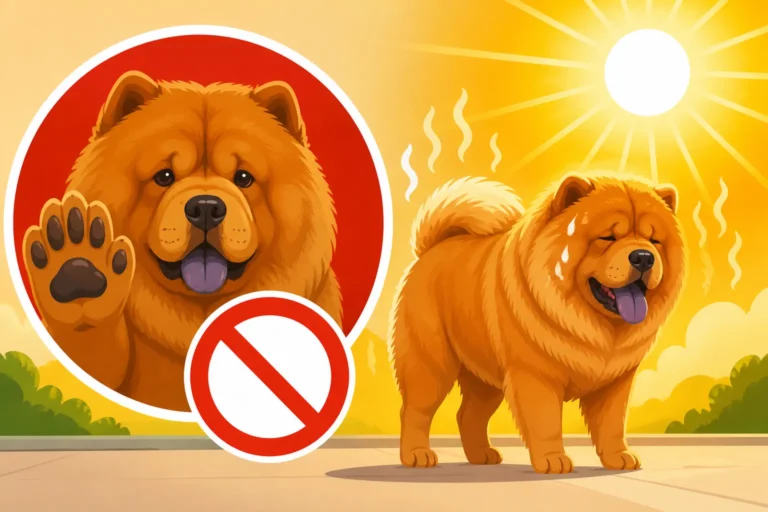
It’s a scorching summer day, and you’re looking at your magnificent Chow Chow, panting in the shade, their dense coat seemingly absorbing every ray of sun. The thought inevitably crosses your mind: "Wouldn't it be kinder, cooler, to just shave them down?" It's a natural instinct, especially when we humans shave our heads or wear lighter clothing to beat the heat. But for a Chow Chow, this seemingly logical solution can actually do more harm than good, turning their natural defense into a vulnerability. This guide will walk you through why shaving your Chow Chow isn't the cool solution you might think it is and offer proven strategies to keep your furry companion comfortable and safe in warmer weather.
The Chow Chow's Unique Double Coat: Nature's AC System
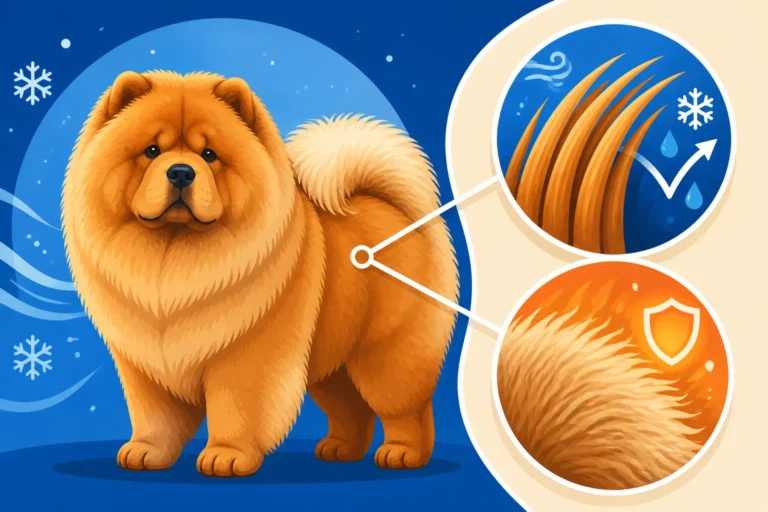
Many people look at a Chow Chow's luxurious, thick coat and assume it's simply a heavy blanket. However, this double coat is a marvel of natural engineering, designed not just for warmth in cold climates but also for crucial temperature regulation in heat. It's much more complex than a simple hair covering; it's a sophisticated system that creates an insulating barrier against both cold and heat.
The Outer Guard Hairs: Protection from Elements
The top layer of a Chow Chow's coat consists of coarse, stiff guard hairs. These hairs are longer and somewhat bristly, forming a protective shield. Think of them like the roof shingles on a house. Their primary job isn't to provide warmth but to repel water, dirt, and debris. More importantly for our discussion on heat, they also act as a barrier against the sun's harsh UV rays. This outer layer prevents sunburn and helps to keep the skin underneath from getting too hot by deflecting direct sunlight. When this protective layer is removed, the delicate skin underneath is exposed to direct solar radiation, which can quickly lead to problems.
The Soft Undercoat: Insulation and Airflow
Beneath those sturdy guard hairs lies the Chow Chow's incredibly dense and fluffy undercoat. This is where a lot of the magic happens. The undercoat is made up of fine, woolly hairs packed tightly together. This isn't just for keeping warm; it's about creating an air pocket. This cushion of air acts as an insulator, much like the insulation in your home's walls. In winter, it traps body heat to keep the dog warm. In summer, however, it works differently. Instead of trapping heat, it helps to trap cooler air against the body, slowing down the transfer of external heat to the skin. It’s a delicate balance, and crucial for their comfort.
How the Double Coat Regulates Temperature Naturally
So, how does this two-layer system actually keep a Chow Chow cool? It's all about air circulation and insulation. The guard hairs create a canopy, while the undercoat, when properly maintained and free of mats, stands away from the skin, allowing air to flow through it. This airflow helps to dissipate heat from the dog's body, and the trapped air within the undercoat acts as a buffer against ambient temperatures. It essentially works like a personal air conditioner, creating a microclimate close to the dog's skin that is often cooler than the external environment. This natural system is incredibly efficient, provided the coat is healthy and well-groomed. When you remove these layers, you remove this ingenious system. You can read more about Why a Chow Chow's Double Coat Traps Heat to understand this mechanism better.
Why Shaving a Chow Chow Backfires in the Heat
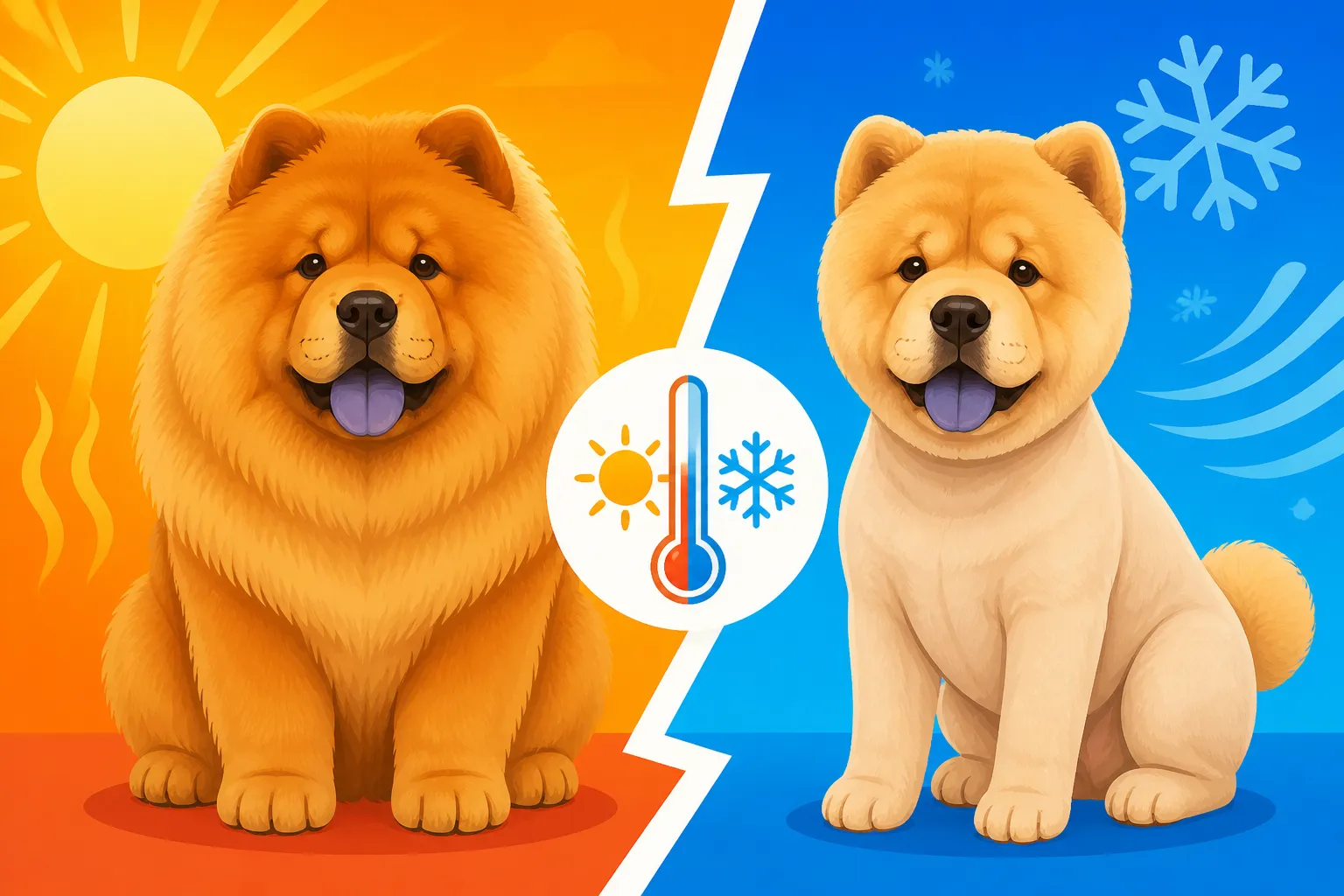
The idea of shaving a Chow Chow to cool them down is one of the most persistent myths out there, and it's completely understandable why people think it. It seems logical. But the reality is, shaving their coat often makes them less comfortable and can lead to a host of health issues. It's like removing the insulation from your house in summer, thinking it will be cooler, when in fact, it allows more heat to penetrate.
Disrupting the Natural Insulation Barrier
When you shave a Chow Chow, especially down to the skin, you strip away both their protective guard hairs and their insulating undercoat. This completely dismantles their natural cooling system. Without the undercoat to create that crucial air barrier, their skin is directly exposed to the hotter ambient air. Instead of a regulated microclimate, their skin quickly heats up to the external temperature. The guard hairs that blocked UV radiation are gone, meaning sunlight hits their skin directly. This can leave them feeling hotter and more vulnerable than before. It’s a common but detrimental mistake that disrupts their innate ability to manage their body temperature.
Increased Risk of Sunburn and Skin Damage
One of the most immediate and dangerous consequences of shaving a Chow Chow is the increased risk of sunburn. Their skin, accustomed to being shielded by layers of fur, is highly susceptible to ultraviolet (UV) radiation. Just like fair-skinned humans, a shaved Chow Chow can get a severe sunburn, leading to painful redness, peeling, and even blistering. Repeated sunburns can also increase their risk of developing skin cancers, such as melanoma, later in life. Beyond sunburn, the exposed skin is also more vulnerable to insect bites, scratches, and other environmental irritants that the full coat would normally protect against.
Potential for Coat Damage and Poor Regrowth
Shaving a Chow Chow can also cause long-term damage to their beautiful coat. This phenomenon is often referred to as "clipper alopecia" or post-clipping alopecia. When the coat is clipped, especially with a close blade, it can damage the hair follicles. The guard hairs and undercoat hairs grow at different rates and have different textures. After shaving, the softer, denser undercoat often grows back faster and thicker than the coarser guard hairs. This can result in a fuzzy, cotton-like coat that is prone to matting and holds heat even more effectively, completely defeating the original purpose of shaving. Sometimes, the guard hairs never grow back to their original length or texture, leaving the dog with a permanently altered coat. It’s a stark reminder that sometimes, trying to "fix" nature can lead to unintended, permanent consequences. Understanding What Shaving Does to a Chow Chow's Undercoat is really important here. You should also be aware of Whether a Shaved Chow Chow's Coat Grows Back and Whether Post Clipping Alopecia Affects Chow Chows.
Real Strategies for Keeping Your Chow Chow Cool
So, if shaving isn't the answer, what can you do to help your Chow Chow beat the heat? Plenty! The key is to work with their natural coat, not against it, and to provide a supportive environment. These strategies focus on proper grooming, environmental control, and smart activity planning.
Effective Grooming Practices for Heat Management
The single most effective thing you can do for your Chow Chow's comfort in warm weather is consistent and thorough grooming. This means removing dead undercoat so that air can circulate freely.
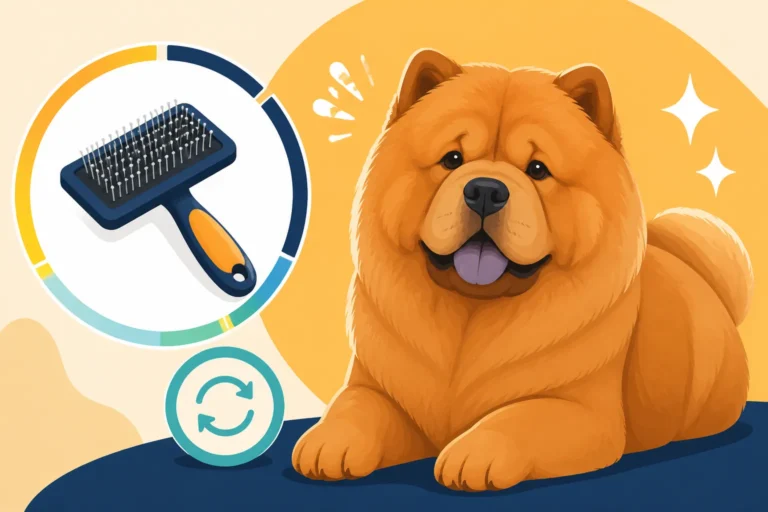
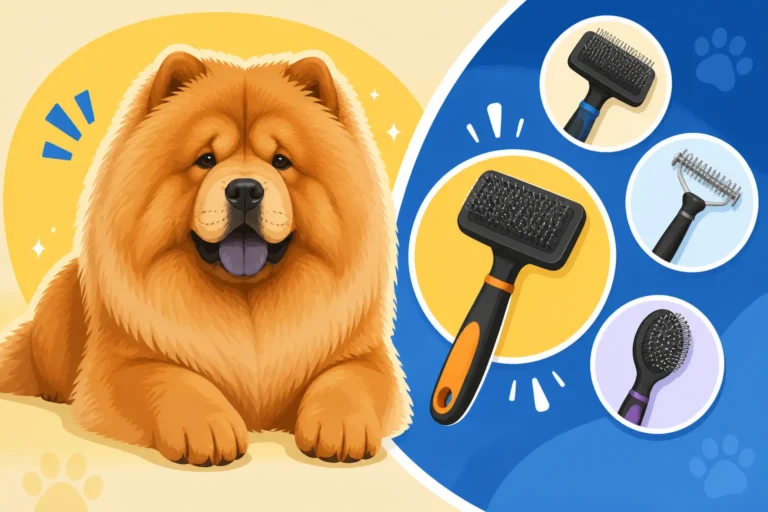
- Regular Brushing: This isn't just about making them look pretty; it's vital for their health. Use a good quality slicker brush and an undercoat rake to reach down to the skin and pull out all that loose, dead undercoat. Pay special attention during their twice-yearly "coat blow" periods, when they shed massive amounts of fur. You can learn How to Line Brush a Chow Chow to ensure you're getting deep enough without irritating their skin. Tools are important, and you can find great options on platforms like Amazon or Chewy.
- Deshedding Treatments: During those heavy shedding seasons, a professional deshedding treatment at a groomer can make a huge difference. They often use specialized tools and high-velocity dryers to loosen and blow out vast quantities of dead hair that regular brushing might miss. If you're tackling it at home, a high-velocity dryer can be a game-changer. It helps separate the coat and blasts out loose undercoat, promoting better airflow. Whether a High Velocity Dryer Helps a Chow Chow Shed is a topic worth exploring further.
- Bathing and Drying: Regular baths (followed by thorough drying!) help to loosen dead hair and keep the skin healthy. Make sure to use a shampoo designed for dense coats and, crucially, dry them completely down to the skin. A damp undercoat can lead to skin infections and hot spots, which are definitely not cooling.
Environmental Adjustments and Cooling Aids
Creating a cool environment for your Chow Chow is paramount, especially during peak summer months.
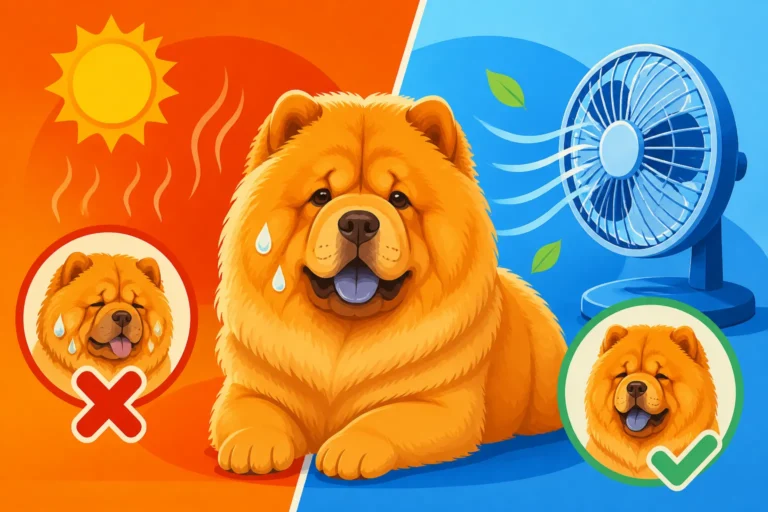
- Indoor Temperatures: Keep your home comfortably cool. Air conditioning is often a necessity for Chow Chows in warmer climates. If you don't have AC, consider a window unit in their main living area. Fans can also help with air circulation, but remember, dogs don't sweat efficiently through their skin like humans do, so a fan alone won't cool them down if the ambient air is too hot.
- Cooling Mats and Elevated Beds: These can provide a cool spot for your Chow Chow to rest. Cooling mats, many available on Amazon or Chewy, contain gel that activates with pressure, offering a cool surface. Elevated beds allow air to circulate underneath, preventing heat from radiating up from the floor. Whether a Cooling Mat Actually Helps a Chow Chow is a good question to research for your specific dog.
- Fresh Water Access: Always ensure your Chow Chow has access to plenty of fresh, cool water. Add ice cubes to their bowl to keep it cooler for longer, or consider a pet fountain to encourage drinking.
- Shade and Shelter: If your Chow Chow spends time outdoors, ensure they always have access to deep shade and shelter from direct sun. A dog house isn't enough; it can often be hotter inside than out. A shaded patio or an open-sided tent provides better airflow.
Safe Exercise and Activity in Warm Weather
Adjusting your Chow Chow's exercise routine is non-negotiable when temperatures rise. Their thick coats and brachycephalic (short) muzzles make them highly susceptible to overheating.
- Timing is Everything: Avoid walks and strenuous activity during the hottest parts of the day. Early mornings and late evenings are the best times. Even then, keep walks shorter and focused on potty breaks rather than long adventures. What might feel mild to you can be dangerously hot for your Chow Chow. Remember What Temperature Is Too Hot for a Chow Chow.
- Watch for Overheating Signs: Learn to recognize the signs of overheating, which include excessive panting, drooling, lethargy, bright red gums, and stumbling. If you see these, act immediately to cool your dog down. Signs a Chow Chow Is in Heat Stroke is crucial knowledge for any Chow Chow owner. Knowing How to Cool a Chow Chow Down Fast could save their life.
- Cool Pavement: Remember that asphalt and concrete can get incredibly hot, burning paw pads. Test the pavement with the back of your hand; if it's too hot for you to hold for five seconds, it's too hot for their paws. Stick to grassy areas or walk during cooler times.
- Mental Stimulation: On days when it's too hot for physical exercise, focus on mental stimulation indoors. Puzzle toys, training sessions, and scent games can keep them engaged without the risk of overheating. We've got more tips on Getting a Chow Chow Through an American Summer.
| Strategy | Description | Why it Helps | What to Avoid |
|---|---|---|---|
| Grooming | Regular, thorough brushing, especially during coat blows, using appropriate tools (slicker, undercoat rake, high-velocity dryer). | Removes dead undercoat, allowing air circulation and maintaining insulation. | Shaving the coat down to the skin. |
| Environment | Keep indoors cool with AC/fans. Provide cooling mats, elevated beds, and shade outdoors. Unlimited fresh, cool water. | Reduces ambient temperature exposure and provides cool resting spots. | Leaving Chow Chow in hot car or direct sun. |
| Activity | Walk during coolest parts of the day (early morning, late evening). Short, easy walks. Focus on mental games indoors. | Prevents excessive exertion and overheating from physical activity. | Strenuous exercise in heat; walking on hot pavement. |
| Hydration | Constant access to fresh, cool water. Add ice cubes. | Helps regulate internal body temperature and prevents dehydration. | Restricting water access; relying solely on panting. |
Common Misconceptions and What to Avoid
Despite the best intentions, some myths and practices persist that can actually put your Chow Chow at risk. It's important to understand why these common beliefs are incorrect and how to avoid them.
The Illusion of "Feeling" Cooler
When you run your hand over a freshly shaved Chow Chow, the exposed skin might feel cool to your touch. This can lead to the illusion that the dog is actually cooler. However, what you're feeling is merely the lack of insulation from their fur, not necessarily a lower core body temperature for the dog. In reality, their skin is now directly exposed to ambient air and solar radiation, meaning it will heat up much faster than it would with their natural protective coat intact. The internal mechanisms for heat regulation are disrupted, making them work harder to stay cool. The sensation of coolness on the surface can be very deceptive and mask a real internal struggle against rising temperatures.
Dangers of Excessive Wetting and Not Drying Properly
Dousing your Chow Chow with water might seem like a quick fix for overheating, and a little splash can certainly provide temporary relief. However, repeatedly getting their thick double coat soaking wet without thoroughly drying it can lead to serious skin problems. The dense undercoat can trap moisture against the skin for extended periods, creating a perfect breeding ground for bacteria and yeast. This can result in painful hot spots, skin infections, and even fungal issues that are notoriously difficult to treat, especially given the density of a Chow Chow's coat. If you do wet your Chow Chow, ensure it's a light spray that evaporates quickly or be prepared for a full bath-and-dry routine with a high-velocity dryer, getting right down to the skin. Even just getting their face folds wet without drying them properly can lead to skin irritation and infection.
Products That Don't Address the Root Problem
The market is flooded with products claiming to cool dogs, from cooling vests to bandanas and specialized harnesses. While some of these can offer some relief, it's crucial to understand their limitations and not rely on them as primary solutions. For instance, a cooling vest that covers the torso might cool that specific area, but it won't replace the natural insulating properties of their full coat or address the heat trapped within their dense fur if it's matted. Some products can even trap heat if not used correctly or if they hinder the natural airflow through the coat. The core issue for a Chow Chow is often the trapped dead undercoat and their predisposition to overheating due to their brachycephalic nature and dense fur. Products should be seen as supplemental aids, not replacements for proper grooming, environmental control, and mindful activity. It's important to remember that Why a Chow Chow's Short Muzzle Cools Poorly is a significant factor in their heat regulation challenges, and no product can fundamentally change their physiology.
Disclaimer
This article is for general informational purposes only and does not constitute professional advice. Laws, prices and regulations vary by location and change over time. Consult a qualified professional for guidance on your specific situation.