How Long a Chow Chow Takes to Dry
Oh, the post-bath Chow Chow! If you've ever found yourself standing there, towel in hand, wondering if you accidentally adopted a woolly mammoth instead of a dog, you are absolutely not alone. That incredibly dense, glorious double coat that makes them look like a majestic lion also acts like a giant, fluffy sponge. Getting a Chow Chow fully dry after a bath isn't just a quick rub-down; it's a commitment, a process, and frankly, sometimes an endurance sport. This guide is here to walk you through exactly why your Chow Chow takes so long to dry, what tools you need to make it more manageable, and the best techniques to ensure your furry friend is completely dry, healthy, and happy.
The Unique Challenge of the Chow Chow's Coat
Before we even talk about how to dry them, we need to understand why it's such a monumental task. The Chow Chow's coat isn't just thick; it's engineered for harsh, cold climates, designed to keep them warm and dry in conditions far more extreme than most living rooms. This ancient breed boasts a truly remarkable protective layer, but it does present some unique grooming challenges.
What Makes Their Coat Such a Water Magnet
At the heart of the matter is the Chow Chow's double coat. This isn't just a fancy term; it's two distinct layers working in tandem. You have the coarse, straight, and abundant outer coat, often called the guard hairs. These are the beautiful, visible hairs that give the Chow Chow its distinctive silhouette, especially the impressive mane or "ruff" around their head and shoulders. These guard hairs are water-resistant to a degree, helping to shed light rain and snow.
However, beneath this outer layer lies the true challenge: a soft, dense, woolly undercoat. This undercoat is incredibly fine and packed tightly, providing insulation against both cold and heat. It's also exceptionally good at trapping moisture. When you bathe a Chow Chow, this undercoat becomes completely saturated, holding onto water like a reservoir. It’s not just wet on the surface; it’s wet right down to the skin, which is exactly why they take so long to dry. Trying to simply air dry a Chow Chow is like trying to dry a thick wool blanket by just hanging it up indoors – it might feel dry on the outside, but inside, it’s still damp for ages. Understanding What a Chow Chow's Double Coat Is Made Of is key to appreciating the drying process.
Differences Between Rough and Smooth Coats
While both rough and smooth coated Chow Chows possess that insulating double coat, there are subtle differences in their drying times and techniques. The rough coat, with its longer, more abundant guard hairs and denser undercoat, is the one that most people visualize when they think of a Chow Chow. This coat takes significantly longer to dry, and the sheer volume of fur means more surface area to hold water. Mats can also form more easily in a rough coat if not properly brushed during drying, further complicating the process.
On the other hand, the smooth coated Chow Chow, while still having a double coat, has shorter, harder outer guard hairs and a less profuse undercoat. While still a challenge compared to many other breeds, a smooth coat will generally dry faster than a rough coat. The water just has less material to cling to, and the shorter length makes it easier for forced air to penetrate down to the skin. However, even with a smooth coat, the principles of thorough drying remain the same – you still need to get that undercoat dry to prevent problems. If you're wondering How a Rough Chow Chow Differs From a Smooth, you'll see why the drying time varies.
Factors That Influence Drying Time
It's not just the inherent nature of their magnificent coat that dictates drying time; several other factors play a significant role. Being aware of these can help you manage your expectations and adjust your drying strategy.
Environmental Humidity and Temperature
Imagine trying to dry laundry on a humid summer day versus a dry, breezy one. The same principle applies to your Chow Chow. If you're bathing and drying your dog in a high-humidity environment, the air is already saturated with moisture, making it much harder for water to evaporate from their coat. This means longer drying times. Conversely, a dryer climate or a room with low humidity will naturally accelerate the process.
Similarly, the ambient temperature matters. A warm room (but not hot, as Chows overheat easily) can help, but it's more about the movement of dry air than high heat. Blasting a fan across the room (not directly at your dog if they dislike it) can help circulate air and aid in evaporation. However, never rely on heat lamps or excessively warm air, as Chows are highly susceptible to overheating, which can quickly become a dangerous situation.
Coat Condition: Mats and Shedding Cycles
The condition of your Chow Chow's coat is paramount. A matted coat is your absolute worst enemy when it comes to drying. Mats act like sponges, compacting the fur and preventing air from reaching the skin. Not only do mats hold onto water for an incredibly long time, but they also create a breeding ground for bacteria and yeast, leading to hot spots and skin infections. It's crucial that any mats are completely brushed out before bathing, or they will become tighter and more difficult, if not impossible, to remove once wet. You really don't want to learn Whether Mats Hurt a Chow Chow the hard way during a bath.
Furthermore, drying time can be particularly extended during a "coat blow" – the twice-yearly period when Chow Chows shed their entire undercoat. During this time, the coat is even denser with loose fur, which can absorb and trap even more water. A thorough pre-bath brush-out to remove as much dead undercoat as possible is absolutely vital during these periods to prevent matting and reduce drying time significantly.
Shampoo, Conditioner, and Rinsing Thoroughness
Believe it or not, the products you use and how well you rinse them out can impact drying time. Heavy conditioners, while beneficial for coat health, can leave a residue that makes the coat feel denser and can take longer to dry if not rinsed completely. Always opt for good quality, dog-specific shampoos and conditioners that are designed to rinse cleanly. Brands available on Chewy or Amazon often have clear descriptions of their rinse-ability.
More importantly, rinsing thoroughly is key. Any shampoo or conditioner left in the coat can not only irritate the skin but also attract dirt and make the coat feel gummy, which can impede drying. You need to rinse, and then rinse again, and then probably one more time. You'll literally need to squeeze the water out of the fur to get a sense of how much product is still there. The water should run completely clear from their coat, with no suds or slickness.
Essential Tools for Efficient Chow Chow Drying
Let's be realistic: a few old towels and a regular human hairdryer aren't going to cut it. To dry a Chow Chow safely and effectively, you need specialized equipment. Investing in these tools will save you time, frustration, and potentially costly vet visits for skin issues.
The Power of a High-Velocity Dryer
This is, without a doubt, the single most important tool in your Chow Chow grooming arsenal. A high-velocity dryer (also known as a force dryer or blaster) is not a regular hairdryer. It works by pushing a large volume of unheated or slightly warmed air at high speed, literally blasting water out of the coat. This is far more effective and safer than relying on heat, which can quickly overheat a Chow Chow and damage their delicate skin and coat.
These dryers come with different nozzle attachments, allowing you to direct the airflow precisely. They are loud, so desensitizing your Chow Chow to the sound from a young age is crucial. Many Chows learn to tolerate and even enjoy the sensation once they get used to it. Brands like Flying Pig Grooming, K-9 II, or various options found on Amazon offer excellent high-velocity dryers. Using a force dryer also helps to "line dry" the coat, separating the layers and ensuring air reaches the undercoat. Plus, it helps blow out loose undercoat, meaning less shedding around your house later. Whether a High Velocity Dryer Helps a Chow Chow Shed is a resounding yes!
Super Absorbent Towels
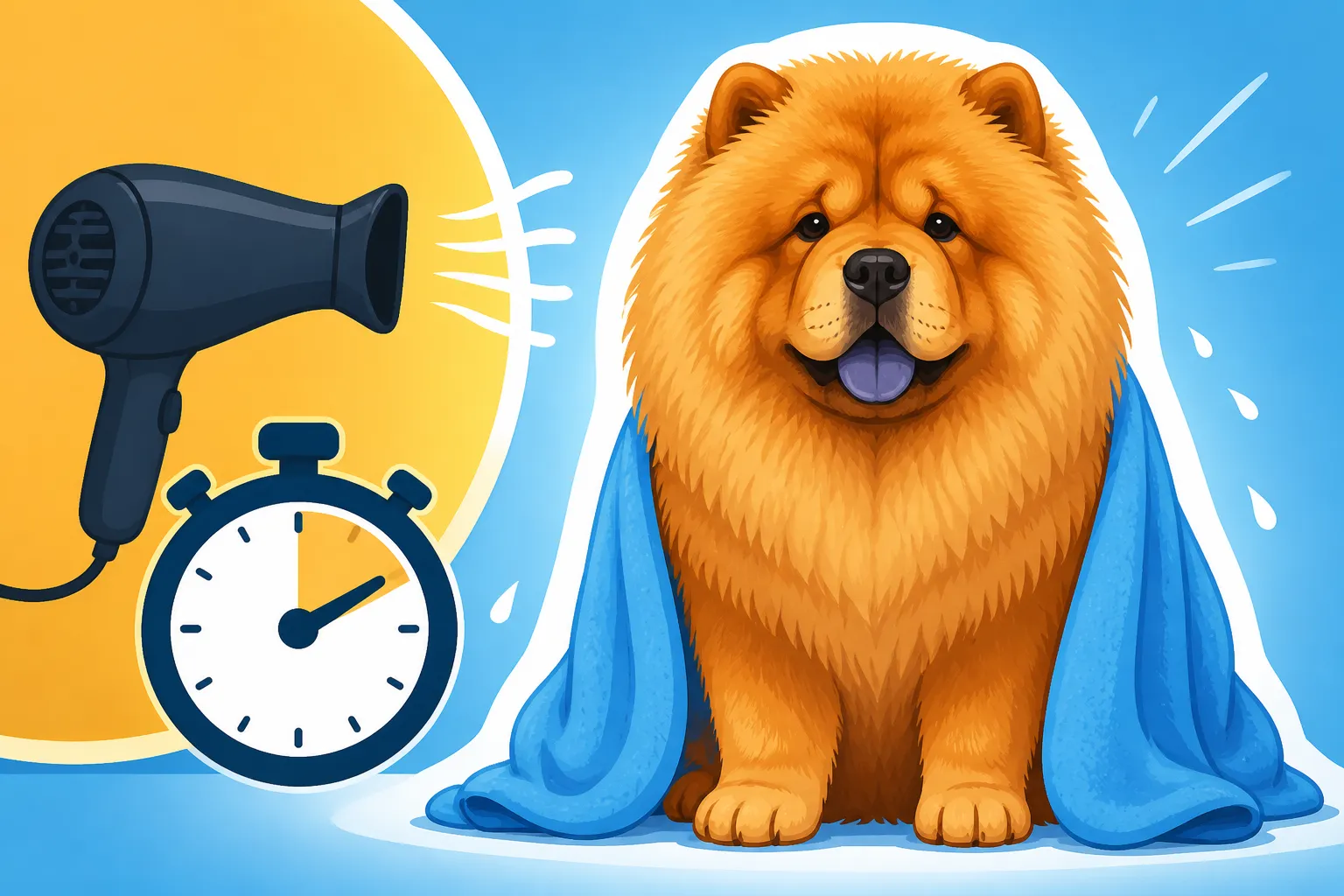
While the high-velocity dryer does the heavy lifting, absorbent towels are essential for the initial de-watering phase. Microfiber towels designed for dogs are incredibly effective at soaking up a surprising amount of water from that thick coat. Have several on hand, especially for a rough-coated Chow Chow, as you'll likely go through a few.
The goal with towel drying is not to rub vigorously (which can create tangles and mats) but to blot and squeeze. Gently press the towel into the fur, squeezing out as much water as possible. Focus on areas like the legs, belly, and tail, which can hold a lot of moisture. Getting as much water out as possible with towels will significantly reduce the time you need to spend with the force dryer.
Grooming Table, Brushes, and Combs
A sturdy grooming table is a game-changer. It elevates your Chow Chow to a comfortable working height, saving your back and allowing you to access all areas of their body more easily. It also helps to keep them still and focused during the drying process. A good grooming table can be an investment, but it's invaluable for proper care.
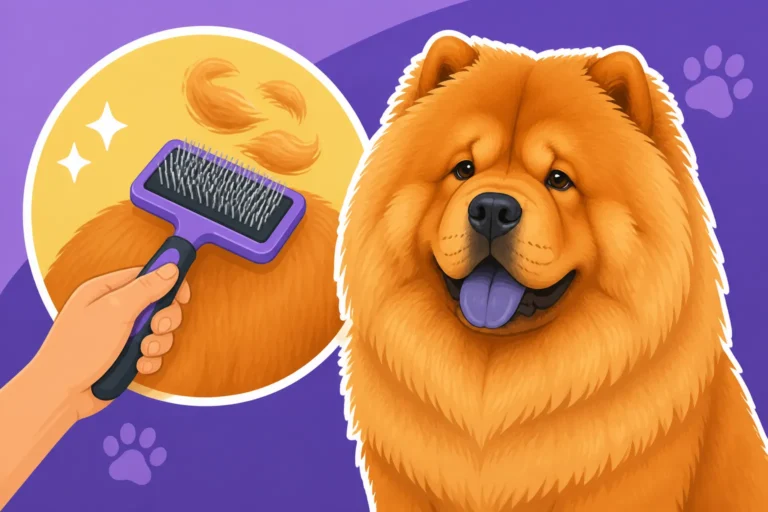
You'll also need a slicker brush and a sturdy metal comb. These are used during the drying process to help separate the coat and allow the air to penetrate. As you dry sections of the coat, you'll be brushing through it to ensure no mats are forming and that the undercoat is thoroughly aired out. For a rough-coated Chow Chow, a pin brush can also be very helpful for the longer guard hairs. Remember, How Long Brushing a Rough Chow Chow Takes is a significant portion of the grooming routine.
| Drying Tool | Primary Function | Benefits | Considerations |
|---|---|---|---|
| High-Velocity Dryer | Blasts water out of the coat | Fast, effective, reduces drying time, removes loose undercoat, prevents skin issues | Loud, requires training/desensitization, initial investment |
| Super Absorbent Towels | Initial water removal | Quick absorption, gentle on coat, prepares for force drying | Need multiple for a Chow Chow, won't fully dry |
| Slicker Brush/Metal Comb | Separates coat, prevents mats | Ensures thorough drying to the skin, maintains coat health | Must be used carefully to avoid skin irritation |
| Grooming Table | Elevates dog to working height | Improves ergonomics, safety, dog stability, allows full access | Requires space, initial investment |
Step-by-Step Guide to Drying Your Chow Chow
Alright, you've bathed your Chow Chow, and now they're a fluffy, dripping cloud. Let's get them dry! This process takes time, patience, and the right technique, but it's crucial for their health and comfort.
Initial Towel Dry and Squeeze
As soon as the bath is over and you've given them a good shake (probably showering yourself in the process!), start with your absorbent towels. Don't rub their fur vigorously, as this can tangle and mat the undercoat, especially on a rough-coated Chow. Instead, gently press the towels into the coat, squeezing out as much water as possible.
Focus on sections. Start with their back and sides, pressing and squeezing. Then move to their legs, tail, and belly. You'll be amazed at how much water these towels can absorb. Keep rotating to fresh, dry towels until you've removed the majority of the surface water. At this point, your Chow Chow should still feel damp, but not dripping wet.
Sectional High-Velocity Drying Technique
This is where your high-velocity dryer truly shines. The key to success is working in sections, systematically, from the skin out. Start with a lower setting if your Chow Chow is new to the dryer, and gradually increase the power as they become comfortable. Always keep the nozzle moving, never holding it in one spot, to prevent skin irritation or overheating.
Begin by directing the airflow against the grain of the fur, lifting the coat and allowing the air to penetrate down to the skin. Use your free hand or a brush to part the hair, ensuring you're reaching the undercoat. As you dry, continuously brush through the section you're working on with your slicker brush or metal comb. This helps separate the hairs and ensures no mats are forming. Work from the hindquarters towards the head, paying special attention to dense areas like the ruff, britches, and tail. These areas are prone to matting and holding moisture. Remember, the goal is for the air to literally blast the water off the individual hair shafts, not just evaporate it.
Finishing Touches and Checking for Dampness
Once you've gone over the entire coat with the high-velocity dryer and it feels dry, you're not quite done. The real test is to reach down to the skin. Run your fingers against the grain of the fur, feeling for any lingering dampness. Pay extra attention to the areas prone to moisture retention: behind the ears, under the chin, around the "armpits" (front legs), the groin area, and deep within the ruff and tail. These spots are often overlooked but are critical.
Use your metal comb to check for any hidden dampness or tangles. If the comb snags or feels cold and wet against your fingers as you pull it through the coat, that area is still damp and needs more drying. Continue using the force dryer and brush until the comb glides smoothly and the skin feels completely dry and warm to the touch. It's truly important that Why a Chow Chow Must Be Dried to the Skin is understood to prevent skin issues.
Common Drying Mistakes to Avoid
Even with the right tools and intentions, it's easy to fall into common traps when drying a Chow Chow. Avoiding these mistakes is crucial for their health and your sanity.
Relying Solely on Air Drying
This is perhaps the biggest mistake new Chow Chow owners make. Thinking you can just give them a quick towel rub and let them air dry is a recipe for disaster. As mentioned, their dense undercoat traps moisture against the skin. If left to air dry, especially indoors, it can take days for a Chow Chow's coat to fully dry to the skin. During this prolonged damp period, their skin becomes a prime environment for bacterial and yeast infections, leading to painful hot spots, unpleasant odors, and chronic skin conditions.
Moreover, if they move around and play while damp, their coat will mat tightly, and those mats will become even harder to remove. Not to mention the potential for them to get chilled, especially in cooler weather, even if they're indoor dogs. This is why you must invest the time and tools to dry them completely, every single time. It directly impacts Why a Damp Chow Chow Gets Skin Trouble.
Insufficient Brushing During Drying
Just blasting air at a Chow Chow isn't enough. The force dryer works best when combined with continuous brushing. If you don't brush as you dry, especially against the grain, the air might only be drying the outer layers of the coat, leaving the dense undercoat still wet. The fur will just collapse back down, re-trapping moisture.
Brushing during drying helps to lift and separate the individual hair shafts, allowing the high-velocity air to penetrate thoroughly and push out the trapped water. It also helps to prevent tangles and mats from forming as the coat dries. Forgetting to brush will significantly increase drying time and increase the risk of skin problems. Think of it as aerating the coat while drying it – a dual benefit for both speed and health.
Using Excessive Heat or Overheating Your Chow
While you might be tempted to use a human hairdryer on a hot setting to speed things up, never do this. Chow Chows are highly sensitive to heat and can overheat very quickly due to their dense coat and brachycephalic (short-nosed) structure. A regular hairdryer's heat is too intense and can easily burn their skin, damage their coat, and cause them to suffer heatstroke, which is a life-threatening emergency.
Even with a force dryer, which typically uses unheated or minimally warmed air, you must be vigilant. Always keep the nozzle moving. Watch your Chow Chow for signs of discomfort or overheating, such as excessive panting, bright red gums, or lethargy. Take breaks if needed. The goal is powerful airflow, not high heat. Why a Chow Chow Overheats So Easily is a critical piece of knowledge for any owner.
The Importance of Thorough Drying for Your Chow Chow's Health
Beyond just looking fluffy and clean, ensuring your Chow Chow is thoroughly dry is paramount for their overall health and well-being. It prevents a host of uncomfortable and potentially serious issues.
Preventing Skin Infections and Hot Spots
As we've discussed, a damp undercoat creates a humid, warm environment directly against your Chow Chow's skin. This is the perfect breeding ground for bacteria and yeast, which can quickly multiply and lead to skin infections, dermatitis, and painful hot spots. These conditions can be incredibly itchy and uncomfortable for your dog, often leading to excessive scratching, licking, and chewing, which only worsens the problem.
Treating skin infections can be a lengthy and expensive process, involving medicated shampoos, antibiotics, antifungals, and even steroids. By taking the time to dry your Chow Chow properly, you prevent these issues before they even start, saving both your dog discomfort and your wallet. It's a fundamental part of responsible Chow Chow care.
Avoiding Matting and Coat Damage
Mats aren't just unsightly; they are painful and detrimental to your Chow Chow's health. When wet fur dries in tangles, it pulls on the skin, causing discomfort and bruising. Severe matting can restrict movement, hide skin problems, and even cut off circulation in extreme cases. If a Chow Chow is left to air dry with mats, they will become incredibly tight, often requiring professional dematting or even shaving, which can be traumatic and costly.
Thorough drying with proper brushing helps to keep the coat free of tangles and mats, allowing it to move freely and reducing the risk of skin irritation. It also helps to maintain the integrity and health of the beautiful outer coat, preventing breakage and dullness. Think of it as conditioning the coat from the inside out. Neglecting this step means you might end up paying a lot for professional grooming to fix severe matting, and What Professional Grooming Costs for a Chow Chow can be substantial.
Odor Control and Overall Comfort
No one wants a stinky dog! A damp, improperly dried Chow Chow will quickly develop a musty, mildewy odor due to the bacterial and yeast growth on their skin and in their coat. This "wet dog smell" isn't just unpleasant; it's a sign that their skin isn't healthy. Thorough drying eliminates the conditions that allow these odor-causing microorganisms to thrive, leaving your Chow Chow smelling fresh and clean.
Furthermore, a completely dry coat is simply more comfortable for your dog. Imagine wearing damp clothes for hours on end – it's irritating and can make you feel cold. A fully dried Chow Chow will be more comfortable, less prone to chills, and generally happier. It's an act of kindness to ensure they are dry to the skin after every bath.
The sheer volume of fur on a Chow Chow means that drying them properly is a labor of love, but it's an essential part of keeping them healthy and comfortable. While it might seem daunting at first, with the right tools, techniques, and a hefty dose of patience, you'll master the art of Chow Chow drying in no time. Your fluffy companion (and your nose!) will thank you for it.
Disclaimer
This article is for general informational purposes only and does not constitute professional advice. Laws, prices and regulations vary by location and change over time. Consult a qualified professional for guidance on your specific situation.